If your home never quite feels comfortable—too warm upstairs, too cold downstairs, or your system just seems to run all the time—you’re not imagining it.
In fact, most homes in Colorado Springs are dealing with the same hidden problem:
Poor airflow caused by dust buildup and restricted HVAC systems
It’s not obvious. You won’t see it walking through your home.
But behind your vents, inside your system, and across your coils—it’s quietly affecting everything.
And over time, it gets expensive.
Why This Problem Is So Common in Colorado Springs
Living in Colorado comes with a few unique challenges:
- Dry air year-round
- High dust and particulate levels
- Wind exposure
- High-altitude system strain
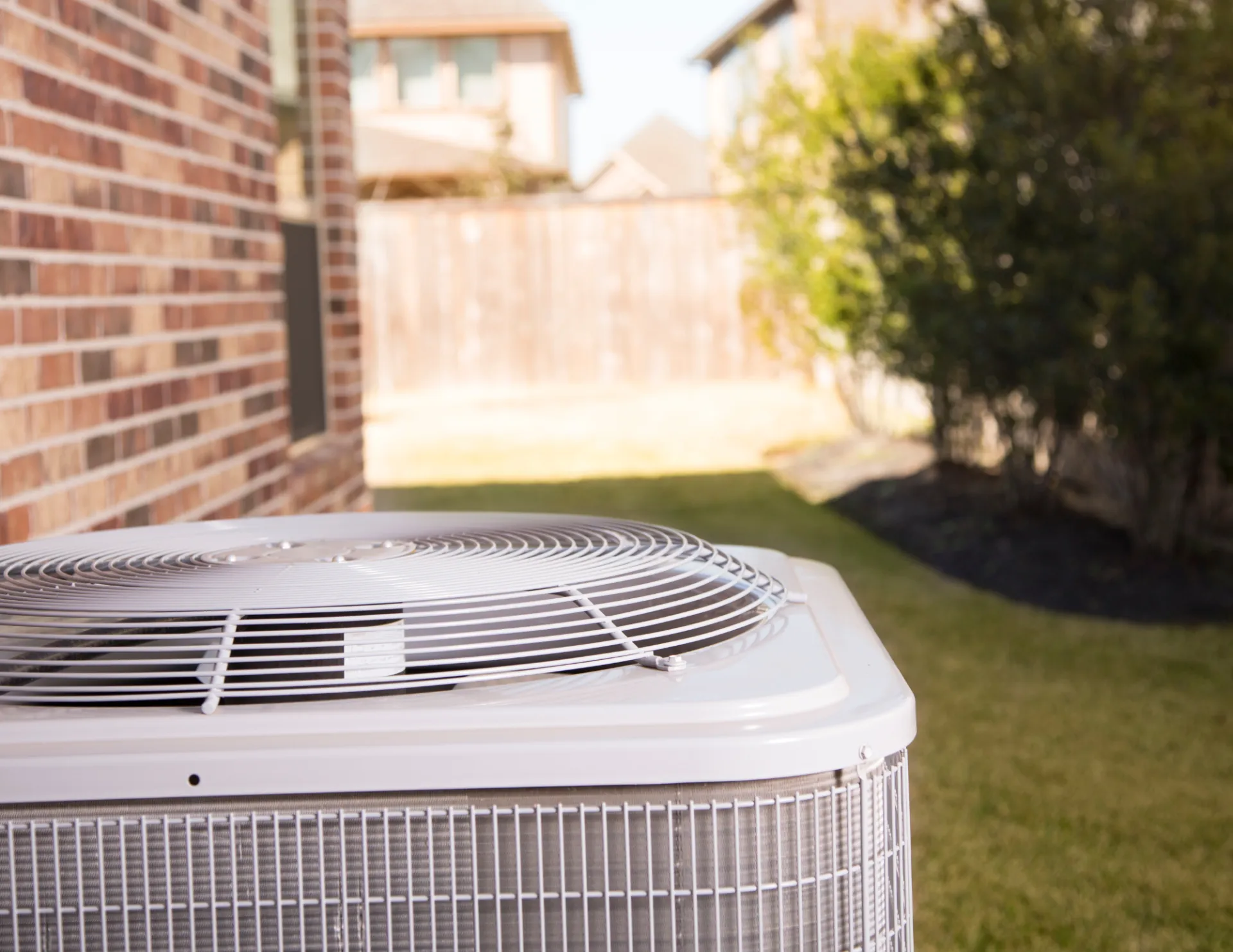
All of that gets pulled straight into your HVAC system.
Without regular maintenance, that buildup starts to block airflow—forcing your system to work harder just to keep up.
What Poor Airflow Actually Does to Your Home
This isn’t just a comfort issue—it impacts your entire system.
1. Uneven Temperatures
Some rooms feel perfect. Others never get there.
That’s often airflow imbalance—not your thermostat.
2. Higher Energy Bills
When airflow is restricted, your system runs longer cycles to reach the same temperature.
3. Increased Wear and Tear
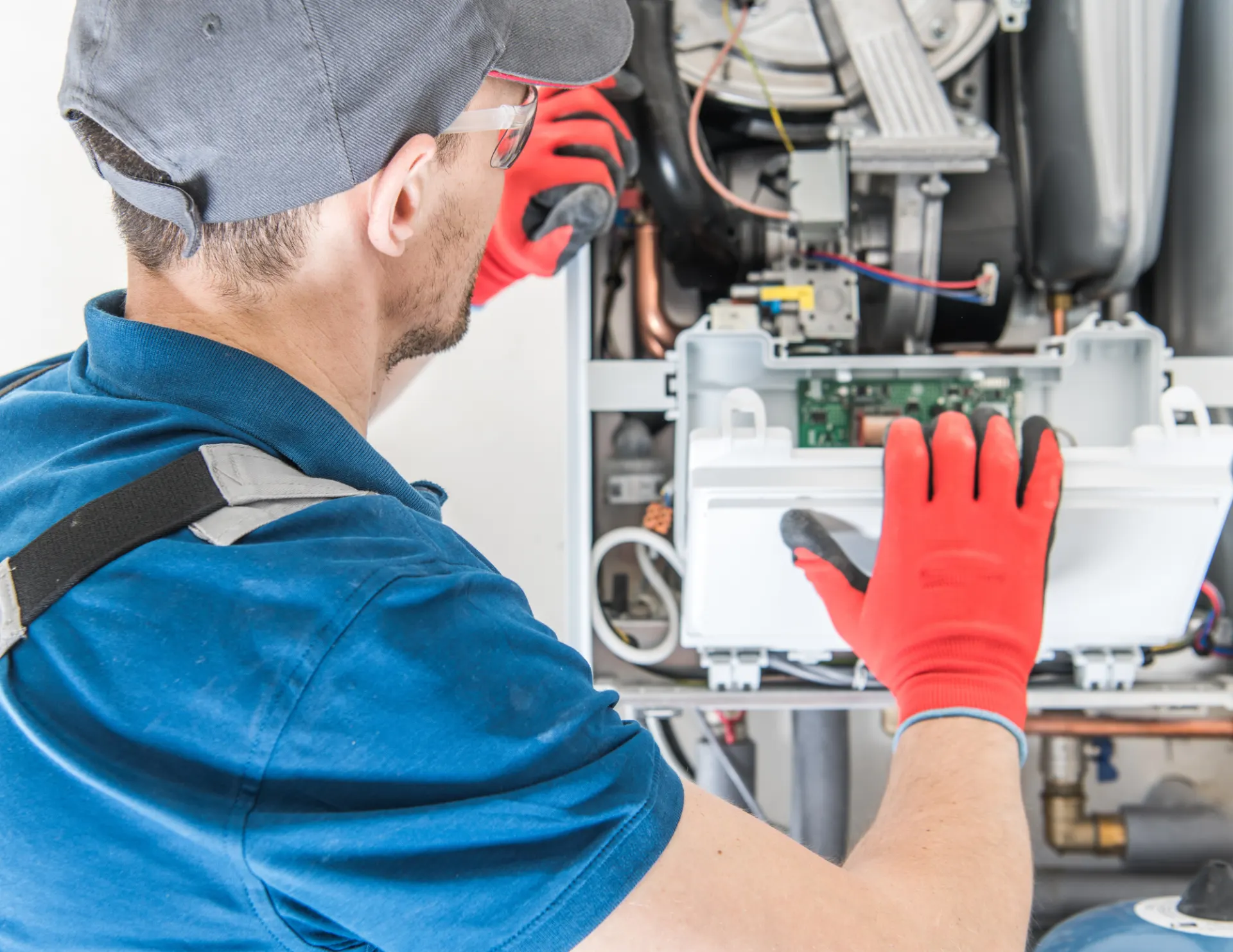
Motors, fans, and compressors all take on extra strain when airflow is compromised.
4. Shortened System Lifespan
What could last 15–20 years may fail much sooner without proper maintenance.
The Real Culprits (What’s Happening Behind the Scenes)
Most homeowners assume the issue is the unit itself—but it’s usually much simpler:
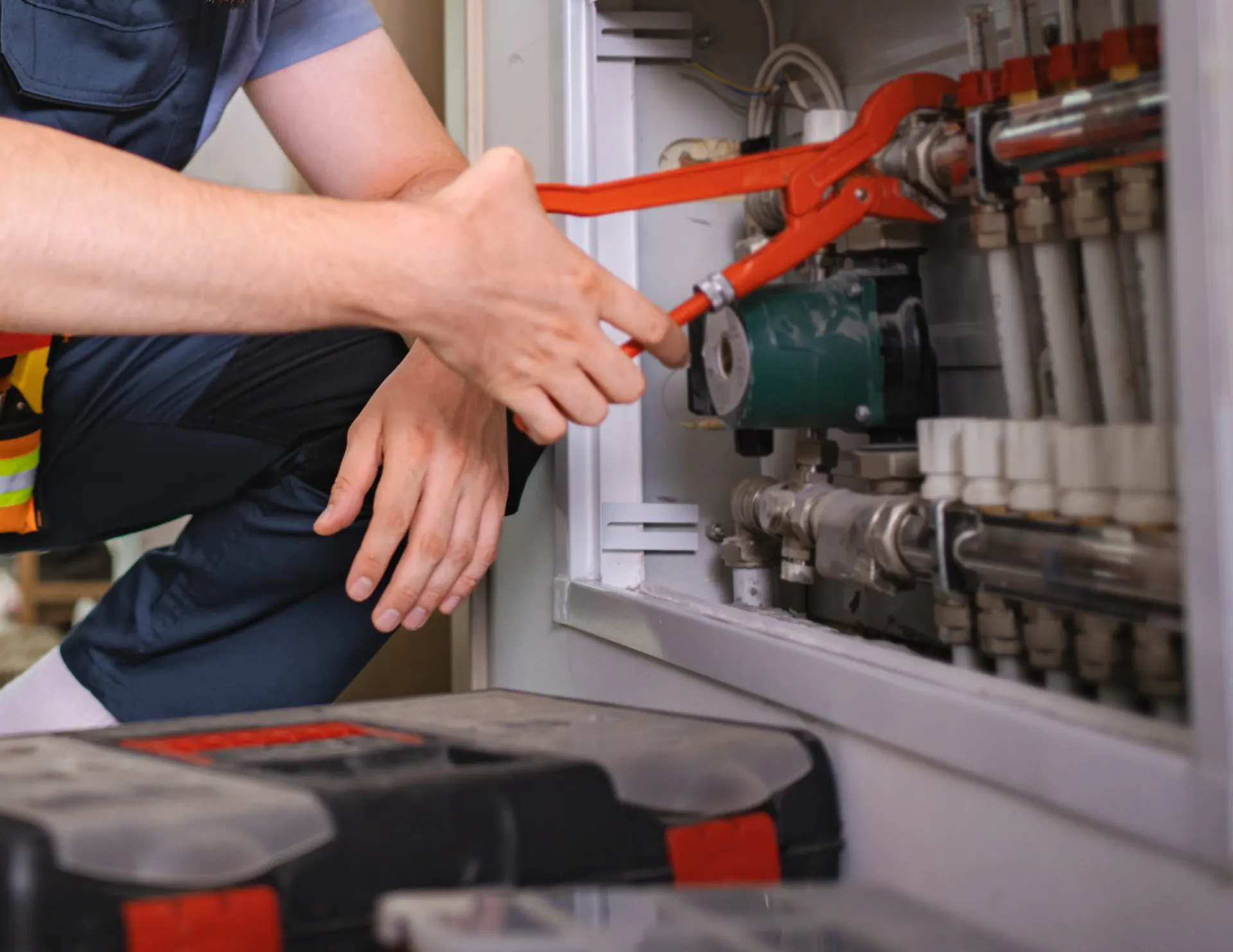
- Dirty evaporator and condenser coils
- Clogged air filters
- Dust buildup in ductwork
- Blocked or poorly designed vents
These aren’t things you’ll notice day-to-day—but they add up quickly.
How to Tell If Your Home Has This Issue
You don’t need a full inspection to spot the warning signs.
Look for:
- Your AC or furnace runs constantly
- Weak airflow from vents
- Rooms that never match the thermostat
- Rising utility bills without a clear reason
- More dust than usual in your home
If you’re noticing even a couple of these, there’s a good chance airflow is part of the problem.
Why Most Homeowners Miss It
Because the system is still “working.”
It turns on. It heats. It cools.
But it’s not working efficiently.
And that gap between “working” and “working well” is where homeowners lose money—month after month.
What Actually Fixes the Problem
Quick fixes (like changing a filter) help—but they don’t solve the full issue.
Real improvement comes from a more complete approach:
- Cleaning internal components
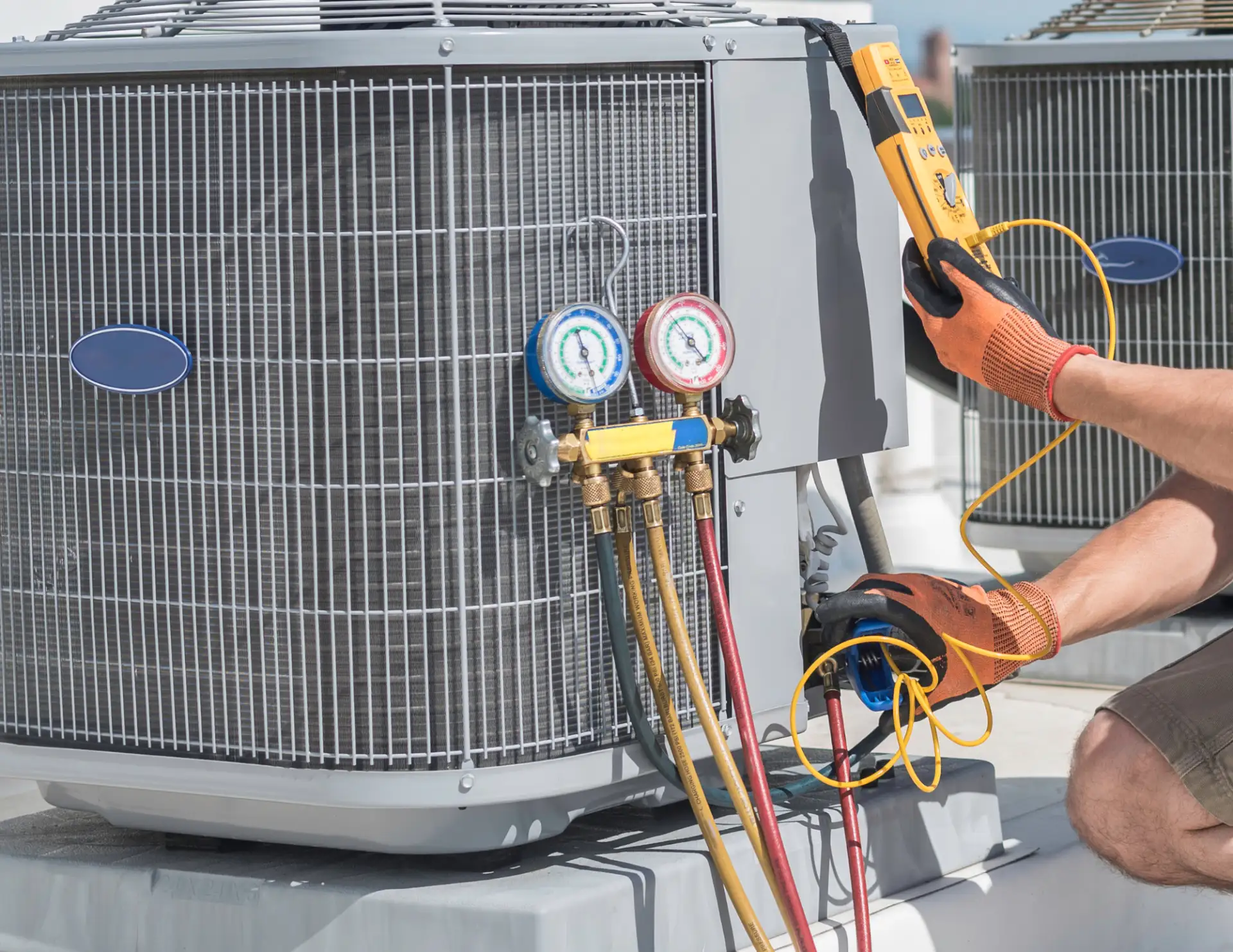
- Checking airflow and system performance
- Inspecting ductwork and vent distribution
- Identifying strain on key components
Related: Don’t Ignore These Other Hidden Issues
If airflow problems are present, there’s a good chance other maintenance items are being overlooked too.
You might also want to check out:
- The Big Three: How Plumbing, Electrical, and HVAC Work Together to Keep Your Home Running Right
- Do Older Homes in Colorado Springs Need HVAC Upgrades Before Remodeling?
- What Happens If You Skip Your HVAC Tune-Up?
(These are common next steps homeowners take once they realize what’s going on behind the scenes.)
Final Thoughts
Many homes in Colorado Springs aren’t running the way they should.
And something as simple as restricted airflow can quietly:
- Increase your bills
- Reduce your comfort
- Shorten your system’s life
The good news? It’s fixable—and often before it turns into a major repair.
Want to Know for Sure?
If you’ve never had a full system check—or it’s been a while—it’s worth taking a closer look.
A quick inspection can tell you exactly what’s going on and whether your system is working for you… or against you.