The Heartbeat of Your Home
Every home in Colorado Springs has three main systems that make it livable: plumbing, electrical, and HVAC. Together, they handle every comfort we take for granted — clean water, comfortable temperatures, reliable lighting, and safe power.
Most people don’t think about them until something breaks. But these systems aren’t independent — they’re interconnected. When one struggles, it often drags the others down with it.
That’s why at HOMEfix, we always say: your house runs like a team — and the systems have to play nice together.
1. Plumbing: The Circulatory System
Let’s start with plumbing — the veins and arteries of your home. Water comes in under pressure, runs through pipes, gets heated, and exits through drains and vents.
Your plumbing system touches every part of your home’s daily life:
- Kitchen sinks and dishwashers
- Bathroom faucets, showers, and toilets
- Laundry and water heaters
- Humidifiers and even HVAC condensate drains
What most people don’t realize is how closely plumbing interacts with HVAC and electrical systems.
Plumbing + HVAC
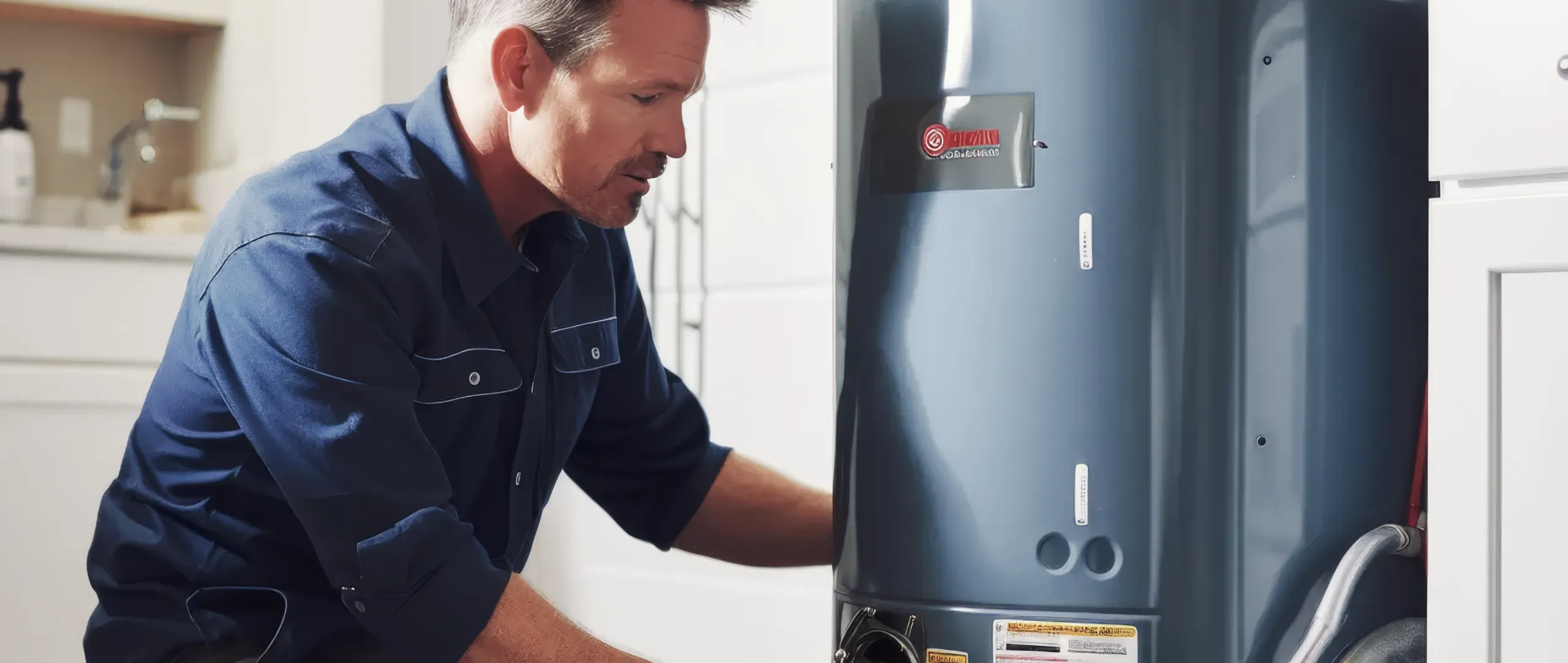
- Water Heaters: Your water heater is both a plumbing and HVAC system — it relies on water supply lines, gas or electricity, and often connects to your HVAC system for venting.
- Humidifiers & Condensate Drains: If you’ve got a whole-house humidifier or AC system, it’s tied directly to your plumbing. Condensate lines remove excess moisture — and if they clog, you’ll see water pooling or leaks near the furnace.
- Radiant Heat: Hydronic heating (water-based heat) uses plumbing lines and HVAC components to deliver warmth efficiently through floors or radiators.
Plumbing + Electrical
- Pumps and Sensors: Sump pumps, well pumps, and even your water heater rely on electrical power. A tripped breaker or faulty wiring can knock out water supply or drainage protection.
- Smart Plumbing Devices: Leak detectors, water shut-off valves, and smart water heaters need proper electrical connections — and good Wi-Fi coverage — to work as designed.
Plumbing is a system that depends on the other two to keep it running efficiently and safely.
2. Electrical: The Nervous System
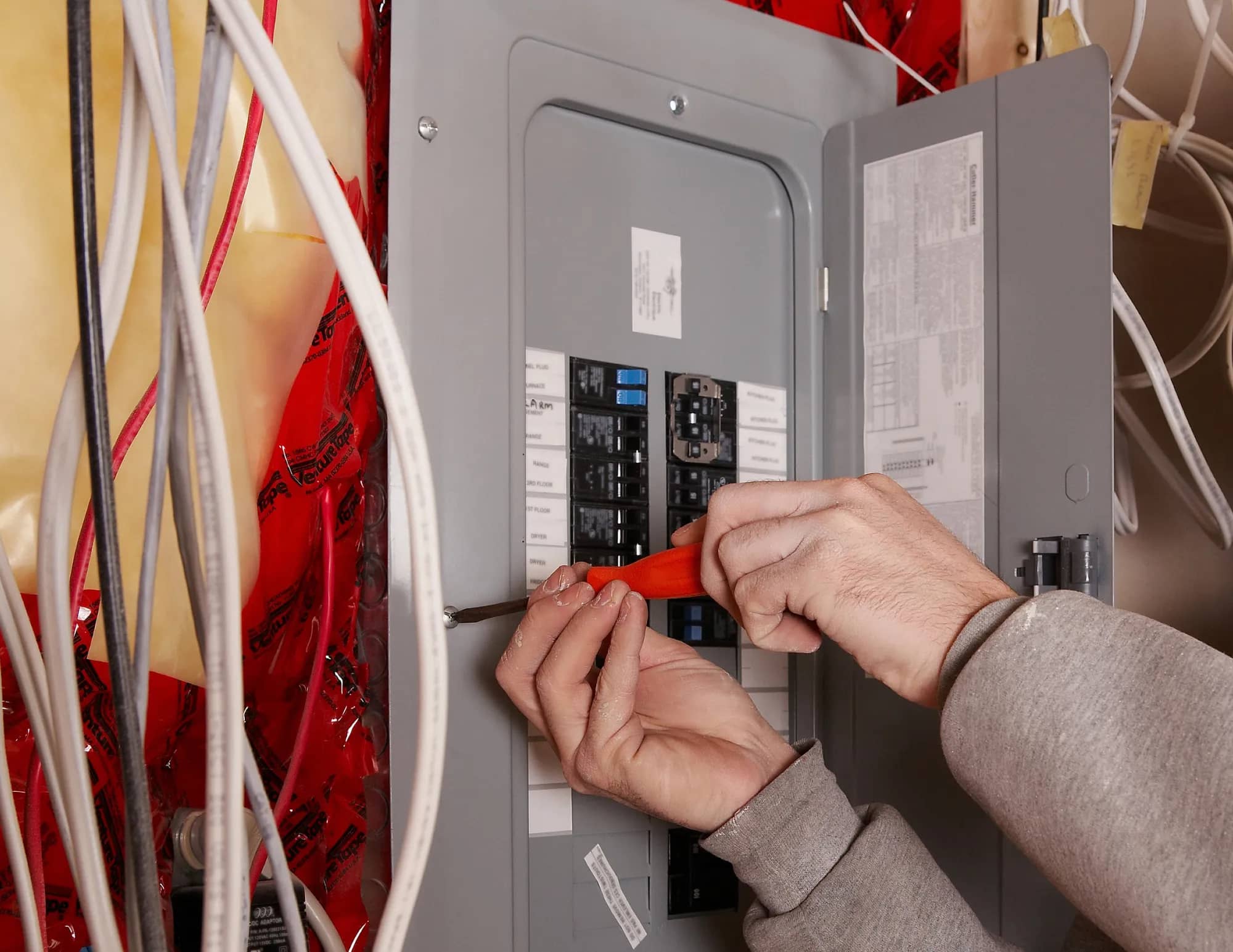
If plumbing is the circulatory system, your electrical system is the brain and nerves. It powers everything: lighting, outlets, HVAC equipment, water heaters, and more.
Every major appliance — and nearly every comfort system — runs on electricity in some way.
Electrical + HVAC
This one’s a biggie. Your entire heating and cooling setup depends on a properly sized and wired electrical system.
- Furnace Fans & Blowers: Even gas furnaces need electricity to power blowers and ignition systems.
- Air Conditioning Units: These pull serious amperage, and improper wiring can cause tripped breakers or damaged compressors.
- Thermostats: Smart thermostats and zoning systems rely on low-voltage electrical circuits — and need proper grounding and protection.
- Heat Pumps: Modern heat pumps are electric marvels — efficient, quiet, and sustainable — but only when wired correctly.
If your electrical panel is outdated, overloaded, or poorly grounded, your HVAC system will pay the price in performance and lifespan.
Electrical + Plumbing
Electricity and water don’t mix — and that’s exactly why coordination matters. A licensed electrician and plumber working together can prevent serious hazards:
- Bonding and Grounding: Water lines must be properly bonded to your home’s electrical system to avoid shock risk.
- Water Heater Circuits: Electric water heaters require dedicated breakers, properly rated wire, and safe GFCI protection.
- Bathroom and Kitchen Circuits: Plumbing-heavy spaces need GFCI outlets to protect against moisture and electrical shock.
In short: a well-planned electrical system doesn’t just power your home — it protects it.
3. HVAC: The Lungs of the House
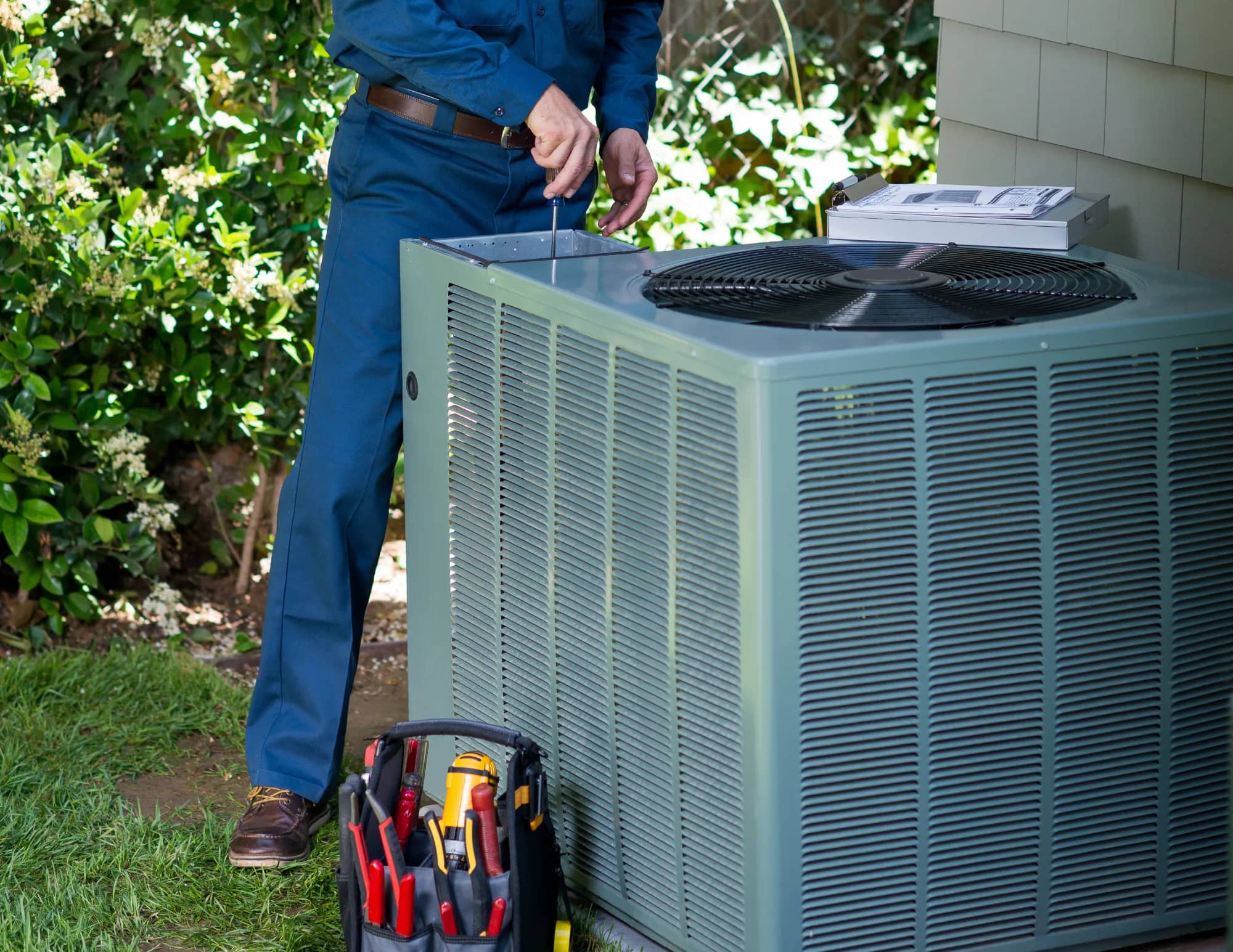
Your HVAC (Heating, Ventilation, and Air Conditioning) system controls your home’s comfort, efficiency, and air quality. It keeps things balanced — warm in winter, cool in summer, and breathable all year long.
HVAC + Plumbing
- Humidifiers and Dehumidifiers: Connected directly to plumbing lines to control humidity levels (a huge benefit in our dry Colorado Springs climate).
- Condensate Lines: Air conditioners and high-efficiency furnaces produce condensation — plumbing handles draining it safely away.
- Boilers and Hydronic Heat: These systems blur the line between HVAC and plumbing entirely — using water and gas to heat your home.
HVAC + Electrical
HVAC systems are power-hungry. Furnaces, AC compressors, and even fans depend on stable, adequate power to run efficiently.
- Breaker Compatibility: If your HVAC draws more power than your electrical panel can handle, breakers trip — or worse, wires overheat.
- Energy Efficiency: Smart thermostats, variable-speed motors, and new inverter systems depend on clean, steady electrical supply.
- Emergency Shutoffs: Electrical disconnects near outdoor condensers and furnaces are safety requirements that protect both technicians and homeowners.
Your HVAC system doesn’t just interact with plumbing and electrical — it relies on them.
Why Coordination Matters (Especially During Remodels)
Here’s where things often go sideways. You remodel a kitchen or basement, and the plumber, electrician, and HVAC tech each do their part — but nobody checks how their systems interact.
Result?
- Plumbing runs too close to electrical lines.
- HVAC ducts block access panels or wiring routes.
- Circuit loads get miscalculated because new systems were added later.
- Condensate drains get routed improperly and cause leaks behind finished walls.
That’s why at HOMEfix, we do things differently. Our teams aren’t separate departments that never talk — they’re one coordinated unit.
When we remodel a space or install a new system, we design it as one whole-home ecosystem.
Building (and Remodeling) Smarter
When planning a remodel, addition, or even a system upgrade, coordination between the trades saves time, money, and walls being opened up twice.
Here’s how it should go:
Step 1: Electrical Planning
Check panel capacity, dedicated circuits, and outlet placements. Add breakers if needed for HVAC or appliance upgrades.
Step 2: Plumbing Layout
Map out fixture locations, drain paths, and venting — keeping clear of electrical chases and mechanical duct runs.
Step 3: HVAC Design
Plan for airflow, duct placement, and condensate routing — ensuring electrical disconnects and plumbing tie-ins are accessible.
A coordinated plan ensures every system has space to breathe and function safely.
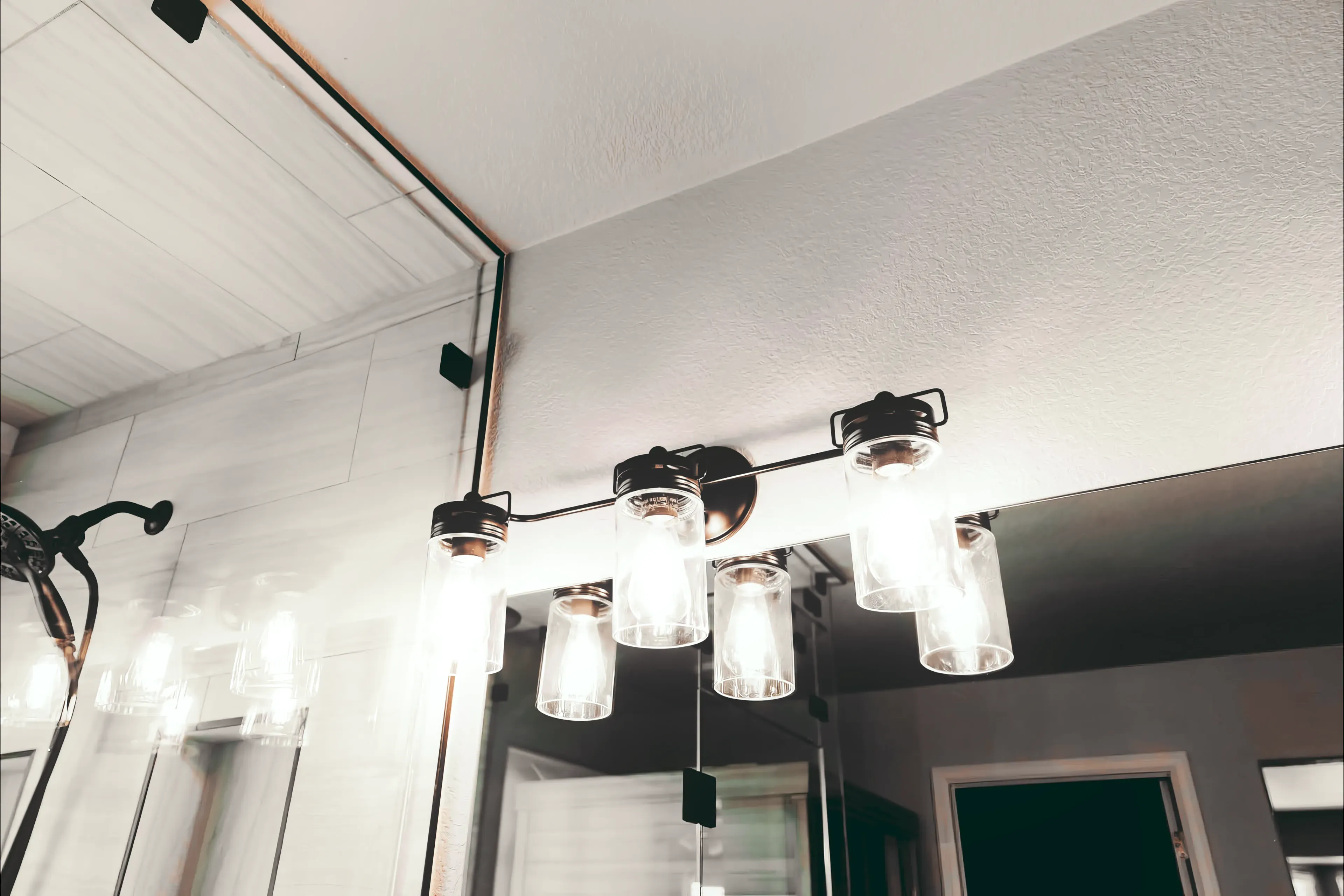
Modern Homes Demand Integration
Homes today are smarter, more efficient, and more complex than ever. Everything’s connected — literally.
- Smart thermostats talk to HVAC systems.
- Tankless water heaters modulate temperature using digital sensors.
- Whole-home generators monitor electrical demand.
- EV chargers draw heavy power loads that affect HVAC circuit balance.
These systems aren’t “plug and play” anymore. They’re networks — and networks need professionals who understand the big picture.
Why HOMEfix Takes the Whole-Home Approach
When one team installs your HVAC, another handles plumbing, and a third does electrical — you’re left hoping they all communicate. When they don’t? You get finger-pointing, expensive rework, and a house that doesn’t function quite right.
With HOMEfix, you get:
- Licensed experts in plumbing, electrical, and HVAC — all under one roof.
- Integrated project management so no system is an afterthought.
- Local experience with Colorado Springs homes — from older Broadmoor properties to new builds in Flying Horse.
- Accountability: If something goes wrong, you’re not chasing three companies. You call us, and we make it right.
It’s a simpler, smarter way to keep your home running right.
Final Thoughts
Your plumbing, electrical, and HVAC systems don’t live in separate worlds. They’re parts of one living, breathing ecosystem — your home.
When they’re designed, installed, and maintained as a team, you get:
- Fewer breakdowns
- Lower utility bills
- Better comfort
- Longer equipment lifespan
- And fewer “surprise” costs later on
At the end of the day, integration isn’t just about convenience — it’s about peace of mind.
And if you’re a Colorado Springs homeowner looking for that peace of mind? You already know who to call.