Do Older Homes in Colorado Springs Need HVAC Upgrades Before Remodeling?
Short answer? Often—yes.
Long answer? It depends on the home, the remodel, and what you expect your house to do when the project is done.
Colorado Springs has a huge inventory of older homes, many built long before modern HVAC standards existed. And when you remodel one without addressing heating and cooling, problems tend to surface fast.
Why Remodeling Changes HVAC Needs
A remodel changes how your home behaves:
- Walls get opened
- Insulation gets disturbed
- Layouts change
- Square footage increases
- Airflow patterns shift
Your HVAC system doesn’t care how pretty the new kitchen looks—it only cares whether it can heat and cool the space effectively.
Many older systems simply weren’t designed for modern layouts or expectations.
Common HVAC Issues in Older Colorado Springs Homes
We see the same problems over and over:
- Undersized furnaces
- Ductwork designed for closed-off rooms
- Poor airflow to additions or basements
- Inadequate return air
- Aging equipment near end-of-life
- No zoning or temperature control
Remodeling without addressing these often leads to:
- Hot and cold spots
- Noisy systems
- Higher energy bills
- Comfort complaints after the remodel is “done”
Climate Matters Here
Colorado Springs isn’t mild. We deal with:
- Cold winters
- Big temperature swings
- Dry air
- High elevation
That means HVAC systems work harder—and mistakes show up faster.
If your system already struggles before remodeling, it almost certainly won’t perform better afterward.
When an Upgrade Is Strongly Recommended
You should seriously consider HVAC upgrades if:
- Your system is 15–20+ years old
- You’re finishing a basement
- You’re opening walls or ceilings
- You’re changing the layout significantly
- You’re adding square footage
- You want better comfort or efficiency
Ignoring HVAC during these projects often costs more later—when walls are closed and access is gone.
Remodels Are the Best Time to Fix HVAC
Here’s the upside: remodeling is actually the best time to address HVAC.
Why?
- Walls and ceilings are already open
- Ductwork is accessible
- Layout changes can be planned properly
- Systems can be sized correctly
- You avoid tearing things up twice
Trying to retrofit HVAC after a remodel is finished is usually more expensive and more disruptive.
It’s Not Always Full Replacement
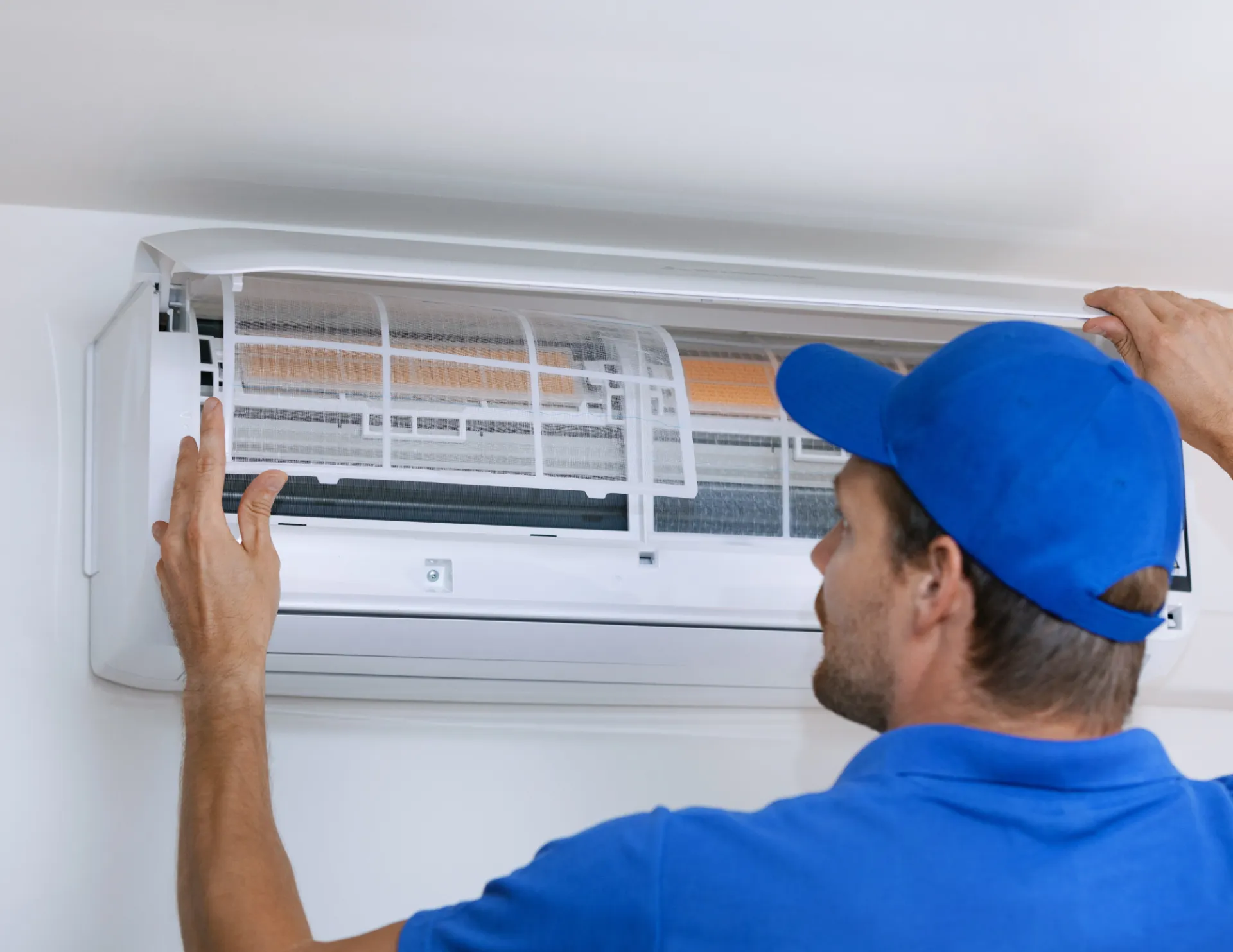
Not every home needs a full system replacement.
Sometimes the solution is:
- Adding duct runs
- Improving return air
- Installing zoning
- Upgrading thermostats
- Improving insulation and air sealing
A good contractor evaluates the whole system, not just the equipment.
How HVAC Impacts Remodel Success
You can install the nicest finishes in the world—but if the house is uncomfortable, the remodel will always feel unfinished.
Comfort is what homeowners notice every single day:
- Even temperatures
- Quiet operation
- Reliable heating and cooling
- Reasonable energy bills
That’s why HVAC upgrades often deliver more satisfaction than visible upgrades alone.
Final Thoughts
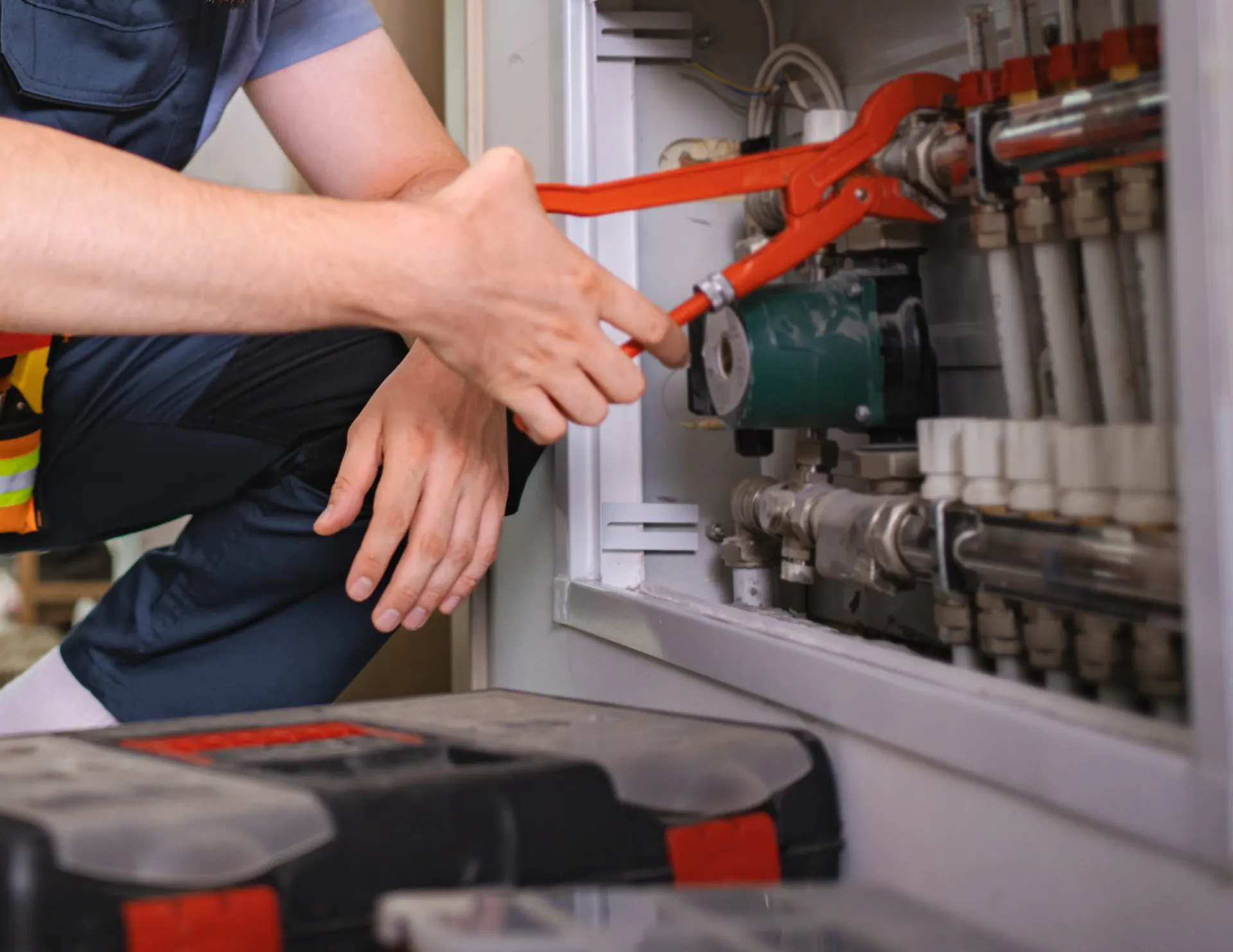
Older homes in Colorado Springs don’t automatically need HVAC upgrades—but many benefit significantly from them, especially during remodeling.
If you want your remodel to:
- Feel comfortable year-round
- Function as intended
- Age well
- Avoid future tear-outs
Then HVAC deserves a seat at the planning table early—not as an afterthought.
A remodel should improve how your home lives, not just how it looks.