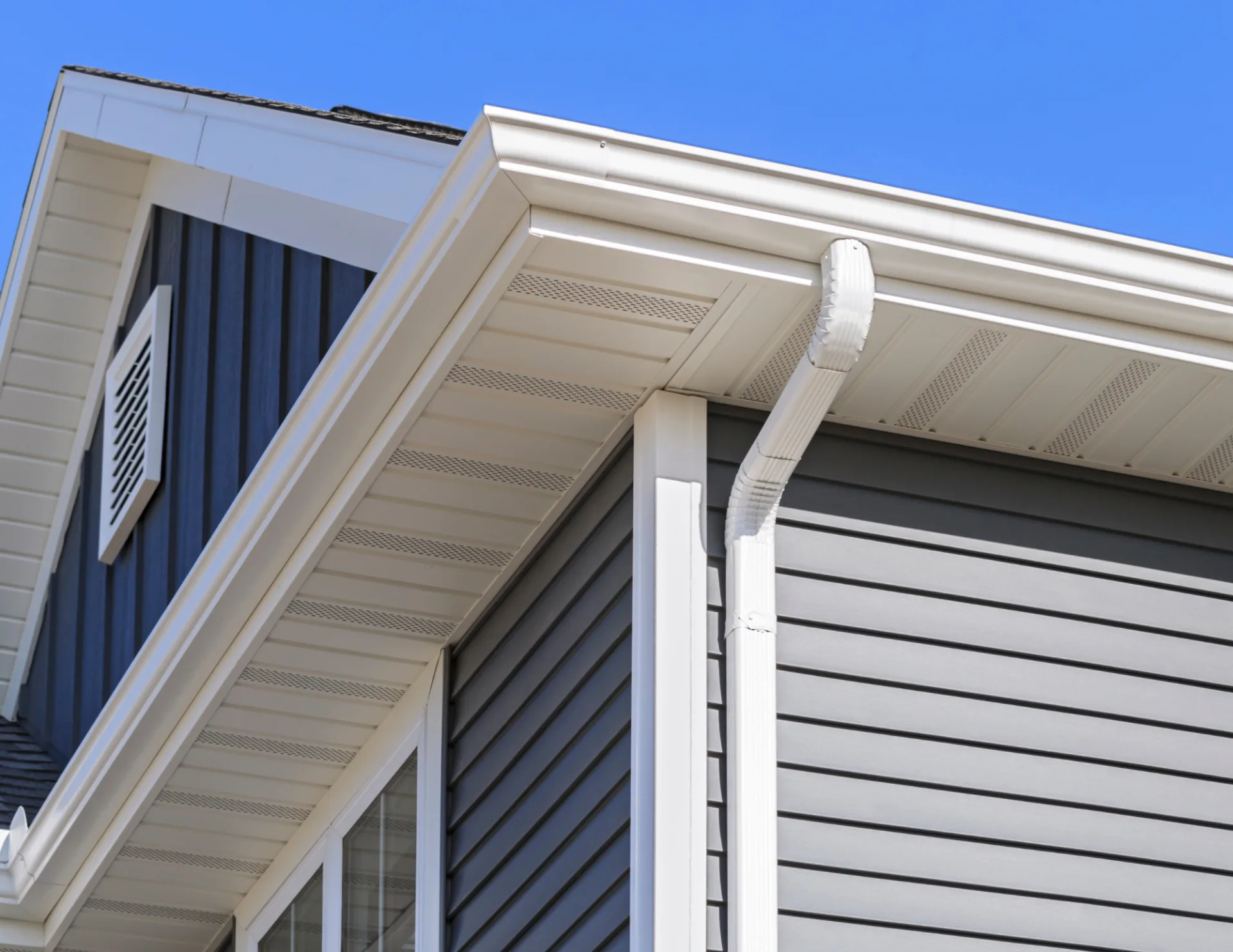
Colorado weather is beautiful.
Until you own a roof here.
Living in Colorado Springs means dealing with dramatic temperature swings, intense UV exposure, hailstorms, wind, snow, ice, and sudden seasonal changes—all of which quietly impact your roofing system year after year.
And most homeowners don’t realize how much damage happens long before leaks appear.
That’s because roofs rarely fail all at once.
Instead, Colorado weather slowly wears roofing materials down over time until small weaknesses eventually turn into major problems.
A few missing granules.
A lifted shingle.
A tiny crack in flashing.
A little hail bruising.
Individually, those issues may seem minor.
But together? They shorten roof lifespan, increase the risk of leaks, reduce energy efficiency, and lead to expensive repairs.
Here’s how Colorado weather actually affects your roof—and what homeowners should be paying attention to.
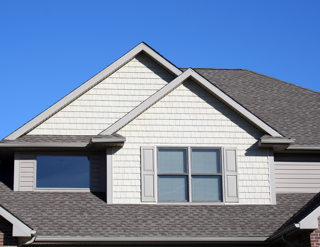
Colorado Roofs Take More Abuse Than Most Homeowners Realize
Roofing materials naturally age over time.
But Colorado accelerates that aging process.
Our climate creates repeated stress on roofing systems in ways many other regions don’t experience.
The biggest culprits are:
- Hail
- UV exposure
- Wind
- Snow accumulation
- Freeze-thaw cycles
- Rapid temperature changes
And because roofs are “out of sight, out of mind,” damage often goes unnoticed until it reaches the interior of the home.
Hail Damage Is More Serious Than It Looks
Colorado homeowners are familiar with hail season.
But many assume roof damage only matters if shingles are visibly destroyed.
That’s not always true.
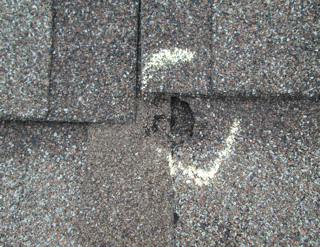
Even moderate hail impacts can:
- Knock protective granules loose
- Bruise asphalt shingles
- Crack materials
- Expose underlying layers
- Accelerate deterioration
The roof may still appear “fine” from the ground.
But once protective granules wear away, shingles become far more vulnerable to UV exposure and moisture intrusion.
Over time, that dramatically reduces roof lifespan.
→ Read: How Materials Age: Lifespans of Roofing, Flooring, and More
UV Exposure Quietly Breaks Roofing Materials Down
One of the most underestimated threats to Colorado roofs is sunlight.
Because of Colorado’s elevation, UV exposure here is significantly stronger than in many other parts of the country.
That constant UV exposure dries roofing materials out over time.
Shingles become:
- Brittle
- Cracked
- Less flexible
- More vulnerable to wind damage
Sealants and flashing also deteriorate faster under prolonged sun exposure.
This is especially noticeable on older roofs or south-facing slopes that receive direct sunlight most of the day.
Freeze-Thaw Cycles Create Hidden Damage
Colorado weather loves temperature swings.
A warm afternoon followed by a freezing night creates expansion and contraction throughout roofing materials.
Water enters tiny openings.
Temperatures drop.
Water freezes and expands.
Materials crack further.
This process repeats constantly throughout winter and spring.
Over time, small vulnerabilities grow into:
- Leaks
- Flashing failures
- Ice dam issues
- Structural moisture damage
And because much of this happens beneath the surface, homeowners often don’t notice until water appears indoors.
Wind Damage Is More Common Than People Think
Colorado Springs regularly experiences strong winds.
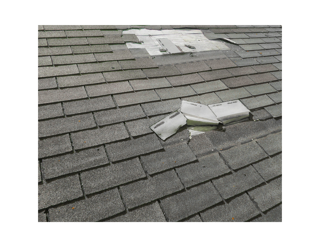
Even when shingles don’t blow completely off, wind can:
- Loosen shingles
- Lift edges
- Break seals
- Expose nail lines
- Shift flashing
Once seals are compromised, moisture can begin entering beneath the roofing system.
That’s why roofs often develop leaks months after a major storm—not necessarily during it.
Snow and Ice Put Additional Stress on Roofs
Snow itself isn’t always the problem.
The bigger issue is what happens when snow melts and refreezes.
Ice dams can form near roof edges, trapping water underneath shingles.
Meanwhile, prolonged moisture exposure increases the risk of:
- Rot
- Mold
- Insulation damage
- Ceiling stains
Older roofs and poorly ventilated attics are especially vulnerable.
Why Roofing Problems Often Go Undetected
Most homeowners only think about the roof when:
- A leak appears
- Shingles blow off
- Insurance gets involved
But roofing systems usually deteriorate gradually.
The early warning signs are subtle:
- Granules in gutters
- Slight discoloration
- Curling shingles
- Loose flashing
- Minor lifting
- Moss or moisture staining
Unfortunately, those subtle signs are also the easiest to ignore.
How Roof Damage Affects the Rest of Your Home
Roof issues don’t stay isolated for long.
A compromised roof can affect:
- Attic insulation
- Energy efficiency
- Interior drywall
- Framing
- Ventilation
- Indoor air quality
Moisture intrusion creates a chain reaction throughout the home.
That’s why small roofing repairs are often dramatically cheaper than delayed ones.
→ Read: The Most Expensive Home Repairs Start Small
Signs Your Roof May Be Struggling
Some common signs homeowners should watch for:
Rising Energy Bills
Roof ventilation and insulation issues can impact HVAC efficiency.
Ceiling Discoloration
Even small stains can indicate active moisture intrusion.
Missing Granules
Granules in gutters often indicate aging shingles.
Curling or Cracking Shingles
Usually signs of UV deterioration and aging.
Sagging Areas
Can point toward trapped moisture or structural weakening.
Drafts or Uneven Temperatures
Roof ventilation issues affect indoor comfort too.
The Importance of Roof Inspections in Colorado
In Colorado, preventative roof inspections matter more than many homeowners realize.
Especially after:
- Hailstorms
- Windstorms
- Heavy snow seasons
- Major temperature swings
The goal isn’t just finding active leaks.
It’s identifying vulnerabilities before moisture reaches the interior of the home.
Because once interior damage begins, repair costs rise quickly.
Roofing Materials Matter in Colorado
Not all roofing systems perform equally here.
Colorado homes benefit from roofing materials designed for:
- Impact resistance
- UV resistance
- Wind durability
- Thermal flexibility
Many homeowners now prioritize:
- Class 4 impact-resistant shingles
- Metal roofing systems
- Improved attic ventilation
- Better underlayment systems
The right roofing material can significantly improve long-term durability in Colorado’s climate.
Why Maintenance Extends Roof Lifespan
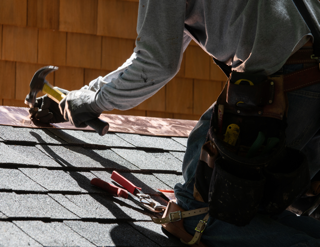
A well-maintained roof almost always lasts longer.
Maintenance helps:
- Catch flashing failures early
- Prevent moisture buildup
- Reduce ventilation problems
- Identify hail damage sooner
- Preserve shingle integrity
Even simple preventative attention can add years to a roofing system’s lifespan.
Final Thoughts
Colorado weather is hard on roofs.
Not because of one single storm—but because of constant exposure over time.
UV radiation.
Hail impacts.
Freeze-thaw cycles.
Wind.
Snow.
Rapid weather swings.
All of it slowly wears roofing systems down.
And most major roofing problems start long before homeowners notice obvious signs of damage.
At HOMEfix, we’ve seen how quickly small roofing issues can escalate when left unchecked—and how much money homeowners save when problems are caught early.
Because protecting your roof isn’t just about shingles.
It’s about protecting everything underneath them too.