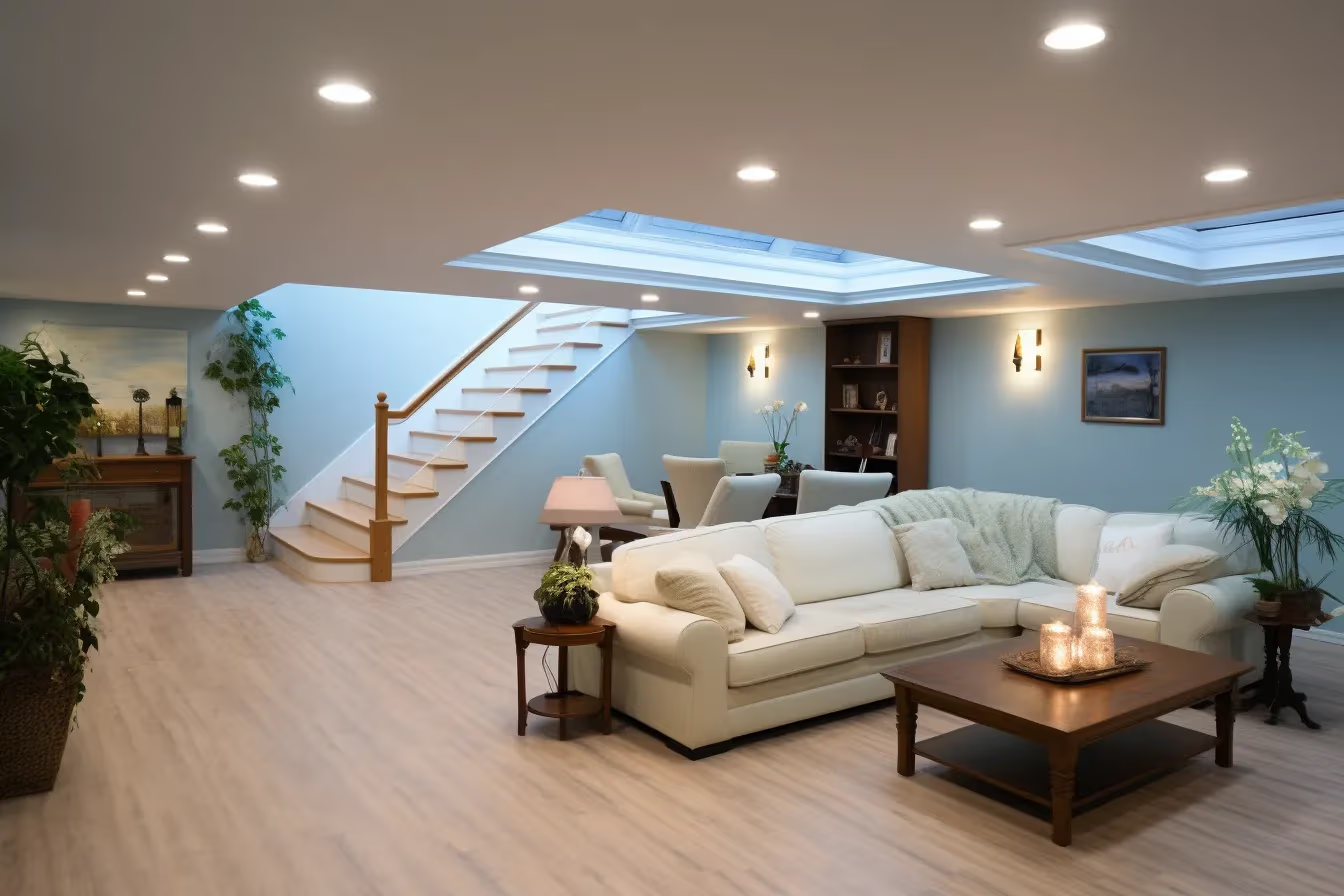
Most homeowners assume that if a room feels small, the only fix is to add square footage. But that’s not always true. Sometimes, the way you light a space has just as much impact as the floor plan.
At HOMEfix, we’ve seen countless small rooms—powder baths, galley kitchens, tight basements—go from cramped to comfortable just by rethinking the lighting. You can’t magically stretch your walls, but you can trick the eye and create an airy, more open feel with the right layout.
Why Lighting Changes How a Room Feels
Light does more than brighten a room—it defines how we see it. A poorly lit space draws attention to shadows, corners, and low ceilings. On the flip side, layered light can wash out harsh edges, highlight depth, and create balance.
Think of lighting as architecture you don’t have to build. The right placement can “raise” a ceiling, “widen” a wall, or make a room feel taller.
Three Lighting Mistakes That Make Small Rooms Feel Smaller
Before we talk about fixes, let’s look at what usually goes wrong:
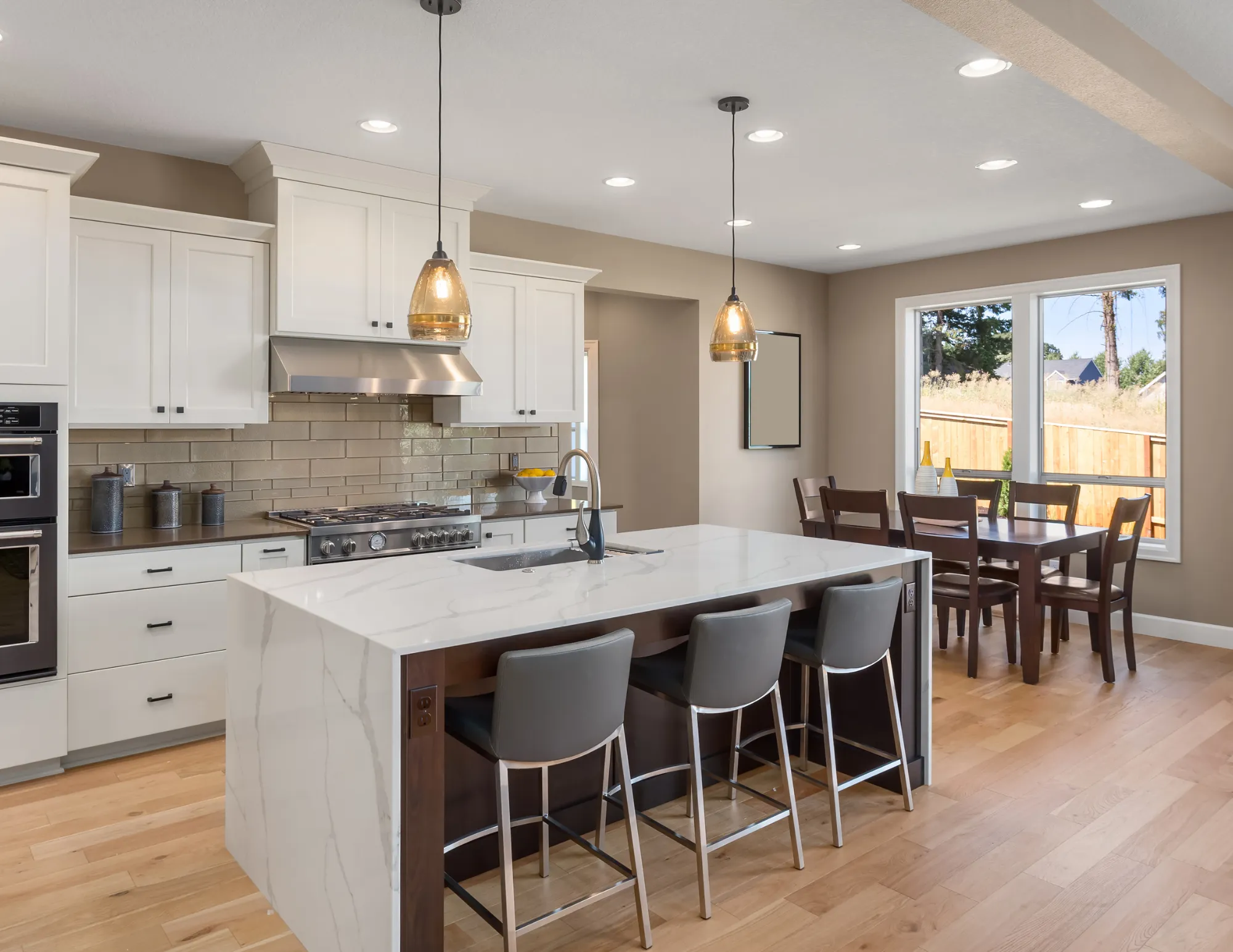
One lonely overhead light
A single ceiling fixture creates shadows in corners and emphasizes how tight the space is.
Too much direct downlighting
Recessed lights (can lights) are great, but when they’re the only source, they throw unflattering light straight down.
Ignoring layers
Every room needs a mix: ambient (general), task (functional), and accent (decorative). Skip any one of those, and you lose depth.
How Can Lights Help a Small Room?
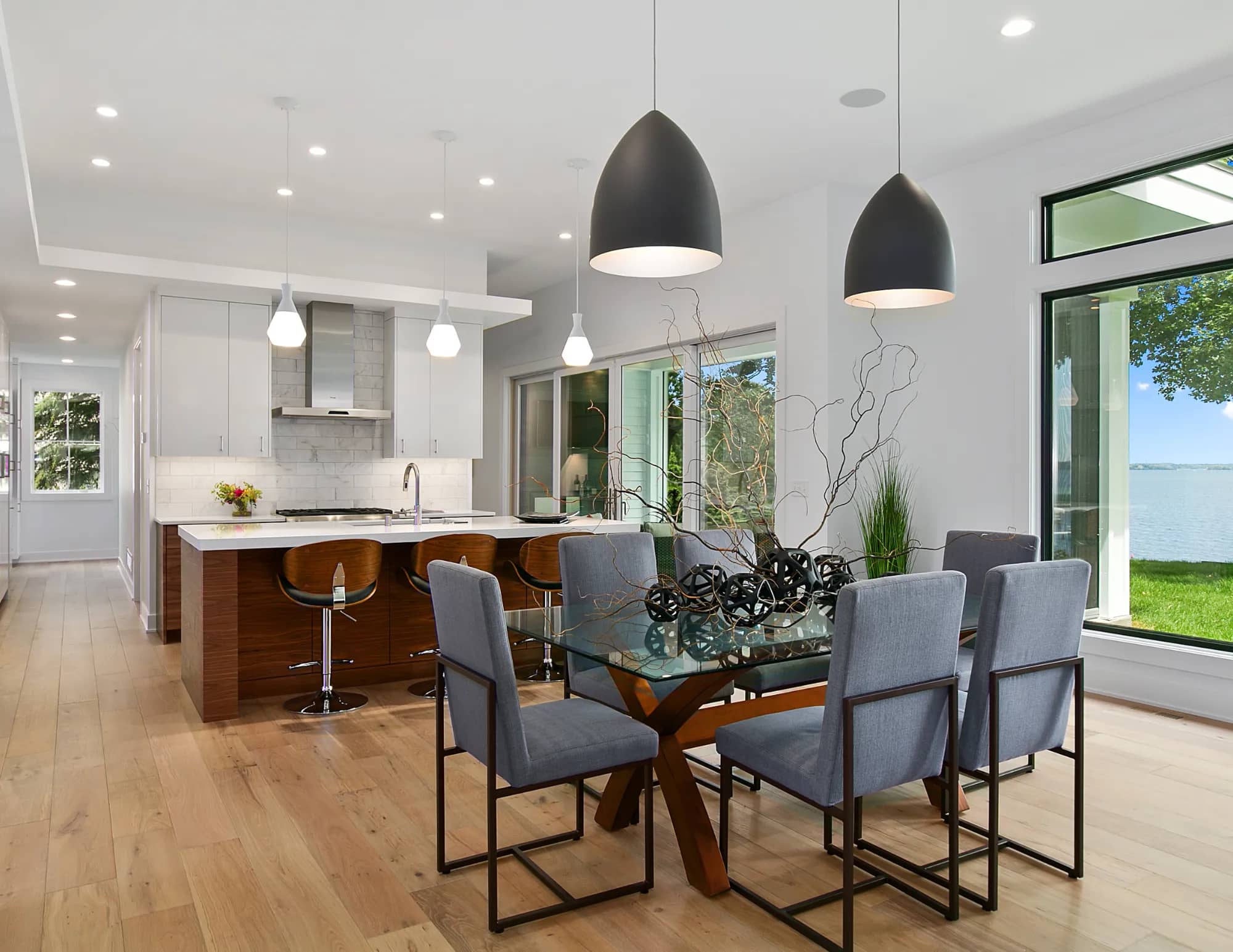
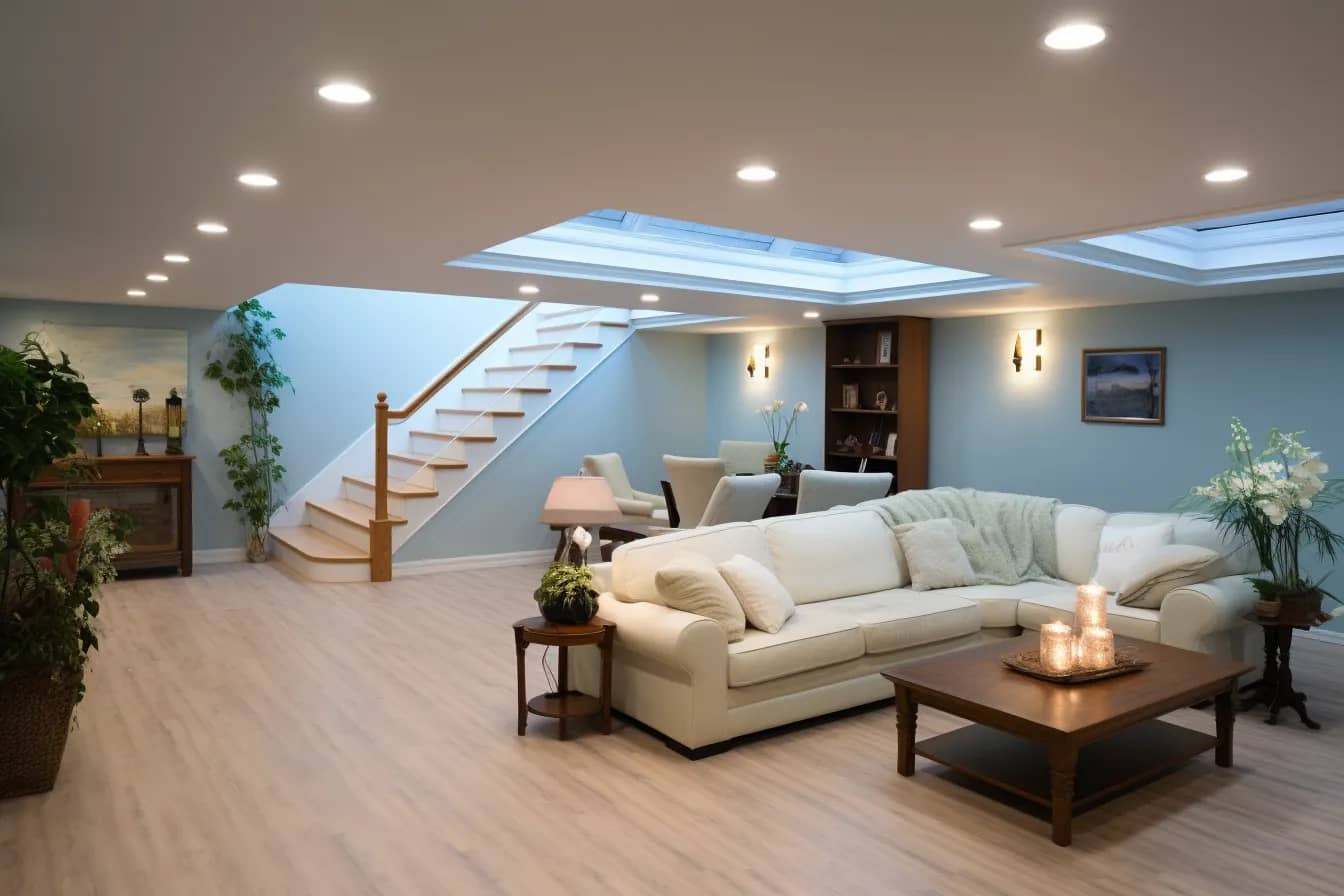
Recessed can lights, when laid out properly, are one of the best tricks for small spaces. Here’s how they work in your favor:
Even distribution: Spacing cans about 4–6 feet apart keeps light consistent across the room. That prevents dark corners that make walls feel like they’re closing in.
Ceiling lift: Wash the ceiling with light and suddenly it feels higher than it really is.
Wall washing: By aiming light toward walls, you create an illusion of width and depth.
We often recommend a grid layout in tight living rooms, or perimeter cans in bathrooms and kitchens, depending on the size and function of the space.
Don’t Stop at Cans: Layer Your Light
Even in a small room, you need more than one type of fixture. A good layout usually combines:
- Recessed lights for overall brightness.
- Wall sconces to soften and widen narrow rooms.
- Under-cabinet lighting in kitchens to keep counters usable without relying only on overheads.
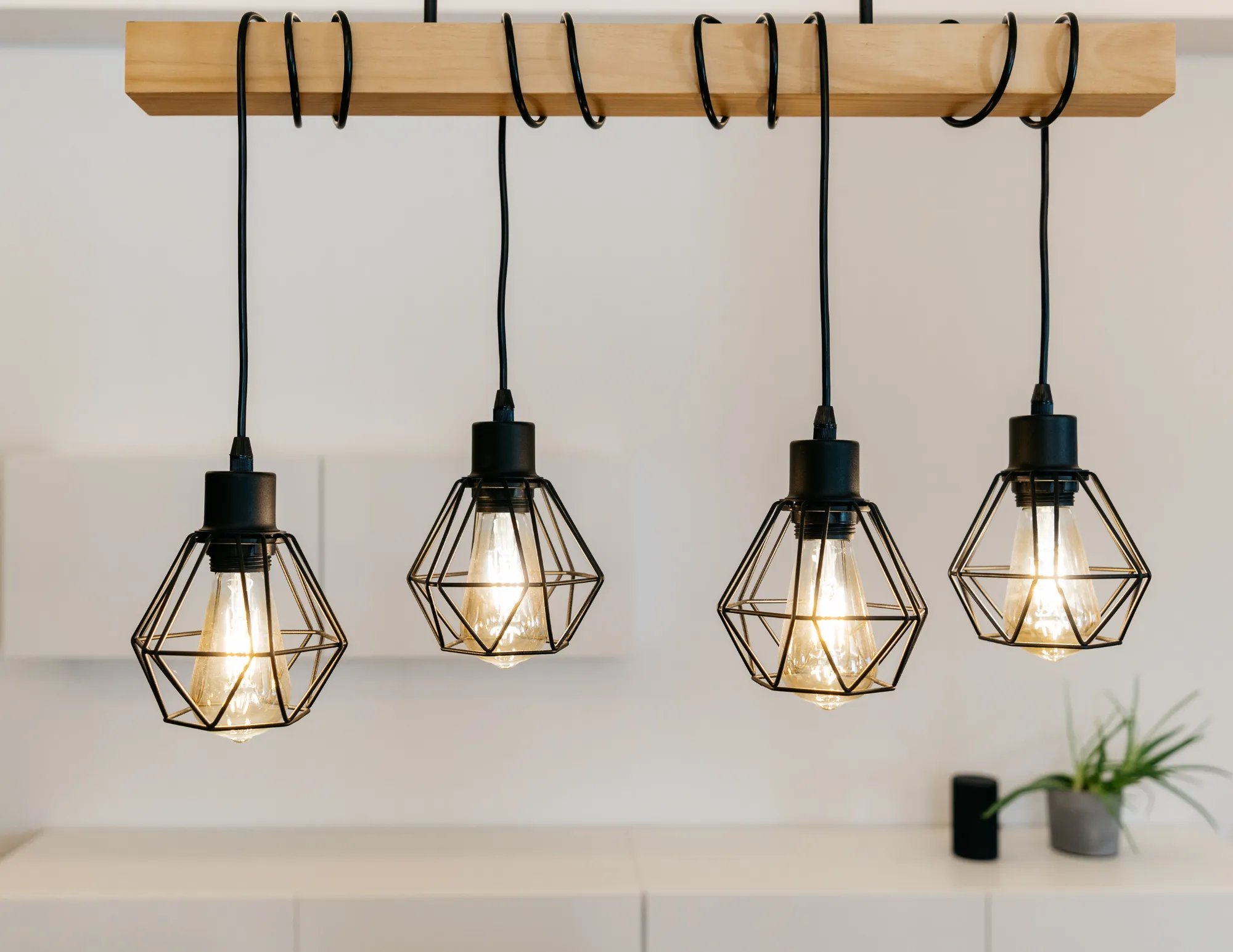
- Floor or table lamps for flexibility and warmth.
This is what gives the room dimension instead of making it look flat and sterile.

Color Temperature & Bulb Choice Matter
A detail most homeowners don’t think about: the type of light bulb. Cool white light (5000K) can make a small room feel stark and clinical. Warm light (2700K–3000K) creates coziness, but too warm can feel dim. For most Colorado homes, we recommend 3000K LEDs—neutral, bright, but still inviting.
Final Thoughts
Lighting is one of the cheapest, smartest ways to make a small room feel bigger. You don’t always need to move walls or add windows. Sometimes, all it takes is a thoughtful lighting plan that layers recessed cans with accent fixtures.
If you’re remodeling, don’t leave lighting as an afterthought. It should be part of your design from day one. Done right, it changes everything about how you experience the room.