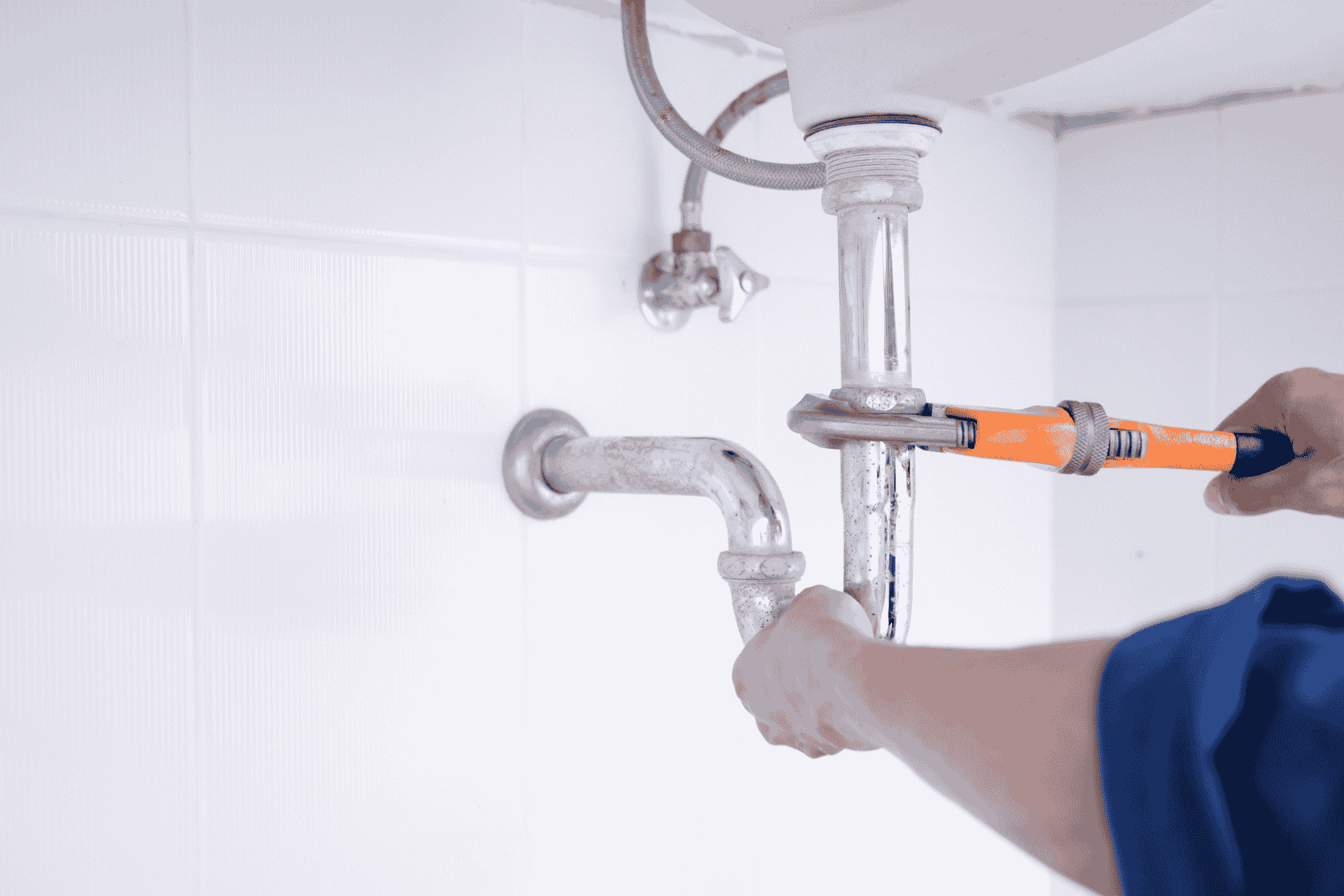
Most plumbing problems don’t start with a flood.
They start with something easy to dismiss.
A faucet that drips.
A toilet that runs.
A drain that empties a little slower than it used to.
A small puddle under the water heater.
At first, these problems seem minor—more annoying than urgent.
But in homeownership, small issues have a habit of becoming expensive ones.
Water is one of the most destructive forces inside a home. Unlike obvious damage, plumbing problems often happen quietly and out of sight until they become impossible to ignore.
That’s why paying attention to early warning signs matters.
Whether your goal is avoiding emergency repairs, protecting your home, or simply staying ahead of maintenance, here are seven plumbing problems homeowners should never ignore.
Why Plumbing Problems Get Expensive Fast
Unlike cosmetic issues, plumbing problems usually don’t stay contained.
Water moves.
It spreads behind walls, under flooring, inside cabinets, and into structural materials.
A minor leak today can eventually lead to:
- Water damage
- Mold growth
- Cabinet replacement
- Flooring repairs
- Drywall replacement
- Higher utility bills
- Major restoration work
The sooner plumbing issues are identified, the more options homeowners typically have.
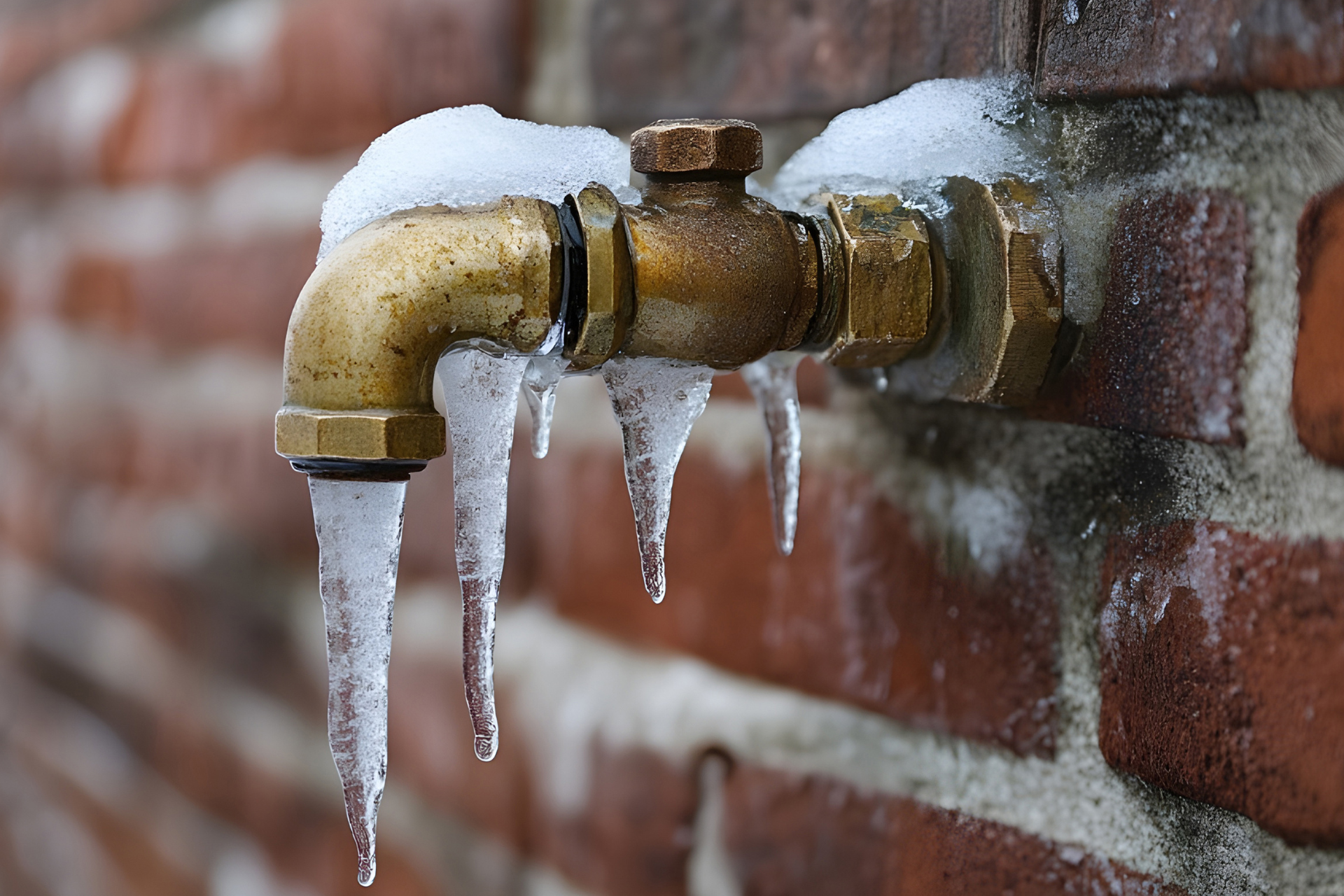
1. Low Water Pressure
Low water pressure is one of the most common complaints homeowners experience.
Sometimes it happens gradually.
Sometimes it seems to appear overnight.
You may notice:
- Weak shower pressure
- Slow sink flow
- Appliances taking longer to run
- Multiple fixtures losing pressure simultaneously
Common causes include:
- Hidden leaks
- Mineral buildup
- Pipe corrosion
- Faulty valves
- Pressure regulator issues
While reduced pressure might feel like a minor inconvenience, it can signal larger system concerns.
If pressure changes suddenly—or continues getting worse—it’s worth investigating.
2. Slow Drains Throughout the House
One slow drain usually points to a localized blockage.
Several slow drains at once can indicate something bigger.
Watch for:
- Multiple slow fixtures
- Gurgling sounds
- Bubbling toilets
- Standing water
- Sewer odors
Possible causes include:
- Drain buildup
- Main line issues
- Venting concerns
- Root intrusion
Homeowners often rely on chemical drain cleaners repeatedly.
Unfortunately, these products don’t always solve the underlying problem.
Consistent drainage issues deserve professional attention.
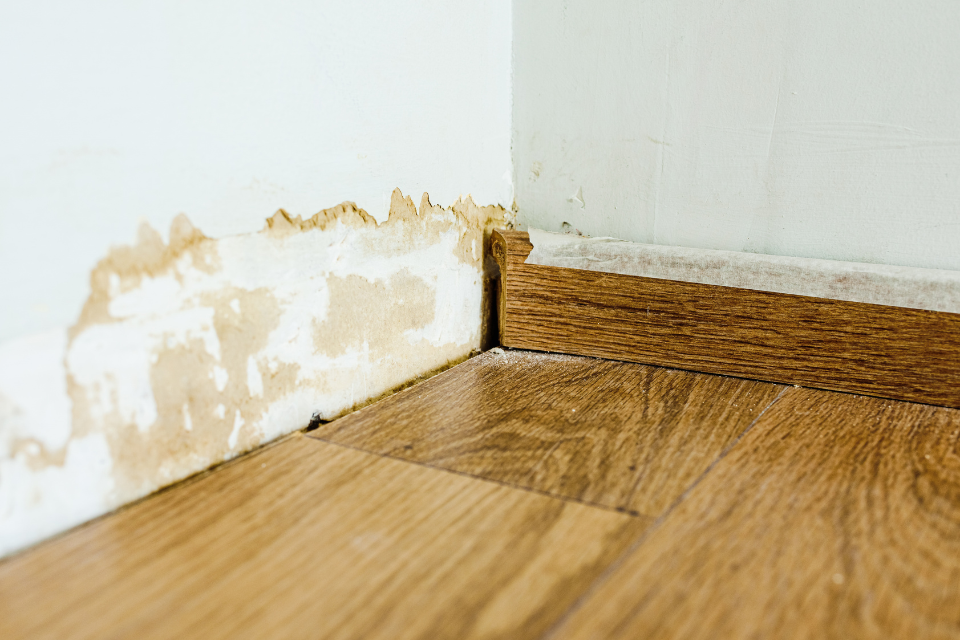
3. Water Stains or Discoloration
One of the easiest plumbing issues to overlook is discoloration.
You may notice:
- Ceiling stains
- Bubbling paint
- Warped trim
- Soft drywall
- Cabinet swelling
Many homeowners assume these are cosmetic issues.
Often, they’re signs of moisture.
And moisture usually has a source.
Leaks hidden behind walls can continue for months before becoming obvious.
4. A Water Heater That Isn’t Performing Like It Used To
Water heaters tend to fail gradually.
Common warning signs include:
- Running out of hot water
- Strange sounds
- Rust-colored water
- Leaks
- Rising energy bills
Homeowners often wait until they lose hot water entirely.
Unfortunately, emergency replacement isn’t always ideal.
Paying attention to changes early creates more options.
Read: Signs Your Water Heater is Nearing the End of its Life
5. Constantly Running Toilets
A running toilet seems harmless.
But over time, it can waste surprising amounts of water.
Potential causes include:
- Flapper problems
- Fill valve issues
- Internal wear
- Water level imbalance
Many homeowners tune out the sound because it becomes background noise.
Meanwhile, utility bills slowly increase.
Small repairs often restore performance quickly.
6. Dripping Faucets
A drip may not seem urgent.
But over time:
- Water usage increases
- Fixtures wear faster
- Moisture accumulates
- Mineral buildup develops
Drips may indicate:
- Worn seals
- Valve concerns
- Fixture aging
- Pressure issues
Ignoring them rarely improves the situation.
7. Hidden Leaks
Some plumbing issues never become obvious.
Hidden leaks are among the most expensive because they can continue unnoticed.
Signs include:
- Unexpected water bills
- Musty smells
- Warm floor spots
- Mold growth
- Damp materials
- Unexplained staining
The longer hidden leaks remain active, the greater the repair potential.
Repair or Replace?
One of the biggest homeowner questions:
Should I repair—or replace?
Generally:
Repair may make sense when:
- The issue is isolated
- Fixtures are newer
- Costs remain manageable
Replacement may make sense when:
- Problems repeat
- Materials are aging
- Multiple repairs are adding up
The goal isn’t always fixing today’s problem.
It’s preventing tomorrow’s.
How Preventative Plumbing Maintenance Helps
Routine maintenance helps homeowners:
- Catch leaks early
- Extend fixture life
- Improve efficiency
- Reduce emergency calls
- Protect finishes and structure
A little attention now often prevents major disruption later.
Plumbing Problems and Utility Bills
Plumbing impacts more than convenience.
It can influence:
- Water usage
- Energy consumption
- Appliance performance
Water heaters, leaks, and inefficient fixtures all affect monthly costs.
Questions Homeowners Should Ask
- Has anything changed recently?
- Are water bills increasing?
- Is hot water becoming inconsistent?
- Have repairs become frequent?
- Does something feel “off” even if it still works?
Trusting those early warning signs often pays off.
Final Thoughts
Most plumbing emergencies don’t appear out of nowhere.
There are usually clues.
The key is paying attention before small issues become expensive repairs.
Whether it’s a slow drain, hidden leak, aging water heater, or unexplained water bill increase, taking action early helps protect your home and avoid unnecessary stress.
At HOMEfix, we believe maintenance and proactive improvements are some of the best investments homeowners can make.
Because when it comes to plumbing, waiting rarely makes things cheaper.