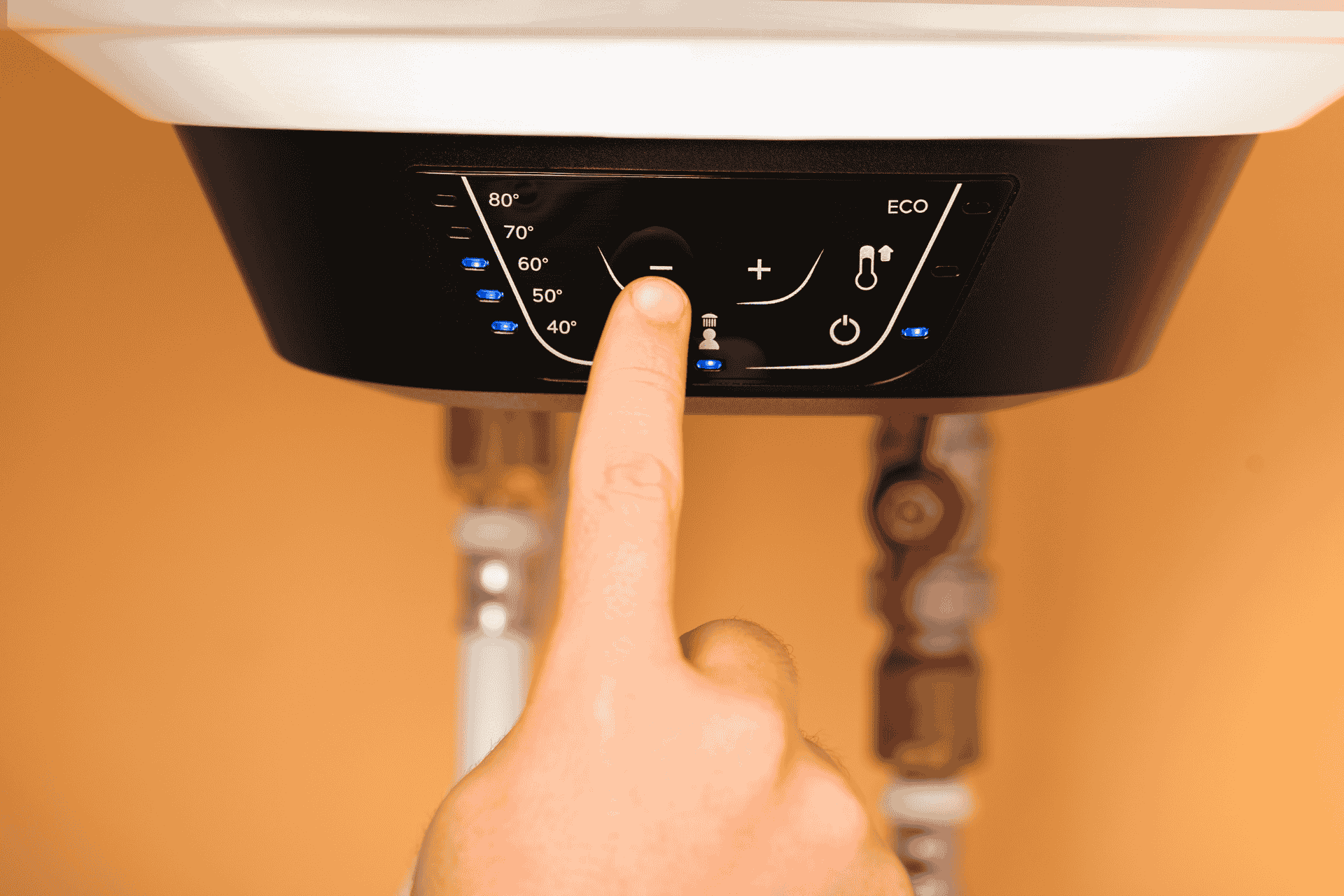
Most homeowners don't think much about their water heater—until they suddenly don't have hot water.
Unlike a leaky faucet or a noisy HVAC system, water heaters tend to work quietly in the background. Day after day, they provide hot water for showers, laundry, dishwashing, and countless other household tasks without much attention.
That's exactly why water heater problems can catch homeowners off guard.
One day everything seems normal. The next, you're standing in a cold shower wondering what happened.
The reality is that most water heaters don't fail without warning. In many cases, they provide subtle signs that they're nearing the end of their lifespan long before a complete breakdown occurs.
Knowing what to look for can help you avoid unexpected disruptions, costly water damage, and emergency replacement situations.
Whether you have a traditional tank water heater or are considering upgrading to a tankless system, here are seven signs your water heater may be telling you it's time for a replacement.

How Long Does a Water Heater Last?
Before diving into the warning signs, it's helpful to understand the typical lifespan of a water heater.
Most traditional tank water heaters last:
- Approximately 8 to 12 years
- Sometimes longer with proper maintenance
- Potentially shorter depending on water quality and usage
Tankless water heaters often last significantly longer, sometimes exceeding 20 years with regular maintenance.
However, age alone isn't the only factor.
Several variables can impact lifespan, including:
- Water quality
- Sediment buildup
- Maintenance history
- Household demand
- Installation quality
- Frequency of use
Understanding your system's age is often the first step in determining whether replacement should be on your radar.
Sign #1: Your Water Heater Is More Than 10 Years Old
Age doesn't automatically mean failure.
However, once a traditional tank water heater reaches the 10-year mark, homeowners should begin paying closer attention to performance.
As systems age:
- Internal components wear down
- Efficiency decreases
- Corrosion risk increases
- Repair frequency often rises
Even if your water heater appears to be functioning normally, an aging system is more likely to develop problems than a newer unit.
Many homeowners choose to proactively replace older water heaters rather than risk an unexpected failure.
Why?
Because a planned replacement is almost always less stressful than an emergency replacement.
Sign #2: You're Running Out of Hot Water Faster Than You Used To
One of the most common complaints homeowners notice is reduced hot water capacity.
Maybe your family used to enjoy multiple showers without issue.
Now someone gets stuck with cold water.
Or perhaps your dishwasher and washing machine seem to drain the supply much faster than they once did.
This often indicates declining performance inside the tank.
Common causes include:
- Sediment buildup
- Heating element issues
- Aging components
- Reduced tank efficiency
Over time, mineral deposits collect at the bottom of the tank.
This sediment takes up valuable space and makes it harder for the system to heat water efficiently.
As buildup increases, available hot water decreases.
Many homeowners assume this is simply something they have to live with.
In reality, it may be a warning sign that the water heater is nearing the end of its useful life.
Sign #3: Your Energy Bills Keep Increasing
An aging water heater often becomes less efficient over time.
As sediment accumulates and internal components wear out, the unit must work harder to produce the same results.
That extra effort frequently shows up on utility bills.
If you've noticed:
- Rising energy costs
- Longer heating cycles
- Increased utility usage
your water heater could be contributing to the problem.
Older systems often consume significantly more energy than newer models.
Modern water heaters typically offer:
- Improved insulation
- Better efficiency ratings
- Enhanced performance
- Lower operating costs
Sign #4: Strange Noises Are Coming From the Tank
Water heaters aren't completely silent.
However, loud or unusual sounds should never be ignored.
Common noises include:
- Rumbling
- Popping
- Cracking
- Banging
These sounds are often caused by sediment buildup inside the tank.
As water heats beneath hardened mineral deposits, pressure and steam can create noise.
Over time, this buildup can:
- Reduce efficiency
- Increase wear on the system
- Cause overheating
- Accelerate deterioration
Think of it as your water heater working harder than it should.
The louder the noises become, the more attention the system may need.
While flushing the tank can sometimes help, persistent noise often indicates significant internal wear.
Sign #5: Rusty or Discolored Water
Water coming from your faucets should look clean and clear.
If you begin noticing:
- Brown water
- Rust-colored water
- Orange discoloration
- Metallic particles
your water heater may be corroding internally.
This is particularly concerning because rust inside the tank is often irreversible.
Once corrosion begins affecting the tank itself, replacement is usually the safest long-term solution.
It's important to note that rusty water isn't always caused by the water heater.
Sometimes aging plumbing pipes are responsible.
However, if discoloration only appears when using hot water, the water heater becomes a likely suspect.
Ignoring corrosion can eventually lead to leaks and tank failure.
Sign #6: Water Is Pooling Around the Unit
Any amount of water around a water heater deserves investigation.
Even small leaks can indicate larger issues developing inside the system.
Possible causes include:
- Loose connections
- Pressure relief valve problems
- Internal tank damage
- Corrosion
While some issues are repairable, a leaking tank often signals the end of the road.
Once the tank itself begins failing, repairs are usually temporary at best.
The biggest concern isn't just losing hot water.
It's water damage.
A failed water heater can release dozens of gallons of water into your home.
Potential damage includes:
- Flooring repairs
- Drywall replacement
- Cabinet damage
- Mold growth
- Structural concerns
Sign #7: Frequent Repairs Are Becoming the Norm
Every appliance requires occasional maintenance.
However, there comes a point where repeated repairs stop making financial sense.
Ask yourself:
- Have you repaired the unit multiple times recently?
- Are service calls becoming more frequent?
- Are replacement parts becoming difficult to find?
If so, continuing to invest in an aging water heater may not be the most cost-effective decision.
At some point, replacement becomes the smarter long-term investment.
Instead of repeatedly fixing an aging system, homeowners can enjoy improved efficiency, reliability, and peace of mind with a newer unit.
What Causes Water Heaters to Fail?
Several factors contribute to water heater deterioration.
Understanding these causes can help homeowners maximize lifespan and avoid premature failure.
Sediment Buildup
Colorado homeowners often deal with mineral-rich water.
Over time, minerals settle at the bottom of the tank.
This sediment:
- Reduces efficiency
- Creates hot spots
- Accelerates wear
- Increases energy consumption
Regular maintenance helps reduce these effects.
Corrosion
Water heaters contain an anode rod designed to attract corrosive elements.
As the rod wears out, corrosion may begin affecting the tank itself.
Once tank corrosion develops, replacement is often necessary.
Pressure Problems
Excessive pressure places stress on internal components.
Over time, this can contribute to leaks and premature failure.
Normal Wear and Tear
Like any mechanical system, water heaters simply age.
Years of heating, cooling, expansion, and contraction eventually take a toll.
Repair or Replace?
One of the most common questions homeowners ask is whether they should repair or replace their water heater.
The answer depends on several factors.
Replacement often makes sense when:
- The system is more than 10 years old
- Repairs are becoming frequent
- Efficiency has declined significantly
- Corrosion is present
- Leaks have developed
Repairs may still be worthwhile when:
- The unit is relatively new
- The issue is minor
- Replacement costs outweigh repair benefits
A professional inspection can help determine which option offers the best long-term value.
Traditional Tank vs. Tankless Water Heaters
If replacement is necessary, homeowners often wonder whether they should stick with a traditional tank system or upgrade.
Both options have advantages.
Traditional Tank Water Heaters
Benefits include:
- Lower upfront cost
- Familiar technology
- Simpler installation
- Reliable performance
Potential drawbacks include:
- Limited hot water supply
- Higher standby energy loss
- Shorter lifespan
Tankless Water Heaters
Benefits include:
- Endless hot water
- Improved efficiency
- Longer lifespan
- Space savings
Potential drawbacks include:
- Higher installation costs
- Possible electrical or gas upgrades
How to Extend the Life of Your Water Heater
While no water heater lasts forever, proper maintenance can help maximize performance.
Recommended practices include:
Annual Inspections
Routine evaluations can identify small issues before they become major problems.
Tank Flushing
Removing sediment helps improve efficiency and reduce wear.
Anode Rod Inspection
Replacing worn anode rods can slow corrosion.
Leak Monitoring
Addressing minor leaks early helps prevent larger failures.
Professional Maintenance
Regular service keeps systems operating safely and efficiently.
Preventative maintenance is almost always less expensive than emergency replacement.
Common Water Heater Myths
Myth #1: Water Heaters Fail Without Warning
Most provide warning signs if homeowners know what to look for.
Myth #2: No Hot Water Means Immediate Replacement
Some issues can be repaired.
A professional diagnosis is important.
Myth #3: Newer Systems Don't Need Maintenance
All water heaters benefit from routine maintenance.
Myth #4: Bigger Is Always Better
Proper sizing is more important than simply choosing the largest tank available.
Why Proactive Replacement Can Save Money
Many homeowners wait until complete failure before replacing a water heater.
While understandable, this approach often creates challenges.
Emergency replacement situations may involve:
- Limited product availability
- Scheduling difficulties
- Water damage concerns
- Higher stress
Proactive replacement allows homeowners to:
- Research options
- Compare systems
- Budget appropriately
- Schedule installation conveniently
Planning ahead often leads to better outcomes.
Final Thoughts
Your water heater works hard every day.
Because it's tucked away in a utility room, garage, or basement, it's easy to forget it's there.
But like every major home system, it eventually reaches the end of its lifespan.
The good news is that most water heaters provide warning signs before failure occurs.
If you've noticed:
- Reduced hot water
- Rising energy bills
- Strange noises
- Rust-colored water
- Leaks
- Frequent repairs
- Advanced age
it may be time to start thinking about replacement.
At HOMEfix, we believe preventative maintenance and proactive planning are some of the best ways to protect your home and avoid unexpected expenses.
Paying attention to these warning signs today can help you avoid cold showers, costly water damage, and emergency repairs tomorrow.
Because when it comes to water heaters, the best time to plan for replacement is before you're forced to.