Have you ever walked into a room that looked fine on paper—plenty of square footage, decent light, good furniture—but still felt tight and uncomfortable? That uneasy feeling isn’t always about size. More often, it comes down to flow.
Flow comes up a lot during remodels. It’s the invisible design language that guides how people move through a home. When flow is good, a house feels easy, calm, and inviting. When it’s bad, even a big, open room can feel cramped and stressful.
So, what exactly is flow—and how do you fix it?
What We Mean by "Flow"
Flow isn’t about knocking down every wall to chase that “open concept” trend. It’s about how sight-lines, circulation, and functional zones work together.
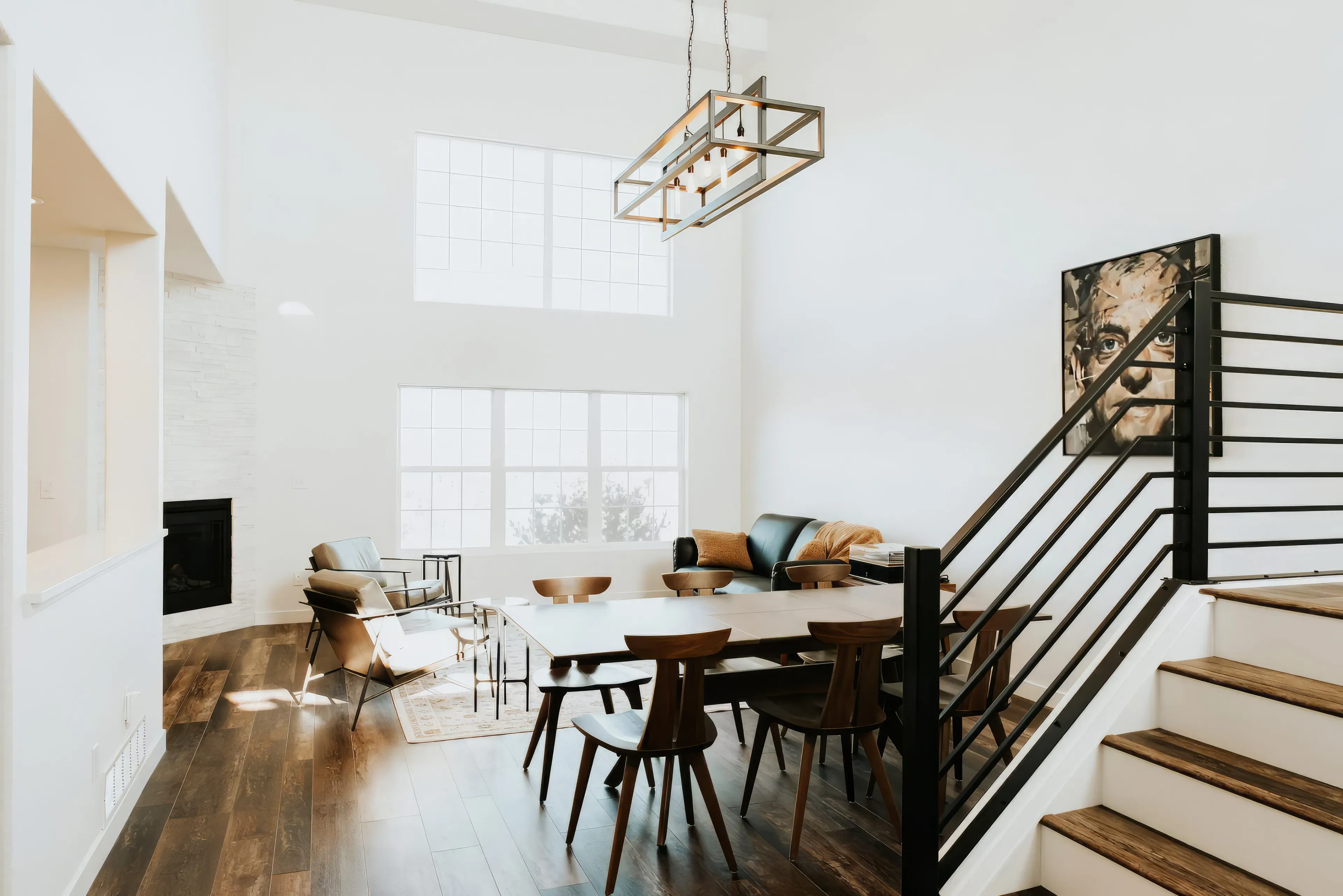
Sight-lines: What do you see first when you walk in? A window with mountain views feels expansive. A wall or closet door feels cramped.
Circulation: Can people move naturally through spaces without bumping into furniture, corners, or each other?
Zones: Are areas for cooking, eating, relaxing, and working clearly defined—or do they bleed into one another?
When these three things are balanced, a home “breathes.” When they’re off, the house starts to feel like it’s working against you.
Why Your Home Might Feel Cramped
- Even if you’re not dealing with a tiny space, here are common flow killers we see in Colorado Springs homes:
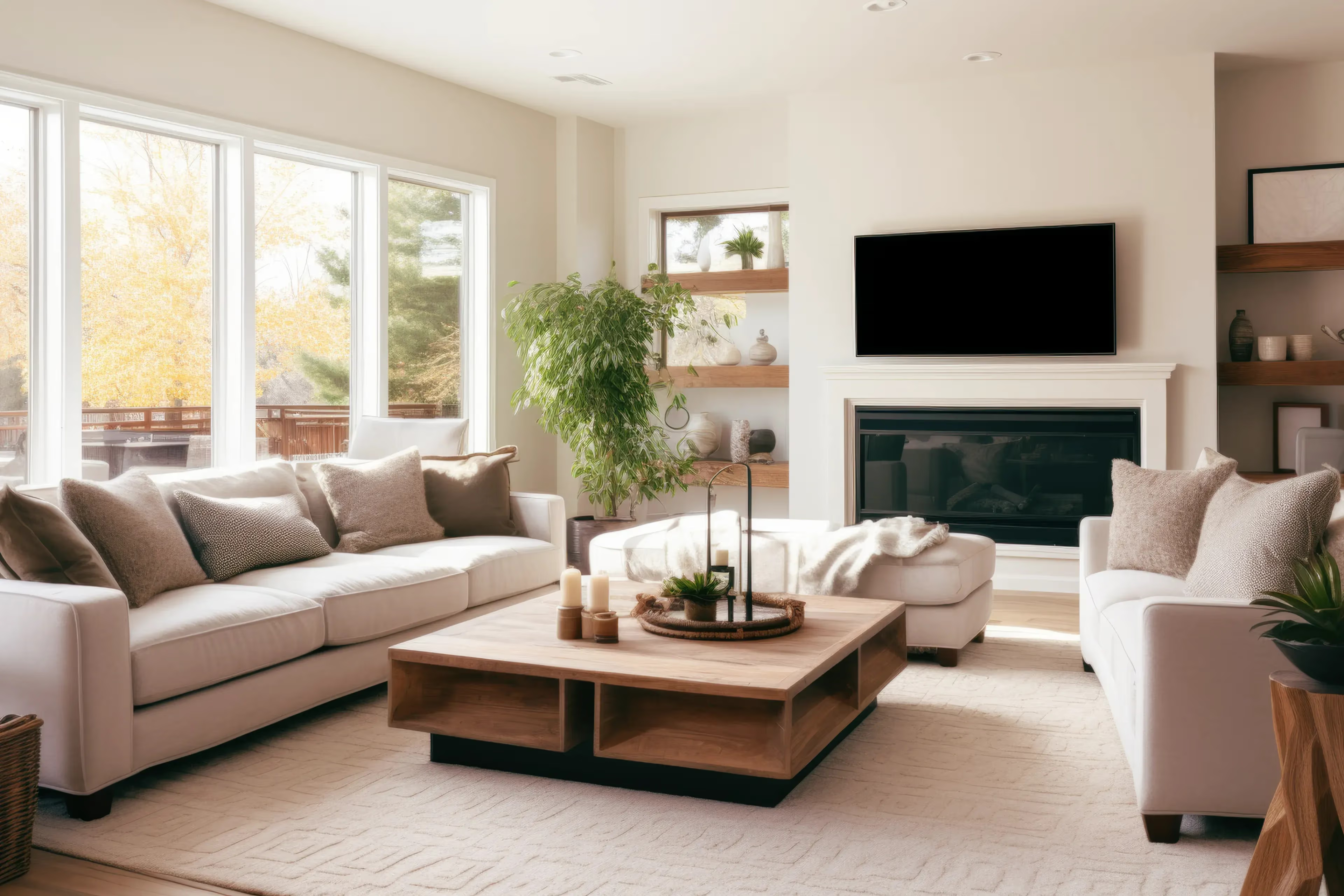
- Oversized furniture – A sectional that looked great in the showroom might dominate your living room and block pathways.
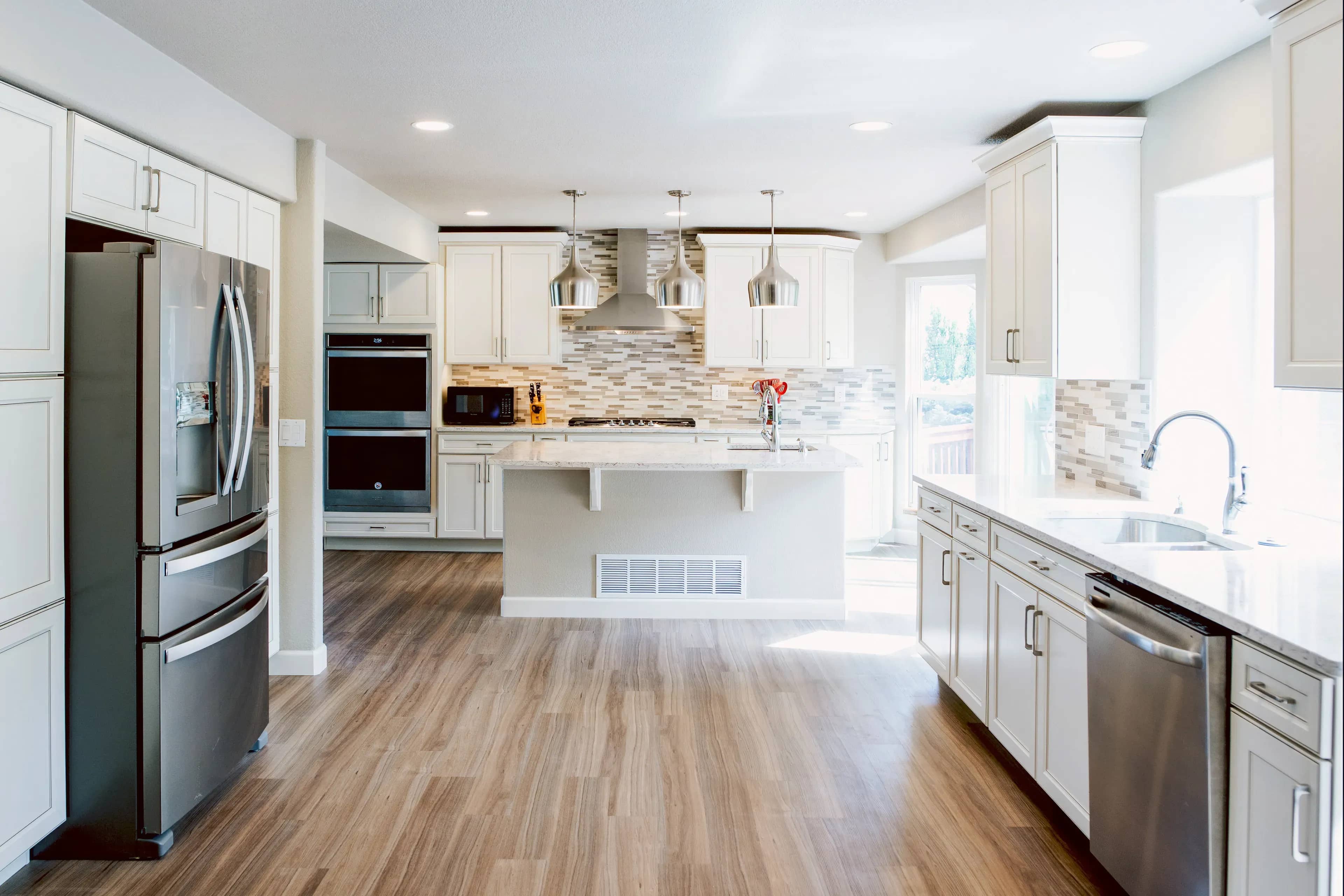
- Choppy layouts – Homes built in the ‘80s and ‘90s often have unnecessary walls, half-walls, or odd angles that break up sightlines.
- Low ceilings with heavy fixtures – A bulky fan or chandelier in a modest space can make it feel smaller than it is.
- Door placement – Poorly placed doors (like a bathroom door opening straight into the kitchen) can throw off balance.
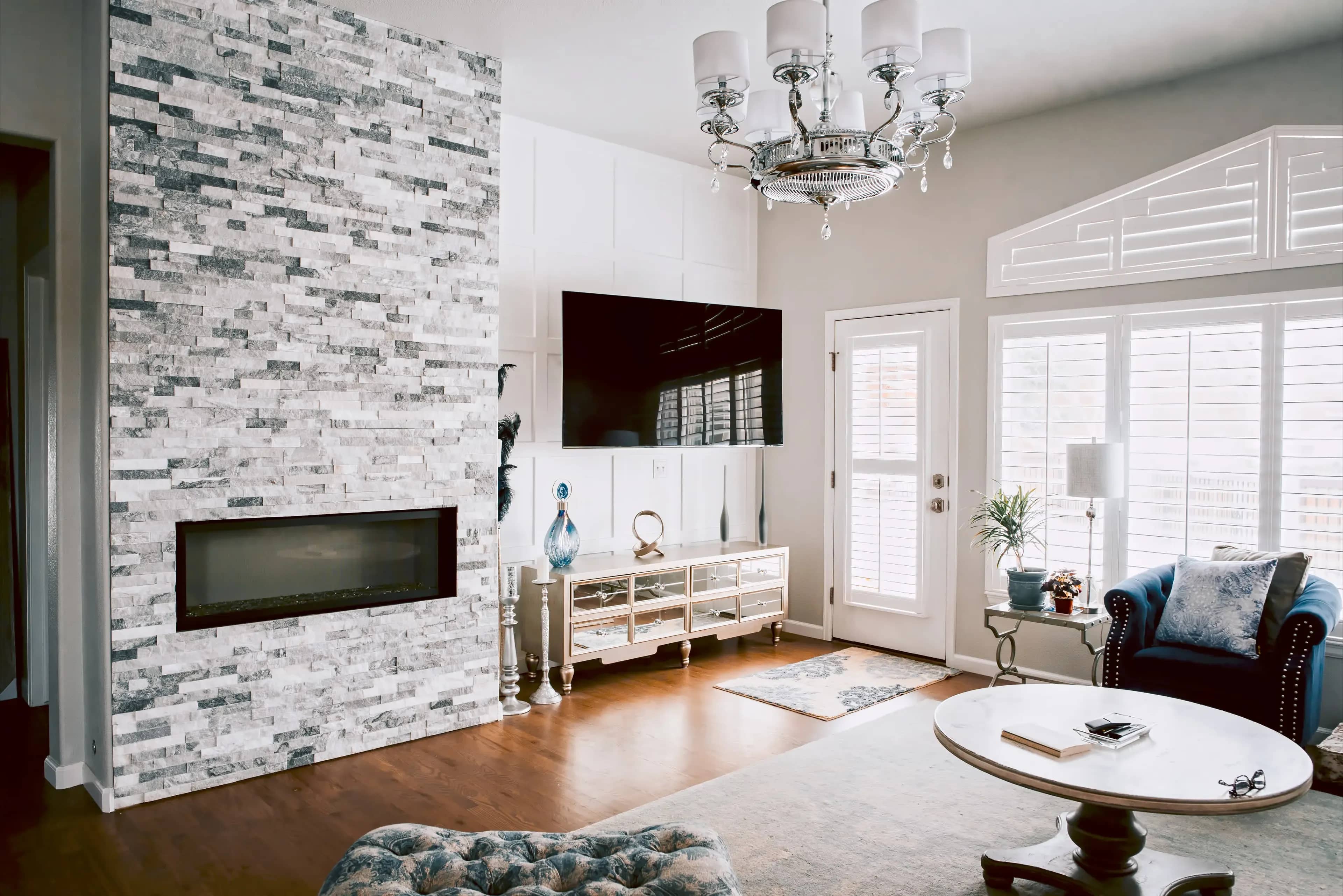
Too many competing focal points – A fireplace, TV, and big window all fighting for attention make a room feel chaotic instead of spacious.
The Psychology Behind It
Humans naturally crave order and rhythm in the spaces we occupy. When flow is disrupted, the brain perceives clutter, even if the room is tidy. That’s why:
- Blocked sightlines = visual stress. You subconsciously feel like the room is cut off.
- Awkward circulation = frustration. Having to zig-zag around furniture creates low-grade irritation.
- Unclear zones = mental noise. Your brain struggles to relax if the space doesn’t “make sense.”
How to Improve Flow Without Major Remodeling
You don’t always need to tear out walls. Some quick fixes go a long way:
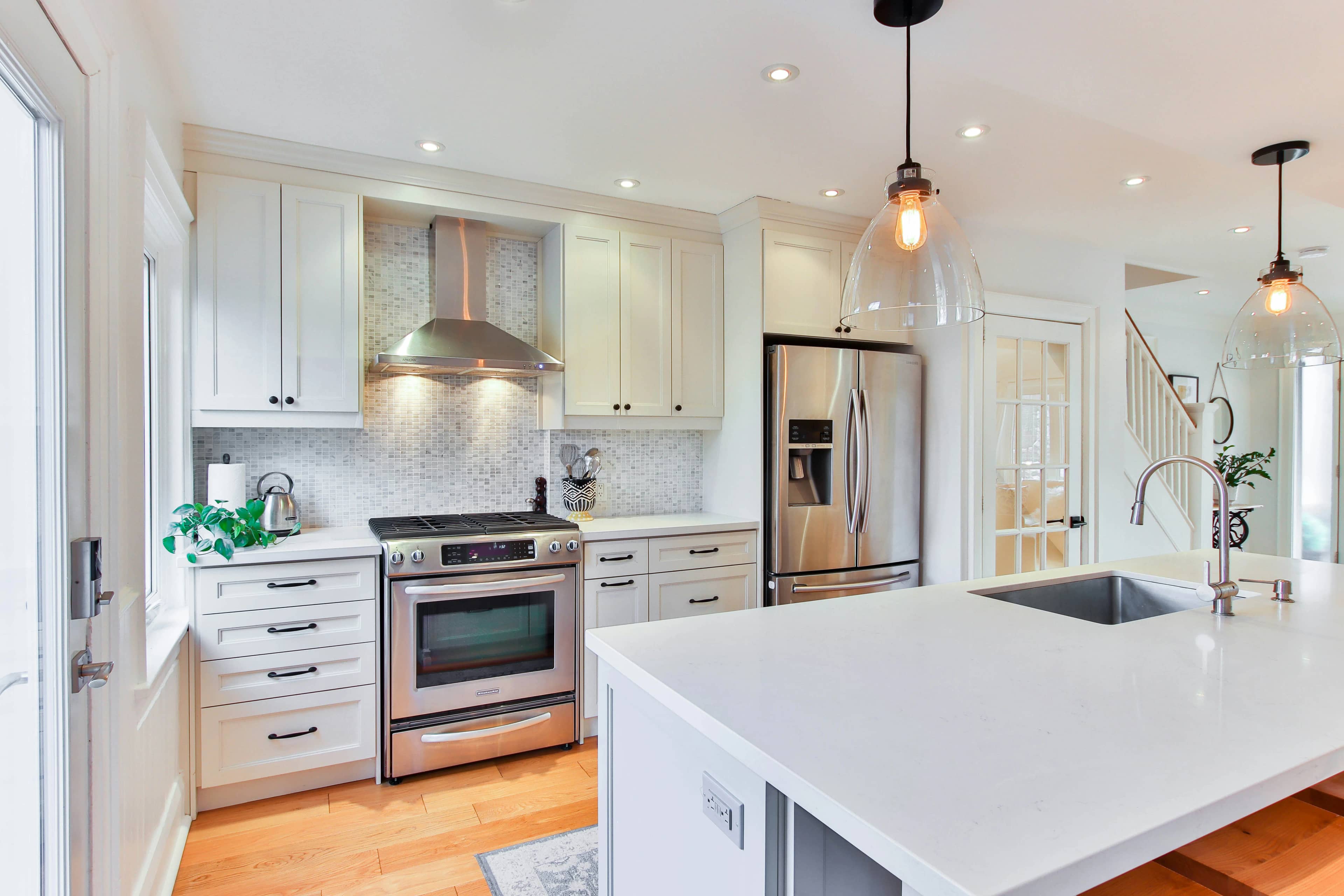
- Rearrange furniture to clear pathways. Aim for at least 3 feet of walking space between major pieces.
- Edit focal points. Decide what deserves the spotlight (fireplace, view, feature wall) and let the other elements support it.
- Mirror magic. Strategically placed mirrors extend sightlines and reflect light.
- Layered lighting. Ceiling lights, floor lamps, and sconces can change how spacious a room feels.
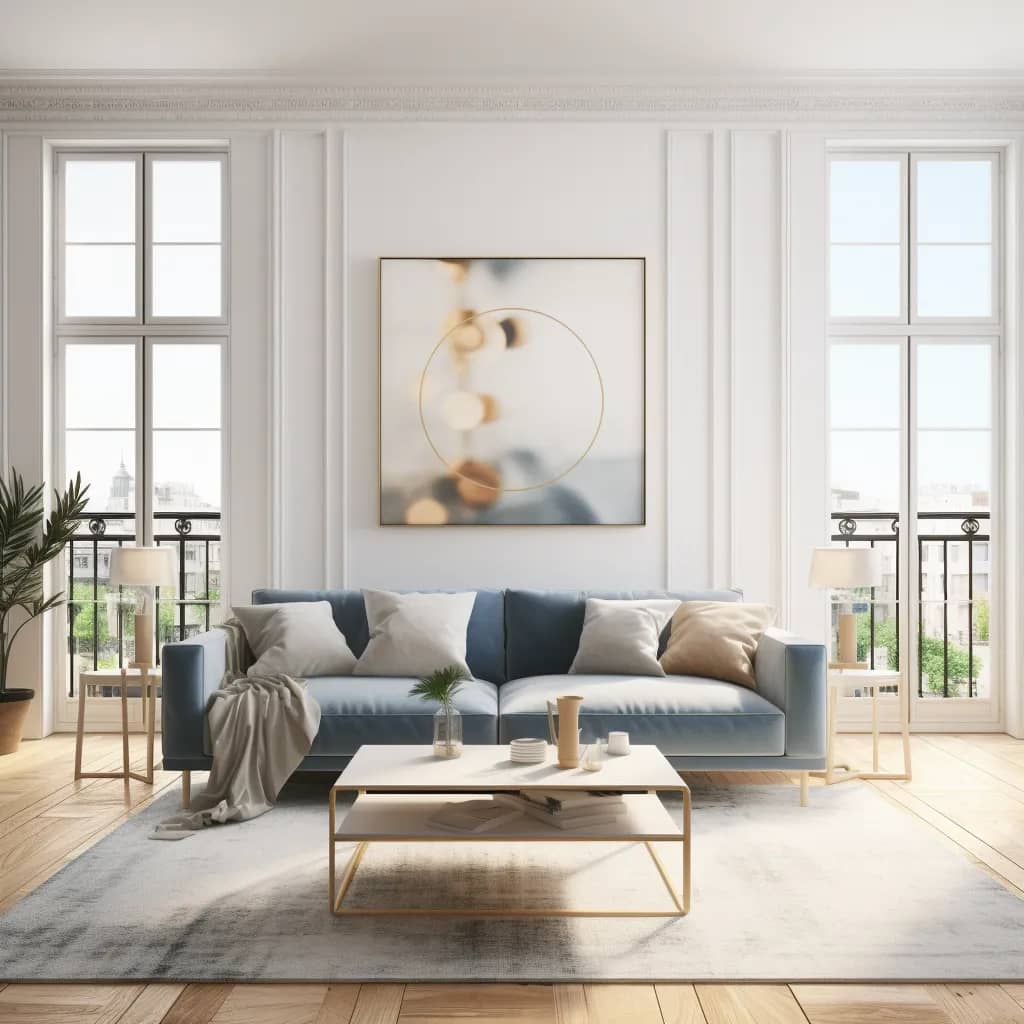
- Define zones with rugs. Instead of floating furniture randomly, anchor areas with rugs to create structure.
When a Remodel Is the Best Fix
Sometimes, flow issues are baked into the house itself—like cramped hallways, closed-off kitchens, or wasted transition spaces. That’s when remodeling makes the difference.
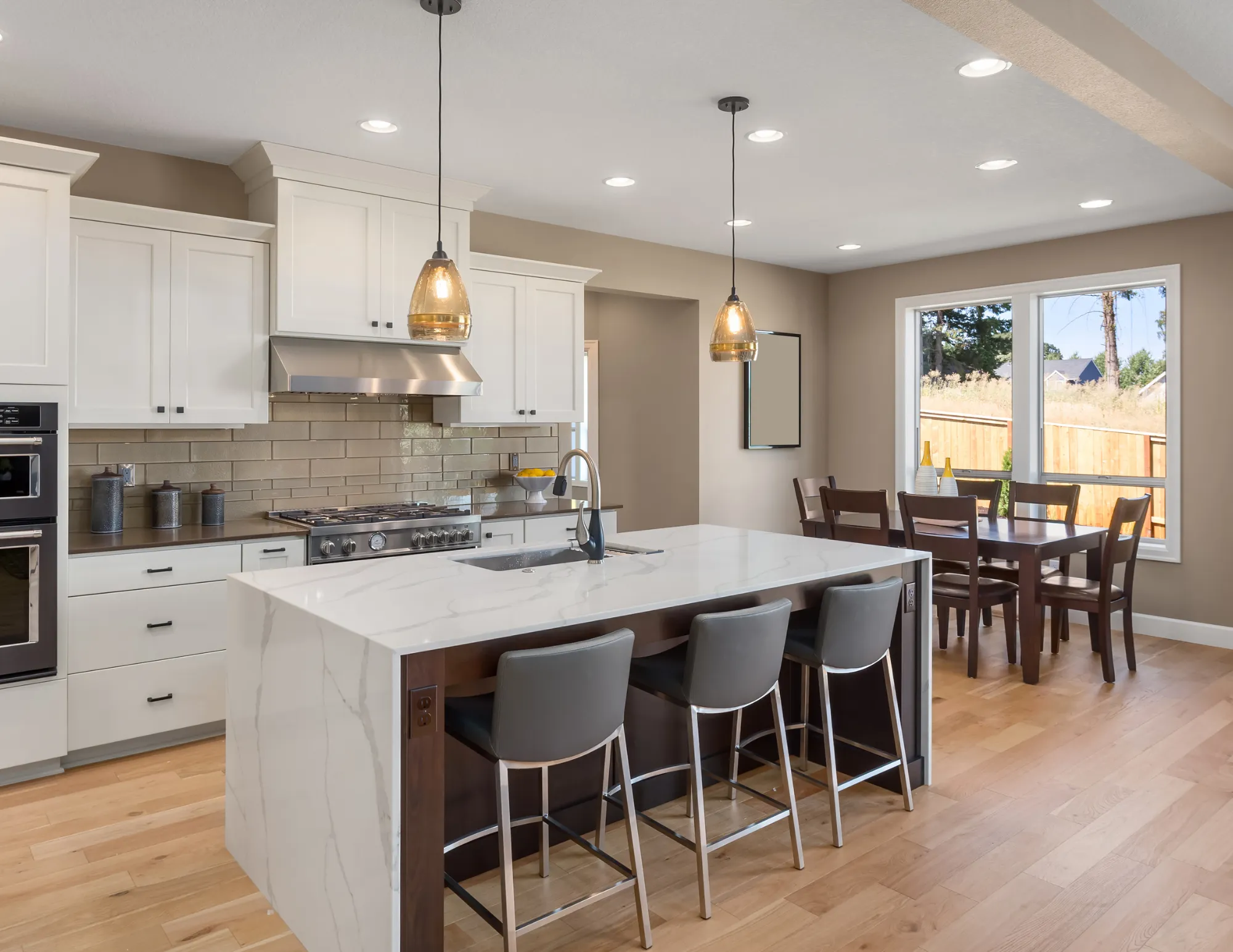
- Opening key sightlines: Removing or widening a wall between the kitchen and living area can completely change how a home feels—without going full open-concept.
- Rethinking doors & windows: Swapping a solid exterior door for one with glass can pull in natural light and make a space feel twice as open.
- Adjusting ceiling height or finishes: Lighter colors, vertical lines, or even modest ceiling adjustments can add psychological “volume” to a room.
- Custom built-ins: Replacing bulky furniture with built-in storage frees up circulation paths while adding polish.
Flow in Your Colorado Springs Home
Homes here often face unique challenges:
- Mountain views vs. layout: Sometimes walls or awkward window placements block what should be your best feature.
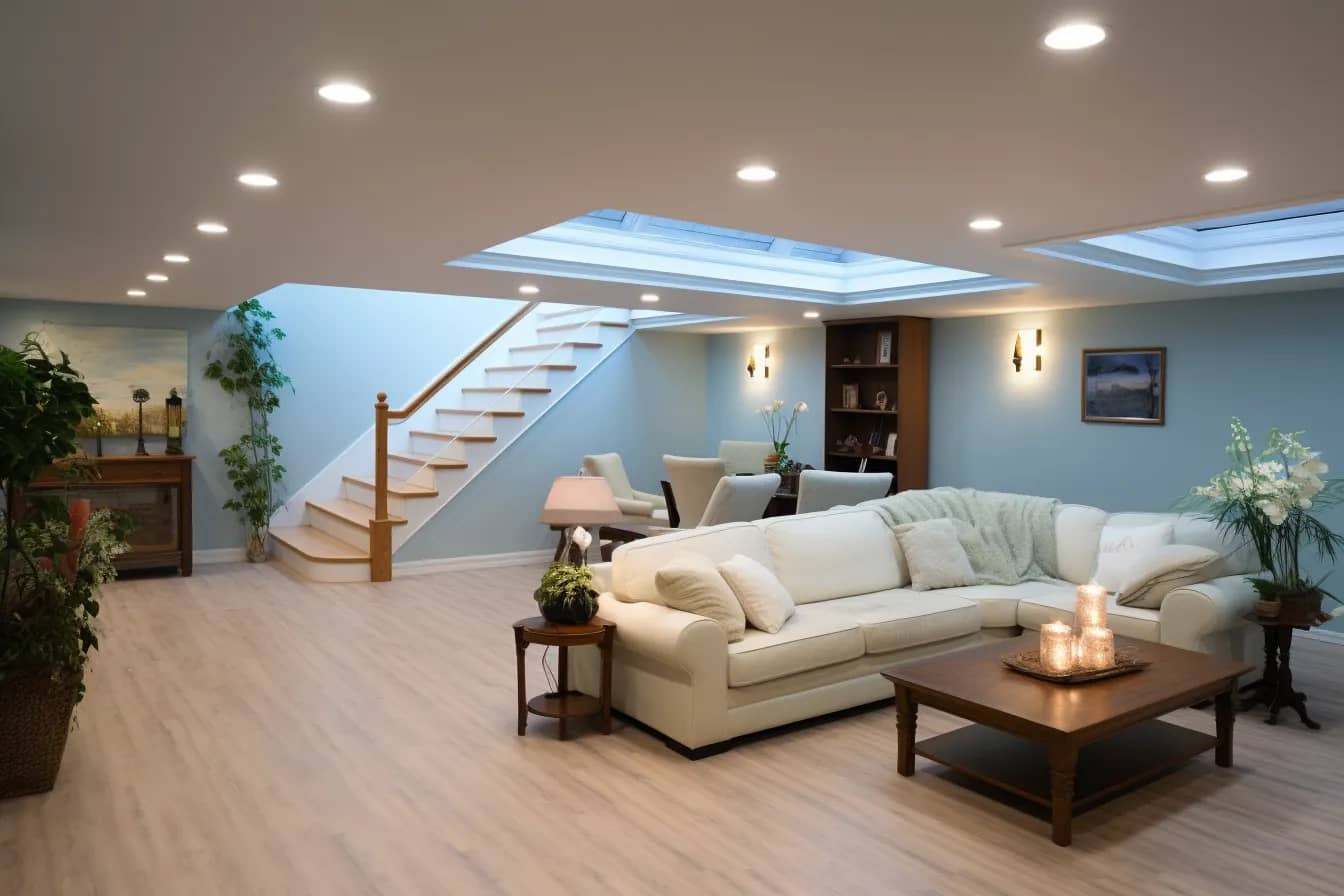
- Basements: Many Springs homes have finished basements, but if they’re chopped into small rooms, they end up underused.
- Older construction: Mid-century and ‘80s homes especially tend to feel more compartmentalized compared to newer builds.
Final Thoughts
If your home feels cramped, it’s worth asking: is it really the size, or is it the flow? By rethinking layouts, sightlines, and movement patterns, you can create a home that feels bigger, calmer, and more enjoyable—without necessarily adding more space.
At HOMEfix, we love solving flow problems. It’s one of those areas where design intelligence really pays off, because when the psychology of space works in your favor, your home finally feels like it fits.