Remodel Smart: Design Upgrades That Make the Biggest Impact (Without Gutting Everything)
You don’t always need a full gut remodel to change how your home feels.
Don’t get me wrong — full-scale remodels are great. We do them all the time. But sometimes, all a home needs is a few really smart, well-crafted updates to make it feel new again. The kind of changes where you walk in, pause for a second, and think: “Wait... why does this feel so much better?”
That’s what this post is about. Not blowing everything up. Not spending six figures. But identifying the 20% of updates that give you 80% of the payoff.
Let’s dig in.
1. Lighting: The First Thing That Changes the Mood
Walk into any older Colorado Springs home, and chances are the lighting is... not helping. Low ceilings. Bad bulbs. A single sad fixture from 1993.
Here’s what we like to change first:
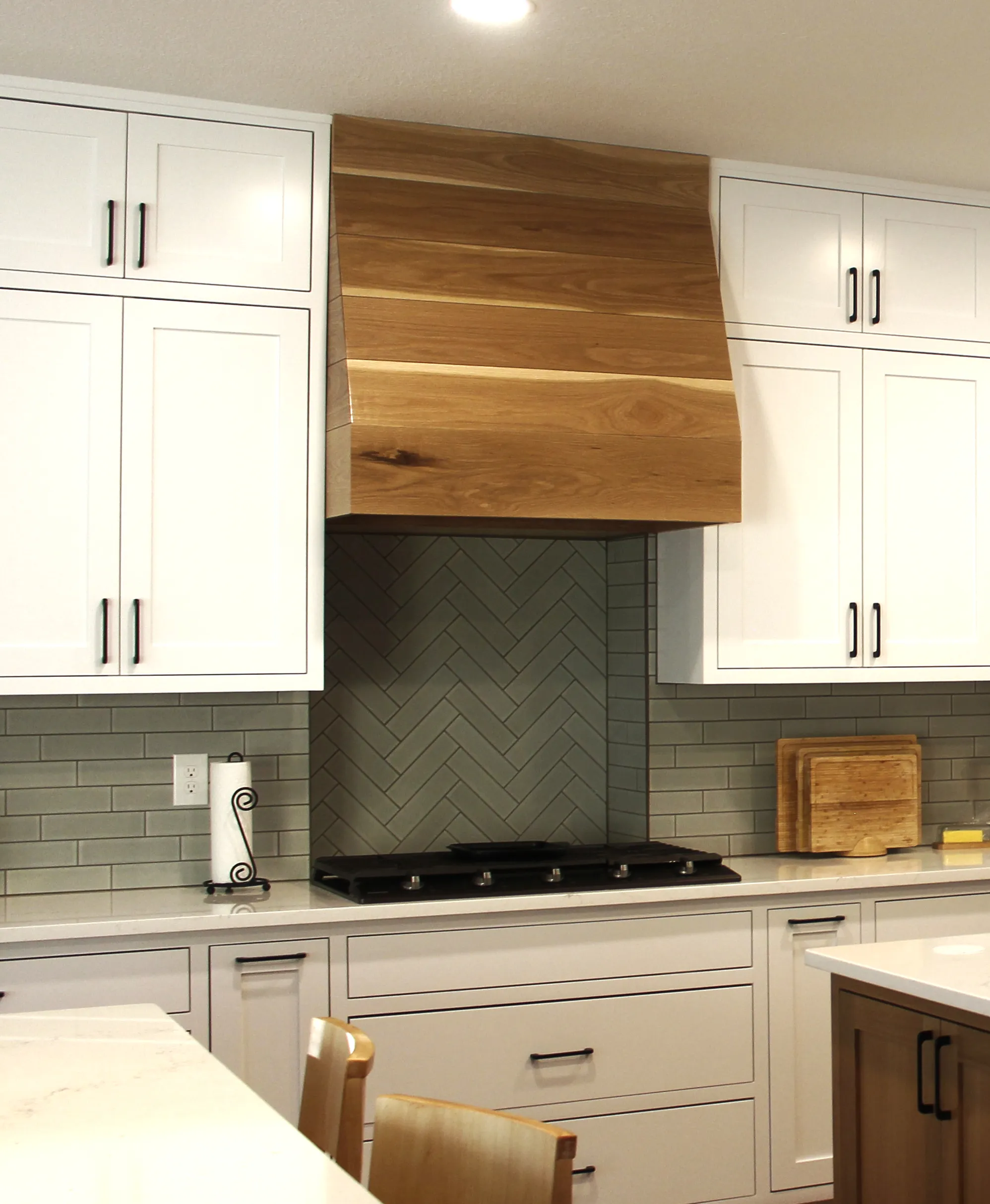
- Layered lighting: Overhead + sconces + under-cabinet + accent
- LED retrofits: Energy savings + adjustable color temps
- Dimmers: Absolute must for kitchens, baths, and bedrooms
- Statement fixtures: Swap that boob light for something you’re actually proud of
2. Surface Materials: Cabinets, Counters, and Flooring
Cabinetry
You don’t have to rip out all your cabinets to give them new life.
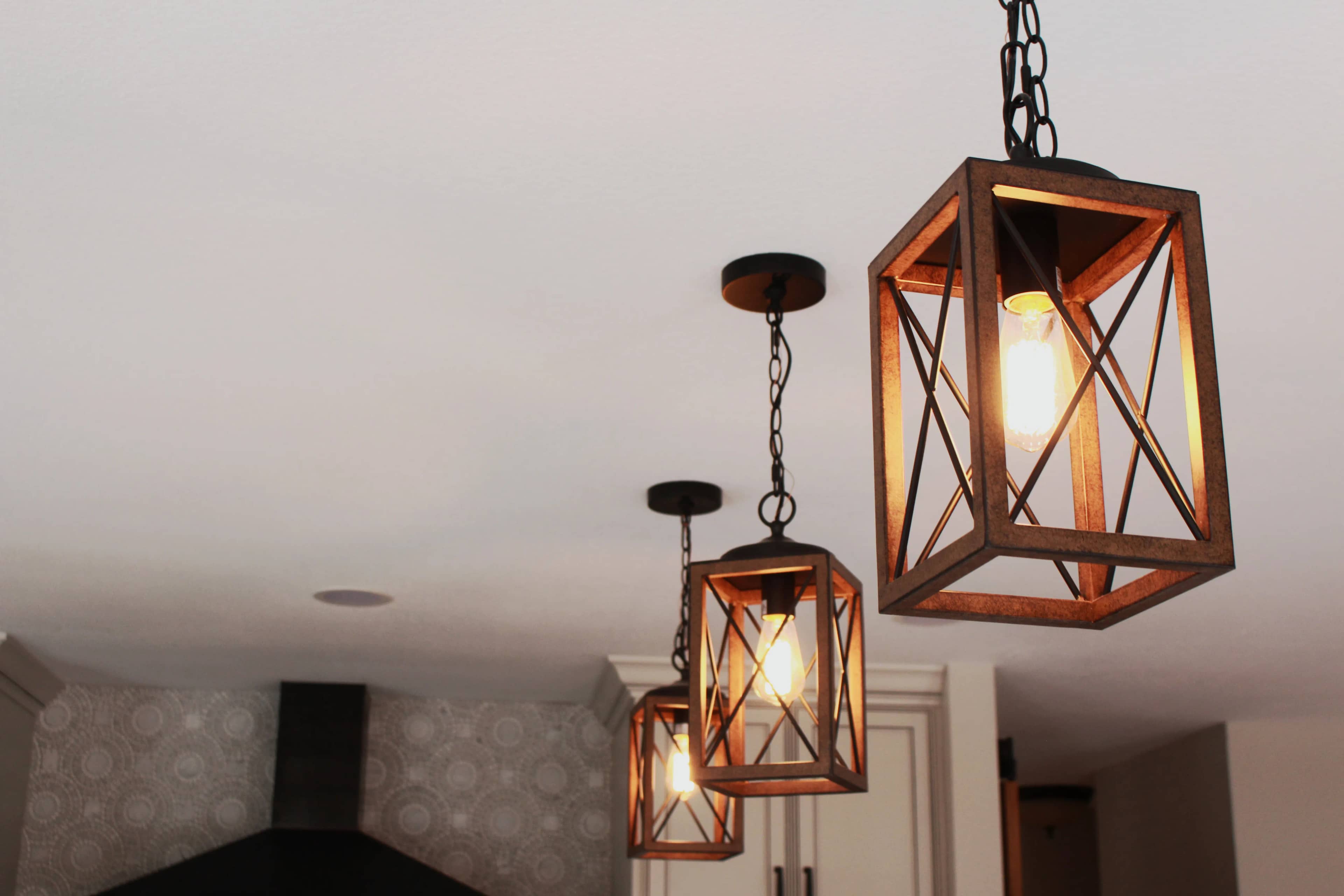
- New doors + drawer fronts: Huge impact without full tear-out
- Hardware swap: Black, brushed brass, or matte white = instant modern
- Painted cabinets: Think rich navy, smoky green, soft mushroom
If you do want to start fresh, our cabinet shop can build custom cabinetry that fits your space like it was always meant to be there — because it was.
Countertops
- Quartz with subtle veining is still holding strong
- Honed granite and butcher block for warmth
- Waterfall edges on an island = ✨ wow factor
Flooring
- LVP is the MVP for high-traffic zones
- Warm woods or wood-look tones = timeless
- Continuous flooring across main levels makes everything feel larger
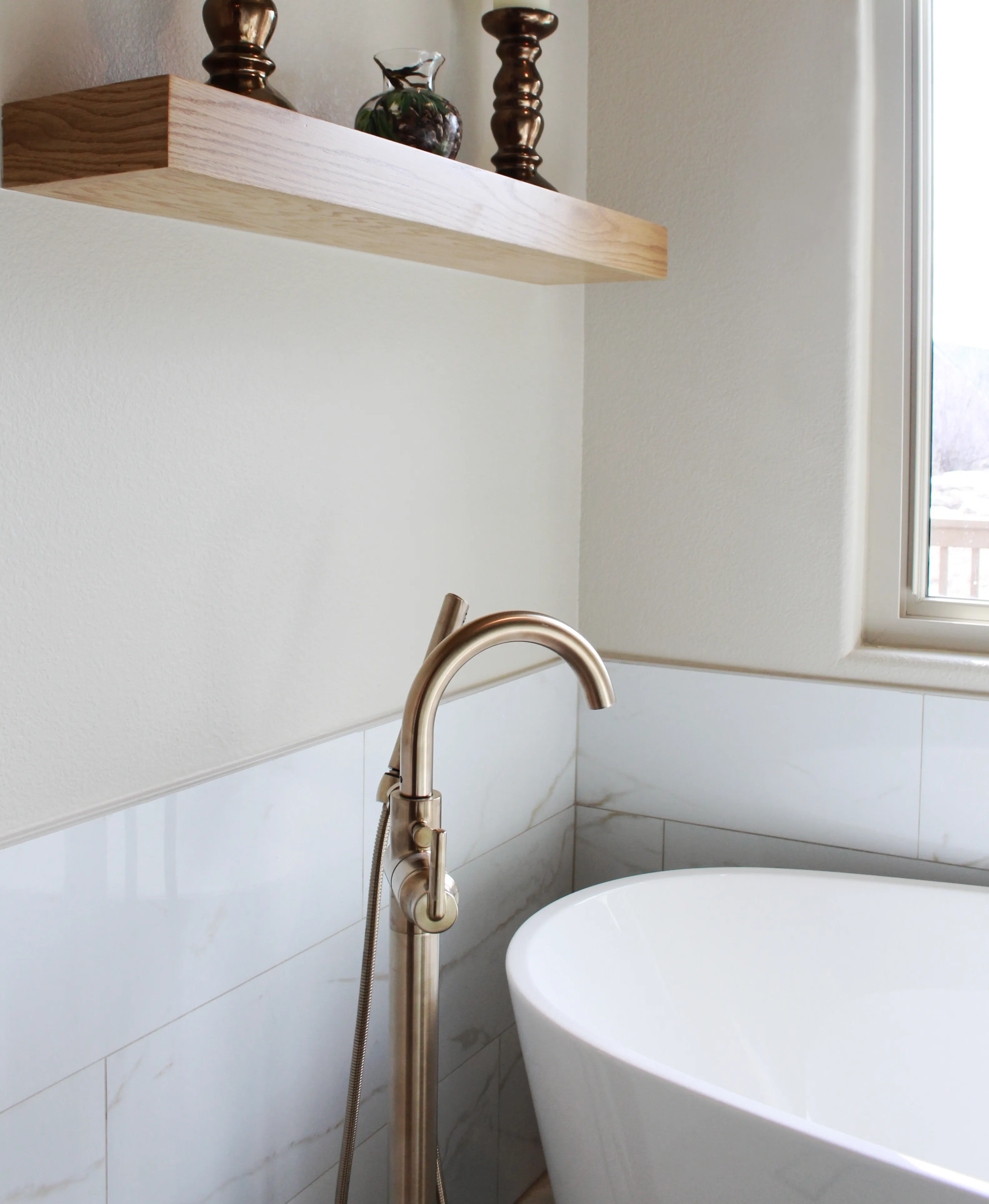
3. Paint: The Cheapest, Fastest Design Upgrade
We’ve painted a lot of walls. Like… thousands. Here’s what we’ve learned:
- White isn’t always safe — undertones matter
- Accent walls are back, but keep them subtle
- The “greige” spectrum is still the most resale-friendly
Don’t forget ceilings and trim — fresh white paint goes a long way
Want drama? Try a deep green powder room. Want peace? Dusty sage in a bedroom. Want to feel rich? Try a monochromatic hallway in matte navy. Paint is design confidence in a can.
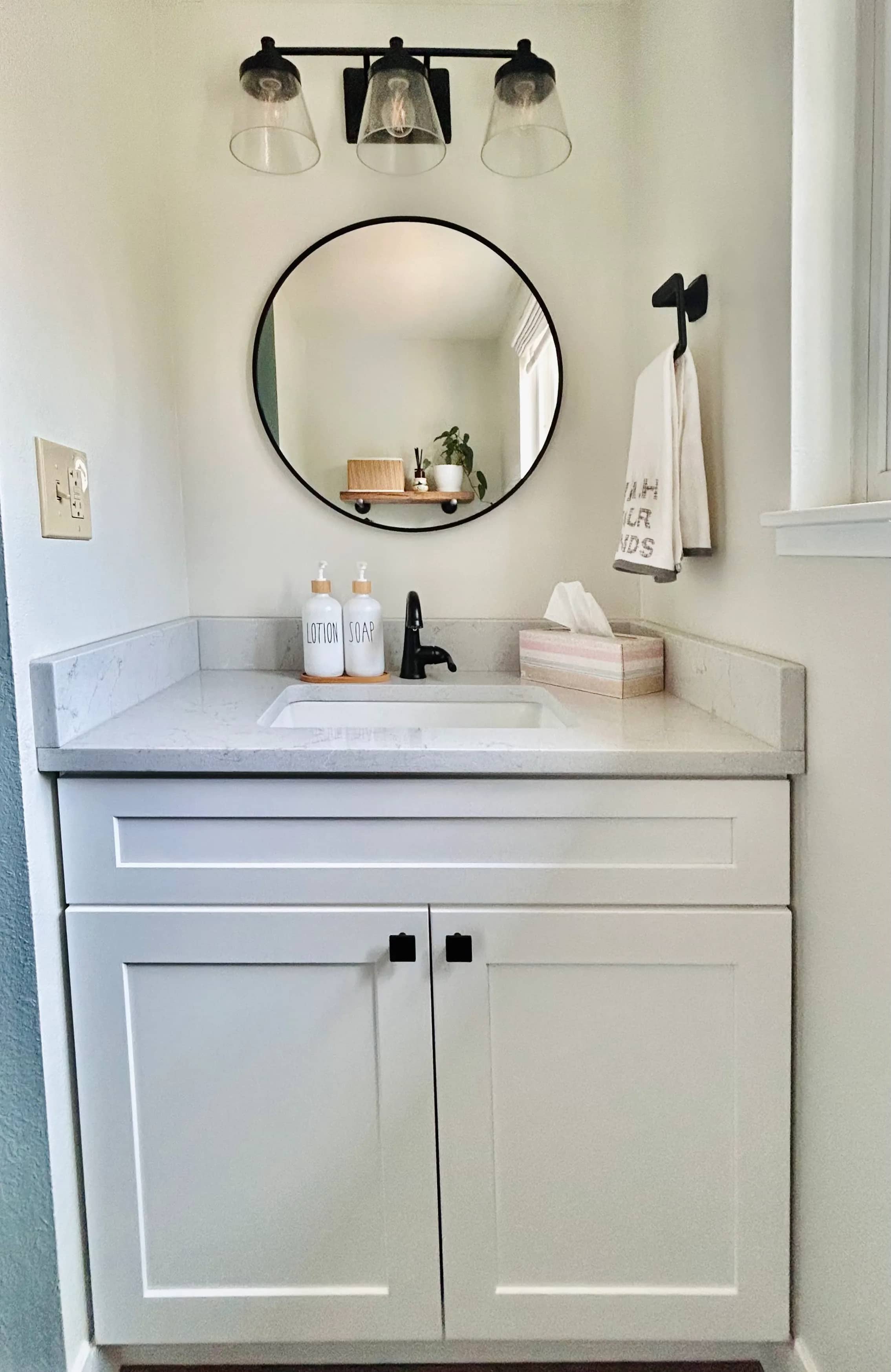
4. Architectural Details: Add Structure Without Major Construction
Sometimes, just defining space is all you need to make it feel finished.
Subtle-but-mighty upgrades:
- Coffered or beamed ceilings (especially in long living rooms)
- Wall treatments like board and batten, tongue and groove, or picture frame molding
- Arched transitions between rooms (instant elegance)
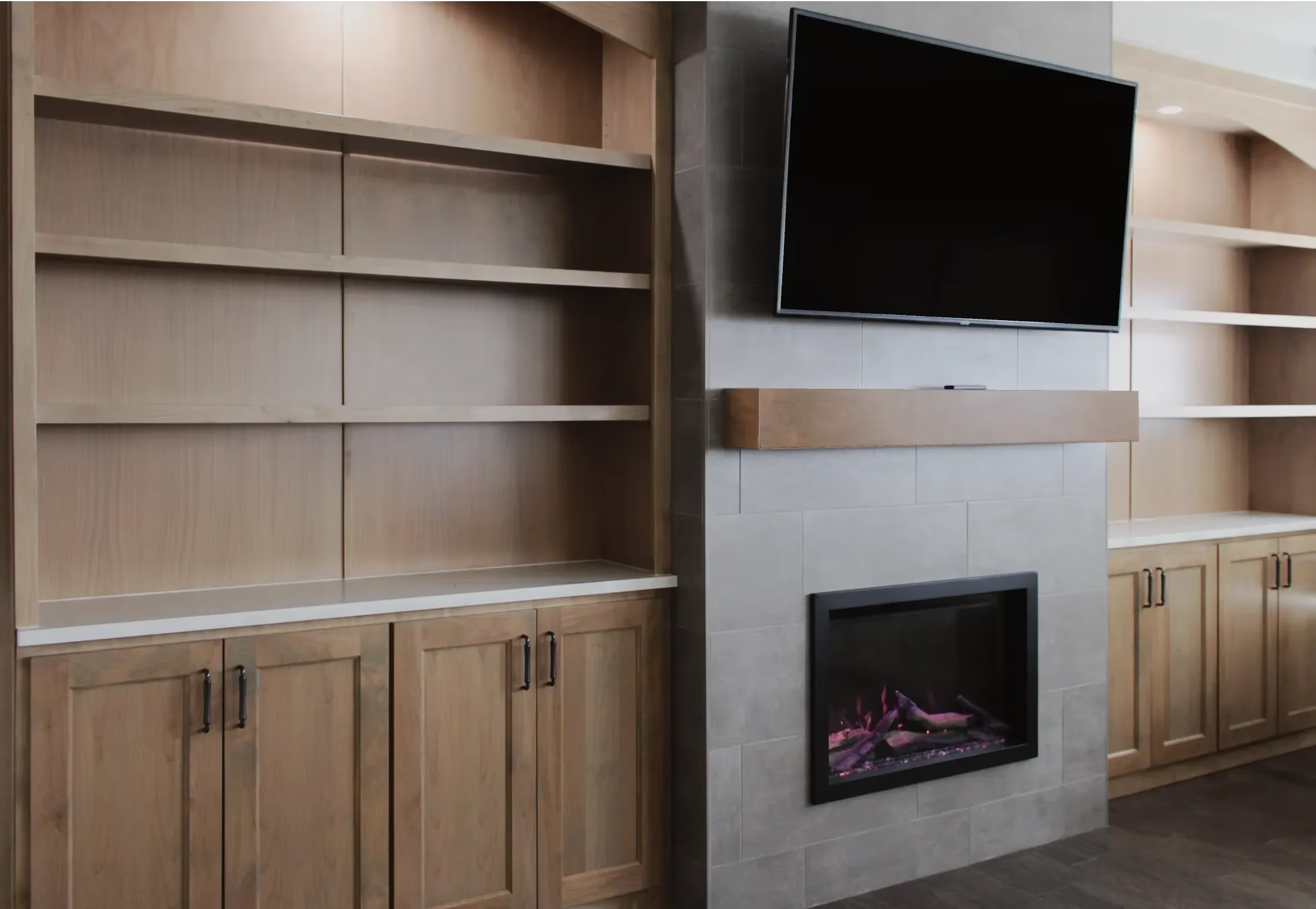
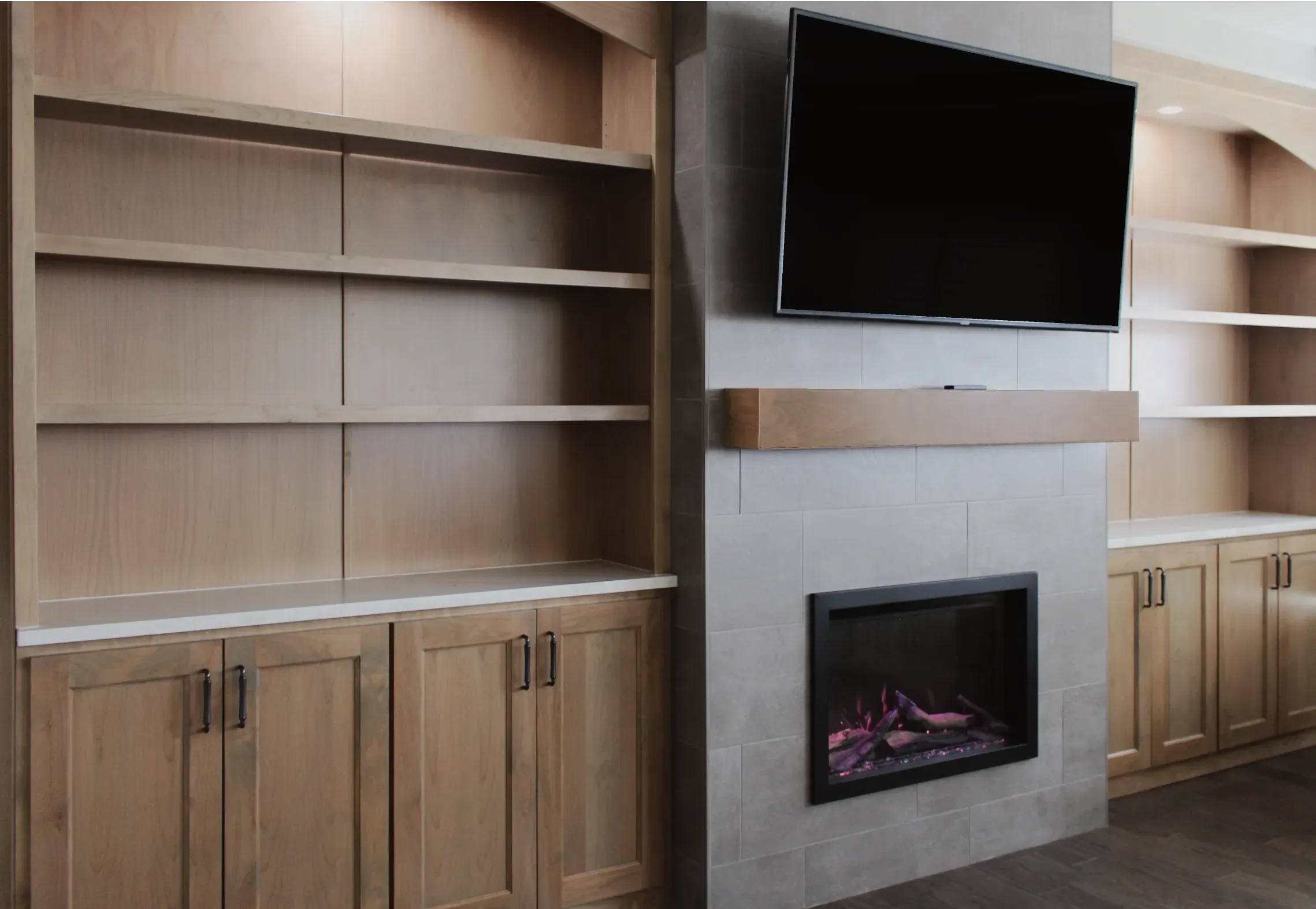
- Built-in shelving around fireplaces or flanking a bed
These changes give your home personality, without knocking down a single wall.
5. Functional Layout Tweaks (That Don’t Require Demo)
You don’t always need to reframe walls to improve flow.
Try this first:
- Reconfigure a kitchen island: make it wider, add seating, integrate a microwave drawer
- Rebuild a fireplace surround: add texture, tile, or a solid wood mantle
- Widen doorways to open up rooms without going full open-concept
- Add storage nooks in hallways, entryways, and awkward corners
Especially in Colorado Springs' older homes, small shifts in layout can make a big difference in how a space feels and functions.
6. The Power of Visual Balance (a.k.a. Why That Wall Feels Wrong)
This one’s a little more design-nerdy, but stick with us — it’s important.
A space can feel “off” without anything being technically wrong.
Here’s what we often fix:
- A window that’s too small for the wall it’s on
- A floating TV with nothing anchoring it
- A bathroom where the mirror or light is just... not centered
These are the kind of fixes that don’t show up on a materials list, but make a space feel “done.” And once you see them, you can’t unsee them.
7. Smart Storage That Doesn’t Look Like Storage
Clutter isn’t a personality trait. It’s a design problem. And clutter happens when your home doesn’t support how you actually live.
Here’s how we design around real life:
- Drop zones near garages and entries (keys, mail, bags)
- Pull-out hampers in bathrooms
- Charging drawers in kitchens and nightstands
- Hidden printer cabinets in home offices
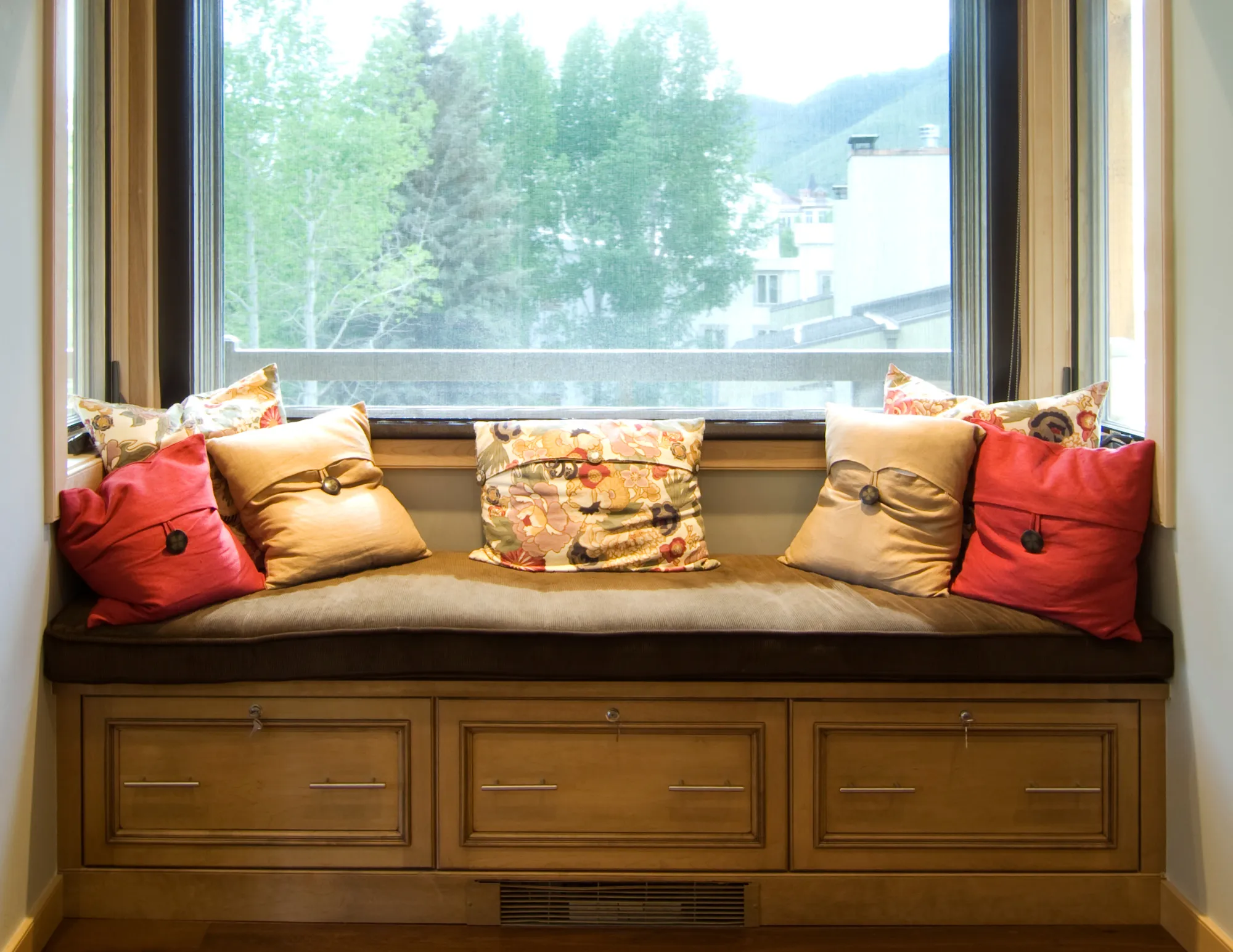
- Bench seating with storage in dining or mudroom areas
8. Custom Carpentry: The Difference Between Generic and Genius
We’re a little biased because we have our own cabinet shop — but honestly, custom woodwork is what makes a home feel next-level.
Examples we’ve built in Colorado Springs homes:
- Wall-to-wall built-in desks for dual home offices
- Murphy beds that become guest rooms and storage
- Full pantry inserts with pull-outs, spice racks, and tray dividers
- Window bench seating with hidden lift lids
- Floor-to-ceiling bookshelves that look original to the house
Custom means it fits, it works, and it makes your home feel intentional.
Final Thoughts: Focus on What Changes the Way You Feel in the Space
Remodeling doesn’t always mean ripping everything out. Sometimes it means picking the three things that are actively making your home harder to enjoy — and fixing those really well.
If you’re not ready for a full gut, start small:
- Change the lighting.
- Repaint the cabinets.
- Add a window seat.
- Swap that 2007 granite for something timeless.
We remodel homes so they actually fit the people living in them. That doesn’t always mean big. But it always means thoughtful.