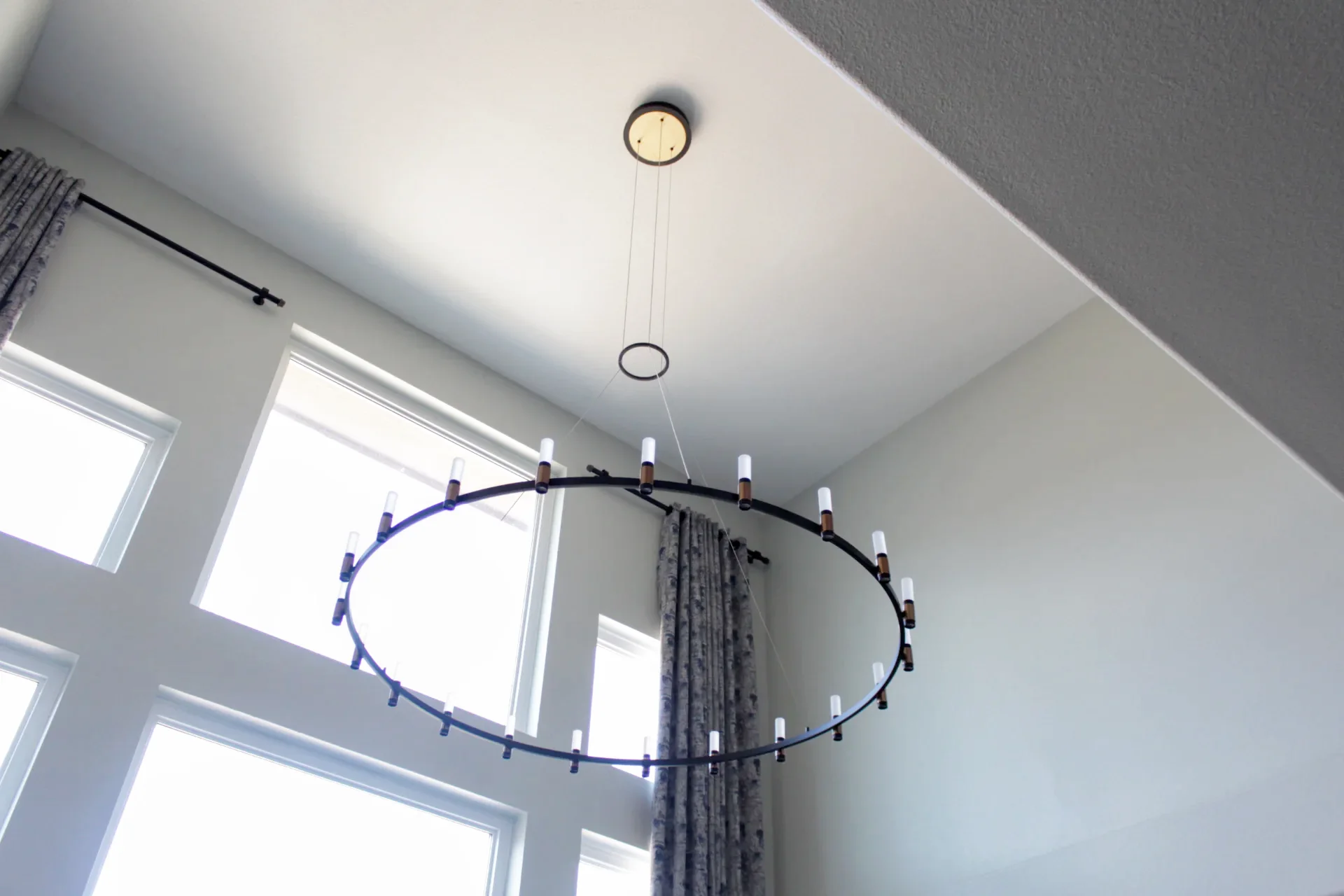
Lights flicker. It happens.
Sometimes it’s nothing. Other times, it’s your house trying to tell you something’s wrong.
If you live in Colorado Springs—especially in an older home or a neighborhood with aging infrastructure—flickering lights are pretty common. But “common” doesn’t always mean “safe.”
So how do you know the difference between a harmless flicker and a real electrical problem?
Let’s break it down.

The Short Answer
If your lights flicker once and never again, you’re probably fine.
If they flicker regularly, dim when appliances turn on, or affect multiple rooms, it’s worth paying attention.
And if the flickering is getting worse? Don’t ignore it.
The Most Common Causes of Flickering Lights
Not every flicker means you need a major electrical upgrade. Some causes are simple. Others… not so much.
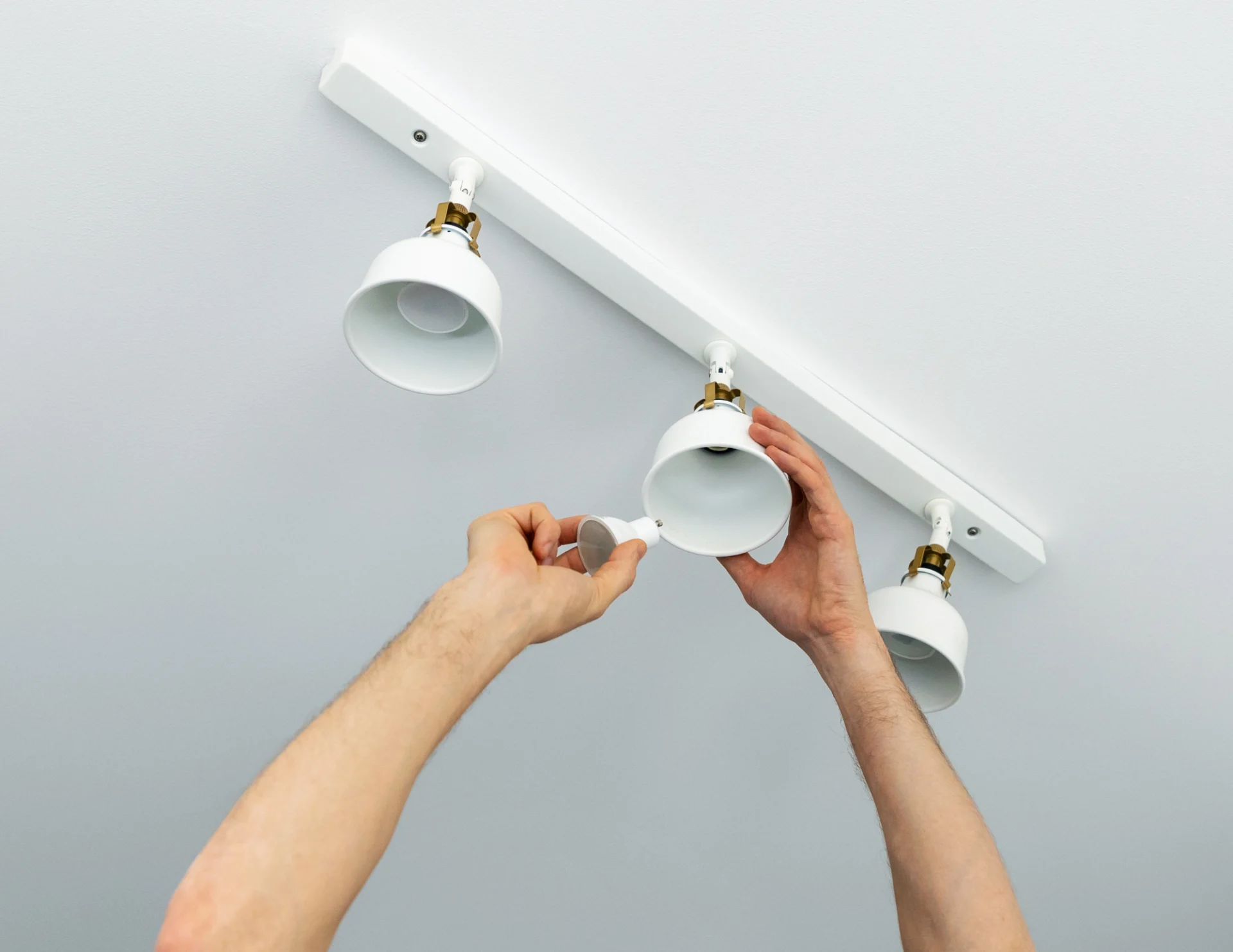
1. Loose Bulbs or Fixtures
Start with the obvious.
A loose bulb or connection is one of the most common (and easiest) fixes.
Signs:
- Flickering in just one fixture
- Stops when you tighten the bulb
- No pattern across the house
If that solves it, you’re done.
If not, keep going.
2. Bulb Type or Compatibility Issues
LED bulbs are great—but they don’t always play nicely with older wiring or dimmer switches.
Signs:
- Flickering when dimmed
- New bulbs installed recently
- Only certain lights affected
In many cases, switching to compatible bulbs or upgrading the dimmer fixes the issue.
3. Appliances Pulling Power
When large appliances kick on—like your furnace, AC, or microwave—they draw a lot of electricity.
That can cause lights to briefly dim or flicker.
Signs:
- Flicker happens when an appliance turns on
- Only lasts a second or two
- More noticeable in older homes
This is common, but it can also point to a system that’s near its limit.
4. Overloaded Circuits
Modern homes use more electricity than older homes were designed for.
If your circuits are overloaded, your system can struggle to keep up.
Signs:
- Flickering in multiple rooms
- Breakers tripping occasionally
- Extension cords or power strips everywhere
This is where things start moving from “annoying” to “needs attention.”
5. Loose Wiring (This Is Where It Gets Serious)
Loose or damaged wiring is one of the most common causes of persistent flickering—and one of the most dangerous.
Signs:
- Flickering that doesn’t follow a pattern
- Lights that dim and brighten randomly
- Burning smells or warm outlets
- Buzzing sounds
Loose wiring can lead to arcing, which increases the risk of electrical fires.
If you’re seeing these signs, don’t wait.
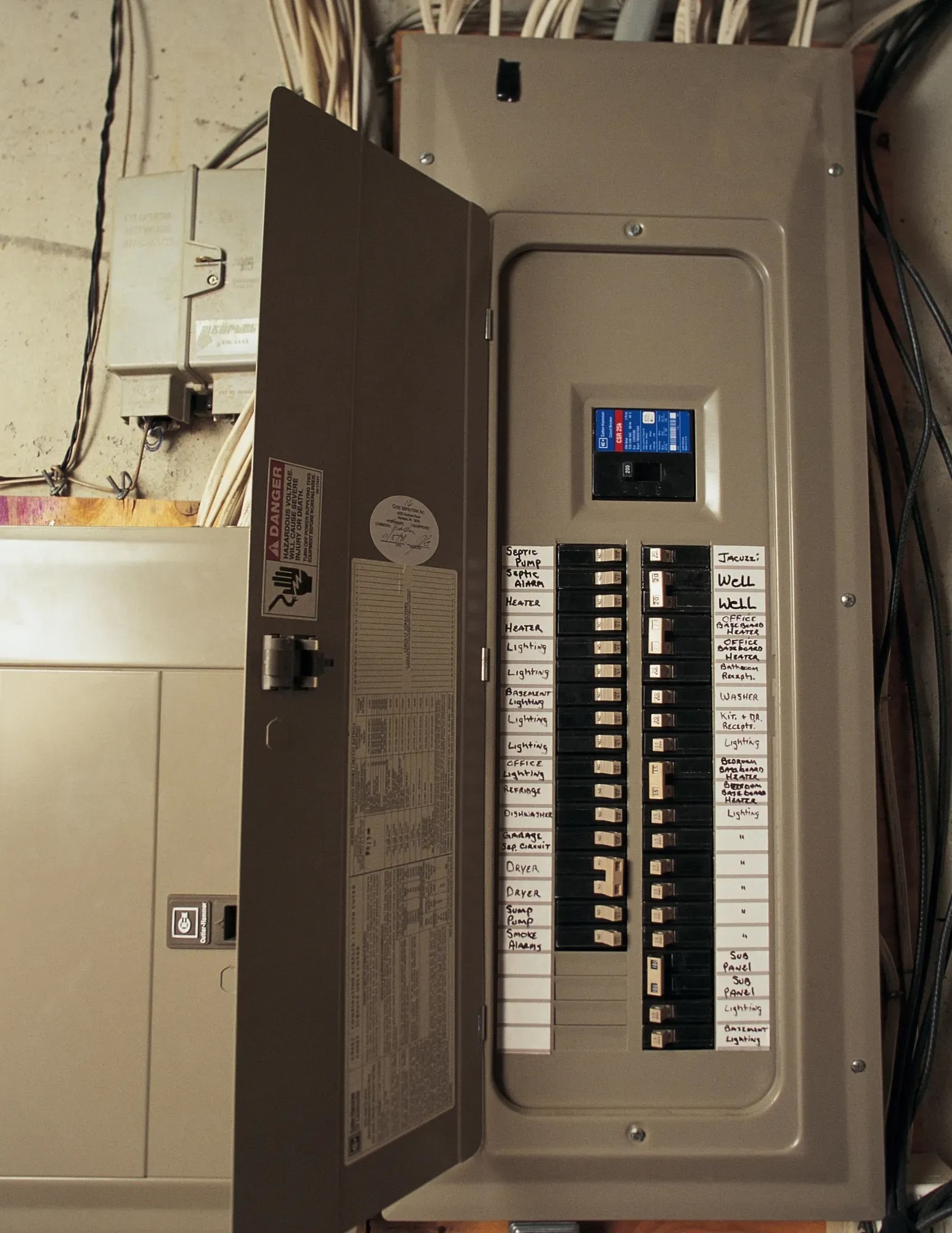
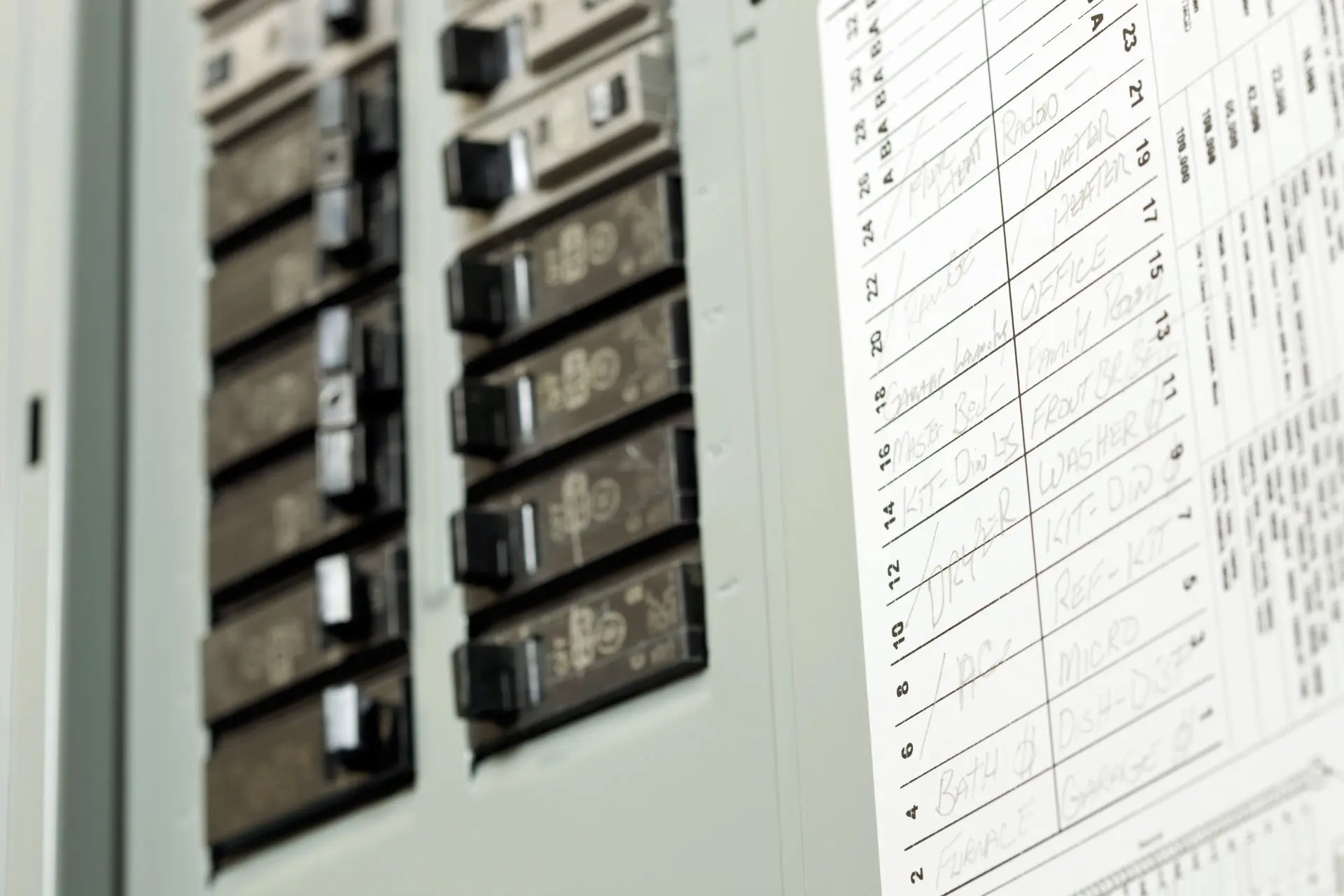
6. Panel or Service Issues
Your electrical panel is the hub of your system. If it’s outdated, undersized, or wearing out, you’ll start to notice problems.
Signs:
- Flickering throughout the house
- Lights dim when multiple things run
- Older panel (especially 100 amp or less)
- Planning upgrades like EV chargers or hot tubs
Many homes in Colorado Springs weren’t built for today’s electrical demands.
If your panel can’t keep up, flickering is often one of the first signs.
7. Utility or Grid Issues
Sometimes the problem isn’t inside your home.
Power fluctuations from the utility company can cause:
- Whole-house flickering
- Lights dimming at the same time
- Neighbors experiencing similar issues
If it’s happening across multiple homes, it may be outside your control—but still worth checking.
When Flickering Lights Are a Serious Problem
Here’s the line you don’t want to cross:
Occasional flicker = usually normal
Frequent or worsening flicker = needs attention
You should take it seriously if:
- Flickering is happening often
- It affects multiple rooms
- Lights dim significantly when appliances run
- You notice heat, smell, or buzzing
- Breakers are tripping
At that point, it’s not just a nuisance—it’s a system issue.
Why This Matters More in Colorado Springs Homes
Homes in Colorado Springs often deal with a few specific challenges:
- Older electrical systems in established neighborhoods
- Increased demand from modern appliances
- Added load from things like EV chargers, hot tubs, and finished basements
- Seasonal HVAC usage (furnaces working hard in winter)
All of that adds stress to your electrical system.
Flickering lights are often the early warning sign that your system is being pushed too far.
What Fixes the Problem?
That depends on the cause—but here’s what it often comes down to:
Simple Fixes
- Tightening connections
- Replacing bulbs or switches
- Updating dimmers
Mid-Level Fixes
- Adding dedicated circuits
- Balancing electrical loads
- Replacing faulty fixtures
Bigger Fixes
- Electrical panel upgrades
- Rewiring sections of the home
- Upgrading service capacity
The key is figuring out which category you’re in.
The Bigger Picture: It’s Not Just About the Lights
Flickering lights aren’t the problem—they’re the symptom.
They’re your home telling you:
- It’s working harder than it should
- Something isn’t connected properly
- Or the system isn’t built for what you’re asking it to do
Ignoring it doesn’t make it go away. It usually just makes the eventual fix more expensive.
Final Thoughts
Most homeowners wait until something stops working.
The smarter move is to pay attention when your house gives you early warnings.
Flickering lights might be a quick fix—or they might be the first sign your electrical system needs attention.
Either way, it’s worth figuring out.