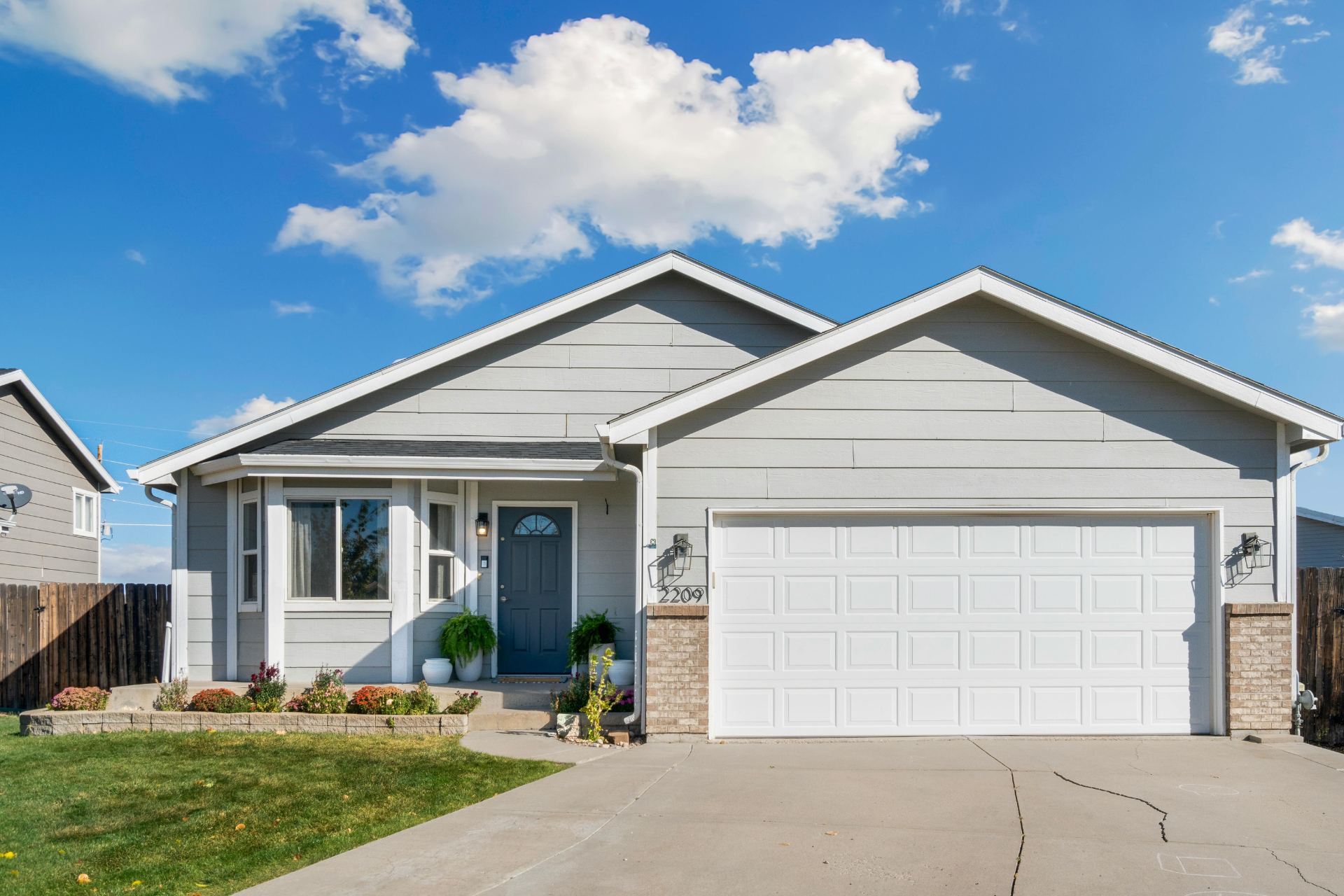
You open the garage door on a summer afternoon, and a wave of heat hits you in the face.
Maybe you use your garage as a workshop, a home gym, a place to store tools, or simply where you park your car—but during the summer months, it becomes nearly impossible to spend more than a few minutes inside.
If your garage feels like an oven, you're not imagining it.
Garages are often one of the hottest areas of a home, especially in Colorado Springs, where more than 300 days of sunshine each year, high elevation, and intense UV exposure can quickly raise indoor temperatures.
While it's normal for garages to be warmer than the rest of the house, excessive heat isn't something you simply have to live with. In many cases, a few targeted improvements can make your garage significantly more comfortable while protecting everything stored inside.
Whether you're looking to create a usable workspace, protect your belongings, or simply stop your garage from turning into a furnace every afternoon, here's what causes the problem—and how to fix it.
Why Garages Get So Hot
Unlike the rest of your home, garages are usually designed for parking vehicles, not maintaining comfortable temperatures.
Most garages aren't heated or cooled, and many have little insulation. Add in a large metal garage door, concrete floors that absorb heat, and hours of direct sunlight, and you've created the perfect environment for heat buildup.
Throughout the day, heat enters faster than it escapes.
By late afternoon, temperatures inside a garage can be 20 to 40 degrees hotter than the outdoor air, especially if it's attached to your home and faces west or south.
Understanding where that heat comes from is the first step toward solving the problem.
1. Your Garage Door Is Absorbing Heat
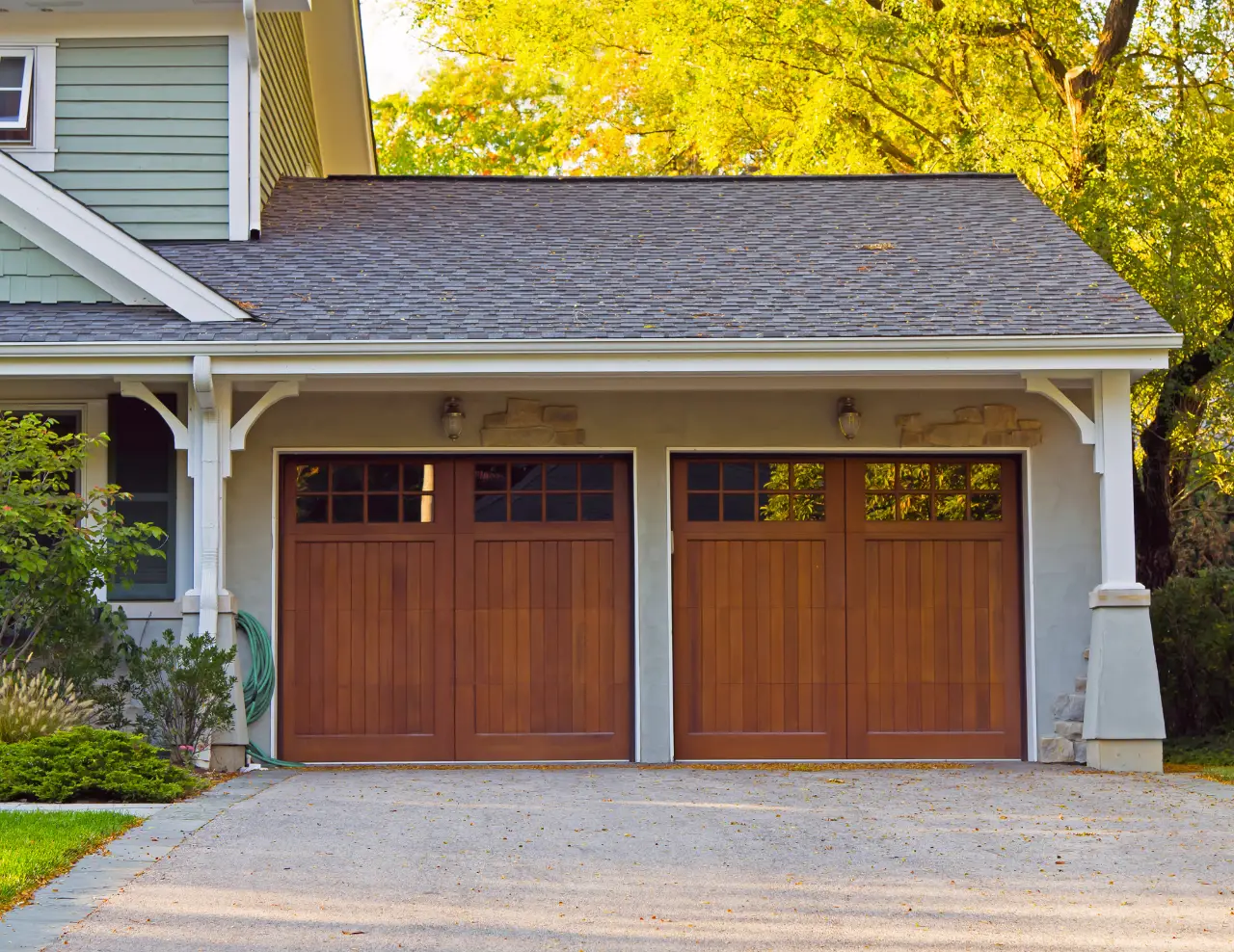
One of the biggest contributors to garage heat is the garage door itself.
Most standard garage doors are made of steel or aluminum, which readily absorb heat from the sun.
If your garage door faces west, it receives direct afternoon sunlight during the hottest part of the day. That heat transfers directly into your garage.
Place your hand on the inside of the garage door on a sunny afternoon—it often feels surprisingly warm.
Signs your garage door is contributing:
- The inside surface feels hot
- Heat is most noticeable in the afternoon
- The garage cools quickly after sunset
- The wall behind the garage door stays warm into the evening
Possible solutions
- Install an insulated garage door
- Add insulation panels to an existing door
- Choose lighter exterior colors
- Seal gaps around the perimeter
An insulated garage door can significantly reduce heat transfer while also helping reduce outside noise.

2. Your Garage Has Little or No Insulation
Many garages receive far less insulation than the rest of the home.
Builders often focus insulation efforts on conditioned living spaces, leaving garages minimally insulated or not insulated at all.
Heat enters through:
- Exterior walls
- The ceiling
- Garage doors
- Shared walls
- Roof structure
If your garage is attached to your home, improving insulation can also help protect adjacent rooms from unwanted heat.
3. Your Attic Is Heating the Garage
If your garage sits beneath an attic, that attic may be contributing a tremendous amount of heat.
On sunny summer days, attic temperatures can exceed 120°F.
Without sufficient insulation between the attic and garage ceiling, that heat radiates downward.
Many homeowners focus on insulating living areas but overlook the garage ceiling.
Improving attic insulation above the garage often makes a noticeable difference.
4. Poor Ventilation Traps Heat
Hot air naturally rises.
Without proper ventilation, warm air becomes trapped inside the garage with nowhere to escape.
Unlike many living spaces, garages often lack:
- Ceiling fans
- Ridge vents
- Exhaust fans
- Cross ventilation
- Operable windows
The result is stagnant, superheated air.
Ways to improve airflow
- Install a garage exhaust fan
- Add roof or gable vents
- Use high-volume circulation fans
- Open windows when temperatures allow
Moving hot air out of the garage is often just as important as preventing heat from entering.
5. The Concrete Floor Stores Heat
Concrete absorbs heat throughout the day and slowly releases it into the evening.
That's why your garage may remain warm long after outdoor temperatures begin to drop.
While you can't eliminate this completely, reducing the overall heat entering the garage limits how much heat the concrete absorbs.
6. Your Garage Faces the Afternoon Sun
Orientation matters more than many homeowners realize.
Garages facing:
- West
- Southwest
- South
receive significantly more afternoon sun than north-facing garages.
Those extra hours of direct sunlight increase wall, roof, and garage door temperatures throughout the hottest part of the day.
Landscaping, shade structures, and exterior improvements can help reduce solar heat gain.
7. Air Leaks Let Hot Air Inside
Just like the rest of your home, garages have gaps that allow outside air inside.
Common problem areas include:
- Garage door seals
- Side entry doors
- Windows
- Utility penetrations
- Weatherstripping
- Framing gaps
Replacing worn weatherstripping is an inexpensive improvement that can reduce both heat and dust.
8. Your Garage Is Full of Heat-Producing Items
Many garages contain equipment that generates additional heat, including:
- Second refrigerators
- Freezers
- Water heaters
- Air compressors
- Power tools
- Chargers
- Laundry appliances
Every appliance adds a little more warmth to the space.
If possible, reduce unnecessary heat sources or improve ventilation around them.
9. Dark Exterior Colors Absorb More Heat
Dark roofs, dark siding, and dark garage doors absorb more solar energy than lighter colors.
While repainting isn't always practical, homeowners planning exterior updates may want to consider colors that reflect more sunlight.
10. Your Garage Was Never Designed for Today's Lifestyle
Years ago, garages primarily stored vehicles.
Today they often function as:
- Workshops
- Home gyms
- Hobby spaces
- Home offices
- Storage rooms
- Sports equipment centers
- Craft rooms
As homeowners ask more from their garages, comfort becomes increasingly important.
Fortunately, there are several ways to make your garage more usable year-round.
How to Keep Your Garage Cooler
Upgrade to an Insulated Garage Door
This is often one of the most effective improvements.
Modern insulated doors help reduce heat transfer while also improving durability and reducing outside noise.
Improve Garage Insulation
Insulating:
- Exterior walls
- Garage ceilings
- Shared walls
- Garage doors
helps slow heat transfer throughout the day.
If your garage is attached to your home, this can also improve comfort in nearby rooms.
Add Better Ventilation
Improving airflow allows trapped heat to escape.
Depending on your garage, options may include:
- Exhaust fans
- Roof vents
- Ridge vents
- Operable windows
- Portable circulation fans
Seal Gaps Around Doors
Weatherstripping and garage door seals reduce unwanted heat infiltration while helping keep dust, insects, and moisture outside.
Install Ceiling Fans
Ceiling fans don't reduce the air temperature, but they improve air movement, making the space feel significantly cooler.
They're especially helpful in garages used as workshops or gyms.
Add Shade Outside
Strategic landscaping can reduce the amount of direct sunlight reaching your garage.
Examples include:
- Trees
- Pergolas
- Shade sails
- Decorative privacy screens
Even partial shade can noticeably reduce surface temperatures.
Organize Your Garage
Clutter restricts airflow and traps heat.
Installing garage cabinets, shelving, and overhead storage not only improves organization but also creates better air circulation throughout the space.

Can You Air Condition a Garage?
Sometimes—but it's not always the best first step.
Adding air conditioning to an uninsulated garage is similar to cooling a room with the windows open.
Before installing cooling equipment, address:
- Insulation
- Air sealing
- Ventilation
- Garage door performance
Once those improvements are made, cooling options become much more effective.
Is Garage Heat Affecting the Rest of Your Home?
Many homeowners don't realize their garage can influence temperatures inside adjacent living spaces.
An extremely hot attached garage may increase temperatures in:
- Bonus rooms
- Bedrooms above the garage
- Laundry rooms
- Mudrooms
- Shared walls
Improving garage insulation and ventilation can help reduce heat transfer into these areas as well.
Should You Finish Your Garage?
If you're already planning improvements, you may wonder whether finishing the garage is worthwhile.
Depending on your goals, upgrades may include:
- Insulation
- Drywall
- Lighting
- Garage cabinetry
- Epoxy flooring
- Electrical improvements
- Dedicated workshop areas
- Fitness spaces
- Storage systems
For homeowners who spend significant time in the garage, these improvements can dramatically increase both comfort and functionality.
How HOMEfix Can Help Create a More Comfortable Garage
Your garage shouldn't be the hottest room on your property.
Whether you're storing valuable equipment, working on projects, exercising, or simply trying to keep your car cooler, reducing garage temperatures starts with understanding where the heat is coming from.
At HOMEfix, we help Colorado Springs homeowners improve the performance of every part of their home—including the spaces that often get overlooked.
From garage door upgrades and insulation improvements to electrical work, storage solutions, remodeling, and whole-home energy improvements, our team can help turn an underused garage into a more comfortable, functional extension of your home.
With one team, every service, you don't have to coordinate multiple contractors to solve the problem.
Whether your goal is better comfort, lower energy costs, or a garage you'll actually enjoy using, HOMEfix is here to help you make the most of every square foot.
Frequently Asked Questions
Why is my garage hotter than outside?
Garages absorb and trap heat from the sun through the roof, walls, garage door, and concrete floor. Without insulation or ventilation, temperatures can rise well above the outdoor air temperature.
Will insulating my garage make it cooler?
Yes. Insulation slows heat transfer, helping your garage stay cooler during the summer and warmer during the winter. It's especially effective when combined with proper ventilation and an insulated garage door.
Is an insulated garage door worth it?
For many homeowners, yes. An insulated garage door can reduce heat gain, improve comfort, reduce outside noise, and make the garage more usable throughout the year.
Can a hot garage make my house warmer?
Absolutely. If your garage is attached to your home, heat can transfer through shared walls and ceilings, making nearby rooms harder to keep cool and increasing the workload on your HVAC system.