If one room in your house is always hotter than the rest, you're not imagining it.
Maybe it's the upstairs bedroom that feels like an oven every afternoon. Maybe your home office is always warmer than the living room. Or perhaps one side of the house stays noticeably hotter no matter how low you set the thermostat.
Uneven temperatures are one of the most common—and frustrating—home comfort problems.
You adjust the thermostat. You turn on a fan. You close the blinds. You even crank up the air conditioning. But that one room still seems determined to ignore the temperature everywhere else.
So what's going on?
A room that's consistently hotter than the rest of your house can be caused by poor insulation, inadequate airflow, ductwork problems, air leaks, windows, sun exposure, HVAC sizing, or the layout of your home.
For homeowners in Colorado Springs, the problem can be especially noticeable during the summer. Strong sunlight, dry heat, large temperature swings, and Colorado's elevation can all affect how your home gains and loses heat.
The good news is that you don't necessarily need to replace your entire HVAC system to fix the problem.
The first step is figuring out why that room is hotter in the first place.
Why Is One Room Hotter Than the Rest of the House?
There isn't always one simple answer.
Your home's temperature depends on several systems working together, including:
- Insulation
- Air sealing
- HVAC equipment
- Ductwork
- Windows
- Doors
- Attic ventilation
- Room orientation
- Sun exposure
- Home layout
If one of those systems isn't performing properly, you may notice a temperature difference.
And sometimes, several problems are contributing at the same time.
For example, a second-floor bedroom with an exterior wall, large south-facing window, insufficient attic insulation, and poor HVAC airflow has several reasons to be hotter than the rest of the house.
1. Your Room May Be Getting More Direct Sunlight
One of the simplest explanations is also one of the most overlooked.
Sunlight creates heat.
If a room has large windows or faces south or west, it may receive substantially more direct sunlight during the day.
That solar heat enters through the glass and warms:
- Floors
- Furniture
- Walls
- Curtains
- Bedding
- Other surfaces
By the afternoon, the room may be significantly warmer than the rest of the house.
This is especially noticeable in bedrooms and home offices where you may have several hours of direct sunlight hitting the same surfaces.
What can help?
Depending on the situation, solutions may include:
- Blackout shades
- Exterior shading
- Solar shades
- Energy-efficient windows
- Window films
- Landscaping that provides appropriate shade
However, if the room remains hot even after the sun goes down, there may be another issue involved.
2. Your Attic May Be Overheating the Room
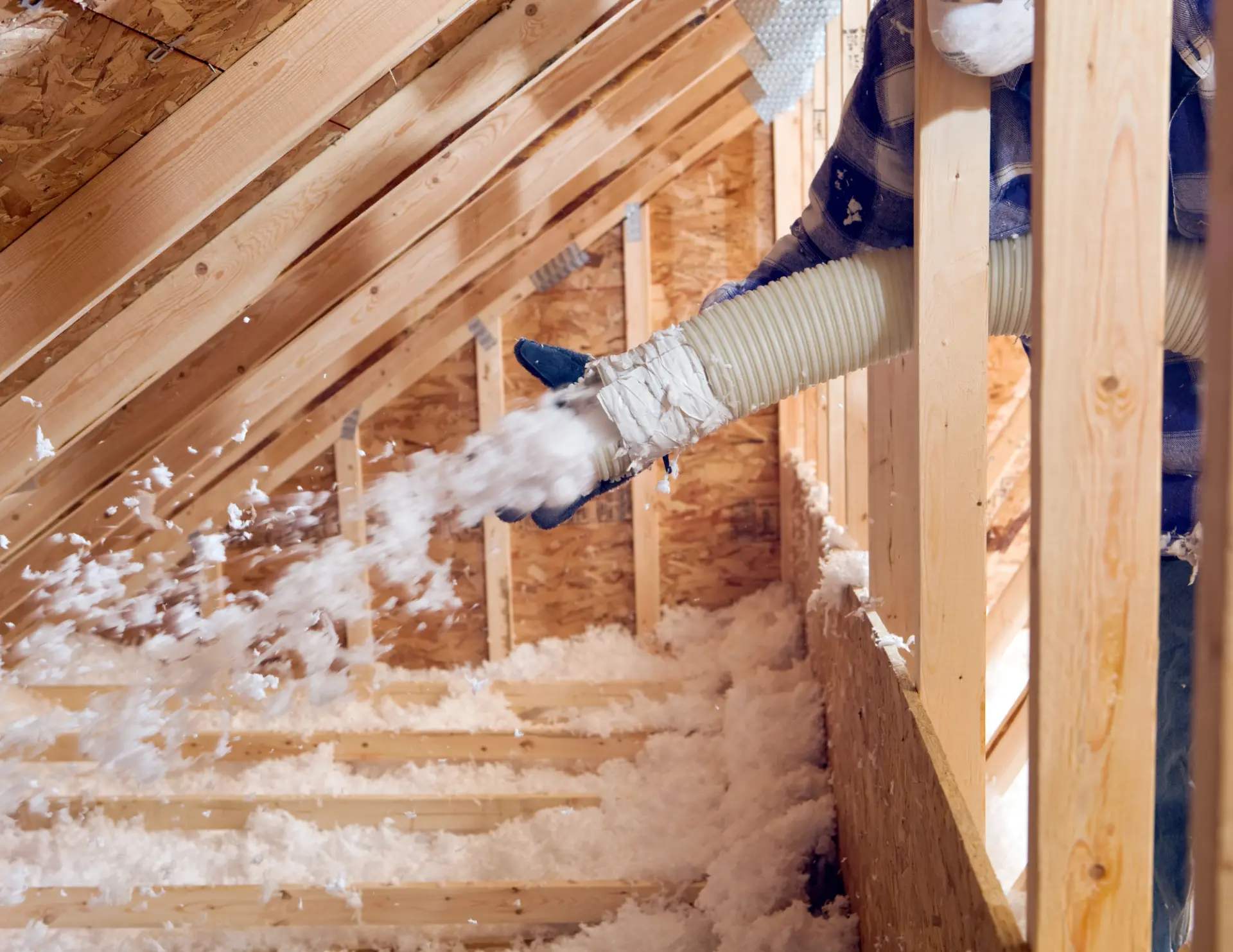
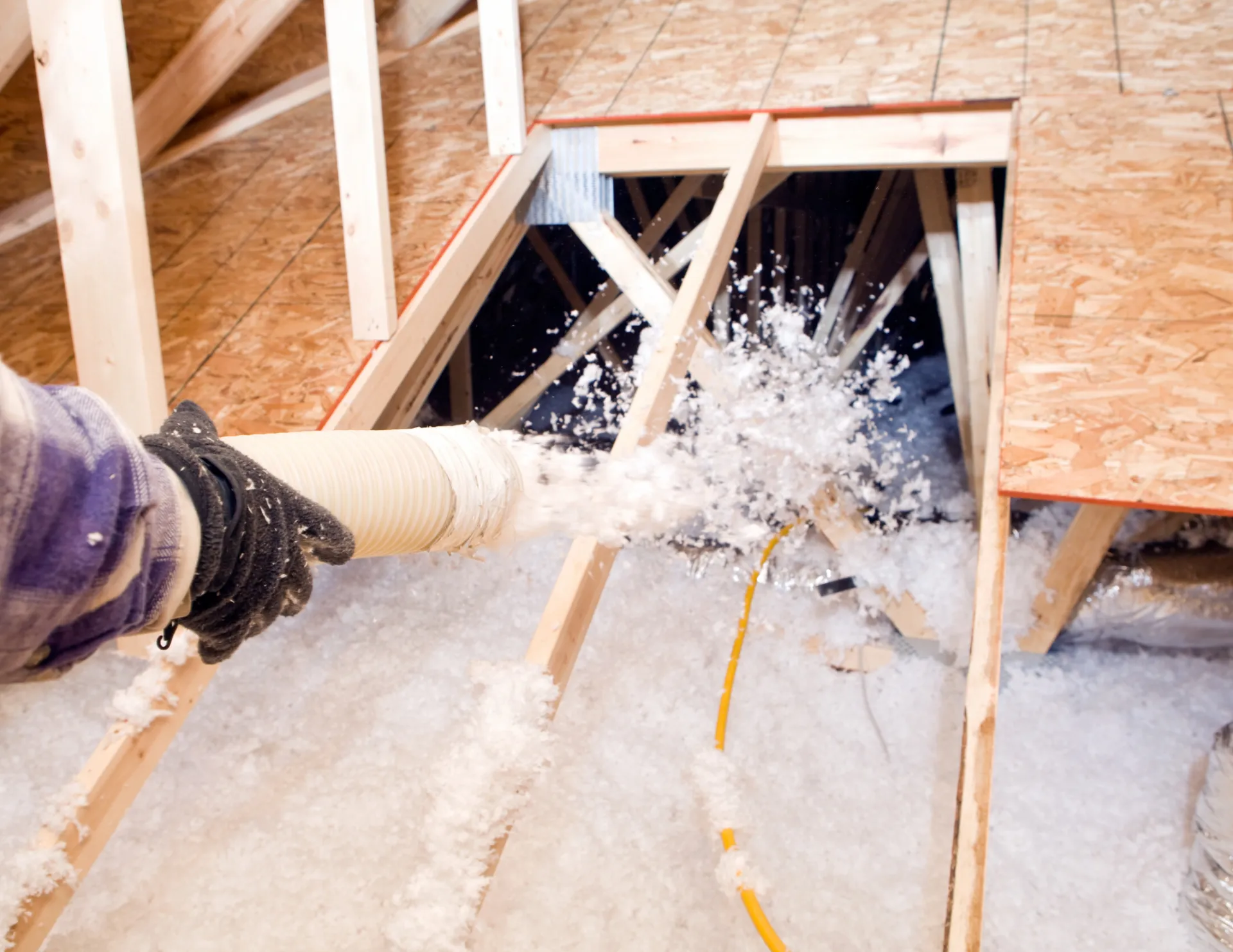
If the problem is primarily upstairs, look toward the attic.
During a Colorado summer, attic temperatures can become dramatically hotter than the living space below.
Without adequate insulation, heat can transfer through the ceiling and into the room.
This is one reason upstairs bedrooms are often hotter than downstairs rooms.
Signs that attic insulation may be contributing include:
- Upstairs rooms are consistently hotter
- The problem gets worse during sunny afternoons
- The ceiling feels warm
- Your air conditioner runs for long periods
- Your energy bills are higher during summer
- Some upstairs rooms are worse than others
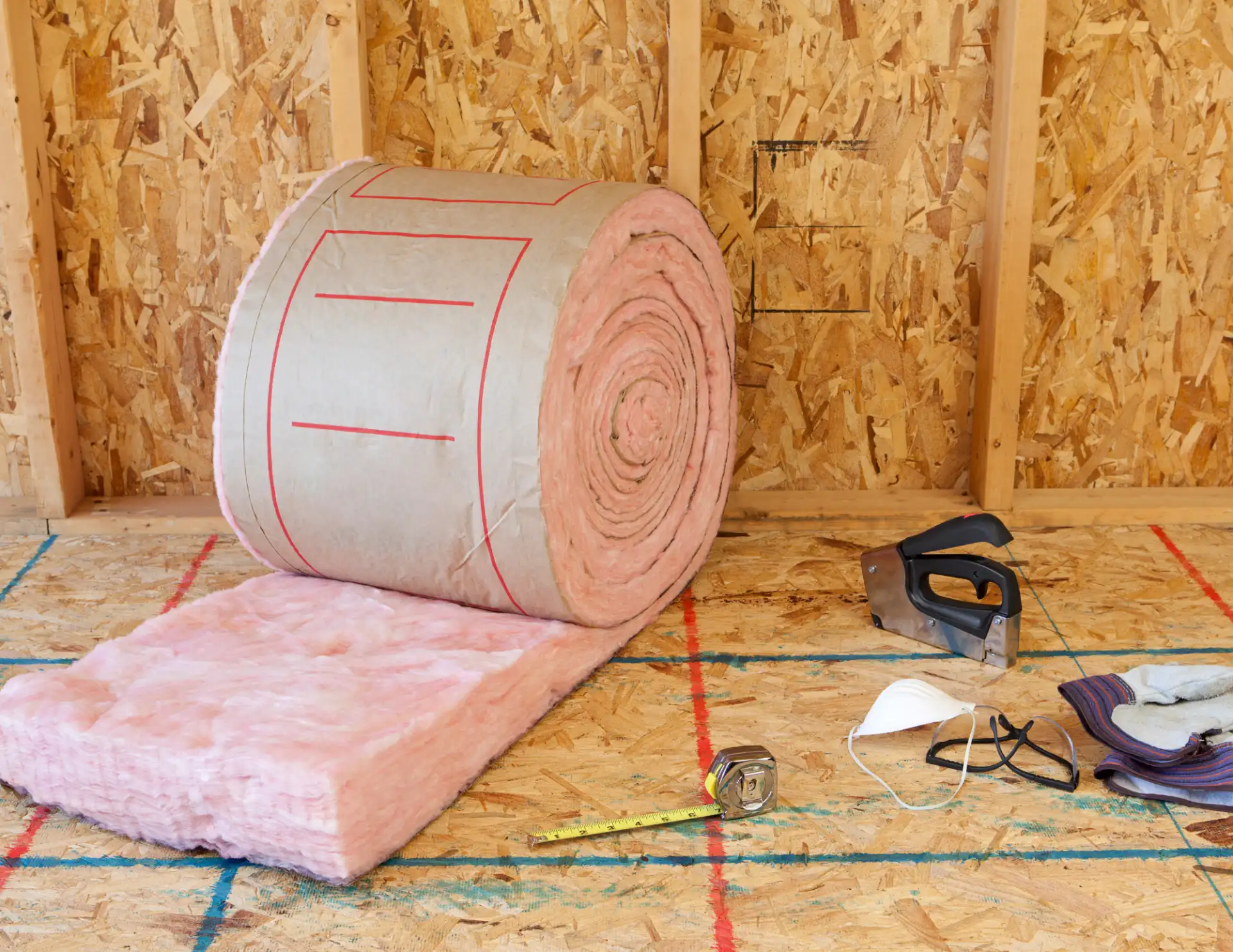
Adding or improving attic insulation can help slow heat transfer between the attic and your living space.
3. Your Home May Need Better Air Sealing
Insulation isn't the only factor that matters.
Your home also needs to control the movement of air.
Small gaps and openings around your home's building envelope can allow conditioned air to escape while allowing hot outdoor air to enter.
Potential air leakage points include:
- Windows
- Doors
- Attic hatches
- Plumbing penetrations
- Electrical penetrations
- Recessed lights
- Ductwork
- Wall cavities
A room with more air leakage may be noticeably harder to keep cool.
That's why air sealing and insulation often work best together.
Insulation slows heat transfer.
Air sealing helps stop unwanted airflow.
4. Your HVAC System May Not Be Delivering Enough Air
Sometimes the problem isn't the room itself.
It's the HVAC system.
Your heating and cooling system distributes conditioned air through ductwork. If a particular room isn't receiving enough air, it may never reach the same temperature as the rest of the house.
Check the supply vent in the room.
Is air actually coming out?
Does it feel significantly weaker than the vents in other rooms?
If so, airflow may be part of the problem.
Potential causes can include:
- Blocked vents
- Closed dampers
- Ductwork problems
- Leaky ducts
- Poorly designed ductwork
- Restrictions in the system
- An undersized duct
A professional HVAC evaluation can help determine whether airflow is the issue.
5. Your Ductwork Could Be Leaking
Your HVAC system may be producing plenty of cold air—but that doesn't mean all of it is reaching the room.
Ductwork can develop leaks at:
- Seams
- Connections
- Joints
- Flexible duct sections
- Registers
- Other connections
If conditioned air escapes before it reaches the room, that room may receive less cooling than intended.
Ductwork located in hot attics can be particularly important to evaluate.
If cool air is traveling through a very hot space, poorly insulated or damaged ducts can make the system less effective.
6. The Room May Be Over a Garage
Bedrooms and rooms located above garages are notorious for temperature problems.
Why?
Because the garage is typically outside the home's conditioned living envelope.
During summer, the garage can become extremely hot.
That heat can transfer upward into the room above.
During winter, the opposite problem can occur—the room may become unusually cold.
If the room above your garage is consistently uncomfortable, insulation between the garage and living space may be worth investigating.
Improving insulation and air sealing in this area can sometimes make a significant difference.
7. Your Windows May Be Contributing
Windows are one of the largest openings in your home's exterior envelope.
Older or inefficient windows can allow heat to enter during the summer and escape during the winter.
Look for:
- Single-pane glass
- Failed seals
- Drafts
- Condensation between panes
- Damaged frames
- Poor weatherstripping
- Significant heat around the glass
Large windows can be particularly problematic in rooms that receive strong afternoon sunlight.
Replacing old windows isn't always the first solution, but if the windows are outdated or failing, they may be part of the problem.
8. Your Exterior Walls May Have Insufficient Insulation
Your attic isn't the only place insulation matters.
Exterior walls also separate your conditioned living space from outdoor temperatures.
If a room has an exterior wall with insufficient insulation, it may gain heat more quickly during the summer.
This can be especially noticeable in:
- Older homes
- Additions
- Converted spaces
- Rooms that have been remodeled
- Areas where insulation may have been disturbed
Wall insulation can be more difficult to upgrade than attic insulation because access may require opening the wall.
For that reason, it's often worth evaluating during a remodeling project.
9. Your Room May Have Poor Airflow Because of Its Location
Some rooms naturally have more challenging airflow.
For example, a room at the end of a long duct run may receive less conditioned air than rooms closer to the HVAC equipment.
Rooms with:
- High ceilings
- Large windows
- Multiple exterior walls
- Poorly placed vents
- Large square footage
may also have different heating and cooling requirements.
This doesn't necessarily mean your HVAC system is defective.
It may simply mean that the home's original design doesn't distribute conditioned air evenly.
10. Your HVAC System Could Be Too Small—or Too Large
HVAC sizing matters.
An undersized system may struggle to keep up with the cooling demand during hot weather.
But bigger isn't always better.
An oversized air conditioner can cycle on and off too quickly rather than running long enough to properly cool and dehumidify the home.
If you're consistently experiencing temperature differences throughout your home, it's worth having the system evaluated rather than assuming you need a larger unit.
11. Your Thermostat May Not Represent the Temperature in That Room
Your thermostat only knows the temperature where the thermostat is located.
If it's downstairs in a hallway, it may be perfectly comfortable there while an upstairs bedroom is much warmer.
The HVAC system may shut off because the thermostat has reached the desired temperature—even though another part of the house is still uncomfortable.
This is one reason zoning systems and smart thermostats can sometimes help homes with significant temperature differences.
However, technology can't fix an underlying insulation, ductwork, or airflow problem.
12. Your Doors Could Be Affecting Airflow
Interior doors can affect how air moves throughout a home.
If a room doesn't have adequate return airflow, closing the door can make the problem worse.
You may notice this in:
- Bedrooms
- Offices
- Guest rooms
- Finished basements
If a room becomes noticeably hotter when the door is closed, airflow balance may be worth investigating.
The solution may involve changes to ventilation or return-air pathways rather than simply turning up the AC.
13. Your Attic Ventilation May Need Attention
Attic ventilation is another piece of the puzzle.
Proper attic ventilation helps manage heat and moisture in the attic space.
If your attic becomes excessively hot, it can increase the amount of heat your home has to deal with.
Ventilation doesn't replace insulation, and adding vents isn't automatically the answer.
The attic needs to be evaluated as a complete system that includes:
- Insulation
- Air sealing
- Ventilation
- Roof design
A professional can help determine whether the attic is performing as it should.
Why Colorado Springs Homes Can Have Uneven Temperatures
Colorado Springs presents several environmental challenges for homeowners.
During summer, strong sunlight and warm temperatures can create significant heat gain.
During winter, cold temperatures can expose weaknesses in insulation and air sealing.
Add in Colorado's high elevation, dry climate, temperature swings, and intense sun, and homes can experience significant thermal stress.
That's why a house that feels comfortable in the morning can become noticeably hotter by afternoon.
It's also why the solution isn't always simply "turn down the thermostat."
Why Turning Down the Thermostat Doesn't Fix the Problem
If one room is consistently hotter, you might naturally respond by lowering the thermostat.
But this doesn't necessarily solve the underlying issue.
Instead, your HVAC system may simply run longer trying to cool the rest of the house while the problem room remains uncomfortable.
That can mean:
- More energy use
- Longer HVAC cycles
- Increased equipment wear
- Uneven temperatures
- Higher utility bills
The better approach is to identify why that room is gaining or retaining more heat than the others.
How to Troubleshoot a Hot Room
Before making major changes, take a few minutes to observe the room.
Step 1: Check the Vent
Is air coming out?
Is the airflow weaker than other rooms?
Step 2: Check the Windows
Does the room receive direct sunlight?
Do the windows feel unusually hot?
Are there drafts?
Step 3: Check the Door
Does the room get significantly hotter when the door is closed?
Step 4: Think About the Location
Is the room:
- Upstairs?
- Over a garage?
- On an exterior corner?
- Under the attic?
- On the west side of the home?
Step 5: Check the Attic
If accessible, look at the insulation.
Is it evenly distributed?
Does it appear thin?
Are there obvious gaps?
Step 6: Compare Temperatures
Use a thermometer to compare the room with other parts of the house.
A consistent temperature difference can provide useful information when a professional evaluates the problem.
Should You Replace Your HVAC System?
Not necessarily.
This is an important point.
A hot room doesn't automatically mean you need a new air conditioner.
In some cases, the solution may be:
- Air sealing
- Additional insulation
- Duct repair
- Duct insulation
- Improved airflow
- Window upgrades
- Shading
- HVAC balancing
That's why diagnosing the problem before replacing expensive equipment is important.
If your HVAC system is old or failing, replacement may eventually make sense—but don't assume it's the first step.
When Insulation Is the Better Solution
Insulation may be a strong candidate when:
- The room is directly below the attic
- The ceiling becomes very warm
- The room is above an unconditioned garage
- Your home has visibly insufficient insulation
- Temperature differences are worse during extreme weather
Improving insulation can help your home retain conditioned air and reduce heat transfer.
It can also improve winter comfort, making insulation a year-round improvement rather than a summer-only fix.
When Windows May Be the Better Solution
Windows may deserve more attention when:
- The room receives direct afternoon sun
- The glass becomes extremely hot
- Windows are old
- You have single-pane windows
- Seals are failing
- You notice drafts
- The room is uncomfortable near the windows
Replacing windows can improve comfort, energy efficiency, and overall appearance.
When Electrical Work Could Be Part of the Solution
Electrical systems aren't typically the first thing people think about when diagnosing a hot room.
However, electrical upgrades can become relevant when you're addressing other improvements.
For example, a remodel might include:
- New lighting
- Ceiling fans
- Additional outlets
- Improved ventilation
- Smart-home controls
A ceiling fan won't actually lower the room's temperature, but it can improve perceived comfort by increasing air movement.
And if you're already remodeling the space, upgrading the electrical system at the same time can make sense.
Consider the Whole Home, Not Just the Hot Room
One of the biggest mistakes homeowners make is treating a temperature problem as isolated when it may actually be part of a larger issue.
For example:
Hot upstairs + cold downstairs could indicate airflow or zoning issues.
Hot room + warm ceiling could indicate insufficient attic insulation.
Hot room + large west-facing windows could indicate solar heat gain.
Hot room + weak vent airflow could indicate ductwork or airflow problems.
Hot room above garage could indicate insufficient insulation between conditioned and unconditioned spaces.
The right solution depends on the cause.
How HOMEfix Can Help
If one room in your Colorado Springs home is always hotter than the rest, you don't necessarily need to live with it.
HOMEfix can help identify and address many of the home improvement issues that contribute to uneven temperatures.
Depending on the cause, solutions may involve:
- Attic insulation
- Air sealing
- Windows
- Entry doors
- Drywall
- Electrical
- Remodeling
- Roofing
- HVAC-related improvements
And because HOMEfix offers one team, every service, you don't have to figure out which contractor to call for every piece of the problem.
Maybe the room needs insulation.
Maybe the windows are the culprit.
Maybe you're already planning a remodel and want to address the underlying issues while the walls are open.
A whole-home approach can help you focus your budget on the improvements that will actually make a difference.
Frequently Asked Questions
Why is one bedroom hotter than the rest of the house?
A bedroom can be hotter because of direct sunlight, inadequate insulation, poor HVAC airflow, ductwork problems, insufficient return air, inefficient windows, or its location within the home.
Why is my upstairs hotter than downstairs?
Heat naturally rises, and upstairs spaces are often closer to the hot attic and roof. Insufficient attic insulation, poor air sealing, ductwork problems, and solar heat gain can all make upstairs rooms significantly warmer.
Why is my room hot even when the AC is running?
If the HVAC system is operating but the room remains hot, the issue may be airflow, ductwork, insulation, air leakage, windows, solar heat gain, or HVAC sizing.
Can insulation make one room cooler?
Improving insulation can reduce heat transfer into a room, particularly when the room is below an attic or adjacent to an unconditioned space. The effectiveness depends on the existing insulation and the source of the heat gain.
Should I replace my windows if one room is hot?
Not necessarily. Windows may be contributing, particularly if the room receives direct sunlight or has old, inefficient windows. However, insulation, air sealing, and HVAC airflow should also be evaluated before deciding on replacement windows.
Why is my room hotter when the door is closed?
A closed interior door can restrict airflow if the room doesn't have an adequate return-air pathway. If the temperature changes significantly when you close the door, airflow balance may be part of the problem.
Can a ceiling fan cool a hot room?
A ceiling fan can make a room feel more comfortable by increasing air movement, but it doesn't actually lower the room's temperature. If the room is significantly hotter than the rest of the house, it's better to identify the underlying cause.
Don't Just Turn Down the Thermostat—Find the Problem
If one room in your Colorado Springs home is always hotter than the others, there's probably a reason.
It could be something as simple as afternoon sun hitting an inefficient window.
It could be insufficient attic insulation.
It could be a ductwork or airflow issue.
Or it could be a combination of several factors.
The important thing is not to assume that the answer is automatically a new HVAC system.
Start by looking at the room itself, where it's located, how air reaches it, how much sunlight it receives, and how well it's separated from the outdoor environment.
Then prioritize the improvement that addresses the actual problem.
At HOMEfix, we help Colorado Springs homeowners tackle those problems from the inside out—from insulation and windows to electrical, remodeling, roofing, and more.
Because when your home isn't comfortable, you shouldn't have to become an expert in every system just to figure out why.
One team. Every service. A more comfortable home.