You set your thermostat to 72°F, but by bedtime your upstairs feels like it's 80°. Sound familiar?
It's one of the most common complaints homeowners have during the summer, especially in two-story homes. While your downstairs may feel perfectly comfortable, your bedrooms can become stuffy, warm, and difficult to sleep in.
Many people assume their air conditioner is failing, but that's not always the case.
In reality, several factors can cause uneven temperatures throughout your home, and many of them have nothing to do with replacing your AC unit.
For homeowners in Colorado Springs, our high elevation, strong summer sun, and dramatic day-to-night temperature swings can make upstairs heat even more noticeable.
The good news? Most causes can be identified and addressed with the right approach.
Heat Rises
Before diving into specific problems, it's important to understand a simple principle of physics:
Warm air naturally rises.
As your home heats up throughout the day, warm air moves upward and collects on the second floor. If your home isn't designed or maintained to manage that heat effectively, the upstairs becomes noticeably warmer than the main level.
This is completely normal—but excessive temperature differences usually indicate another issue that's making the problem worse.
1. Your Attic Is Getting Extremely Hot
One of the biggest contributors to hot upstairs rooms is the attic.
On a sunny summer afternoon, attic temperatures can climb well above 120°F. That trapped heat radiates downward through the ceiling into the rooms below.
If your attic isn't properly insulated or ventilated, your second floor essentially sits beneath a giant heat source.
Signs your attic may be contributing:
- Upstairs ceilings feel warm to the touch
- Bedrooms heat up quickly during the afternoon
- Temperatures improve after sunset
- Your AC runs constantly on hot days
Improving attic insulation and ventilation can dramatically reduce heat transfer into your living space.
2. Your Home Doesn't Have Enough Attic Insulation
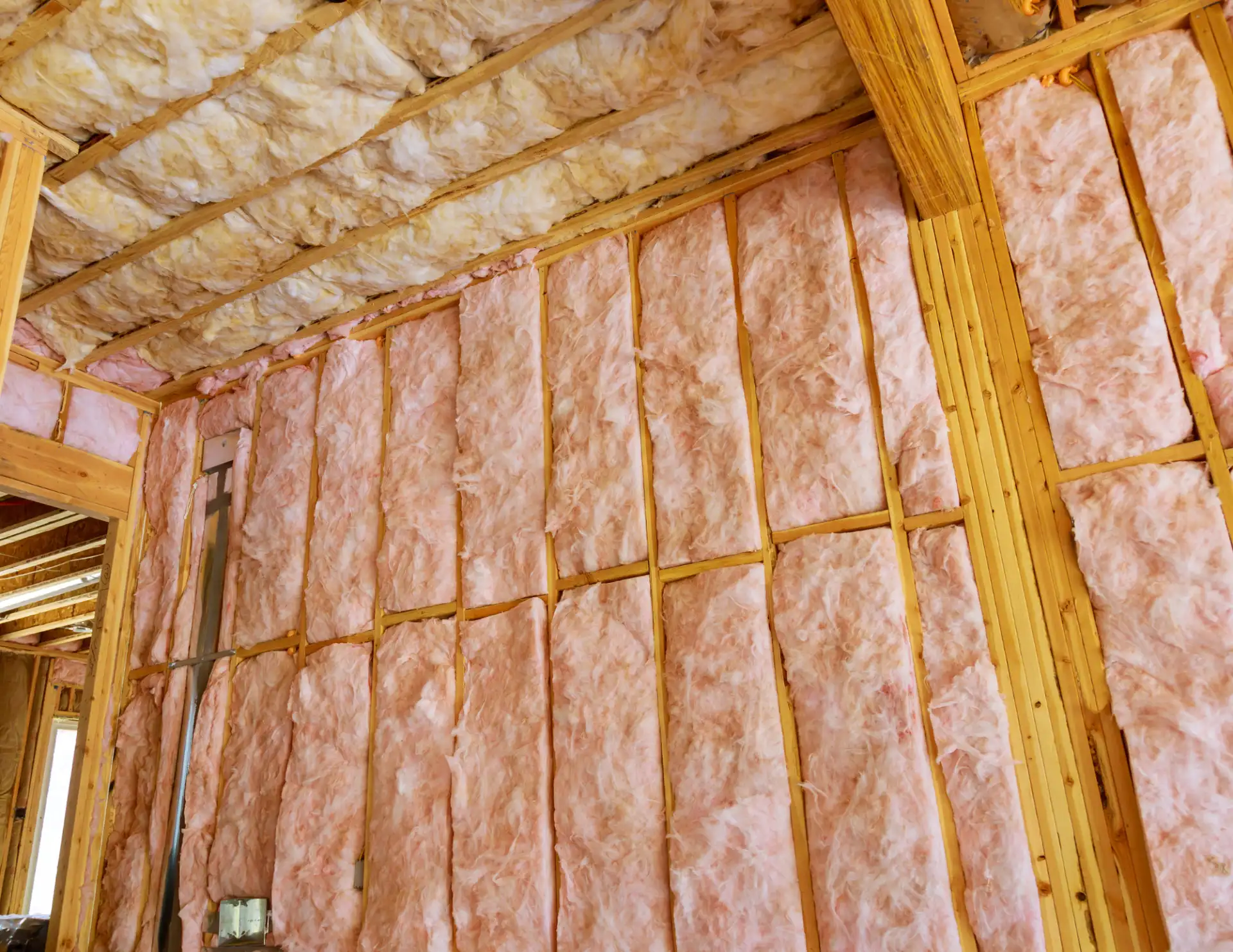
Insulation acts like a thermal barrier between your home and the attic.
Without enough insulation, heat easily moves through the ceiling and into your upstairs rooms.
Older Colorado Springs homes are especially likely to have insufficient insulation because building codes have changed significantly over the past several decades.
Common signs include:
- Hot upstairs during summer
- Cold upstairs during winter
- High utility bills
- HVAC running longer than expected
- Uneven room temperatures
Many homeowners are surprised to learn that adding insulation is often less expensive than replacing an HVAC system—and can significantly improve comfort.
3. Poor Attic Ventilation
Insulation and ventilation work together.
Even with adequate insulation, an attic that cannot release hot air will continue to build excessive heat throughout the day.
Proper attic ventilation allows cooler outside air to enter while hot air escapes through roof vents or ridge vents.
Without this airflow, heat becomes trapped.
Poor ventilation can lead to:
- Overheated attic spaces
- Increased cooling costs
- Premature roof aging
- Moisture buildup
- Reduced HVAC efficiency
4. Your Air Conditioner Is Working Harder Than It Should
Sometimes the AC isn't broken—it simply can't keep up.
If your home is losing cool air through poor insulation, air leaks, or duct issues, your system must run longer to maintain the desired temperature.
This can create the impression that the upstairs "never cools off."
Before replacing your HVAC system, it's often worth evaluating how efficiently your home is retaining conditioned air.
5. Leaky or Poorly Designed Ductwork
Your air conditioner depends on ductwork to deliver cool air throughout the home.
If ducts serving the second floor have leaks or poor airflow, those rooms may never receive enough conditioned air.
Common ductwork issues include:
- Air leaks
- Crushed ducts
- Loose connections
- Poor design
- Dirty ducts
- Blocked vents
Many duct systems run through extremely hot attics, meaning any leaks allow cooled air to escape before it reaches your bedrooms.
6. Your HVAC System May Be the Wrong Size
Bigger isn't always better.
An oversized air conditioner cools the home too quickly without properly removing humidity or evenly distributing air.
An undersized unit may struggle to cool the home during peak summer temperatures.
Proper sizing depends on factors like:
- Square footage
- Ceiling height
- Window placement
- Insulation
- Sun exposure
- Home orientation
A professional load calculation is the best way to determine whether your HVAC system is appropriately sized.
7. Sunlight Through Windows
Colorado Springs enjoys more than 240 sunny days each year.
While that's great for outdoor activities, direct sunlight can dramatically increase indoor temperatures.
Second-story bedrooms often receive intense afternoon sun, especially those with west-facing windows.
Ways to reduce solar heat gain include:
- Blackout curtains
- Cellular shades
- Solar window film
- Exterior awnings
- Energy-efficient replacement windows
Blocking sunlight before it enters the home can make a noticeable difference.
8. Air Leaks Throughout Your Home
Even small gaps around your home allow conditioned air to escape while letting hot outdoor air enter.
Common leakage areas include:
- Attic access panels
- Recessed lighting
- Plumbing penetrations
- Electrical openings
- Window frames
- Door weatherstripping
Air sealing is often one of the most cost-effective ways to improve comfort.
9. Closed or Blocked Air Vents
Some homeowners close vents in unused rooms hoping to save energy.
Unfortunately, this can disrupt airflow throughout the HVAC system.
Similarly, furniture, rugs, or curtains covering supply or return vents can reduce airflow upstairs.
Take a quick walk through your home and ensure:
- Supply vents are open
- Return vents are unobstructed
- Furniture isn't blocking airflow
Sometimes the solution is simpler than expected.
10. Your Thermostat Location
Your thermostat tells your HVAC system when to turn on and off.
If it's located downstairs—where temperatures are naturally cooler—it may signal that the home has reached the desired temperature while the upstairs is still several degrees warmer.
In homes with significant temperature differences, zoning systems or smart thermostats may provide better control.
Should You Replace Your Air Conditioner?
Not necessarily.
Many homeowners assume uneven temperatures mean it's time for a new AC system.
In reality, replacing your air conditioner without addressing insulation, ductwork, or airflow issues may not solve the problem.
Before investing in a replacement, it's worth evaluating the entire home.
Often, improving insulation or sealing air leaks can dramatically increase comfort while helping your existing system perform better.
How to Keep Your Upstairs Cooler This Summer
If you're looking for immediate improvements, consider these strategies:
Schedule an HVAC Tune-Up
Routine maintenance ensures your system is operating as efficiently as possible.
Improve Attic Insulation
A properly insulated attic helps keep heat out of your living space.
Check Your Attic Ventilation
Proper airflow reduces attic temperatures and improves overall home performance.
Seal Air Leaks
Stopping conditioned air from escaping helps maintain consistent temperatures.
Upgrade to a Smart Thermostat
Some smart thermostats allow better scheduling and monitoring of indoor temperatures.
Install Ceiling Fans
Fans don't lower the air temperature, but they improve air circulation and make rooms feel cooler.
Keep Blinds Closed During Peak Sunlight
Blocking direct sunlight can significantly reduce heat gain.
When Should You Call a Professional?
If you've tried adjusting vents and changing your thermostat settings but your upstairs still feels uncomfortable, it's time for a more comprehensive evaluation.
A professional can assess:
- HVAC performance
- Attic insulation
- Ventilation
- Ductwork
- Air leakage
- System sizing
Because these systems work together, identifying the root cause is more effective than guessing.
How HOMEfix Helps Colorado Springs Homeowners Stay Comfortable
Keeping your upstairs cool isn't always about buying a bigger air conditioner.
Often, the solution involves improving the way your entire home performs.
At HOMEfix, we help Colorado Springs homeowners identify the real causes of uneven temperatures through a whole-home approach. Whether your home needs attic insulation, HVAC service, ductwork improvements, electrical upgrades, or a complete remodel, our experienced team can help improve comfort from the roof down.
With one team, every service, you don't have to coordinate multiple contractors or wonder which improvement to tackle first.
If your upstairs feels like a different climate every summer, we'll help you find the cause—and recommend solutions that make your entire home more comfortable and energy efficient.
Frequently Asked Questions
How much hotter should my upstairs be than my downstairs?
A difference of 2–4 degrees is fairly common in two-story homes. If you're seeing a difference of 5 degrees or more, it may indicate issues with insulation, airflow, ductwork, or HVAC performance.
Will more attic insulation make my upstairs cooler?
In many cases, yes. Proper attic insulation helps reduce heat transfer from the attic into your living spaces, making upstairs rooms more comfortable and reducing the workload on your HVAC system.
Should I replace my AC if my upstairs is hot?
Not necessarily. Many comfort issues stem from insulation, ventilation, ductwork, or air leaks rather than the air conditioner itself. A whole-home evaluation can identify the actual cause before you invest in a new system.
Why is my upstairs only hot during the afternoon?
Afternoon sun, especially on west-facing walls and windows, combined with rising heat and a hot attic, often causes upstairs temperatures to peak later in the day.