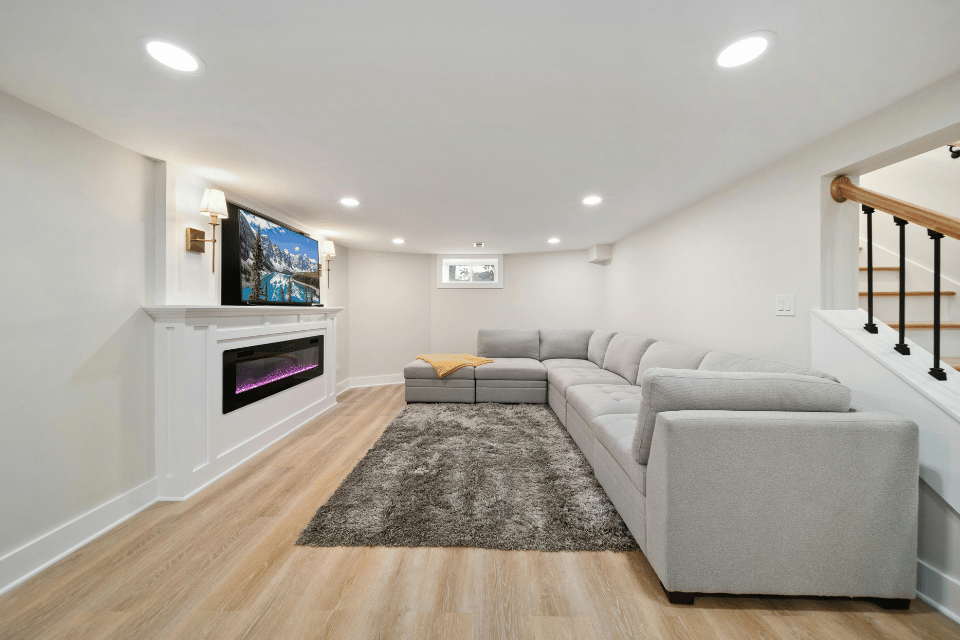
If you've ever turned up the thermostat only to find yourself sitting in a cold room, you're not alone. A drafty house is a common frustration for homeowners, especially when temperatures drop and cold air starts finding its way inside.
Maybe you notice a chill near the living room windows. Perhaps one bedroom is consistently colder than the rest of the house, or your heating system seems to run constantly without making things comfortable. You might even feel cold air moving around your feet despite the thermostat showing a perfectly reasonable temperature.
So, why is your house so drafty?
The answer isn't always as simple as old windows. Drafts can come from gaps around doors, poorly sealed attic openings, insufficient insulation, leaky ductwork, and other parts of your home's building envelope. Sometimes, several small problems combine to create a noticeable difference in comfort.
For homeowners in Colorado Springs, these issues can become particularly noticeable during cold weather. Temperature swings, winter winds, and the region's dry climate can make it important to pay attention to how well your home holds conditioned air.
The good news is that you don't necessarily need a major renovation to make your home more comfortable. Identifying the source of the drafts is the first step toward choosing the right solution.
Here are seven common reasons your house may feel drafty, what you can do about them, and when it may be time to call a professional.
1. Your Windows Are Letting Air In
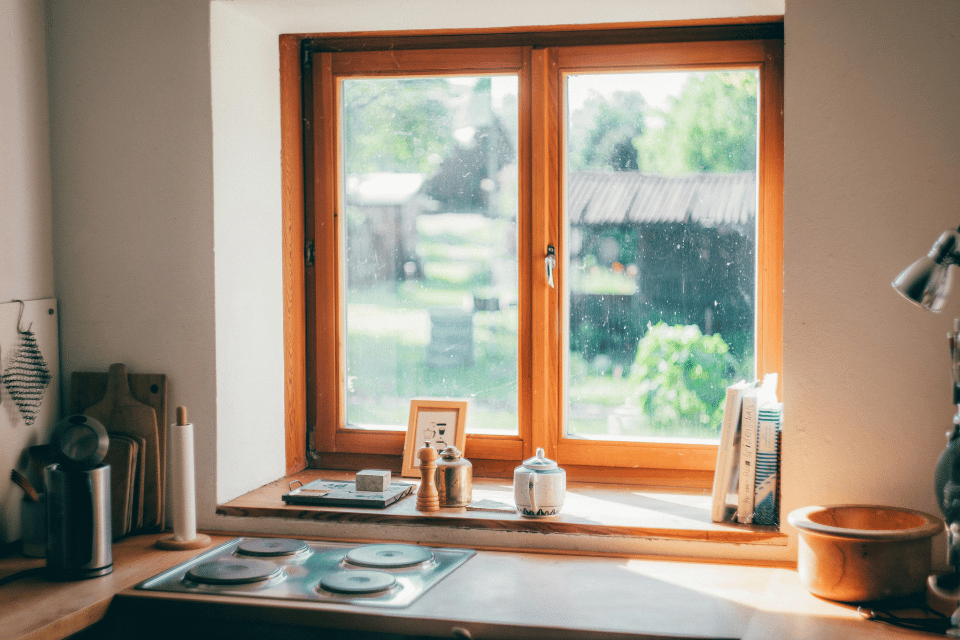
Windows are one of the first places homeowners suspect when they feel a draft, and for good reason. Windows create openings in your home's exterior walls, and the way they're installed, sealed, and maintained affects how well they keep outdoor air outside.
However, not every uncomfortable window indicates the same problem.
Sometimes air is leaking around the frame. In other cases, the window itself has deteriorated seals, worn weatherstripping, or hardware that no longer pulls the sash tightly into place. Older single-pane windows can also feel cold even when they're relatively airtight because the glass transfers heat more readily than modern insulated glazing.
Understanding the difference helps you determine whether your windows need a small repair or a more substantial upgrade.
Common signs of drafty windows
Look for these warning signs:
- You feel moving air around the edges of the window.
- Curtains move when the window is closed and there is no obvious indoor airflow source.
- The area around the window feels noticeably colder than the rest of the room.
- You see gaps, cracked caulk, or deteriorated weatherstripping.
- Condensation repeatedly forms on the inside of the glass.
- Your windows are difficult to lock or don't close tightly.
Some of these signs, particularly condensation, can have multiple causes. For example, condensation may result from high indoor humidity and cold glass rather than an air leak.
The location of the discomfort is useful information. If you feel air moving around the frame, the issue may involve the window's perimeter seal or installation. If the glass simply feels cold, the glazing's insulating performance may be part of the problem.
How to fix drafty windows
Start with a visual inspection. Check the caulking around the interior and exterior window trim where accessible, look for damaged weatherstripping, and make sure the windows close and lock properly.
Depending on the problem, possible solutions include:
- Replacing worn weatherstripping.
- Repairing or replacing deteriorated caulk.
- Adjusting window hardware.
- Sealing gaps between the window frame and the surrounding wall.
- Adding properly fitted interior window coverings.
- Installing storm windows where appropriate.
- Replacing inefficient or deteriorated windows.
Temporary window insulation film can also help reduce heat loss through certain windows during winter. However, it won't correct a damaged frame or a significant air leak around the installation.
When should you replace your windows?
Window replacement may make sense if the frames are damaged, the windows no longer operate properly, seals have failed, or the existing units provide inadequate thermal performance.
Modern windows can improve comfort, reduce unwanted heat transfer, and make it easier to maintain consistent indoor temperatures. Depending on the product and installation, they may also help reduce outdoor noise.
That said, replacing every window isn't automatically the best first step. If the main problem is a gap between the frame and the wall, sealing the gap may be more effective than installing a new window without addressing the underlying issue.
HOMEfix tip: If you're considering window replacement in Colorado Springs, evaluate the condition of the existing windows and the surrounding installation before deciding what needs to be replaced.
2. Your Exterior Doors Have Gaps
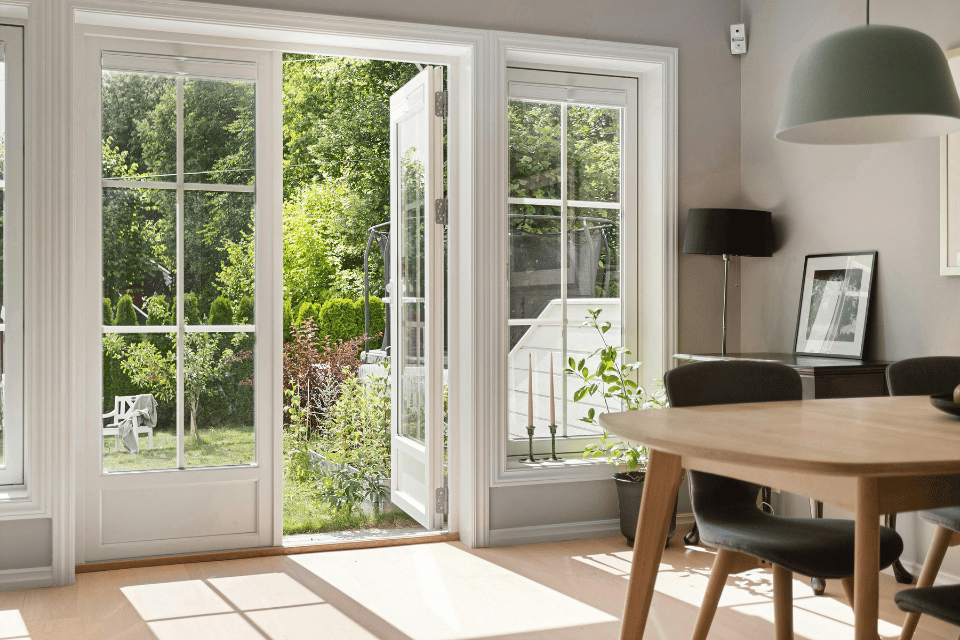
A door that looks closed isn't necessarily sealed against outdoor air.
Over time, weatherstripping can compress, tear, or deteriorate. Door thresholds can wear down, hinges can loosen, and the door itself may shift slightly within the frame.
Even a relatively small gap can create a noticeable draft when cold air moves across the floor.
Exterior doors are particularly important because they're frequently used, exposed to the elements, and often located near high-traffic areas where people spend time entering and leaving the house.
Check the bottom of your doors first
One of the most common places for a door draft is the bottom edge.
If you can see daylight underneath a closed exterior door, the threshold or door sweep may need adjustment or replacement. Depending on the door and flooring, the gap may also result from improper installation or changes in the door's alignment.
Next, inspect the sides and top of the door. The weatherstripping should make consistent contact with the closed door without preventing it from latching properly.
Look for cracked rubber seals, flattened foam, loose pieces, or sections that have pulled away from the frame.
How to stop drafts around doors
Many door drafts can be addressed without replacing the entire door.
Potential solutions include:
- Replacing worn weatherstripping.
- Installing or adjusting a door sweep.
- Repairing gaps around the door frame.
- Adjusting hinges and latch hardware.
- Replacing a damaged threshold.
- Sealing gaps between the frame and surrounding wall.
- Replacing the door if it is significantly warped or deteriorated.
A door sweep can be an inexpensive improvement, but it needs to be fitted correctly. A sweep that leaves gaps at the corners won't provide a complete seal, while one that presses too firmly against the floor can interfere with opening and closing.
Also pay attention to the door's condition. A warped exterior door may not seal evenly even if the weatherstripping is relatively new.
Don't forget less frequently used doors
Doors leading to garages, utility areas, and secondary entrances can also contribute to discomfort.
If your home has an attached garage, make sure the door separating the garage from the living space is appropriately weatherstripped and closes securely. This is important not only for comfort but also for limiting the movement of garage air into the house.
Garage-to-house doors and other doors with fire-resistance requirements should retain the features required by applicable building codes. Don't modify them in ways that compromise their safety ratings.
Design tip: If you're replacing an exterior door, consider its insulation performance, weatherstripping system, threshold design, and installation quality together. A well-insulated door won't perform as intended if air can move freely around its frame.
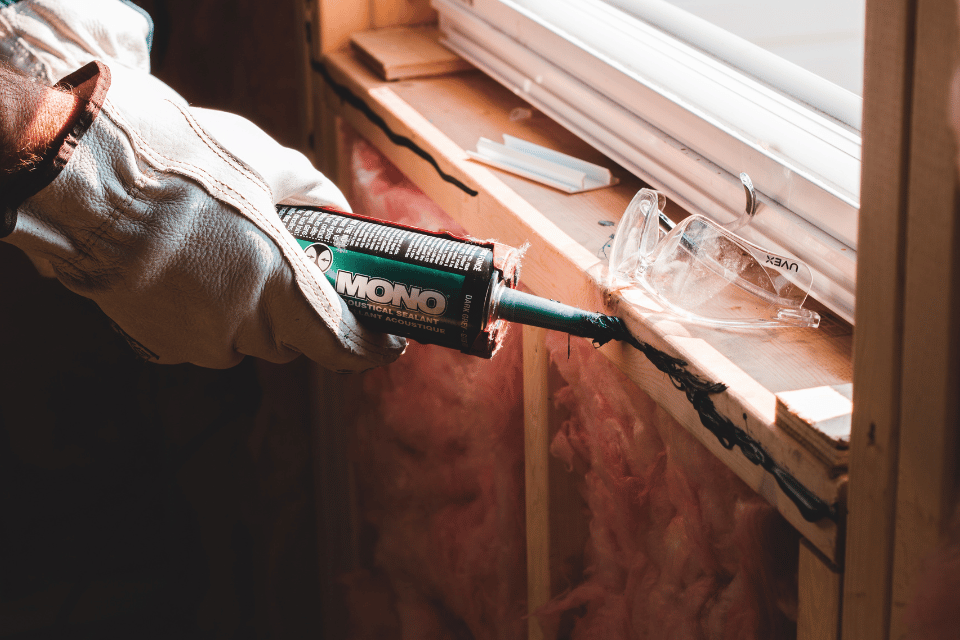
3. Your Home Doesn't Have Enough Insulation
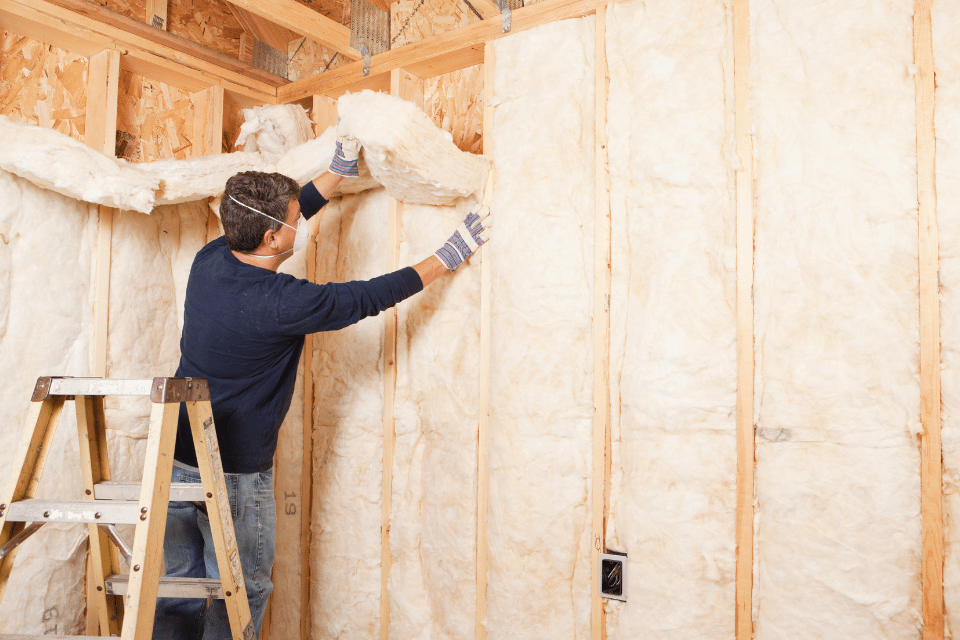
Insulation helps slow the transfer of heat between your home and the outdoors. When insulation is missing, damaged, compressed, or inadequate for the home's conditions, rooms can become uncomfortable even if there isn't an obvious air leak.
This is particularly noticeable during winter, when heat moves from warmer indoor spaces toward colder outdoor areas.
Insulation problems can occur in attics, exterior walls, floors above unconditioned spaces, and other parts of the home.
Signs your home may need more insulation
You may have an insulation issue if:
- Upstairs rooms are significantly hotter in summer or colder in winter.
- Certain exterior walls feel unusually cold.
- Snow melts unevenly across different sections of your roof.
- Your heating and cooling systems struggle to maintain consistent temperatures.
- The house feels uncomfortable despite relatively few obvious drafts.
- You experience large temperature differences between floors.
None of these signs proves that insulation is the problem, but they can indicate that further evaluation is worthwhile.
Why attic insulation matters
Heat naturally moves through your home's building envelope. In cold weather, a poorly insulated attic can allow significant heat loss through the ceiling.
An attic may also contain gaps around recessed lights, plumbing penetrations, electrical wiring, attic hatches, and other openings. Insulation slows heat transfer, while air sealing reduces the movement of air through these gaps.
Both matter.
Adding insulation without addressing major air leaks may leave some problems unresolved. Similarly, sealing gaps without providing adequate insulation may not deliver the improvement you're looking for.
The appropriate approach depends on the home's construction, existing insulation, ventilation, and moisture conditions.
What about wall insulation?
Exterior walls can be harder to evaluate because the insulation is usually hidden behind drywall or other finishes.
In older homes, insulation may be missing, settled, or less effective than modern options. Renovations can provide an opportunity to assess wall insulation, particularly when drywall or siding is already being removed.
However, adding insulation to existing walls can involve specialized equipment and may not be appropriate for every wall assembly. Moisture management and the condition of the existing materials should be considered before proceeding.
What type of insulation is best?
There isn't one insulation product that's right for every part of a house.
Common options include fiberglass batts, blown-in cellulose, blown-in fiberglass, and spray foam. Each has different installation requirements, air-sealing characteristics, costs, and performance considerations.
The right choice depends on the location, available space, climate, existing construction, and project goals.
HOMEfix tip: If your Colorado Springs home has persistent cold rooms or unusually high heating bills, consider evaluating the attic and other accessible areas before assuming your windows are responsible for everything.
4. Air Is Leaking Through Your Attic, Basement, or Crawl Space
A house is made up of many connected spaces, materials, and openings. Air can travel through small gaps in the building envelope, often entering in places homeowners rarely think to inspect.
Attics, basements, and crawl spaces are common locations for these leaks.
In some homes, air moves through openings around plumbing pipes, electrical wiring, duct penetrations, attic access panels, foundation connections, and other construction details.
These openings can create drafts even when windows and doors are in good condition.
Attic openings can affect rooms below
An attic hatch that doesn't fit tightly can allow air to move between the attic and the living space.
Similar problems can occur around plumbing vents, wiring penetrations, and other openings through the ceiling plane.
In cold weather, air leakage through these areas can contribute to heat loss and uneven indoor temperatures. The effects may be especially noticeable in upper-floor rooms or near ceiling openings.
Sealing these areas can help, but attic work requires care. Some penetrations must maintain clearances from heat-producing equipment, and insulation should not block required ventilation or create unsafe conditions around electrical equipment.
Basements and crawl spaces can introduce cold air
If your home has a basement or crawl space, check for obvious gaps around pipes, utility penetrations, rim joists, and exterior doors.
The rim joist is the area around the perimeter of the floor framing where the floor structure meets the foundation. Gaps in this area can be a source of air leakage.
Basement windows and doors may also have worn seals or poorly sealed frames.
However, basements and crawl spaces require careful moisture management. Sealing and insulating these areas incorrectly can contribute to condensation, mold, or other moisture-related problems.
Before undertaking extensive work, determine whether the space has existing moisture issues and what type of foundation or crawl-space assembly the home uses.
How do you find hidden air leaks?
A visual inspection can identify some gaps, but others are difficult to locate without specialized equipment.
An energy assessment may include a blower-door test, which measures how readily air leaks through a home's exterior envelope under a controlled pressure difference. The results can help identify the extent of air leakage and guide additional testing.
Thermal imaging may also help identify temperature patterns that warrant further investigation, although it does not independently prove that a particular area has an air leak.
Important: Homes need appropriate ventilation and combustion safety. Air sealing should not interfere with required ventilation or create unsafe conditions for fuel-burning appliances. A qualified professional can help determine the right balance.
5. Your HVAC System Isn't Distributing Air Properly
Sometimes a drafty-feeling house isn't actually leaking much outdoor air. Instead, the heating system may be distributing heat unevenly, leaving some rooms cold while others feel comfortable.
Your HVAC system is responsible for maintaining indoor temperatures, but its performance depends on more than the furnace or heat pump itself.
Airflow, ductwork, filters, thermostat placement, equipment sizing, and system controls all influence how evenly your home heats.
Check the easy things first
Before assuming your HVAC system needs major repairs, look at a few basic items.
Air filter: A dirty or incorrectly sized filter can restrict airflow. Replace it according to the manufacturer's recommendations and make sure the replacement fits properly.
Supply registers: Make sure supply vents aren't blocked by furniture, rugs, or other objects. Blocking vents can interfere with airflow and contribute to temperature imbalances.
Return-air grilles: Ensure return grilles are unobstructed. Your heating system needs a path for air to return to the equipment.
Thermostat: Consider whether the thermostat is located in a representative part of the home. A thermostat near a drafty exterior door, a sunny window, or another unusual heat source may not accurately reflect conditions elsewhere.
These steps won't solve every problem, but they're a reasonable starting point.
Leaky ducts can waste heated air
Ductwork carries conditioned air throughout the home. If ducts have loose connections, damaged sections, or poorly sealed joints, some of that air may escape before reaching the intended rooms.
This is especially important when ductwork runs through an attic, crawl space, garage, or other area outside the conditioned living space.
A duct leak can reduce system efficiency and contribute to uneven temperatures. Depending on the location, it may also draw unwanted air into the system.
A qualified HVAC technician can inspect accessible ductwork, evaluate airflow, and identify appropriate repairs.
Your heating system may need attention
If the system runs frequently, produces unusual noises, struggles to maintain the thermostat setting, or leaves certain rooms consistently cold, professional evaluation may be worthwhile.
Possible issues include restricted airflow, equipment maintenance needs, incorrect system sizing, duct design problems, or malfunctioning controls.
Avoid assuming that a larger furnace or higher thermostat setting will solve the problem. Oversized equipment can create its own performance issues, and turning up the heat may increase energy use without addressing the source of the discomfort.
HOMEfix tip: If your home has both cold rooms and high energy bills, look at the building envelope and HVAC system together. The two often influence one another, and treating only one side may leave part of the problem unresolved.
6. Your Fireplace or Other Openings Are Letting Cold Air In
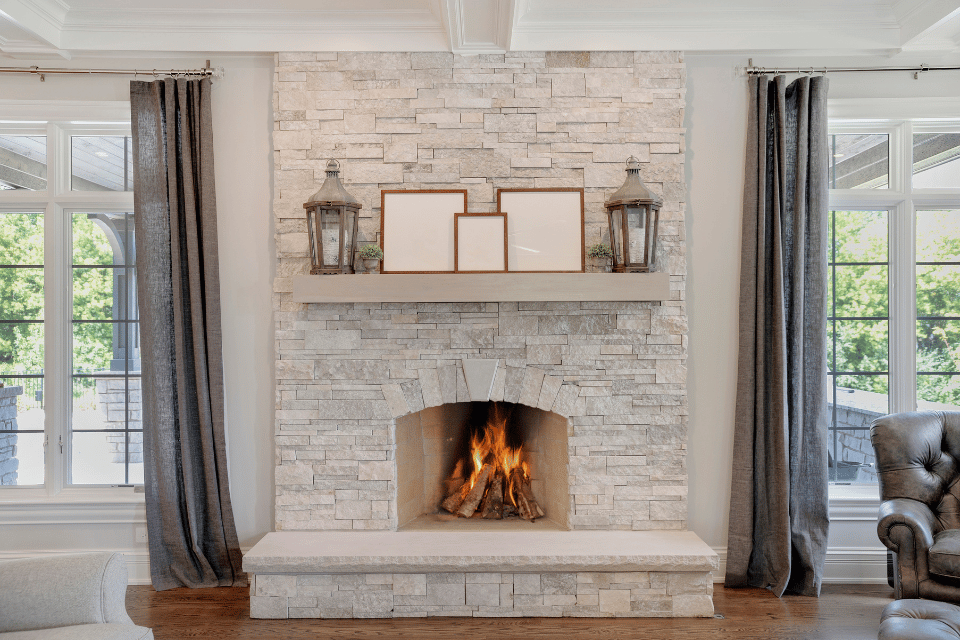
Fireplaces can be a major source of unwanted air movement when they're not in use.
Depending on the design, a fireplace may have a damper, glass doors, or other components intended to limit airflow. If these components are damaged, improperly fitted, or left open when they should be closed, cold air can enter the room.
The chimney also creates a vertical passage through the home, and air can move through it under certain pressure and temperature conditions.
Check the fireplace damper
If you have a traditional wood-burning fireplace, make sure you understand how its damper operates and whether it closes properly.
A damaged or poorly fitting damper may allow air to move through the chimney even when the fireplace isn't being used.
However, the damper must be open whenever required for safe operation of a fire. Never close it while embers, smoke, or combustion gases remain in the fireplace.
If you suspect a damaged damper, have the fireplace inspected by a qualified professional.
What about gas fireplaces?
Gas fireplaces vary in design. Some use sealed combustion systems, while others rely on different venting arrangements.
Don't assume that all gas fireplaces should be sealed or operated the same way. Follow the manufacturer's instructions and have any suspected venting or sealing problems evaluated by a qualified technician.
Never block a fireplace vent or modify combustion-air openings to stop a draft. Doing so can create serious safety hazards.
Other openings can contribute, too
Depending on the home, additional sources of air movement may include:
- Pet doors with worn seals.
- Mail slots in exterior doors.
- Exterior utility penetrations.
- Unsealed openings around exhaust vents.
- Older access panels.
- Poorly sealed garage connections.
Some of these are simple to correct, while others require specialized materials or professional installation.
The key is to identify where the air is coming from before attempting to seal anything.
Design tip: If a draft seems to come from a fireplace, exhaust vent, or combustion appliance, don't simply cover the opening. First determine whether it is designed to provide necessary ventilation or safe exhaust.
7. Your Home Has Poor Airflow or Pressure Imbalances
Not all drafts come from a hole in the wall.
Air moves through homes in response to pressure differences. Wind, temperature differences, exhaust fans, and HVAC equipment can all influence those pressure patterns.
As a result, air may enter through one opening while indoor air leaves through another. This can create uncomfortable air movement in rooms that don't appear to have obvious defects.
How pressure differences develop
During cold weather, warm indoor air can rise and escape through openings near the top of a house. This can contribute to lower pressure in parts of the home, drawing outdoor air in through lower openings.
Wind can also press against one side of the house while creating lower pressure on another side. Depending on the home's construction, this may cause air to enter through gaps that aren't noticeable under calmer conditions.
Exhaust fans can affect pressure, too. Bathroom fans, kitchen exhaust systems, and clothes dryers move air out of the house. If replacement air cannot enter through an appropriate path, these systems can contribute to pressure imbalances.
In homes with naturally vented fuel-burning appliances, excessive negative pressure can create backdrafting risks. This is one reason air-sealing and ventilation work should be evaluated carefully.
Why one room may feel draftier than another
A closed bedroom door can change how air moves between a room and the rest of the house, especially if the room has limited return-air pathways.
Similarly, a room at the end of a duct run may receive less conditioned air than a room closer to the equipment, depending on the duct design and system balance.
The result can be a room that feels cold even when the rest of the house is comfortable.
What can help?
The right solution depends on the source of the pressure imbalance.
Potential improvements include:
- Sealing unintended air leaks.
- Correcting ductwork problems.
- Improving HVAC airflow and system balancing.
- Evaluating return-air pathways.
- Checking exhaust fan operation and ventilation.
- Assessing the home's overall ventilation strategy.
A home energy assessment or HVAC evaluation may help distinguish between air leakage, airflow problems, and other causes of discomfort.
The bottom line: If you've sealed obvious gaps and your house still feels drafty, don't assume you missed a window or door. The problem may involve how air moves through the entire home.
How to Find Drafts in Your House
Before investing in replacement windows, insulation, or major HVAC work, take time to narrow down where the discomfort originates.
You don't need specialized equipment to start investigating, although professional testing may be useful when the cause isn't obvious.
Step 1: Identify when the drafts occur
Pay attention to whether the problem happens during windy weather, only when the furnace runs, or whenever outdoor temperatures drop.
If the draft is noticeably worse when it's windy, air leakage around windows, doors, and other exterior openings may be worth investigating.
If a room is cold regardless of the weather, insulation, ductwork, or HVAC performance may be contributing.
These patterns aren't definitive, but they can help guide the next steps.
Step 2: Check windows and doors
Inspect accessible weatherstripping, caulking, thresholds, and door sweeps.
Look for visible gaps, damaged seals, or areas where a door or window doesn't close evenly.
A simple visual inspection can identify obvious problems without requiring you to dismantle anything.
Step 3: Compare room temperatures
Notice whether certain rooms are consistently colder than others.
Compare rooms on different floors, rooms over garages, and spaces near exterior walls. Check whether furniture, closed doors, or blocked registers may be affecting airflow.
If you have a thermometer, record approximate temperatures in several rooms under similar conditions.
This information may help an HVAC professional evaluate the system.
Step 4: Inspect accessible attic and basement areas
If you can safely access these areas, look for obvious gaps, missing insulation, damaged seals, or signs of moisture.
Don't step onto unfinished attic surfaces that aren't designed to support your weight, and don't disturb insulation or work around electrical and combustion equipment without the appropriate knowledge.
If you're uncertain about access or safety, leave the inspection to a professional.
Step 5: Consider professional testing
When the source of the drafts remains unclear, a home energy assessment can help identify the biggest opportunities for improvement.
Depending on the assessment, testing may include a blower-door test, infrared imaging, duct inspection, or an evaluation of HVAC performance.
These tools can help separate air leakage from insulation deficiencies and mechanical-system issues, allowing you to prioritize repairs more effectively.
How to Make Your House Less Drafty Without Replacing Everything
Once you've identified the likely causes, you can decide which improvements make the most sense for your home and budget.
Some solutions are relatively inexpensive. Others involve construction, equipment replacement, or changes to the home's exterior.
A useful approach is to prioritize repairs based on the severity of the problem, the potential improvement in comfort, and the overall cost.
Start with inexpensive fixes
If the problem is limited to worn weatherstripping or an obvious gap, repairing it may provide a noticeable improvement.
Other relatively simple steps include replacing HVAC filters, keeping registers clear, and adding appropriate window coverings.
These measures won't correct missing wall insulation or major duct leaks, but they can address smaller problems.
Address air leaks before assuming you need new equipment
If outdoor air is entering through gaps in the building envelope, upgrading the heating system may not solve the underlying problem.
Likewise, adding insulation may not fully resolve discomfort if substantial air leakage remains.
A coordinated approach that addresses air sealing, insulation, ventilation, and HVAC performance is often more effective than treating each issue in isolation.
The order of work depends on the home, so a professional assessment can help determine the most sensible sequence.
Know when replacement makes sense
Some components are beyond economical repair.
Windows with deteriorated frames, exterior doors that no longer fit properly, severely damaged insulation, or aging HVAC equipment may warrant replacement.
When considering a major upgrade, look at the total scope of the project rather than focusing only on the purchase price of a product.
For example, replacing windows may also require trim work, exterior repairs, or corrections to the existing opening. HVAC replacement may require duct modifications or electrical updates, depending on the system.
Planning for the full scope can help prevent unexpected expenses.
Why Drafts Matter for Colorado Springs Homeowners
Colorado Springs homeowners experience a range of weather conditions throughout the year, including cold winter nights, strong winds, intense sunshine, and substantial temperature changes between seasons.
These conditions can make weaknesses in a home's building envelope more noticeable.
For example, a poorly sealed door may feel manageable during mild weather but become uncomfortable when cold winds move across the exterior. An underinsulated attic may contribute to winter heat loss and summer overheating. Older windows may create uncomfortable cold surfaces even when they aren't leaking much air.
The region's dry climate can also make indoor humidity management an important consideration. While dry indoor air doesn't necessarily mean your house is drafty, it can contribute to discomfort and make homeowners more aware of cold air movement.
Focus on the entire home
The most effective solution isn't always the most obvious one.
A homeowner might assume the windows are responsible for a cold bedroom, only to discover that the room has poor duct airflow. Another might replace an exterior door but continue to experience drafts because air is entering around the basement rim joist.
That's why it's helpful to evaluate the home as a connected system.
Windows, doors, insulation, air sealing, ventilation, and HVAC equipment all contribute to comfort. Addressing the right combination of issues can make your home feel more consistent without spending money on unnecessary upgrades.
For older Colorado Springs homes in particular, an assessment can help determine which improvements offer the greatest benefit.

Frequently Asked Questions About Drafty Houses
Why is my house drafty even with the windows closed?
Closed windows can still allow air through worn weatherstripping, damaged seals, or gaps around the frame. However, drafts can also originate from exterior doors, attic openings, basement areas, ductwork, or other parts of the building envelope. If the source isn't obvious, a home energy assessment may help identify it.
Can new windows stop drafts in my house?
New windows can help when the existing units are damaged, poorly performing, or no longer seal properly. However, replacement won't necessarily fix gaps between the existing frame and the wall or address drafts coming from elsewhere. Evaluate the window and its installation before deciding whether replacement is necessary.
Why is one room colder than the rest of my house?
Uneven temperatures may result from insufficient insulation, air leaks, blocked registers, ductwork problems, inadequate return-air pathways, or thermostat placement. Rooms above garages, near exterior walls, or far from the HVAC equipment may be particularly affected. A professional can evaluate the room and the heating system to identify the cause.
Does adding insulation eliminate drafts?
Insulation reduces heat transfer, but it doesn't automatically stop air leakage. Air sealing and insulation serve related but different purposes. Many homes benefit from addressing both, along with ensuring that ventilation and moisture control remain appropriate.
Are drafty houses more expensive to heat?
They can be. Uncontrolled air leakage and inadequate insulation may increase heating demand, while duct leakage and HVAC problems can reduce system performance. The actual effect on energy bills depends on the home's construction, weather, equipment, energy rates, and how the house is used.
Should I replace my windows or add insulation first?
There isn't one answer for every home. The best starting point depends on the condition of your windows, the location of the drafts, insulation levels, and other sources of heat loss. Identifying the problem before selecting a solution can help you avoid spending money on upgrades that don't address the main issue.
Can I seal every gap in my house?
No. Homes need appropriate ventilation, and certain openings serve important purposes related to combustion air, exhaust, and moisture management. Seal unintended air leaks, but don't block required vents or modify fuel-burning equipment installations without professional guidance.
Make Your Colorado Springs Home More Comfortable
A drafty house can make winter mornings less enjoyable, leave certain rooms uncomfortable, and cause your heating system to work harder than necessary.
But the solution starts with understanding the problem.
Whether the issue involves aging windows, worn door seals, insufficient insulation, hidden air leaks, or an HVAC system that isn't distributing heat properly, identifying the cause helps you choose the right fix.
Some improvements may be as simple as replacing weatherstripping. Others may involve new windows, better insulation, ductwork repairs, or a more comprehensive home improvement project.
If you're dealing with persistent drafts or uneven temperatures, HOMEfix can help you explore home improvement options for your Colorado Springs home. From windows and doors to insulation-related project planning and HVAC services, the goal is to make informed improvements that support comfort, performance, and the way you live.
Ready to make your home more comfortable? Visit HOMEfix to learn more about our home improvement services and find the right next step for your home.