You open your utility bill and do a double take. Somehow, your electric bill is 30%, 40%, or even 50% higher than it was just a few months ago.
If that sounds familiar, you're not alone.
Every summer, homeowners across Colorado Springs see a noticeable increase in their energy costs. While warmer weather naturally means your air conditioner is working harder, an unusually high electric bill often points to a bigger issue hiding somewhere in your home.
The good news? In many cases, you don't have to simply accept higher energy costs. Small inefficiencies—from poor attic insulation to dirty HVAC filters—can quietly waste energy day after day. Identifying those issues can make your home more comfortable while helping reduce your monthly utility bills.
Let's explore the most common reasons your electric bill climbs during the summer—and what you can do about it.
1. Your Air Conditioner Is Working Overtime
For most households, the air conditioner is the single largest contributor to summer energy use.
When outdoor temperatures climb into the 80s and 90s, your AC naturally runs longer. But if it seems like it's running almost constantly, your system may be working harder than it should.
A few common reasons include:
- Dirty coils
- Low refrigerant
- Aging components
- Poor airflow
- Deferred maintenance
- Incorrect system size
Even if your home eventually reaches the temperature you've set, an inefficient system uses more electricity to get there.
What You Can Do
Schedule an annual AC tune-up before or during the cooling season. Regular maintenance helps improve efficiency, extend the life of your equipment, and identify small issues before they become expensive repairs.

2. Your Attic Is Letting Heat Into Your Home
One of the biggest hidden causes of high cooling bills is inadequate attic insulation.
Your attic can become significantly hotter than the outside air on sunny Colorado afternoons. Without enough insulation, that heat transfers directly into your living spaces.
The result?
Your air conditioner has to remove that heat over and over again.
Signs your attic may be the problem:
- Upstairs bedrooms are much hotter than downstairs
- Your AC runs constantly in the afternoon
- Rooms cool off quickly after sunset
- Energy bills continue increasing each summer
Adding insulation doesn't create cool air—but it helps keep the cool air you've already paid for inside your home.
3. Air Leaks Are Letting Conditioned Air Escape
Even a high-efficiency HVAC system can't overcome significant air leaks.
Small gaps around your home allow cooled air to escape while hot outdoor air sneaks inside.
Common leakage areas include:
- Doors
- Windows
- Attic access panels
- Plumbing penetrations
- Electrical openings
- Recessed lighting
- Garage connections
Many homeowners don't realize these tiny openings add up.
Think of trying to cool your home while leaving a window cracked open all day. That's essentially what air leaks force your HVAC system to do.
4. Your HVAC Filter Is Dirty
This is one of the simplest—and most overlooked—causes of higher electric bills.
A clogged air filter restricts airflow, forcing your air conditioner to work harder to move cooled air throughout your home.
Reduced airflow can also:
- Increase wear on equipment
- Create uneven temperatures
- Reduce comfort
- Shorten HVAC lifespan
How often should you replace your filter?
Most homes benefit from checking filters every month during heavy summer use.
Replacement frequency depends on:
- Pets
- Allergies
- Dust levels
- Filter type
- Household size
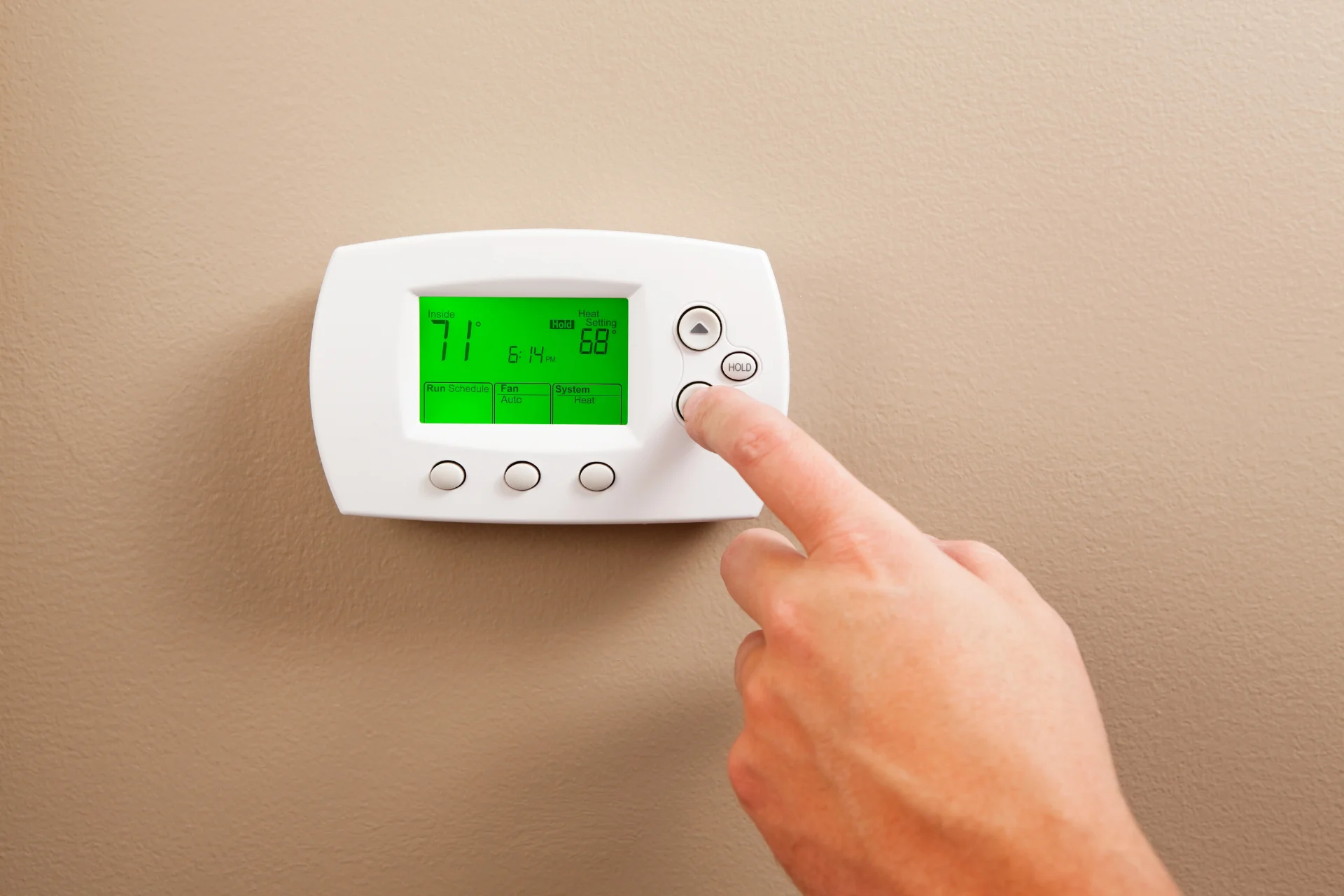
5. Your Thermostat Settings Are Costing You Money
Your thermostat has a direct impact on monthly energy costs.
Many homeowners unknowingly set temperatures much lower than necessary.
Every degree lower requires your HVAC system to remove more heat from your home.
Ways to improve efficiency:
- Raise the temperature a few degrees while away
- Use programmable schedules
- Install a smart thermostat
- Avoid dramatic temperature swings
Smart thermostats can automatically adjust temperatures based on your schedule, helping reduce unnecessary energy use.
6. Your Windows Are Bringing Heat Indoors
Colorado enjoys abundant sunshine—but all that sunlight comes with heat.
Older windows often allow significant solar heat gain, especially on south- and west-facing walls.
Afternoon sunlight can dramatically increase indoor temperatures.
Signs your windows may be contributing:
- Rooms near windows feel warmer
- Furniture fades from sunlight
- Glass feels warm to the touch
- AC struggles during the afternoon
Simple improvements like blinds, curtains, or solar shades can help.
If your windows are older, replacement windows may provide improved comfort and efficiency over the long term.
7. Your Ductwork May Be Leaking
Your ductwork carries cooled air from your HVAC system to every room in the house.
If ducts have leaks—especially in a hot attic—you may lose conditioned air before it ever reaches your living space.
Some homeowners lose a surprising amount of cooled air through damaged or disconnected ducts.
Signs include:
- Uneven temperatures
- Weak airflow
- Hot upstairs rooms
- High utility bills
- Dusty rooms
A duct inspection can identify hidden issues that aren't visible from inside your home.
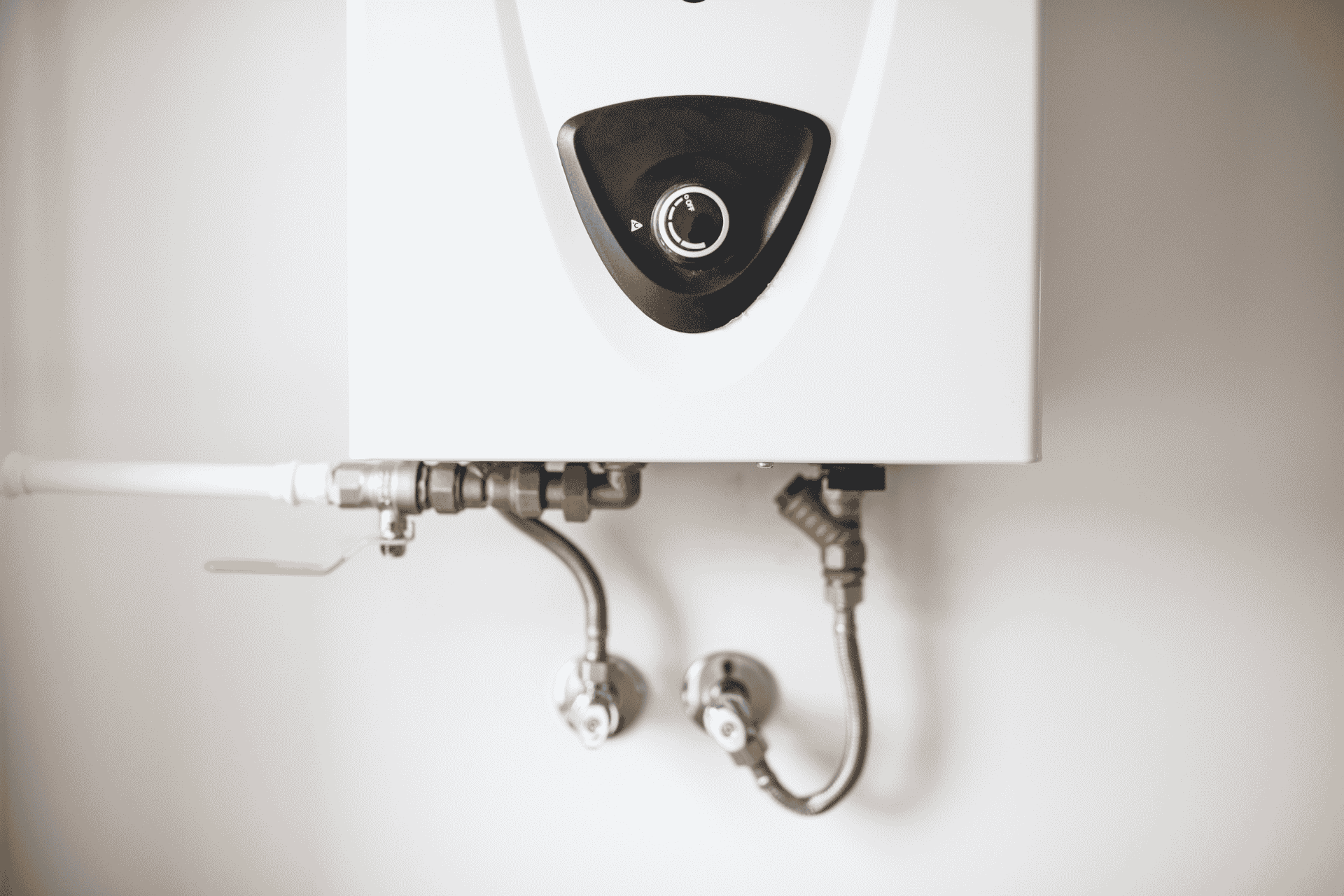
8. Older Appliances Are Less Efficient
Not every high electric bill is caused by your HVAC system.
Older appliances often use more electricity than newer models.
Common contributors include:
- Refrigerators
- Freezers
- Water heaters
- Clothes dryers
- Dishwashers
- Pool equipment
If several older appliances are running throughout the day, they can noticeably increase energy use.
While replacement isn't always necessary, upgrading aging equipment over time can improve efficiency.
9. You're Using More Electricity Than You Realize
Summer often changes how families use their homes.
Children may be home from school.
Fans run longer.
Electronics stay plugged in.
Laundry increases.
Outdoor lighting, refrigerators in garages, and entertainment systems all contribute to higher usage.
Even devices in standby mode continue drawing small amounts of electricity.
This is often called phantom power.
While each device uses relatively little energy, dozens of electronics throughout the home can add up over time.
10. Your Home Is Simply Losing Energy
Sometimes the issue isn't one specific problem.
Instead, it's several small inefficiencies working together.
For example:
- Slightly inadequate insulation
- Minor air leaks
- Dirty HVAC filter
- Aging AC
- Afternoon sun through older windows
- Leaky ductwork
Each issue alone may not seem significant.
Together, they can substantially increase your monthly electric bill.
That's why whole-home evaluations are becoming increasingly popular.
Rather than focusing on one system, homeowners look at how the entire house performs.
How Colorado Springs Weather Affects Energy Bills
Colorado Springs presents unique challenges for homeowners.
Our climate includes:
- Strong UV exposure
- High elevation
- Low humidity
- Large day-to-night temperature swings
- Intense afternoon sun
Homes here often experience greater solar heat gain than homeowners expect.
Additionally, many neighborhoods include homes built decades ago, before today's energy-efficiency standards.
As a result, older insulation, aging HVAC systems, and outdated windows are common contributors to higher summer energy bills.
Easy Ways to Lower Your Electric Bill This Summer
Not every solution requires a major investment.
Start with these simple improvements:
Replace HVAC filters
Clean filters improve airflow almost immediately.
Schedule an AC tune-up
Routine maintenance helps your system operate efficiently.
Close blinds during the hottest part of the day
Blocking direct sunlight can significantly reduce indoor heat.
Use ceiling fans
Fans don't cool the air, but they help people feel cooler, allowing you to raise the thermostat slightly.
Seal obvious air leaks
Weatherstripping and caulking around doors and windows can reduce energy loss.
Avoid running heat-producing appliances during peak afternoon hours
Dishwashers, ovens, and dryers generate additional indoor heat.
Running them in the evening may help reduce cooling demands.
When Bigger Improvements Make Sense
If you've addressed the basics and your bills remain unusually high, it may be time to consider larger improvements.
Depending on your home's condition, these could include:
- Additional attic insulation
- Air sealing
- HVAC replacement
- Ductwork repairs
- Replacement windows
- Smart thermostat installation
- Electrical upgrades
The key is identifying which improvements will have the biggest impact for your specific home rather than guessing.
Is a High Electric Bill Always a Sign Something Is Wrong?
Not necessarily.
Summer weather naturally increases energy use.
However, if your electric bill suddenly spikes without a major change in weather or household habits, it's worth investigating.
Watch for patterns like:
- Bills increasing every year
- AC running constantly
- Hot upstairs rooms
- Uneven temperatures
- Rising repair costs
- Utility bills significantly higher than similar homes
These may indicate your home is becoming less efficient.

How HOMEfix Helps Colorado Springs Homeowners Improve Energy Efficiency
At HOMEfix, we believe lowering your energy bill isn't about finding one quick fix—it's about understanding how your home works as a system.
Your roof, attic insulation, HVAC equipment, windows, electrical systems, and overall home envelope all play a role in keeping your home comfortable and efficient.
Our team helps homeowners identify opportunities to improve comfort, reduce energy waste, and protect one of their biggest investments.
Whether your home needs an AC tune-up, additional attic insulation, new windows, electrical upgrades, or a complete Home Wellness Check, we'll help you find practical solutions that fit your home and your goals.
Because with one team, every service, improving your home doesn't have to mean juggling multiple contractors.
Frequently Asked Questions
Why is my electric bill suddenly so high in the summer?
The most common causes include increased air conditioner use, poor attic insulation, air leaks, dirty HVAC filters, aging cooling equipment, leaky ductwork, and greater household electricity use during warmer months.
Does attic insulation really lower electric bills?
Yes. Proper attic insulation helps reduce heat transfer into your home, allowing your air conditioner to run more efficiently. While savings vary depending on the home, improved insulation often increases comfort while reducing cooling costs.
Should I replace my AC if my electric bill is high?
Not always. A high bill can result from several issues, including insulation, air leaks, ductwork problems, or poor maintenance. A professional evaluation can help determine whether your existing system can be improved or if replacement makes more sense.
What's the fastest way to reduce my summer energy bill?
Start with simple, low-cost steps like replacing your HVAC filter, scheduling an AC tune-up, sealing air leaks, using ceiling fans, and keeping blinds closed during the hottest part of the day. These improvements can often make a noticeable difference before investing in larger upgrades.
Suggested Internal Links