If you’ve ever turned on the tap and been hit with a rotten egg smell, you already know how unsettling it can be. It doesn’t just smell bad — it makes you question whether your water is safe, whether something’s wrong with your plumbing, or whether a bigger problem is hiding behind the walls.
This is one of the most common water complaints homeowners bring up, especially in areas with wells, older plumbing, or certain water conditions. And while the smell is unpleasant, the good news is this:
most sulfur smells have a clear cause and a fix.
Let’s break down what that smell actually means, where it’s coming from, and how to solve it the right way — not just mask it.
What Causes the “Rotten Egg” Smell in Water?
That sulfur smell usually comes from hydrogen sulfide gas. It’s naturally occurring, and while the smell is strong, it doesn’t always mean your water is unsafe. Still, it’s not something you want to ignore.
There are four main culprits.
1. Bacteria in Your Water Supply
The most common cause is sulfur-reducing bacteria. These bacteria feed on naturally occurring sulfur compounds and release hydrogen sulfide gas as a byproduct.
Where this typically happens:
- Private well systems
- Plumbing lines that don’t get used often
- Water heaters
- Older pipes with buildup
Important distinction:
These bacteria are usually not harmful, but they are annoying and can create other issues over time.
2. Your Water Heater (Very Common)
If the smell only shows up when you run hot water, your water heater is often the problem — not your entire water system.
Here’s why:
- Many water heaters contain a magnesium anode rod
- That rod can react with bacteria in the water
- The reaction produces hydrogen sulfide gas
Result: hot water that smells worse than cold.
This is one of the most overlooked causes, and fortunately, one of the easier ones to fix.
3. Your Water Source (Well vs. Municipal)
If you’re on a well, sulfur smells are much more common. Sulfur naturally exists in groundwater in many regions.
If you’re on municipal water, sulfur smells usually point to:
- Plumbing issues inside the home
- Water heater problems
- Temporary changes in water treatment
Knowing where your water comes from helps narrow the solution quickly.
4. Old or Corroding Pipes
In some homes, especially older ones, pipes themselves contribute to the smell.
Over time:
- Sediment builds up
- Bacteria settle in low-flow areas
- Corrosion creates pockets for odor-producing reactions
This doesn’t just affect smell — it can impact water quality and pressure too.
Is Sulfur-Smelling Water Dangerous?
In most cases, no — but that doesn’t mean it should be ignored.
Hydrogen sulfide:
- Is unpleasant to smell
- Can corrode plumbing over time
- Can stain fixtures
- Can affect taste
- Can damage appliances like dishwashers and washing machines
Extremely high concentrations can be harmful, which is why testing is always a smart first step.
How to Figure Out Where the Smell Is Coming From
Before jumping into solutions, you need to pinpoint the source.
Ask yourself:
- Does the smell happen with hot water only, cold water only, or both?
- Is it worse after the water hasn’t been used for a while?
- Does it come from every faucet or just one?
- Do neighbors have the same issue?
These clues help determine whether you’re dealing with:
- A water heater issue
- Whole-house water chemistry
- Localized plumbing problems
Common Fixes (and When They Work)
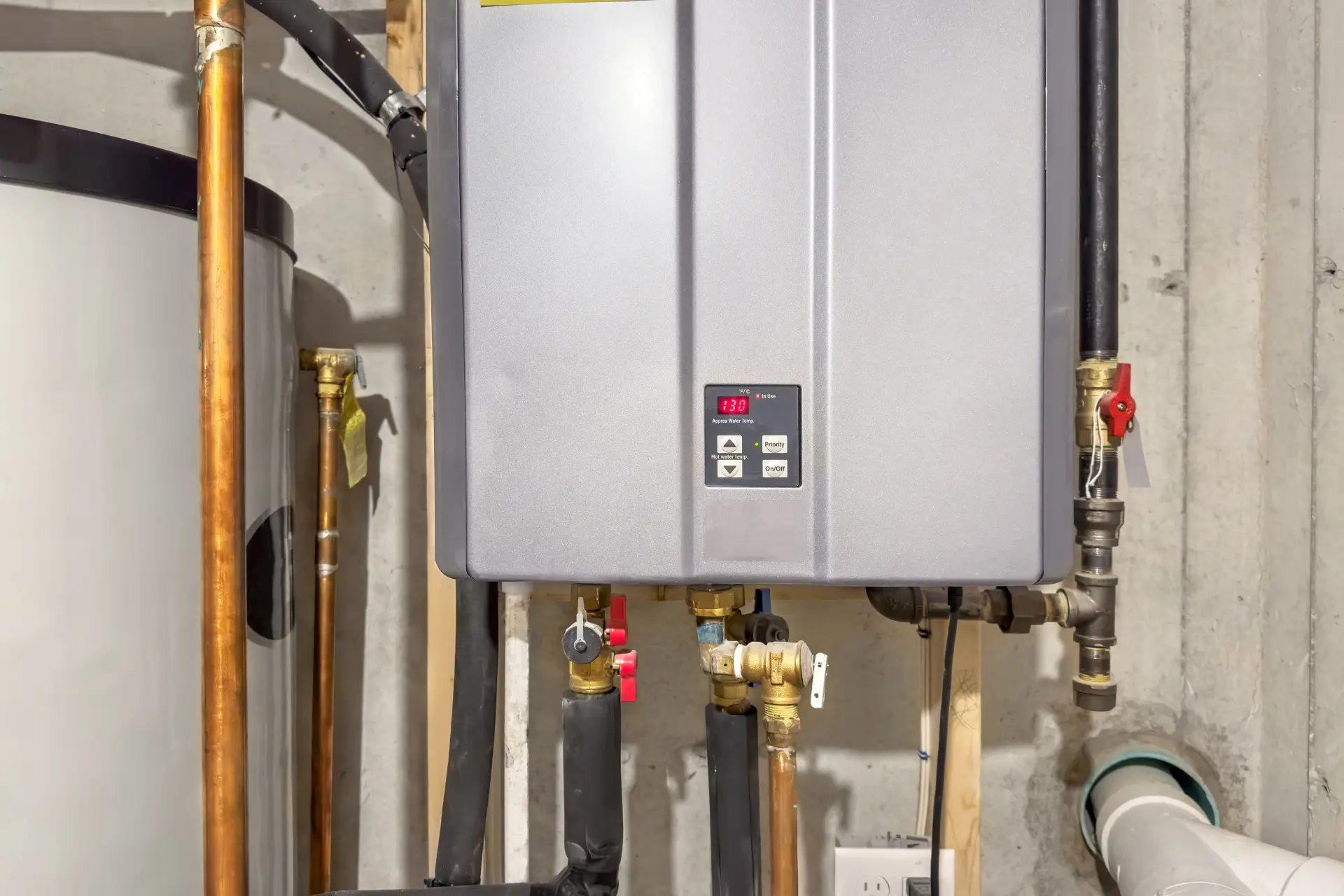
1. Flushing or Servicing the Water Heater
If the smell is only in hot water:
- Flushing the tank can remove bacteria buildup
- Replacing the anode rod (often with aluminum or zinc) can stop the reaction
- In some cases, replacing an old heater is the cleanest fix
This alone solves a large percentage of sulfur smell complaints.
2. Whole-House Water Filtration or Treatment
For odors present in both hot and cold water, especially in well systems, whole-house solutions work best.
Common options include:
- Carbon filtration systems
- Oxidation filters
- Water softeners with sulfur treatment
- Aeration systems
These treat the water before it reaches your fixtures, appliances, and heater.
3. Shock Chlorination (Temporary Fix)
Shock chlorination kills bacteria in wells and plumbing lines, but it’s usually temporary.
Think of it as:
- A reset, not a cure
- Helpful for diagnosis
- Not a long-term solution on its own
4. Plumbing Inspections and Targeted Repairs
Sometimes the issue is isolated:
- A rarely used bathroom
- A dead-end plumbing line
- A corroded pipe section
In those cases, targeted plumbing work solves the issue without major upgrades.
Long-Term Risks of Ignoring Sulfur Smells
Even if the smell doesn’t bother you much, leaving it unresolved can lead to:
- Corroded pipes
- Reduced appliance lifespan
- Stained sinks and tubs
- Poor-tasting water
- Ongoing bacterial growth
- Lower home value
Buyers notice water issues quickly — and inspectors flag them even faster.
Why Professional Testing Matters
Water chemistry isn’t guesswork.
Proper testing tells you:
- Exactly what’s causing the odor
- Whether bacteria, minerals, or plumbing is involved
- What level of treatment is actually needed
Skipping testing often leads to overpaying for systems you don’t need — or installing the wrong fix entirely.
A Final Word From Experience
That sulfur smell isn’t random.
It’s your home telling you something’s off.
Sometimes the fix is simple.
Sometimes it requires a whole-house approach.
But ignoring it almost never works out in the long run.
Clean, odor-free water protects:
- Your plumbing
- Your appliances
- Your home’s value
- Your peace of mind
And once it’s handled correctly, it stays handled.