If you’ve ever asked about relocating a sink, shower, or toilet during a remodel, you’ve probably experienced a little sticker shock.
“Why does moving plumbing cost so much?”
It seems simple, right? Just move a pipe.
But plumbing isn’t just pipes. It’s structure, code, access, labor, and risk — all bundled together.
Let’s unpack what’s really driving the cost.
Plumbing Is Hidden Infrastructure
Unlike cabinets or flooring, plumbing lives inside:
- Walls
- Floors
- Ceilings
- Concrete slabs
To move it, you don’t just reroute a pipe.
You often have to:
- Open drywall
- Cut framing
- Remove subfloor
- Drill joists
- Patch finishes
- Reinspect for code compliance
You’re not just paying for plumbing.
You’re paying for demolition and reconstruction too.
Gravity Is Not Negotiable
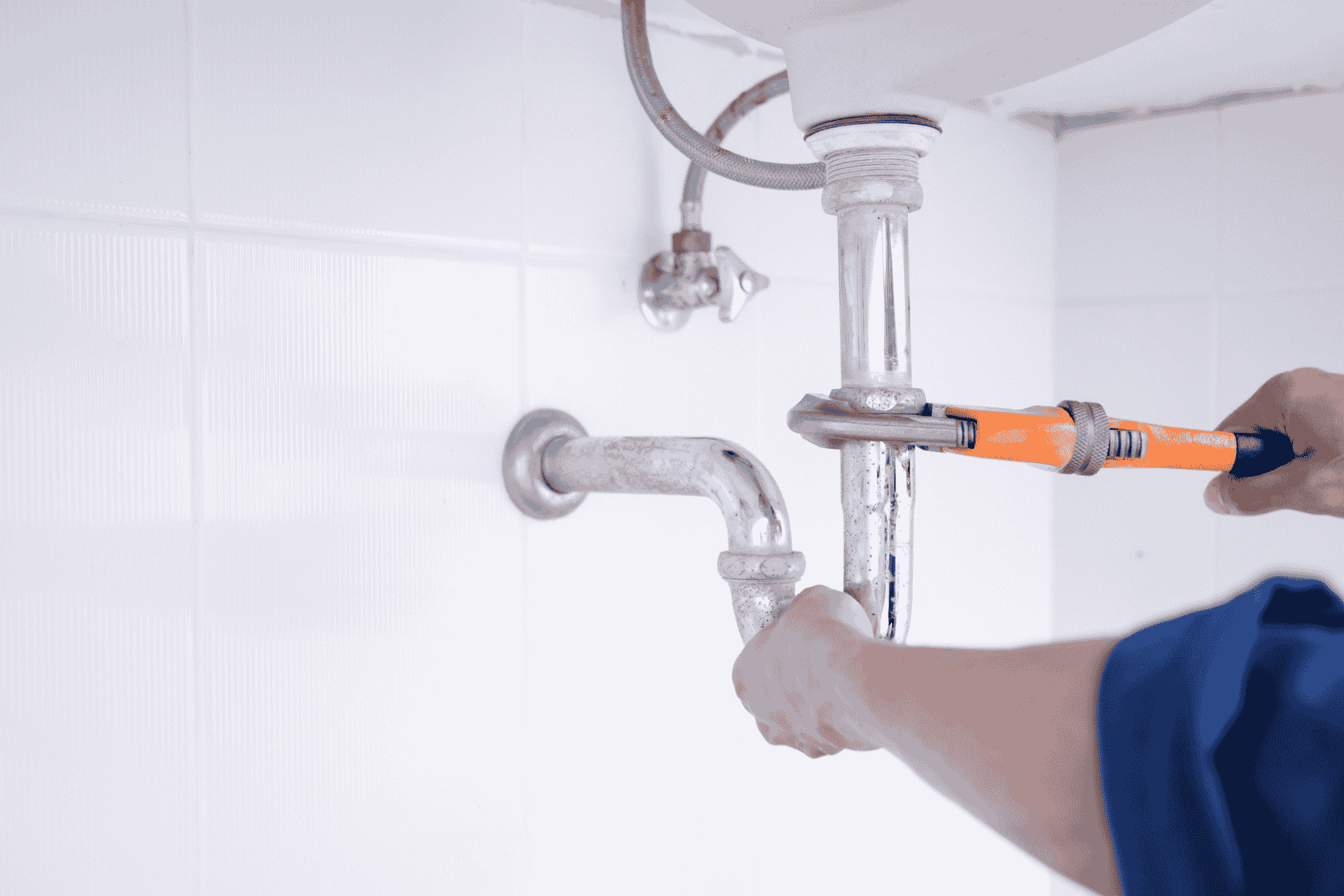
Drain lines rely on gravity. They must slope correctly — typically ¼ inch per foot.
That means:
- You can’t move drains anywhere you want
- You may need to lower ceiling areas
- Floor framing may need modification
- Concrete slabs may need cutting
Moving a toilet across a bathroom? That often involves breaking into the slab.
Concrete work alone can add thousands.
Venting Requirements Add Complexity
Every fixture must be properly vented.
When you move plumbing:
- Vent stacks may need relocation
- Roof penetrations may change
- Additional pipe runs may be required
These aren’t optional upgrades — they’re required by code.
Structural Impacts
Running new pipes means drilling through framing.
But there are limits:
- Joists can’t be weakened beyond code allowances
- Beams can’t be drilled casually
- Load paths must remain intact
Sometimes plumbing moves require structural reinforcement.
That’s skilled labor — and sometimes engineering.

Access Challenges
Access determines cost.
Plumbing on a second floor?
You may open:
- The floor
- The ceiling below
- Adjacent walls
Plumbing in a slab foundation?
You may need:
- Concrete saw cutting
- Excavation
- Re-pouring and patching
The more buried the system, the more expensive the move.
Permits and Inspections
Relocating plumbing requires permits in most jurisdictions.
That means:
- Licensed plumbers
- Inspections
- Code compliance
- Pressure testing
You’re paying for professional accountability — not just pipe.
Risk and Liability
Water is one of the most damaging forces inside a home.
Improper plumbing can cause:
- Hidden leaks
- Mold
- Structural damage
- Insurance claims
The cost reflects:
- Skilled labor
- Experience
- Warranty
- Insurance coverage
Cheap plumbing often becomes expensive plumbing later.
When Moving Plumbing Is Worth It
Sometimes, the layout improvement justifies the cost.
Examples:
- Relocating a cramped shower
- Moving a kitchen sink for better workflow
- Converting a tub to a walk-in shower
- Improving accessibility
If the layout dramatically improves functionality, resale value, or long-term livability — it may be worth the investment.
When It’s Not Worth It
It’s often not worth moving plumbing when:
- The change is purely aesthetic
- The layout works fine structurally
- Budget is tight
- The move requires slab demolition
Sometimes keeping fixtures near their original location saves thousands.
A good remodel balances design goals with practical cost realities.
.webp)
Final Thoughts
Moving plumbing costs more than people expect because it’s not cosmetic work.
It affects:
- Structure
- Drainage slope
- Venting
- Framing
- Concrete
- Code compliance
- Finish reconstruction
When you move plumbing, you’re reshaping the hidden infrastructure of your home.
And when it’s done right, it protects your house for decades.
When it’s done wrong, it can cost far more than the remodel itself.
That’s why it costs what it costs.