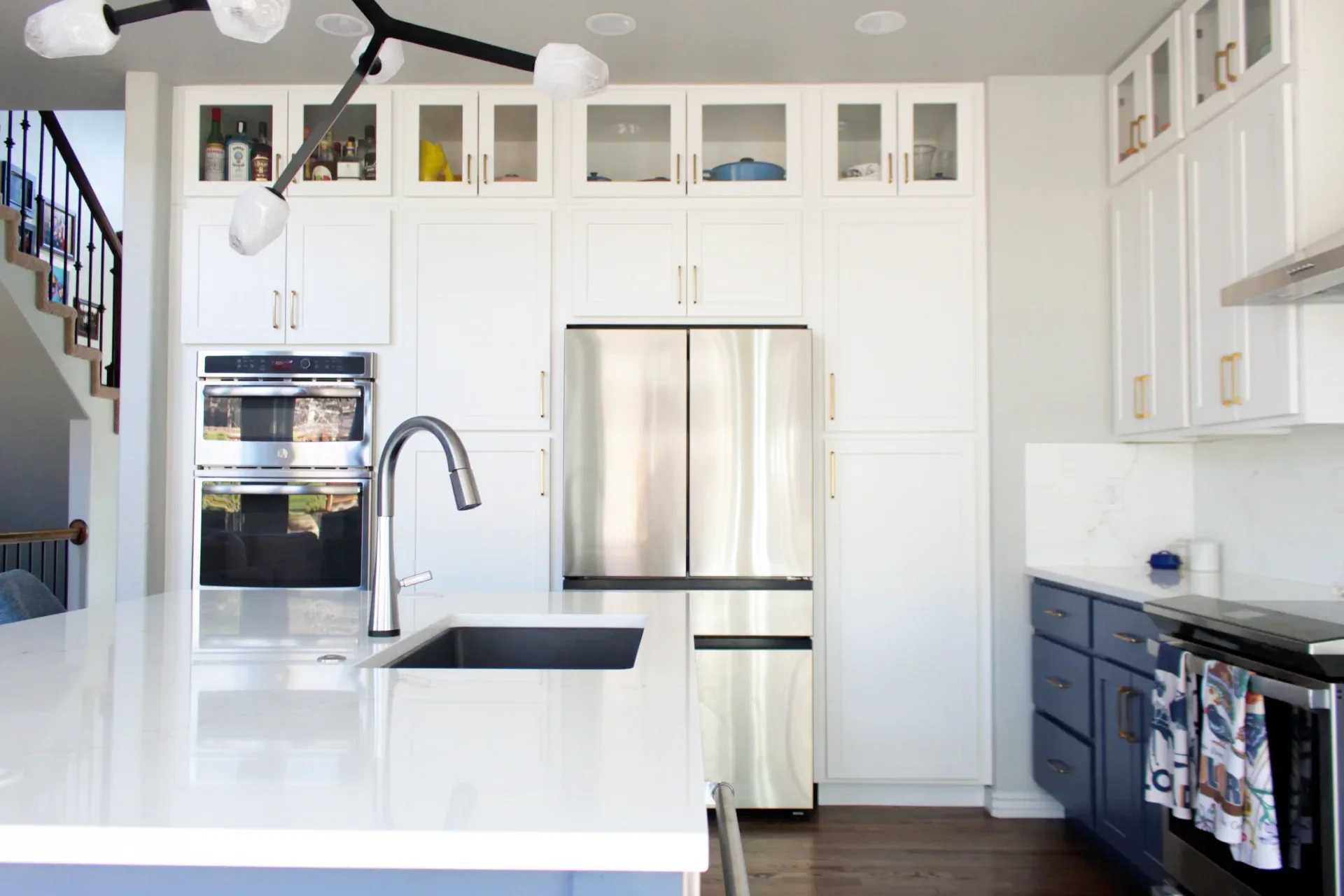
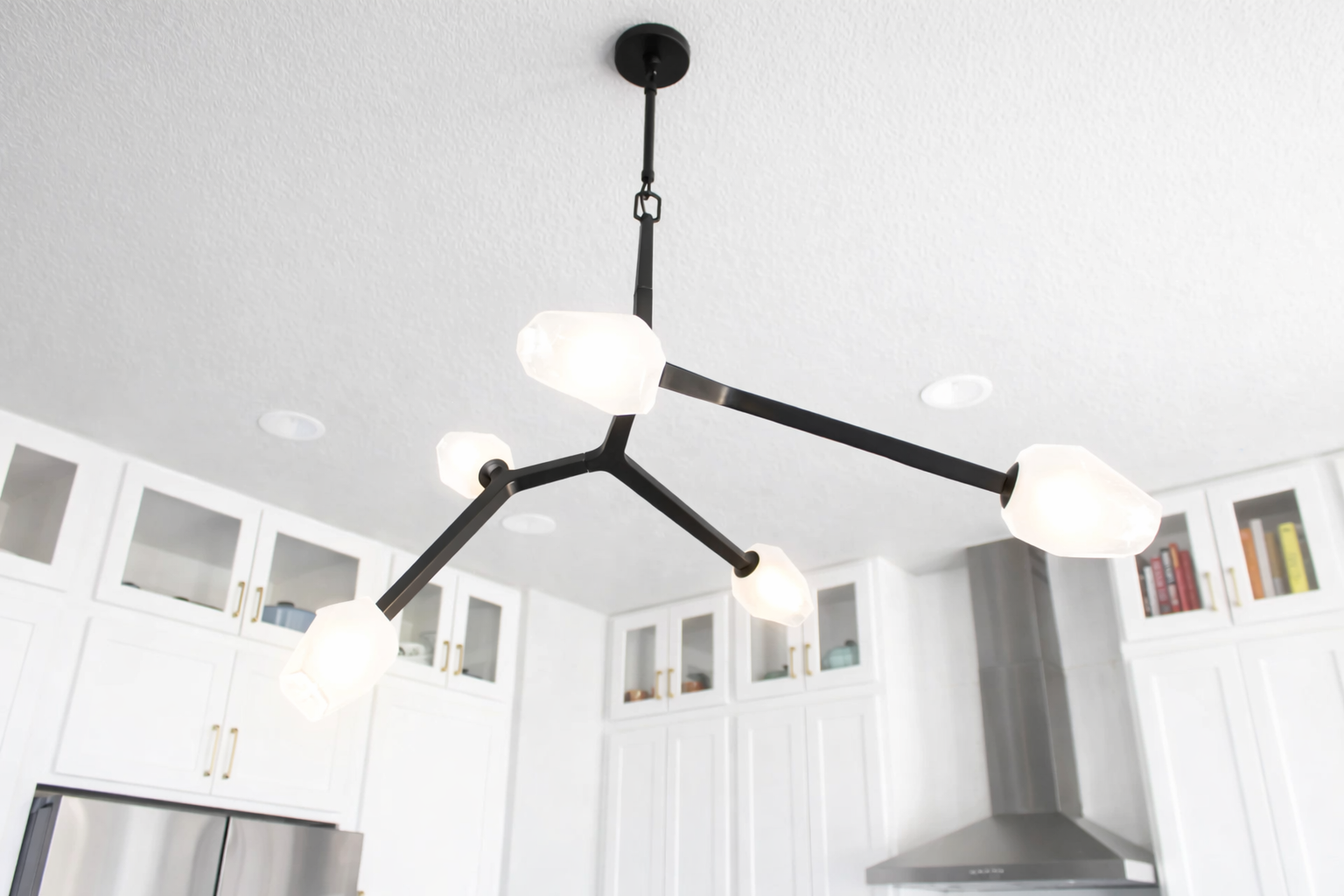
If your lights flicker or dim every time the microwave kicks on or the AC starts up, you’re not imagining things—and you’re definitely not alone.
This is one of the most common electrical complaints we hear from homeowners in Colorado Springs. And while it can be harmless, it can also be your home’s way of telling you something needs attention.
Let’s break down what’s actually happening—and when it’s time to take it seriously.
What’s Causing Your Lights to Dim?
At a basic level, your home’s electrical system has a limited amount of power it can distribute at any given time. When a large appliance turns on, it draws a surge of electricity—especially at startup.
That sudden demand can temporarily pull power away from other circuits… like your lights.
Common appliances that cause dimming:
- Air conditioners
- Refrigerators
- Microwaves
- Dishwashers
- Washers & dryers
- Furnaces or heat pumps
A brief, slight dimming—especially when a major appliance kicks on—is usually normal.
But not always.
When It’s Totally Normal
Let’s start with the good news.
If your lights:
- Dim very slightly
- Only dim for a second or two
- Only happen when large appliances start
…your system is likely just reacting to a normal power draw.
This is especially common in:
- Older homes with smaller electrical panels
- Homes where appliances share circuits
- Systems that weren’t designed for today’s electrical load
Remember—most homes weren’t built with EV chargers, multiple TVs, smart devices, and high-powered appliances in mind.
When It’s a Sign of a Bigger Problem
Now for the part you don’t want to ignore.
If your lights are:
- Dimming frequently or noticeably
- Staying dim for more than a few seconds
- Flickering randomly (not tied to appliance use)
- Affecting multiple rooms or the whole house
…it’s time to take a closer look.
Here’s what could be going on:
1. Overloaded Circuits
If too many devices are pulling power from the same circuit, your system can struggle to keep up.
This is one of the most common issues we see—and one of the easiest to fix with proper load balancing.
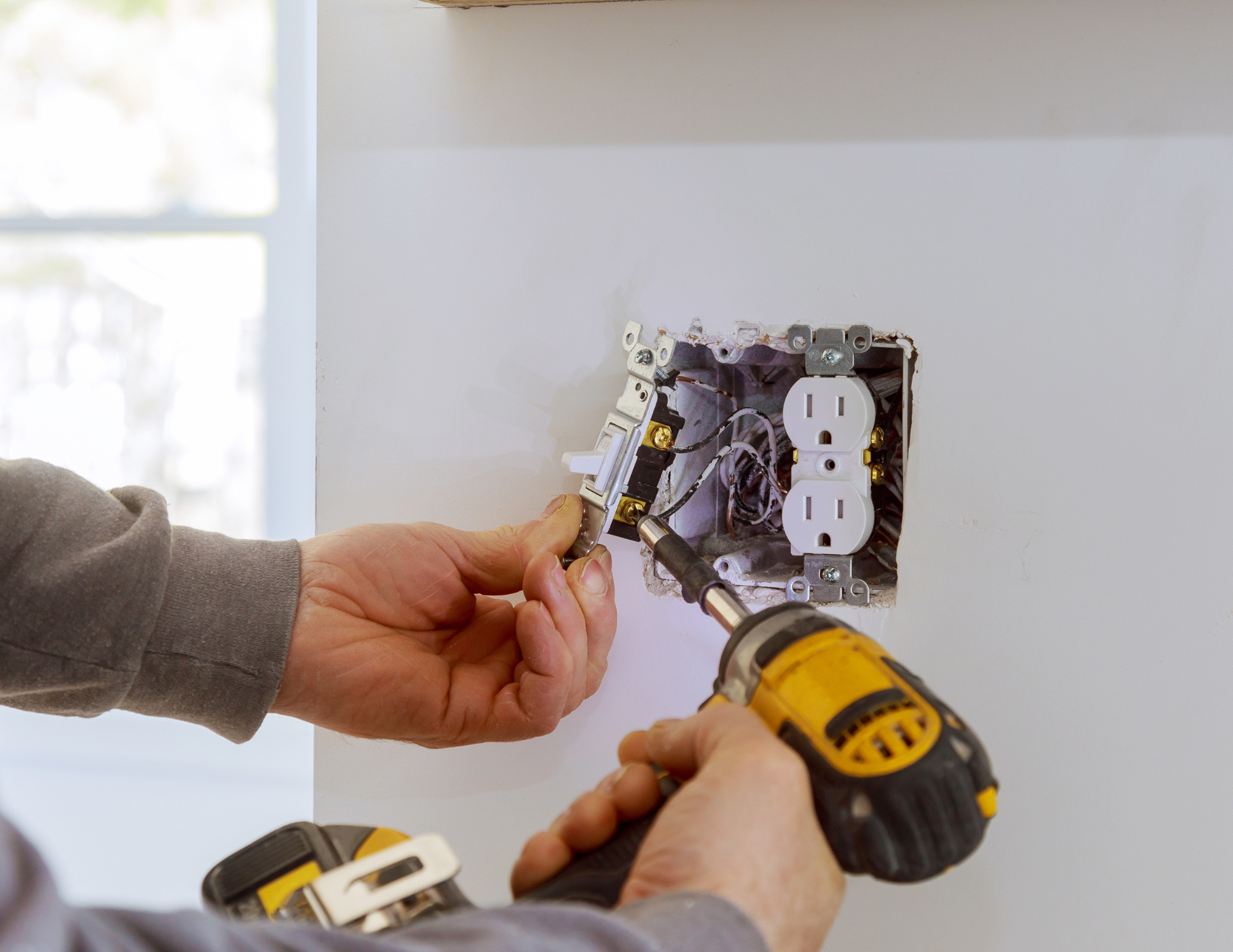
2. Loose or Aging Electrical Connections
Loose wiring or connections can cause inconsistent power flow, leading to flickering or dimming lights.
This is more than annoying—it can become a safety hazard if ignored.
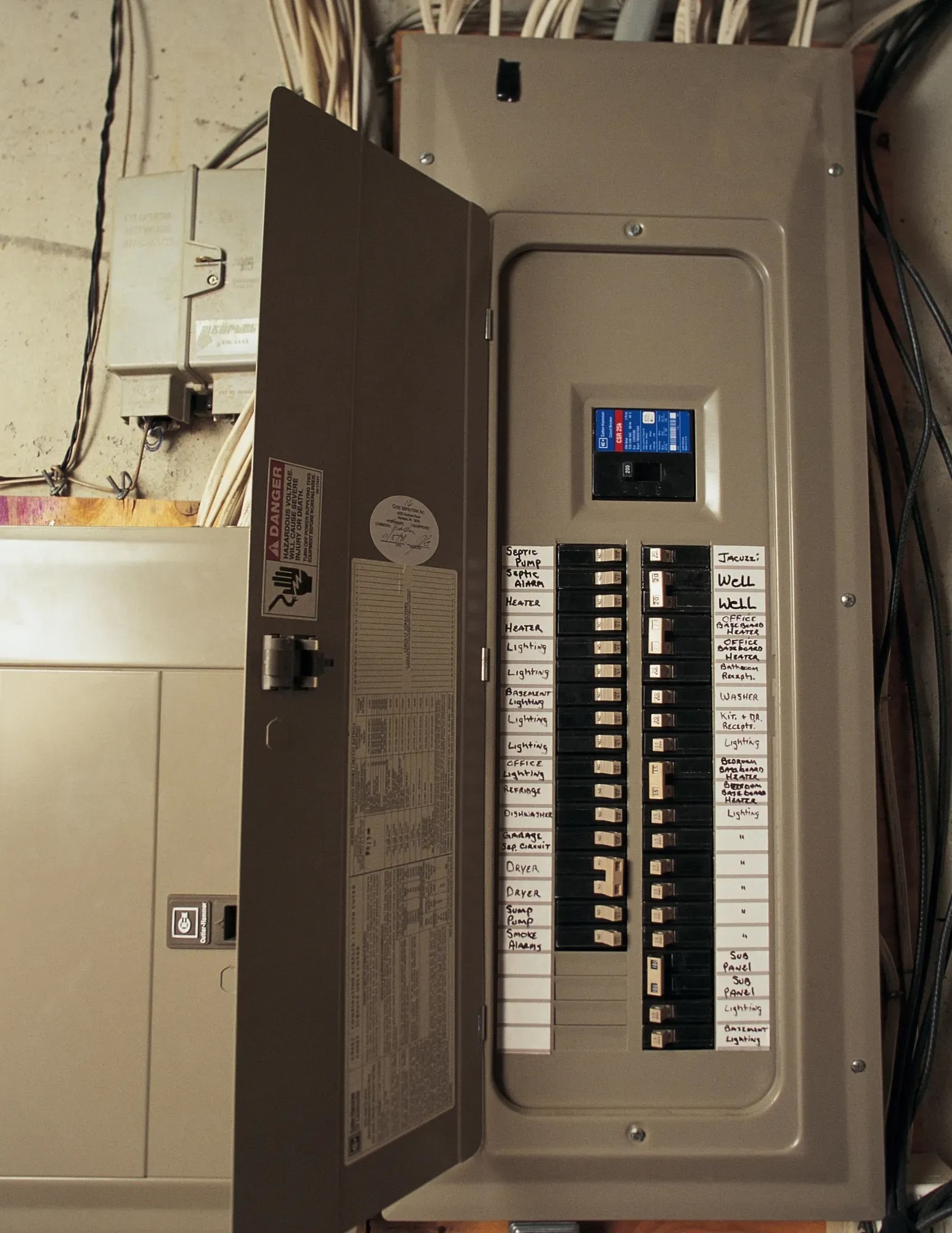
3. Undersized or Outdated Electrical Panel
Many older homes in Colorado Springs still have panels that weren’t designed for modern electrical demand.
If your panel is maxed out, your home can’t distribute power efficiently—which leads to dimming, tripping breakers, and long-term strain on your system.
4. Utility or Service Line Issues
Sometimes the issue isn’t inside your home at all.
Problems with the utility connection or service line can cause voltage fluctuations that show up as dimming lights.
5. Large Appliance Startup Load (Inrush Current)
Some appliances require a big surge of power when they first turn on. If your system isn’t equipped to handle that surge smoothly, you’ll notice it in your lighting.
Why This Matters (More Than You Think)
It’s easy to brush off dimming lights as “just one of those things.”
But over time, these small signs can point to bigger issues:
- Increased wear on appliances
- Higher risk of electrical failure
- Potential fire hazards from faulty wiring
- Reduced lifespan of your electrical system
In short—your home is working harder than it should.
How to Fix It
The right solution depends on what’s causing the issue. Here are the most common fixes:
Upgrade Your Electrical Panel
If your panel is outdated or undersized, upgrading it can dramatically improve performance and safety—especially if you’re planning a remodel, adding an EV charger, or installing new appliances.
Separate Dedicated Circuits
Large appliances should have their own dedicated circuits so they’re not competing with lighting or other devices.
Tighten & Inspect Electrical Connections
A professional inspection can identify loose or deteriorating connections before they become a bigger problem.
Install Soft Starters (In Some Cases)
For certain appliances like AC units, soft starters can reduce that initial power surge and minimize dimming.
A Quick Note for Colorado Springs Homeowners
Between older homes, rapid growth, and increasing electrical demand (hello EV chargers and hot tubs), we’re seeing more homes outgrow their electrical systems.
If you’re noticing dimming lights, it might not be urgent—but it’s definitely worth checking out before it turns into something bigger.
The Bottom Line
A quick flicker here and there? Probably normal.
But frequent or noticeable dimming? That’s your home asking for help.
The good news: most of these issues are straightforward to diagnose—and fix—when you catch them early.
Need a Second Opinion?
At HOMEfix, our licensed electricians help Colorado Springs homeowners figure out exactly what’s going on—no guesswork, no upsell, just honest answers.
If your lights are trying to tell you something, we’re here to listen.