Replacing your roof is one of the biggest home improvement projects you'll take on as a homeowner. And if your roof is aging, damaged, or showing signs of wear, one of the first questions you're likely to ask is:
"When is the best time to replace my roof?"
For homeowners in Colorado Springs, timing matters.
Colorado's weather can change quickly, and our roofs have to withstand intense sunshine, hail, high winds, snow, ice, and dramatic temperature swings. Choosing the right time for a roof replacement can make the installation process smoother while helping you avoid unnecessary delays.
In general, late spring through early fall is often the most convenient window for roof replacement in Colorado Springs, with summer and early fall being particularly popular. However, that doesn't mean winter roof replacement is impossible—or that you should wait several months if your roof has serious damage.
The condition of your roof should always come first.
Here's what Colorado Springs homeowners should know about roof replacement timing, seasonal weather, hail damage, and deciding when it's time to call a professional.
Why Timing Matters for Roof Replacement
Roof replacement isn't something that can always be scheduled around your preferred weekend.
Roofing materials and installation methods are affected by:
- Temperature
- Wind
- Rain
- Snow
- Ice
- Moisture
- Hail
- Sun exposure
Shingle manufacturers have specific installation requirements, and roofing contractors need appropriate weather conditions to install materials correctly.
For homeowners, the goal isn't necessarily to find one "perfect" day. It's to choose a season and weather window that provides reliable conditions for the roofing crew and allows materials to perform as intended.
What Is the Best Season to Replace a Roof in Colorado Springs?
Spring Roof Replacement
Spring can be an excellent time to replace a roof in Colorado Springs.
As winter ends, homeowners often begin noticing damage caused by snow, ice, wind, and freezing temperatures.
Spring is also a good time to address problems before Colorado's summer hail season arrives.
Advantages of spring roofing:
- Mild temperatures
- Less extreme heat
- Opportunity to repair winter damage
- Preparation for summer storms
- Longer daylight hours
Potential challenges
Colorado Springs weather can be unpredictable in the spring.
Late snowstorms, rain, and high winds can occasionally delay roofing projects.
If you're planning a spring roof replacement, your contractor should monitor the weather carefully and schedule installation around favorable conditions.
Summer Roof Replacement
Summer is one of the most popular times for roof replacement.
Warm temperatures generally provide good conditions for roofing materials and installation crews. Longer days can also allow contractors to complete more work during daylight hours.
For many Colorado Springs homeowners, summer is an ideal time to replace an aging roof before the next winter.
Benefits of summer roof replacement:
- Warm temperatures
- Longer daylight hours
- Generally favorable installation conditions
- Easier scheduling for many projects
- Opportunity to address damage before winter
However, summer also brings one major concern:
Hail.
Colorado's Front Range is well known for severe thunderstorms and hail, and Colorado Springs homeowners can experience significant storm activity during the warmer months.
If your roof is already near the end of its lifespan, waiting until late summer can sometimes mean exposing it to another season of severe weather.
Fall Roof Replacement
For many homeowners, fall may be the sweet spot for roof replacement.
Temperatures are generally cooler than during the peak of summer, while the weather is still often suitable for roofing.
Replacing your roof in the fall also gives you an opportunity to prepare your home for winter.
Benefits include:
- Comfortable installation temperatures
- Less intense summer heat
- Preparation for snow and ice
- Opportunity to address summer storm damage
- Reduced risk of entering winter with a failing roof
However, fall can also be a busy season for roofing contractors.
If you're considering a fall replacement, don't wait until the first snowfall to start calling contractors.
Winter Roof Replacement
Can you replace a roof in winter?
Sometimes.
Roofing contractors can perform certain roof replacements during colder months, but winter weather can make the process more challenging.
Snow, ice, freezing temperatures, and high winds can create safety and installation concerns.
Asphalt shingles also rely on appropriate temperatures to properly seal and bond.
Winter roofing may be appropriate when:
- Your roof has severe damage
- You're experiencing active leaks
- A storm has caused significant problems
- Temporary repairs aren't sufficient
- Weather conditions provide an appropriate installation window
If your roof has a serious problem in December or January, waiting until spring simply isn't an option.
Your roofing professional can determine whether the roof can be safely repaired or replaced during a suitable weather window.
What About Hail Damage?
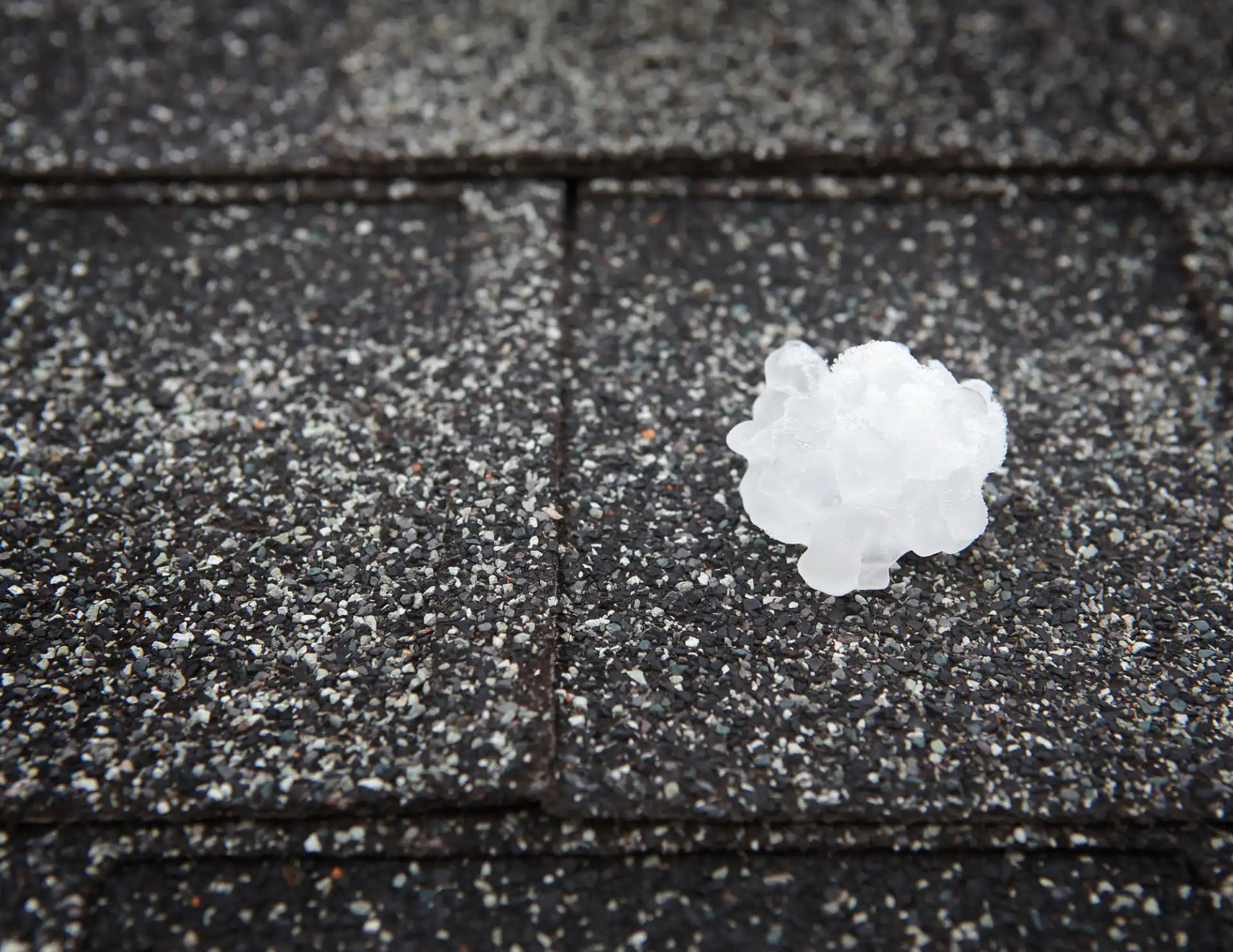
For Colorado Springs homeowners, hail is one of the most important factors to consider when thinking about roof replacement.
A hailstorm doesn't always leave obvious damage.
You may not see:
- Missing shingles
- Large holes
- Water inside your home
but your roof could still have damage that affects its long-term performance.
Hail can damage:
- Asphalt shingles
- Flashing
- Gutters
- Downspouts
- Roof vents
- Skylights
- Siding
- Windows
After a significant storm, having your roof professionally inspected can help identify damage before it turns into a leak.
Should You Replace Your Roof Before Hail Season?
If your roof is already aging or damaged, this can be a smart consideration.
A roof that's near the end of its useful life may be less capable of handling severe weather.
Replacing it before the most active storm season can give you greater peace of mind.
However, don't replace a perfectly healthy roof simply because hail season is approaching.
A professional inspection can help determine whether replacement is actually necessary.
Signs You Shouldn't Wait to Replace Your Roof
Timing your roof replacement around the ideal season is useful—but roof condition matters more than the calendar.
If your roof is showing significant signs of failure, waiting several months could result in more damage.
Watch for:
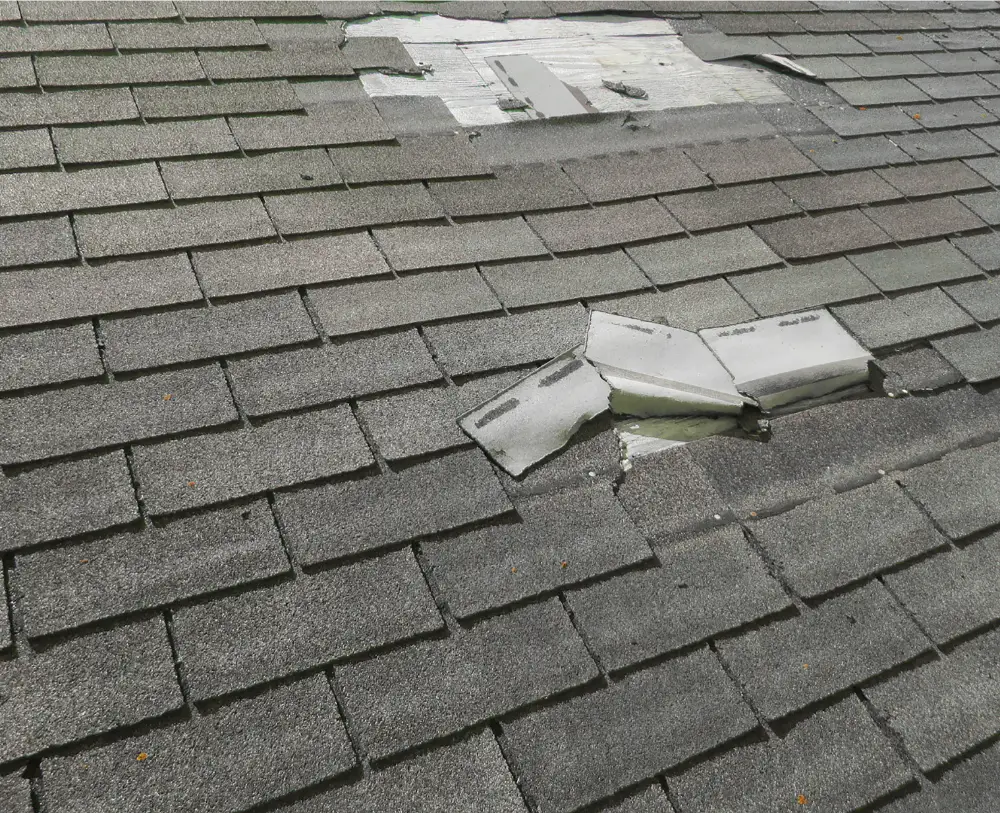
Missing or Damaged Shingles
Missing shingles leave parts of your roof exposed to the elements.
Curling or Buckling Shingles
Shingles that are curling at the edges or buckling across their surface may be approaching the end of their useful life.
Granules in Your Gutters
Asphalt shingles naturally lose some granules over time.
A significant amount accumulating in gutters can indicate an aging roof.
Water Stains on Ceilings
Brown or yellow stains on your ceiling may indicate a roof leak.
Don't ignore them.
Daylight in the Attic
If you can see daylight coming through the roof deck, your roof may have gaps that require immediate attention.
Sagging
A sagging roof can indicate a serious structural or moisture problem and should be professionally evaluated as soon as possible.
How Old Is Your Roof?
Roof age is another major consideration.
Many asphalt shingle roofs last approximately 20 to 30 years, although lifespan varies based on materials, installation quality, ventilation, weather exposure, and maintenance.
Colorado's weather can be particularly demanding.
If your roof is approaching the end of its expected lifespan, it's smart to start planning before a major problem develops.
Don't wait for your roof to fail completely.
Why Colorado Weather Is Hard on Roofs
Colorado Springs roofs experience conditions that can accelerate wear.
Hail
Hail can bruise shingles and damage protective granules.
UV Exposure
Colorado's high elevation means strong sunlight and UV exposure can contribute to roofing material degradation.
Temperature Swings
Large changes between daytime and nighttime temperatures cause roofing materials to repeatedly expand and contract.
Snow and Ice
Winter precipitation adds weight and moisture exposure.
Wind
Strong winds can loosen or remove shingles and damage flashing.
All of these factors make regular roof inspections particularly valuable for Colorado Springs homeowners.
Should You Repair or Replace Your Roof?
Not every damaged roof needs to be completely replaced.
A roof repair may make sense when:
- Damage is localized
- The roof is relatively new
- Most shingles remain in good condition
- The underlying structure is healthy
Replacement may make more sense when:
- Damage is widespread
- The roof is nearing the end of its lifespan
- There have been repeated leaks
- Shingles are deteriorating throughout the roof
- Storm damage is extensive
A professional roofing inspection can help you determine which option makes the most financial sense.
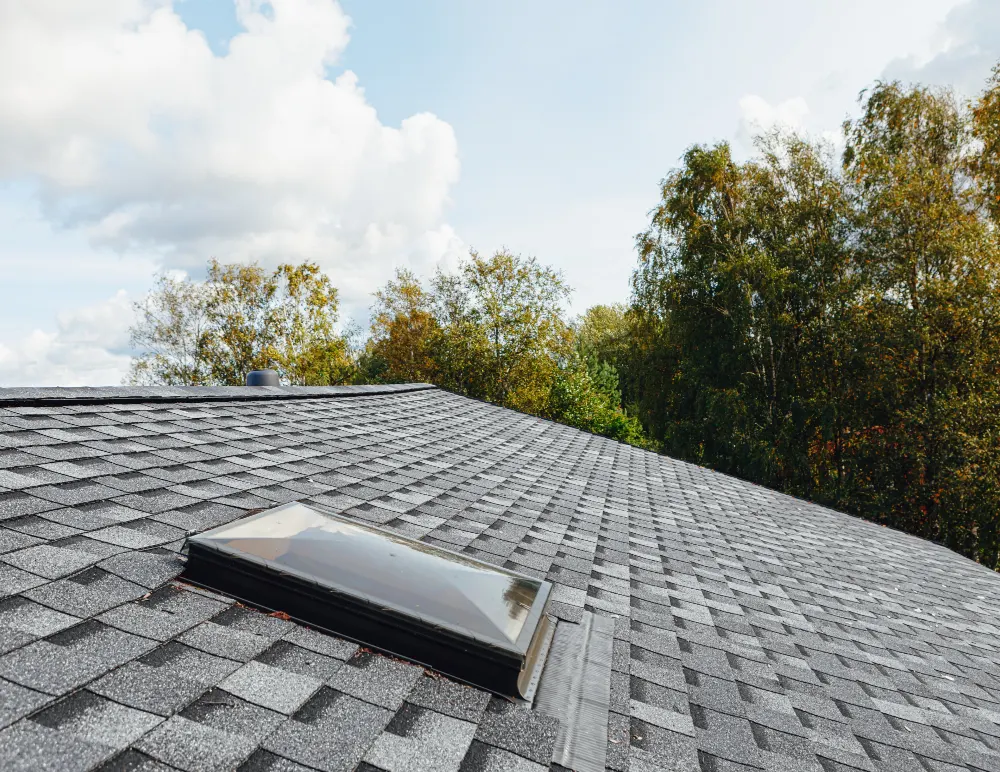
Don't Forget Roof Ventilation
When replacing a roof, it's important to look beyond the shingles.
Proper attic ventilation helps regulate temperature and moisture in the roofing system.
A well-ventilated attic can help:
- Reduce heat buildup
- Manage moisture
- Protect roofing materials
- Improve energy efficiency
- Reduce the risk of ice dams
If you're replacing your roof, ask your contractor to evaluate the existing ventilation system.
How to Prepare for a Roof Replacement
Once you've decided it's time to replace your roof, there are several ways to prepare.
1. Schedule an Inspection
Start by having a professional evaluate your existing roof.
2. Get a Detailed Estimate
Make sure you understand what the project includes.
3. Ask About Materials
Different roofing materials have different lifespans, appearances, and price points.
4. Check Ventilation
Make sure the attic ventilation system is part of the conversation.
5. Plan Around the Weather
Your contractor should monitor the forecast and schedule installation accordingly.
6. Consider Other Exterior Repairs
If you're already replacing the roof, it may be an ideal time to address gutters, flashing, siding, or other related issues.
What Happens If You Wait Too Long?
Delaying roof replacement doesn't necessarily save money.
A small roofing problem can eventually lead to:
- Water damage
- Damaged insulation
- Mold growth
- Rot
- Ceiling damage
- Wall damage
- Structural repairs
A roof replacement is a significant investment, but ignoring a failing roof can turn one project into several.
If you know your roof is nearing the end of its lifespan, planning ahead gives you more control over the process.
Is There a "Best Month" to Replace a Roof?
Not necessarily.
Instead of focusing on one specific month, Colorado Springs homeowners should focus on weather conditions and roof condition.
Generally, late spring, summer, and early fall provide favorable opportunities, but an experienced roofing contractor can determine the best installation window based on current conditions.
The "best time" is ultimately when:
- Your roof needs replacement,
- The weather allows for proper installation, and
- A qualified roofing contractor can complete the work safely.
How HOMEfix Helps Colorado Springs Homeowners
At HOMEfix, we understand that replacing your roof is a major decision.
Our team helps Colorado Springs homeowners evaluate their roofing needs, identify storm damage, determine whether repair or replacement makes sense, and plan projects around Colorado's unique weather conditions.
Whether your roof has been damaged by hail, is approaching the end of its lifespan, or simply needs a professional inspection, we're here to help.
And because HOMEfix offers one team, every service, you don't have to coordinate multiple contractors if your roofing project uncovers other home improvement needs. From roofing and gutters to insulation, siding, windows, electrical, plumbing, and remodeling, our team can help keep your entire home in shape.
Don't wait for a small roofing problem to become a major one.
If you're wondering whether your Colorado Springs roof is ready for replacement, a professional inspection is a good place to start.
Frequently Asked Questions
What is the best time of year to replace a roof in Colorado Springs?
Late spring through early fall is generally the most convenient period for roof replacement because temperatures and weather conditions are typically more favorable. However, the condition of your roof should take priority over waiting for a particular season.
Can you replace a roof in the winter in Colorado?
Yes, roof replacement can sometimes be completed during winter when weather conditions are appropriate. However, snow, ice, freezing temperatures, and high winds can create additional safety and installation challenges.
How often should I replace my roof in Colorado Springs?
Many asphalt shingle roofs last approximately 20–30 years, but lifespan depends on the roofing material, installation, maintenance, ventilation, and exposure to Colorado weather.
How do I know if hail damaged my roof?
Hail damage isn't always visible from the ground. Signs can include damaged or missing granules, bruising on shingles, damaged flashing, gutters, vents, and other exterior components. A professional roof inspection is the best way to determine whether your roof sustained storm damage.
Should I replace my roof before selling my house?
It depends on the roof's age and condition. If the roof is near the end of its lifespan or has significant damage, replacement may make the home more attractive to buyers. However, a professional evaluation can help determine whether replacement, repair, or simply disclosing the roof's condition makes the most sense.