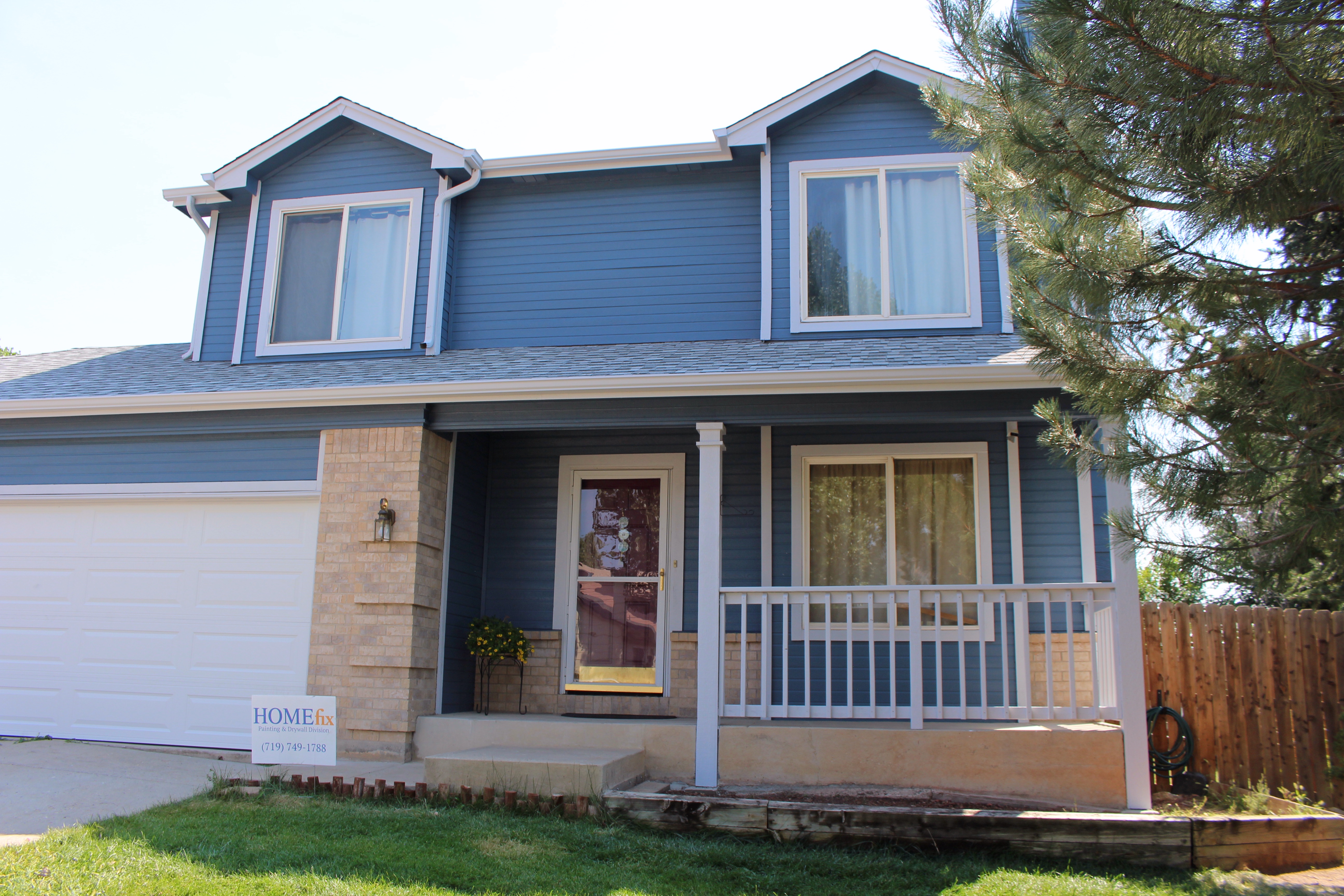
Exterior paint is one of the most misunderstood parts of a home.
Most people think it’s about curb appeal. Making things look nice. Freshening things up.
That’s part of it.
But the real job of exterior paint? Protection.
In a place like Colorado Springs—where you get intense sun, dry air, snow, hail, and big temperature swings—your paint isn’t just decoration. It’s a barrier between your home and everything trying to break it down.
When that barrier starts to fail, your home feels it.
And the longer it goes ignored, the more expensive it gets.
Let’s walk through the signs your home is giving you—and why acting early matters.
First: What Exterior Paint Actually Does
Before we get into the warning signs, it helps to understand what paint is really doing.
A quality exterior paint system:
- Seals out moisture
- Protects against UV damage
- Prevents wood rot and material breakdown
- Helps block pests from getting in
- Extends the life of your siding and trim
When it’s doing its job, you don’t think about it.
When it starts to fail, everything behind it is exposed.
That’s when small problems turn into big ones.
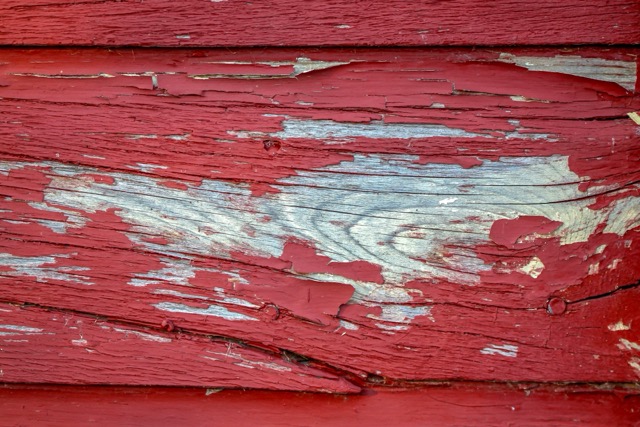
1. Peeling, Cracking, or Bubbling Paint
Let’s start with the obvious one.
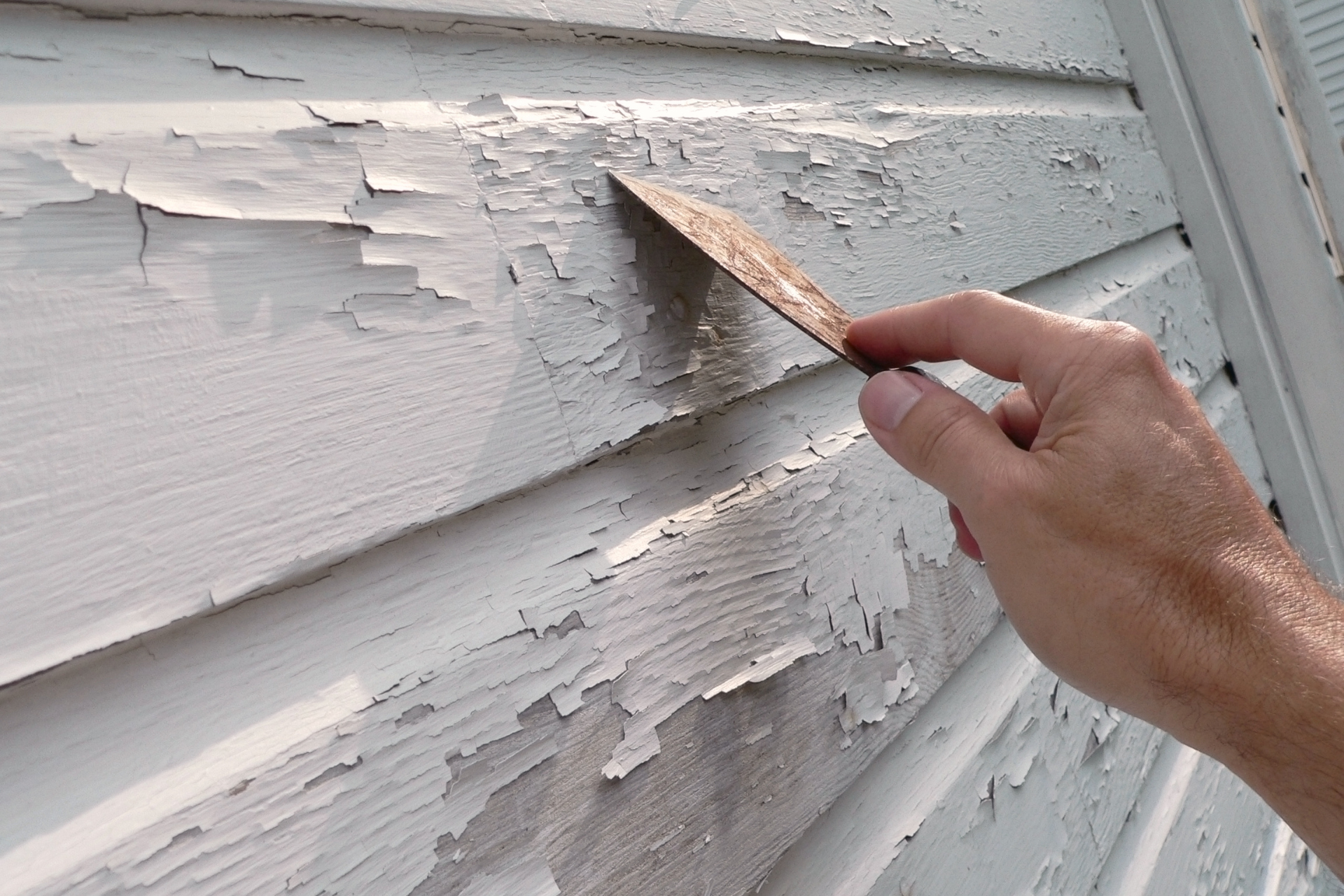
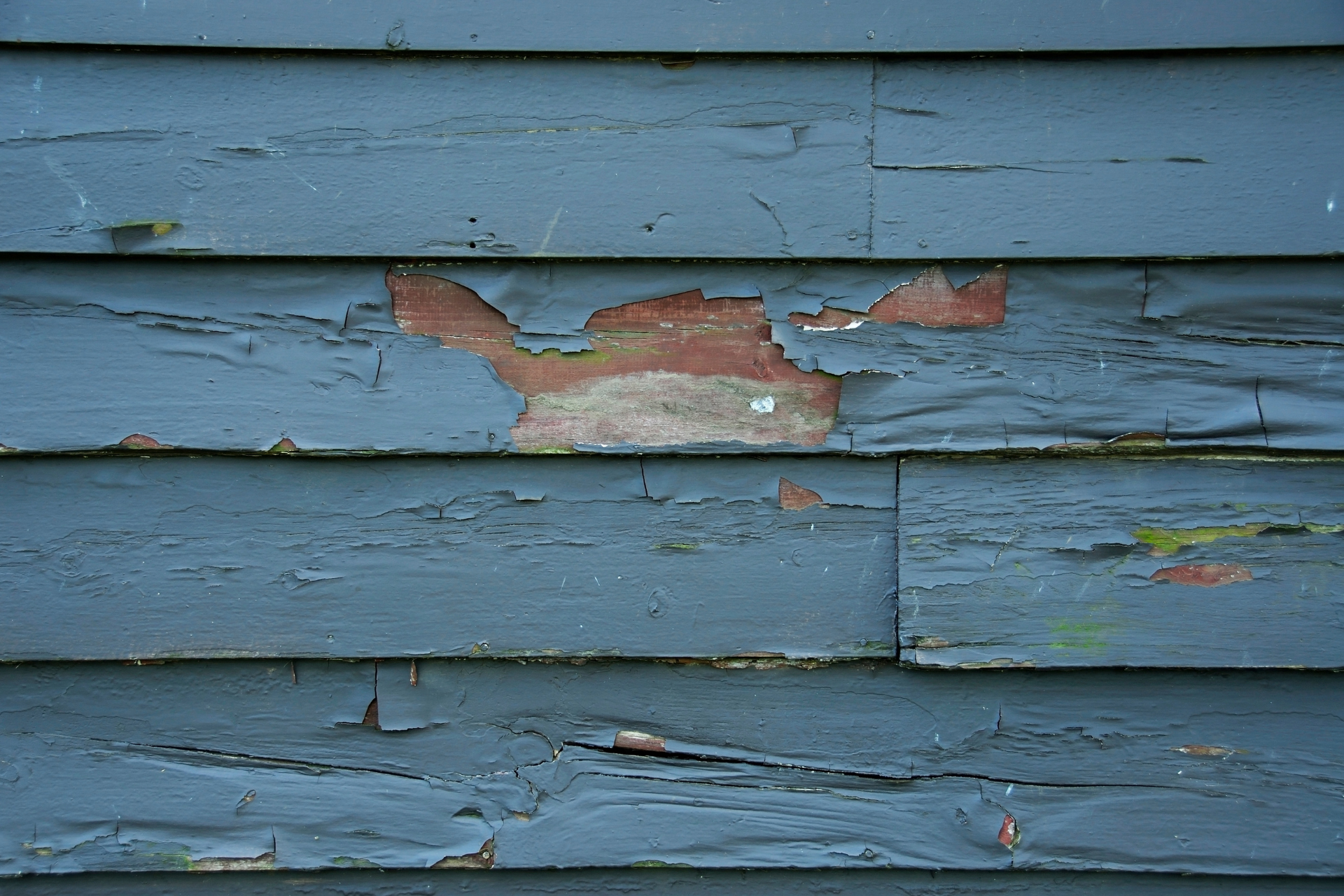
If your paint is peeling, cracking, or bubbling, it’s not just “getting old.” It’s failing.
This usually means:
- Moisture has gotten underneath the surface
- The paint has lost adhesion
- The substrate (wood, siding, trim) is no longer sealed
And here’s the part most people miss—
Once paint starts peeling, it doesn’t stop.
It spreads.
What starts as a small section on a trim board can quickly turn into:
- Exposed wood
- Rot
- Mold or mildew
- Insect damage
At that point, you’re not just repainting. You’re repairing.
In Colorado Springs, where snow melts and refreezes and the sun dries everything out quickly, that cycle accelerates damage.
Takeaway: Peeling paint is a protection problem, not just a cosmetic one.
2. Faded or Washed-Out Color
Fading seems harmless.
Your house just doesn’t look as sharp as it used to.
But fading is actually one of the earliest signs that your paint system is breaking down.
Here’s what’s happening:
- UV rays are degrading the pigments
- The binders in the paint are weakening
- The surface is starting to lose its protective qualities
In high-altitude environments like Colorado Springs, UV exposure is stronger than in many other parts of the country.
That means paint ages faster here.
You’ll often notice:
- One side of the house (usually south- or west-facing) fading faster
- Color looking dull or chalky
- Uneven appearance across elevations
This is your window.
Faded paint is your early warning sign—repaint now, and you avoid bigger issues later.
Wait too long, and you move into peeling, cracking, and material damage.
3. Cracked or Missing Caulking Around Windows and Trim
Most homeowners look at siding and ignore the details.
That’s a mistake.
The areas around:
- Windows
- Doors
- Trim joints
- Corners
…are some of the most important parts of your home’s exterior system.
Caulking is what seals those gaps.
Over time, especially with Colorado’s freeze-thaw cycles, caulking:
- Shrinks
- Cracks
- Pulls away
When that happens, water finds a way in.
And water doesn’t need much of an opening.
Once inside, it can lead to:
- Hidden rot behind trim
- Swollen materials
- Mold issues
- Interior damage
Here’s the key point:
Paint and caulking age together.
If your caulking is failing, your paint system is usually right behind it.
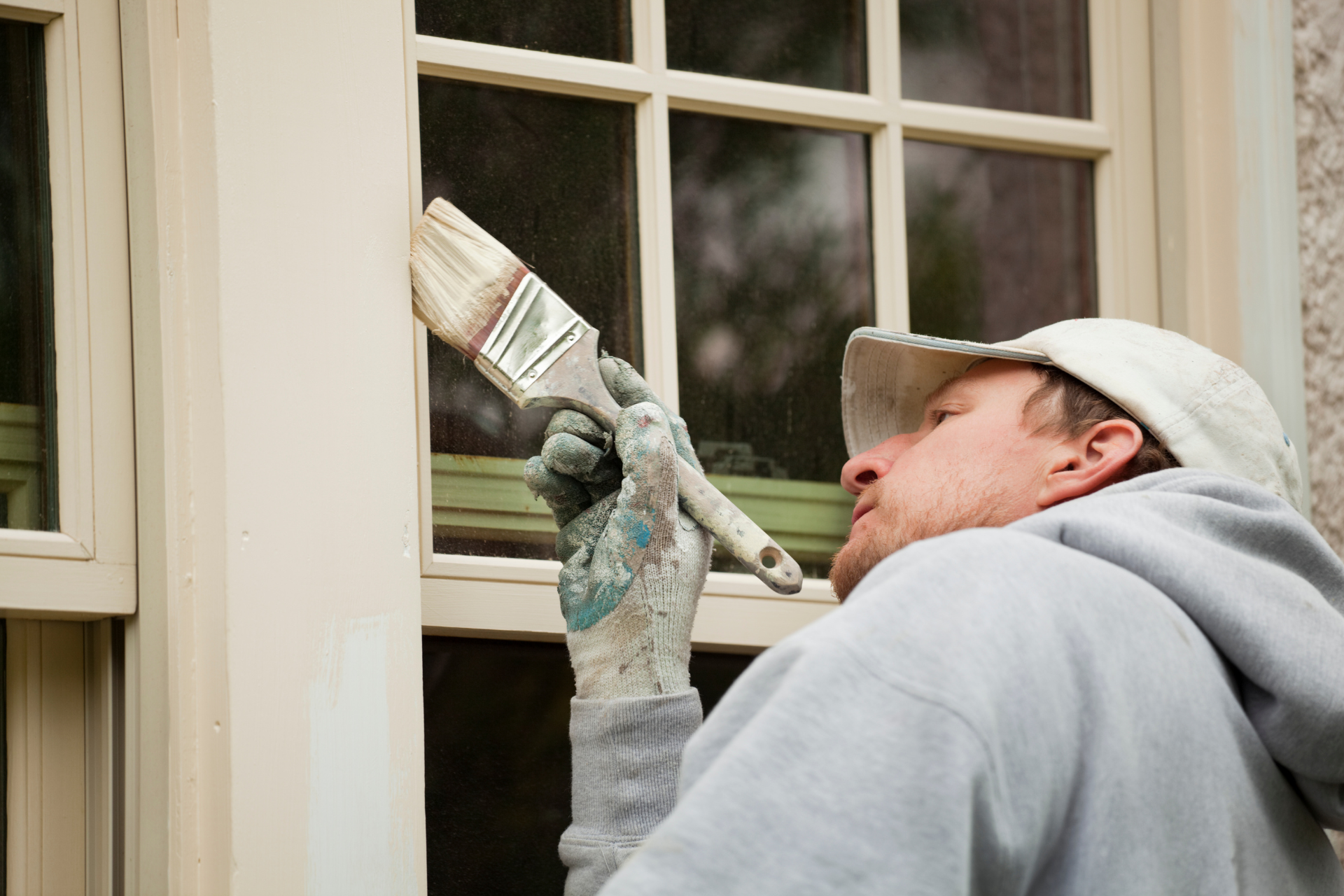
A proper exterior repaint isn’t just spraying color—it includes:
- Removing failed caulk
- Re-sealing vulnerable areas
- Prepping surfaces correctly
That’s what actually protects your home.
4. Chalking or Powdery Residue
This one surprises people.
You run your hand along your siding and get a white, dusty residue.
That’s not dirt.
That’s your paint breaking down.
It’s called chalking, and it happens when:
- UV exposure degrades the paint surface
- The binders break apart
- Pigment particles are released
In simple terms:
Your paint is disintegrating.
At this stage:
- Protection is minimal
- Adhesion is compromised
- New paint won’t stick properly without prep
And that last part matters.
If you paint over chalky surfaces without proper cleaning and prep:
- The new paint won’t bond
- It will fail early
- You’ll be repainting again sooner than expected
Chalking is often ignored because it’s subtle.
But it’s one of the clearest signs your paint has reached the end of its life.
5. It’s Been 7–10 Years (Or More)
Sometimes the biggest sign is just time.
Even the best paint jobs don’t last forever.
In most cases:
- Standard lifespan: 7–10 years
- High-quality systems: maybe a bit longer
- Harsh climates (like Colorado Springs): often shorter
And here’s where people get into trouble—
They wait until they see damage.
By then, it’s usually too late for a simple repaint.
Now you’re dealing with:
- Surface repairs
- Trim replacement
- Extra prep work
- Higher overall cost
Repainting on schedule is one of the simplest ways to protect your home and control costs over time.
Why Exterior Painting Is a Protection Investment
Let’s be direct. A repaint costs money. But ignoring it usually costs more.
Because when paint fails, it exposes:
- Siding
- Trim
- Structural components
And those aren’t cheap to replace.
A well-timed paint job:
- Extends the life of your exterior materials
- Prevents moisture damage
- Reduces long-term repair costs
- Keeps your home looking maintained (which matters for value)
It’s not just about appearance.
It’s about avoiding preventable problems.
What a Proper Exterior Paint Job Should Include
If you’re going to do it, it needs to be done right.
That means:
- Thorough surface prep
- Scraping and sanding failing areas
- Addressing moisture issues
- Replacing damaged materials where needed
- Re-caulking all vulnerable joints
- Using high-quality, climate-appropriate paint
Skipping these steps is how you end up repainting again in a few years.

Final Thoughts
Exterior paint is one of those things that’s easy to put off.
Until it isn’t.
Your home will usually give you signs before things get serious:
- Fading
- Cracking
- Peeling
- Chalking
- Failing seals
The key is catching it early.
Because at the end of the day, paint isn’t just about how your home looks. It’s about how well it holds up. Give us a call at (719) 749-1788 for an exterior paint estimate, and quality work done right.