When Does a Remodel Stop Being Worth the Money?
Home remodeling is an investment—but not every dollar you put into your home comes back to you. At some point, a remodel can shift from “smart upgrade” to “over-improvement.” Knowing where that line is can save you tens of thousands of dollars and a lot of regret.
So when does a remodel stop being worth the money? Let’s break it down the way homeowners actually experience it—not the way HGTV makes it look.
Remodeling Should Solve Problems First
The most valuable remodels solve real issues:
- Poor layout
- Lack of storage
- Outdated or unsafe systems
- Inefficient heating or cooling
- Worn finishes that no longer perform
When a remodel improves function, comfort, and longevity, it almost always has value—financial or otherwise.
The moment you start remodeling purely for aesthetics, without solving any functional problems, you’re closer to the danger zone.
The Law of Diminishing Returns
Every remodel hits a point where additional spending delivers less return.
For example:
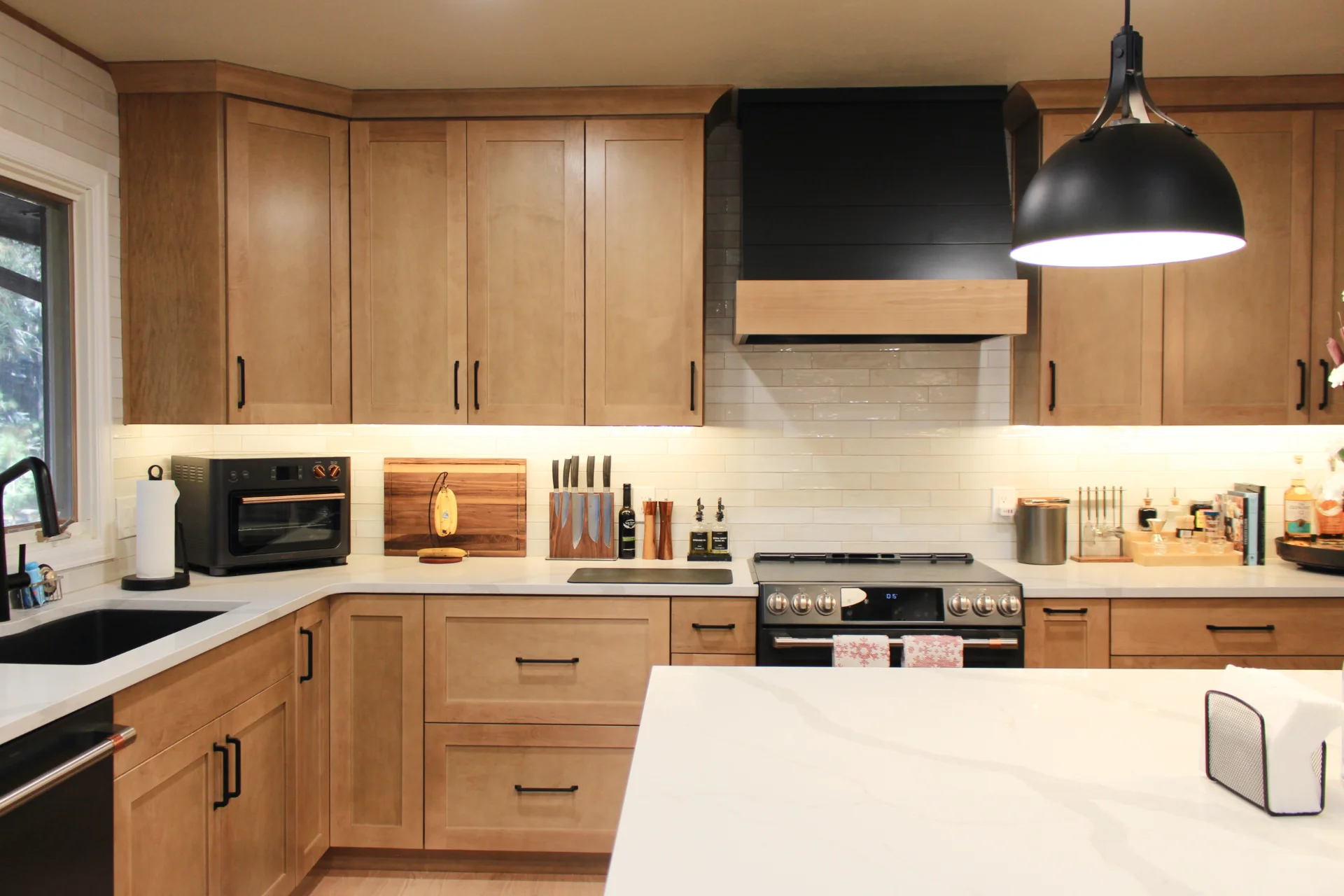
- Replacing worn laminate with quartz? Usually worth it.
- Upgrading quartz to imported stone slabs? Probably not.
- Updating a dated bathroom? Smart.
- Turning that bathroom into a luxury spa that costs more than the rest of the house? Risky.
In Colorado Springs, buyers value:
- Solid craftsmanship
- Updated kitchens and baths
- Efficient HVAC
- Finished basements
- Neutral, durable finishes
They do not reliably pay extra for ultra-custom features or trend-driven upgrades.
Neighborhood Matters More Than You Think
One of the fastest ways to over-improve is ignoring your neighborhood.
If most homes around you are:
- 3 bed / 2 bath
- Mid-range finishes
- Built between 1970–2000
And you remodel your home to luxury-new-build standards, you may never recoup the cost—because buyers shop neighborhoods first, not finishes.
A good rule of thumb:
Your home should be one of the nicest on the block—not the nicest.
Emotional Value vs. Resale Value
Not every remodel has to “pay for itself” on resale—but you should be honest about why you’re remodeling.
Remodels make sense when:
- You plan to stay 5–10+ years
- The upgrade improves daily life
- The work prevents future repairs
- The systems will age well
Remodels lose value fast when:
- You’re planning to sell soon
- The changes are highly personal
- The cost exceeds neighborhood norms
- You’re upgrading finishes but ignoring systems
If you’re remodeling for yourself, that’s fine. Just don’t expect resale to justify every dollar.
System Upgrades Are Almost Always Worth It
Here’s where people get it backwards.
New cabinets and tile feel exciting. Electrical, plumbing, HVAC? Not so much.
But:
- Electrical upgrades improve safety and capacity
- Plumbing updates prevent leaks and water damage
- HVAC upgrades improve comfort and efficiency
These don’t always show up in photos—but buyers feel them, inspectors flag them, and future repair costs drop significantly.
If you’re deciding where to spend, systems almost always beat finishes in long-term value.
When Costs Outpace the Home’s Ceiling Value
Every home has a value ceiling. Once your remodel pushes the total investment close to or beyond that ceiling, you’re remodeling for enjoyment only—not return.
Signs you’re approaching that point:
- You’re spending more on one room than comparable homes are worth
- Your remodel budget exceeds 25–30% of the home’s value
- Appraisal comps can’t support the upgrades
- You’re adding features buyers don’t expect in the area
At that point, it’s time to reassess scope—or stop.
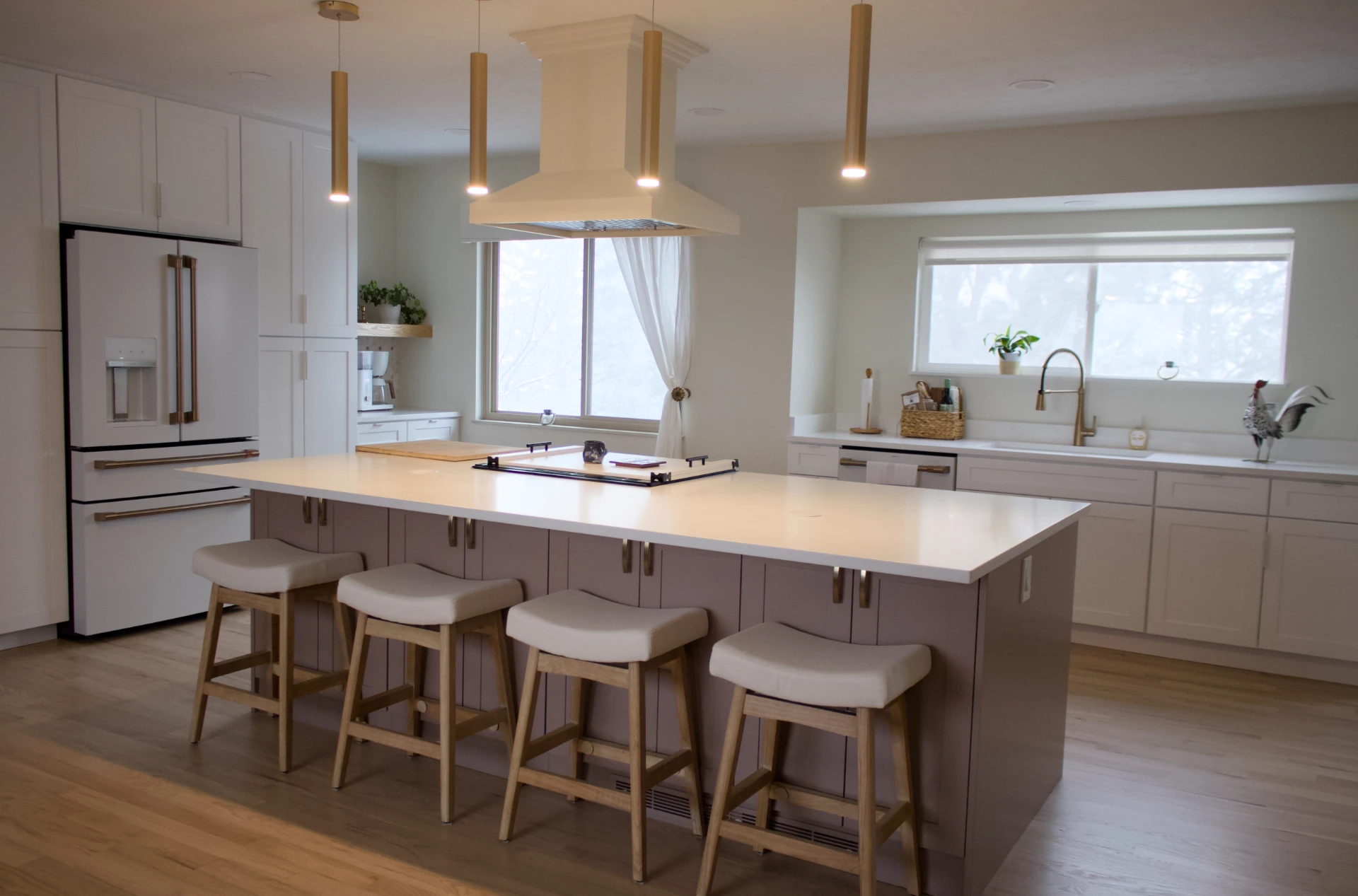
The Biggest Mistake: Remodeling Without a Plan
The fastest way to waste money is piecemeal remodeling:
- Doing finishes before systems
- Reworking the same space twice
- Ignoring future upgrades
- Chasing trends instead of durability
A good remodel plan looks at:
- Current problems
- Future needs
- System capacity
- Budget priorities
- Long-term resale impact
That’s where experienced contractors earn their keep.
Final Thoughts
A remodel stops being worth the money when it:
- Stops solving real problems
- Exceeds neighborhood expectations
- Prioritizes trends over durability
- Ignores underlying systems
- Assumes resale will “make it worth it”
The smartest remodels aren’t the flashiest. They’re the ones that still feel solid, functional, and comfortable ten years later.