If you’ve ever priced out a kitchen remodel, you’ve probably asked the same question everyone does: what’s the part that really drives up the cost?
Homeowners often assume it’s the appliances or maybe the countertops—but the truth is a little more complicated. Remodeling isn’t just about what you see; it’s about what happens behind those shiny new surfaces. And that’s where the biggest costs (and biggest differences in quality) usually hide.
At HOMEfix, we’ve remodeled hundreds of kitchens around Colorado Springs, from 1920s bungalows in Old North End to new builds in Flying Horse. No two kitchens are the same, but there’s a clear pattern in where money goes—and where it’s worth it.
1. Cabinetry: The Real Budget Anchor
Let’s start with the elephant in the room—cabinets.
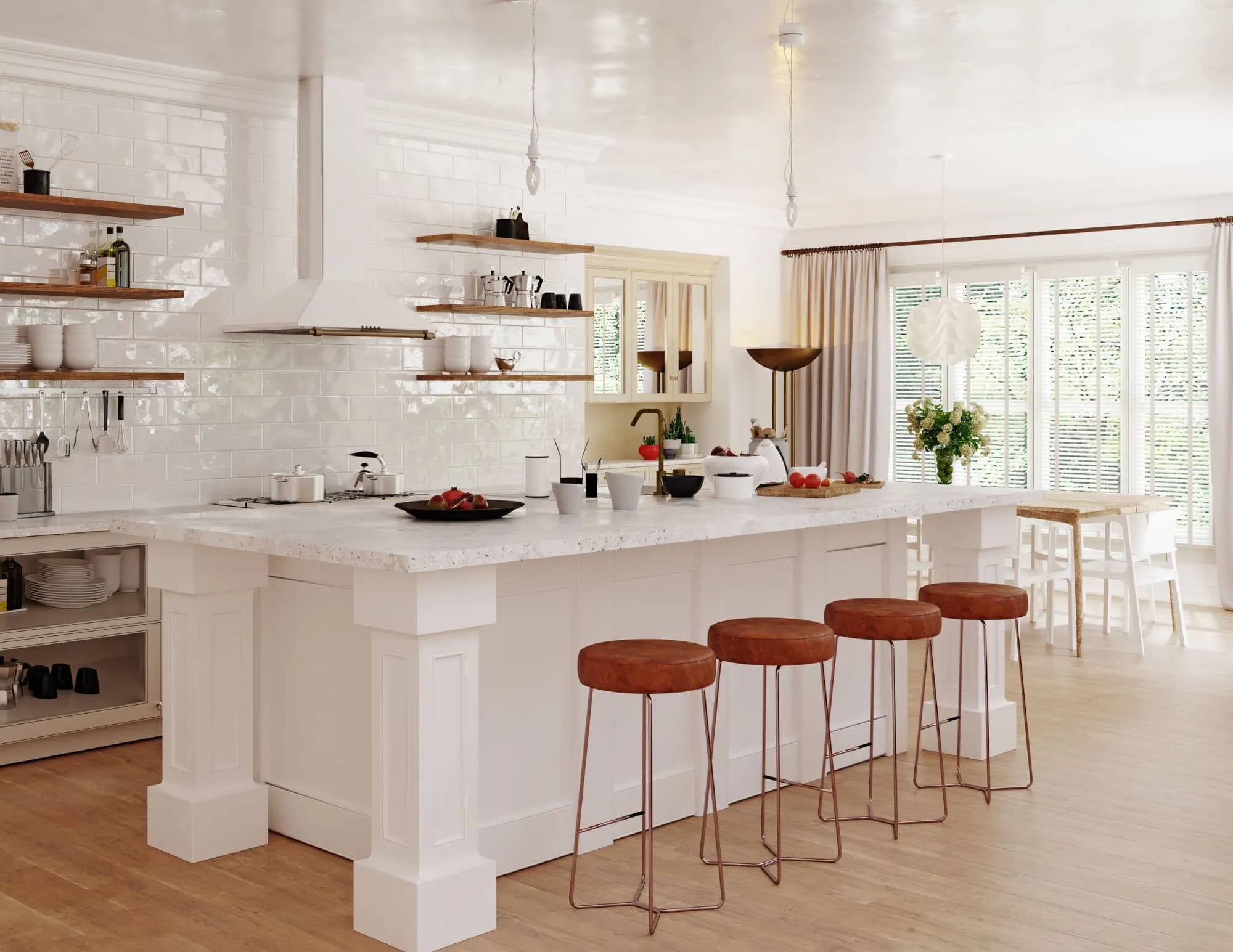
Cabinetry typically takes up 25–35% of your total kitchen remodel cost, and for good reason. It’s the backbone of your space: storage, structure, and design all rolled into one.
Why It’s So Expensive
Cabinets are both material- and labor-heavy. You’re paying for:
- Quality wood or MDF materials
- Custom or semi-custom fabrication
- Hardware (hinges, pulls, soft-close glides)
- Precision installation
A set of poorly made cabinets might look fine for a few years, but cheap materials eventually sag, warp, or delaminate. Once that happens, it’s not an easy fix—you’re basically starting over.
The Value
If you’re going to splurge anywhere, this is it. Well-made cabinetry doesn’t just look better; it feels better to live with. Doors close quietly. Drawers glide instead of sticking. And custom layouts can add real function to a home—pull-out trash bins, spice drawers, vertical pan storage—all the small touches that make daily life smoother.
2. Labor and Trades: Where Quality Actually Happens
Even the best design and materials fall flat without solid craftsmanship. Labor—your carpenters, electricians, plumbers, drywallers, painters, and tile setters—accounts for another 30–40% of a remodel’s total cost.
Why It Adds Up
A kitchen remodel isn’t one project. It’s a dozen overlapping ones:
- Running new electrical circuits
- Reworking plumbing for new sink locations or dishwashers
- Adjusting HVAC ducting or adding range ventilation
- Drywall repair and texture matching
- Custom trim, backsplash tile, flooring, and paint
Each task requires a different trade—and coordination between them. That’s where in-house teams (like ours) really shine. Instead of waiting on subcontractor schedules or “that one guy” to show up, every trade moves in sync, minimizing downtime.
Labor is expensive because good work takes time—and shortcuts are what cause callbacks later. The cost of hiring skilled trades upfront is far less than paying someone to fix a rushed job down the road.
3. Countertops
Next on the list: countertops, typically taking 10–15% of the budget.
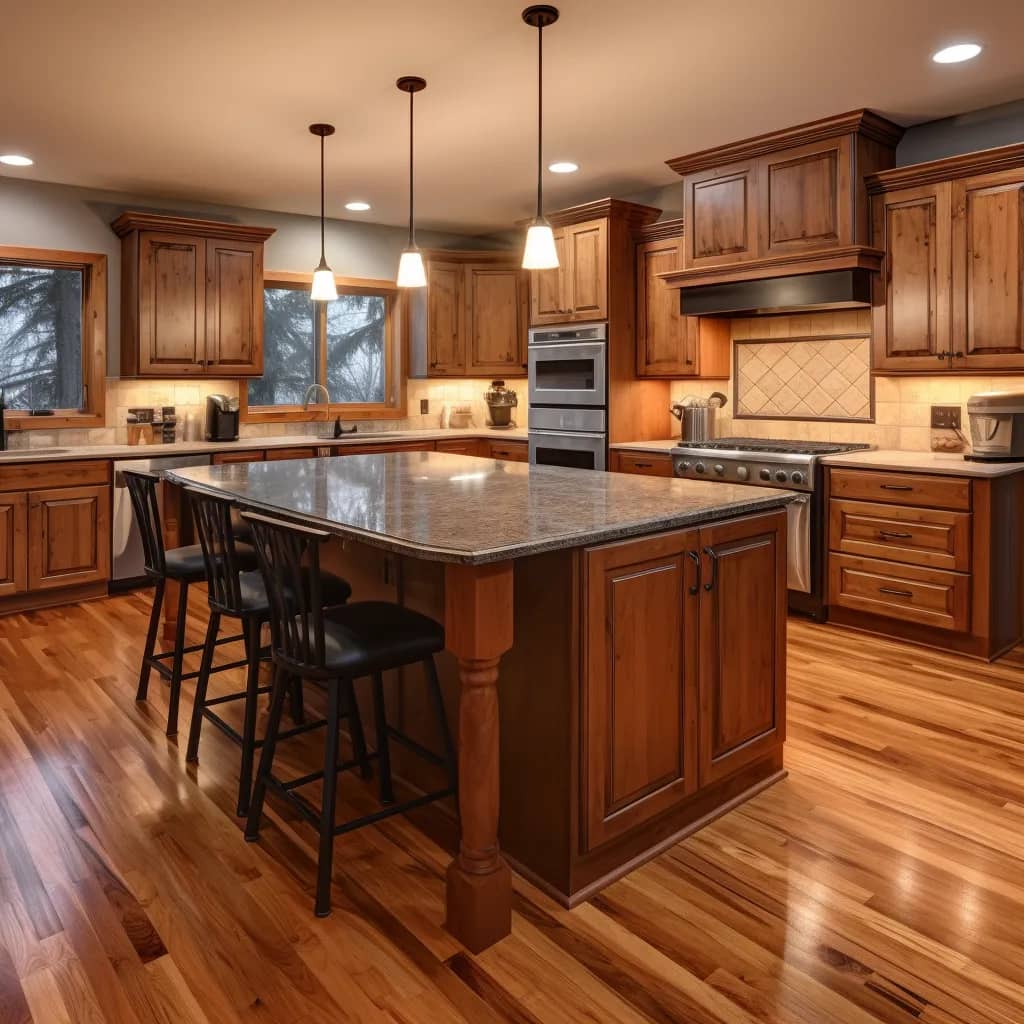
Quartz and granite are still the top contenders in Colorado Springs, with quartz leading for its low maintenance and design versatility. Natural stone can cost more to install due to its weight and need for precise templating, while quartz gives you predictability in both price and look.
Why Countertops Matter
They’re one of the most visible surfaces in your home. You use them every day, and they set the tone for the entire kitchen’s aesthetic.
Homeowners sometimes underestimate how technical countertop fabrication is—especially with modern waterfall edges or integrated backsplashes. Even a single seam requires millimeter precision, and that precision is part of what you’re paying for.
4. Appliances: A Flexible Slice of the Budget
Appliances can swing wildly in cost—anywhere from 10% to 25% depending on what you choose.
A standard suite of quality stainless appliances might cost $5K–$8K, while professional-grade ranges or built-in refrigeration systems can easily push that above $20K.
The good news: this is one area where you have control. Unlike cabinets or plumbing, you can upgrade appliances later. Prioritize layout and infrastructure first—you can swap in your dream range when the timing (and budget) is right.
5. Structural or System Changes
Want to move a wall? Shift the sink to the island? Add recessed lighting?
That’s where the unseen costs kick in.
Reworking plumbing, electrical, or HVAC systems to support a new layout can add thousands. Moving structural walls? That’s a full engineering project, complete with load calculations and potential reinforcement.
It’s not glamorous work—but it’s the difference between a remodel that just looks good and one that actually functions for decades.
If you’re working with a home built before the 1980s, expect some surprises once walls are opened: knob-and-tube wiring, galvanized pipes, or uninsulated ductwork are all common in Colorado Springs homes. Investing in system upgrades now prevents emergencies later.
6. Flooring, Backsplash & Finishing Touches
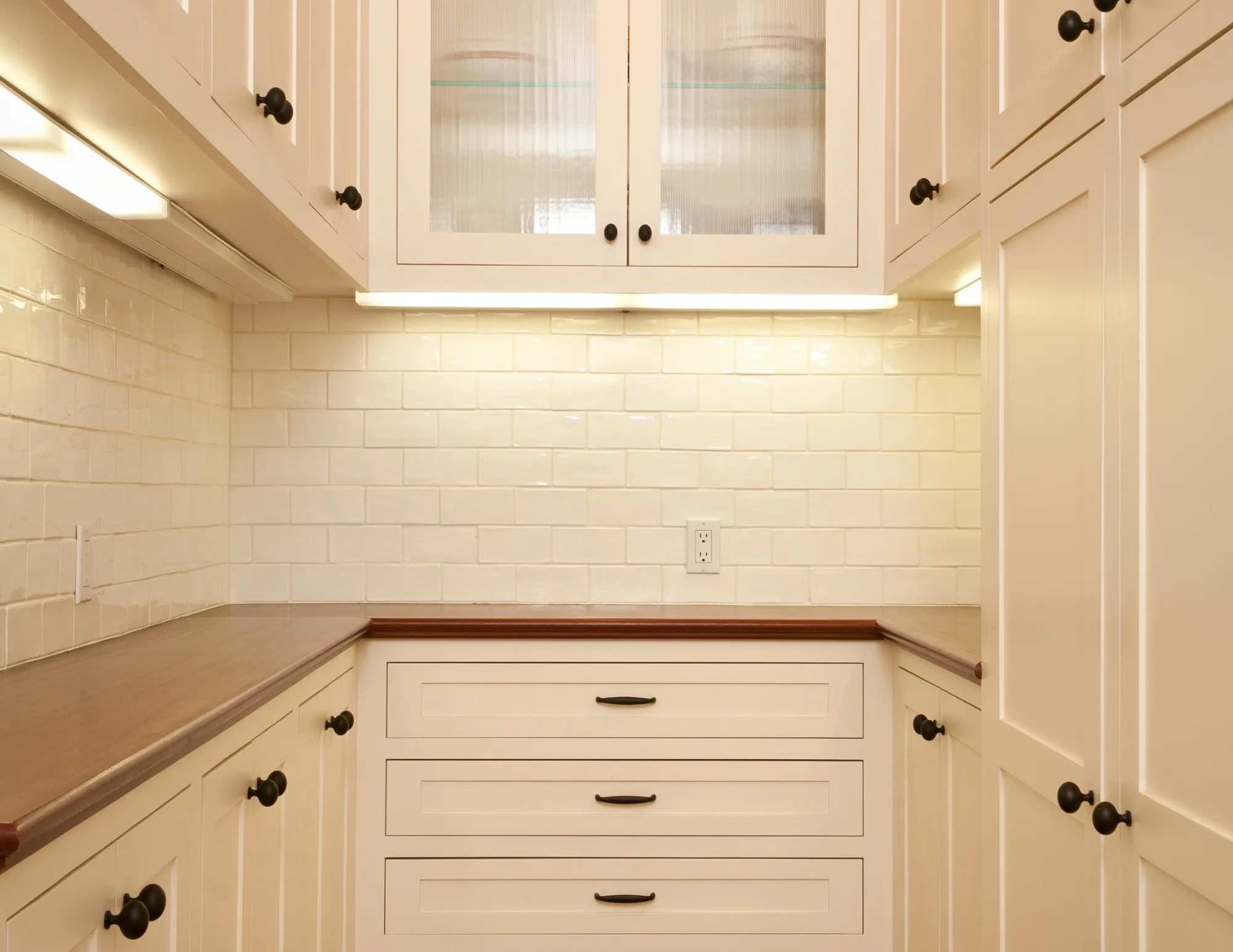
These final layers can feel like “the fun part,” but they add up quickly. Tile and flooring costs vary depending on size, pattern, and material. Backsplashes—especially handmade or mosaic tiles—are detail work that takes real time to install.
The little details (trim, caulking, undercabinet lighting) are what elevate a remodel from “contractor-grade” to “custom.” But they also eat into the budget faster than most homeowners expect.
So... What’s Actually the Most Expensive Part?
If we had to name one, cabinetry usually wins the prize.
But the real answer is: coordination.
The most expensive part of a kitchen remodel isn’t a single material—it’s the complexity of the entire system. Every part interacts. Move your sink, and plumbing shifts. Add pendant lights, and electrical rerouting follows. Change flooring height, and your cabinet dimensions might need adjustment.
That’s why working with a full-service company like HOMEfix matters. We’re not just piecing together trades—we’re orchestrating them. Every detail ties back to design, structure, and usability. That coordination is what prevents expensive mistakes.
7. Where to Save (Without Regretting It Later)
- Skip trendy finishes. They date fast. Invest in timeless cabinet and tile colors.
- Reuse your layout. Keeping plumbing and electrical in place saves thousands.
- Mix custom and stock. Custom uppers + stock lowers can still look high-end.
- Choose mid-tier appliances. Reliable, efficient, and often nearly identical in performance.
- Plan early. Rushed decisions cause change orders, which are where budgets really spiral.
Final Thoughts
In remodeling, every choice is a tradeoff—time, budget, or performance. The homeowners who end up happiest aren’t always the ones who spent the most; they’re the ones who spent smart.
Our best advice? Start with the foundation: cabinetry, systems, and layout. Those are the bones that make a kitchen feel “right” for years to come. The finishes, paint colors, and pendant lights can always evolve—but the craftsmanship underneath shouldn’t have to.