Alright, let’s talk about something nobody gets excited about: GFCIs. Ground Fault Circuit Interrupters. Sounds like a mouthful, right? But if you’ve ever tried to make toast and blow-dried your hair at the same time, only to knock out half the outlets in your bathroom, you’ve already met one. And you probably weren’t too happy about it.
But here’s the thing — that little outlet that keeps tripping? It might just save your life one day.
Let me break it down.
What Is a GFCI?
A GFCI (Ground Fault Circuit Interrupter) is a special kind of electrical outlet designed to protect you from getting shocked. It does that by constantly monitoring the flow of electricity through the circuit. If it detects that power is going somewhere it shouldn’t — like through water, or, more importantly, through you — it shuts off the circuit in a fraction of a second.
It’s like a bodyguard for your wiring. Doesn’t say much. Just watches everything. And if something shady happens, it throws down immediately.
Why You Need Them
Water and electricity are not friends. And your kitchen, bathroom, laundry room, garage — all the places where GFCIs are required — are basically wet zones just waiting for a disaster to happen.
Say you’ve got wet hands and you’re plugging in a curling iron or an electric drill. If that tool shorts out, the GFCI will notice that the current’s doing something weird — like heading into the floor through your body — and it’ll kill power before you can even say “that’s not good.”
Without one? That shock could stop your heart.
This isn’t a scare tactic. It’s literally the reason they were invented. And it works.
How to Spot One
GFCIs are those outlets with the little "TEST" and "RESET" buttons on them. Usually found in the kitchen, bathroom, garage, or anywhere near water. Sometimes, one GFCI outlet protects multiple downstream outlets — so if you lose power at an outlet with no buttons, the GFCI might be hiding somewhere else on the same circuit. (Pro tip: check the garage.)
Common Issues (and Why They Trip)
People complain all the time:
“My outlet keeps tripping. It’s broken.”
Maybe. Or maybe it’s doing its job.
Here are a few reasons your GFCI might trip:
- Moisture: Steam, spills, or leaks can cause tiny electrical imbalances.
- Faulty Appliances: Toasters and hairdryers are usual suspects.
- Wiring Problems: Loose wires, bad connections, or overloading can all set off a GFCI.
- Old Age: Like everything else, GFCIs wear out over time. Most last about 10 years. Less if they’ve been tripping a lot.
How to Reset It
Easy. Hit the "RESET" button. If it clicks and the outlet works again — great. If it won’t reset or trips again immediately, unplug everything from the circuit and try again. Still no luck? Time to call someone who knows their way around a multimeter.
Can I Replace One Myself?
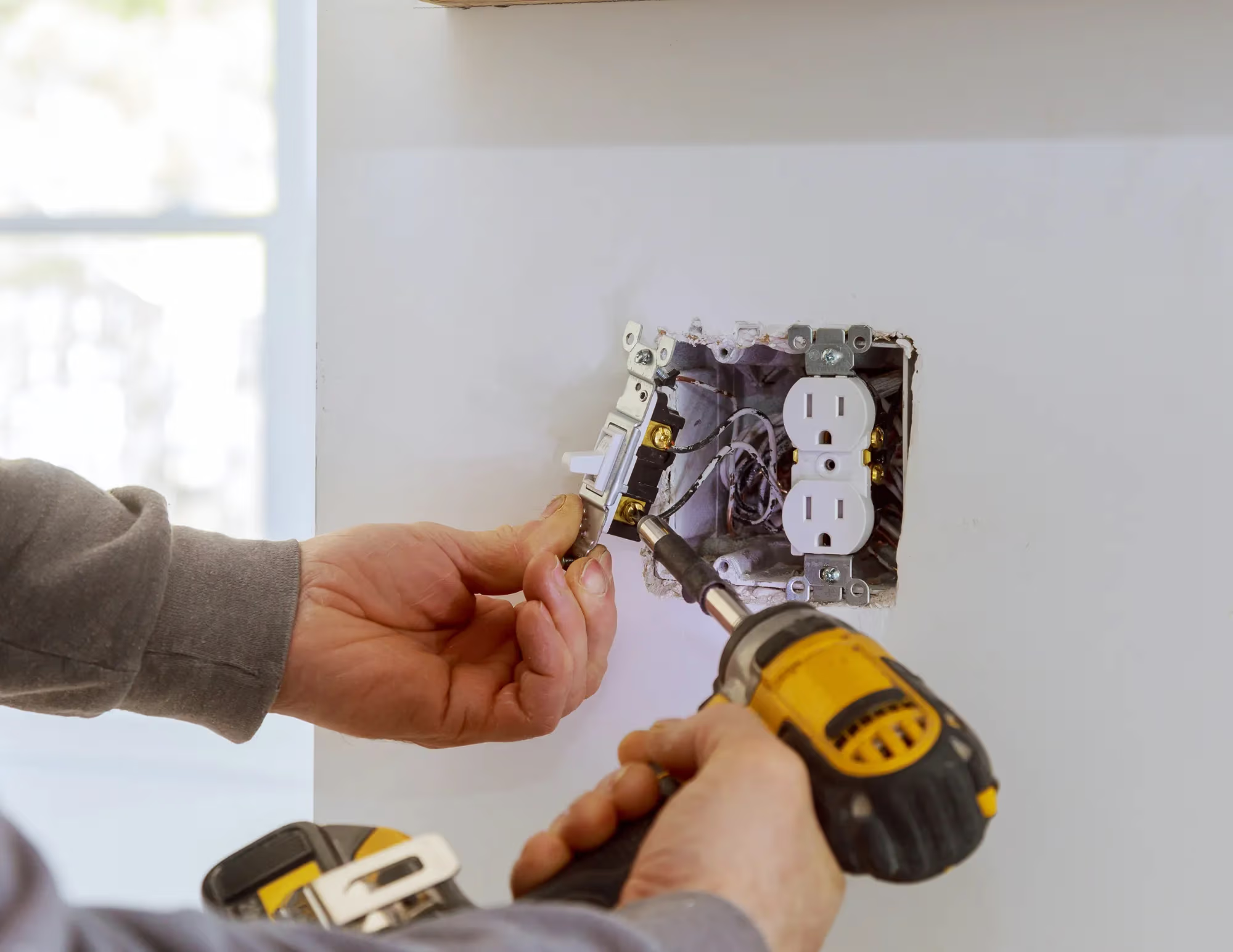
If you’re comfortable flipping breakers and know how to test a circuit — sure. It’s not rocket science. But if you’re not sure which wire is line vs. load, don’t wing it. A bad GFCI install can make things more dangerous. That’s not a gamble worth taking.
Final Thoughts
GFCIs aren’t exciting. They’re not the statement piece of your kitchen remodel. But they’re essential. Quiet, reliable, behind-the-scenes safety. Like a seatbelt — you don’t think about it until you really need it.