What Should I Replace First in an Old Bathroom?
A practical, no-regrets guide for homeowners planning a bathroom remodel
An old bathroom can feel outdated, cramped, or just plain tired — but knowing where to start is what trips most homeowners up. Tile looks dated. Fixtures don’t match. Storage is lacking. And underneath it all? Plumbing, wiring, and waterproofing that may be decades old.
If you’re planning a bathroom remodel and asking, “What should I replace first?” — you’re asking the right question.
The short answer: start with what’s hardest (and most expensive) to fix later. The long answer? Let’s walk through it.
Start Behind the Walls: Plumbing Comes First
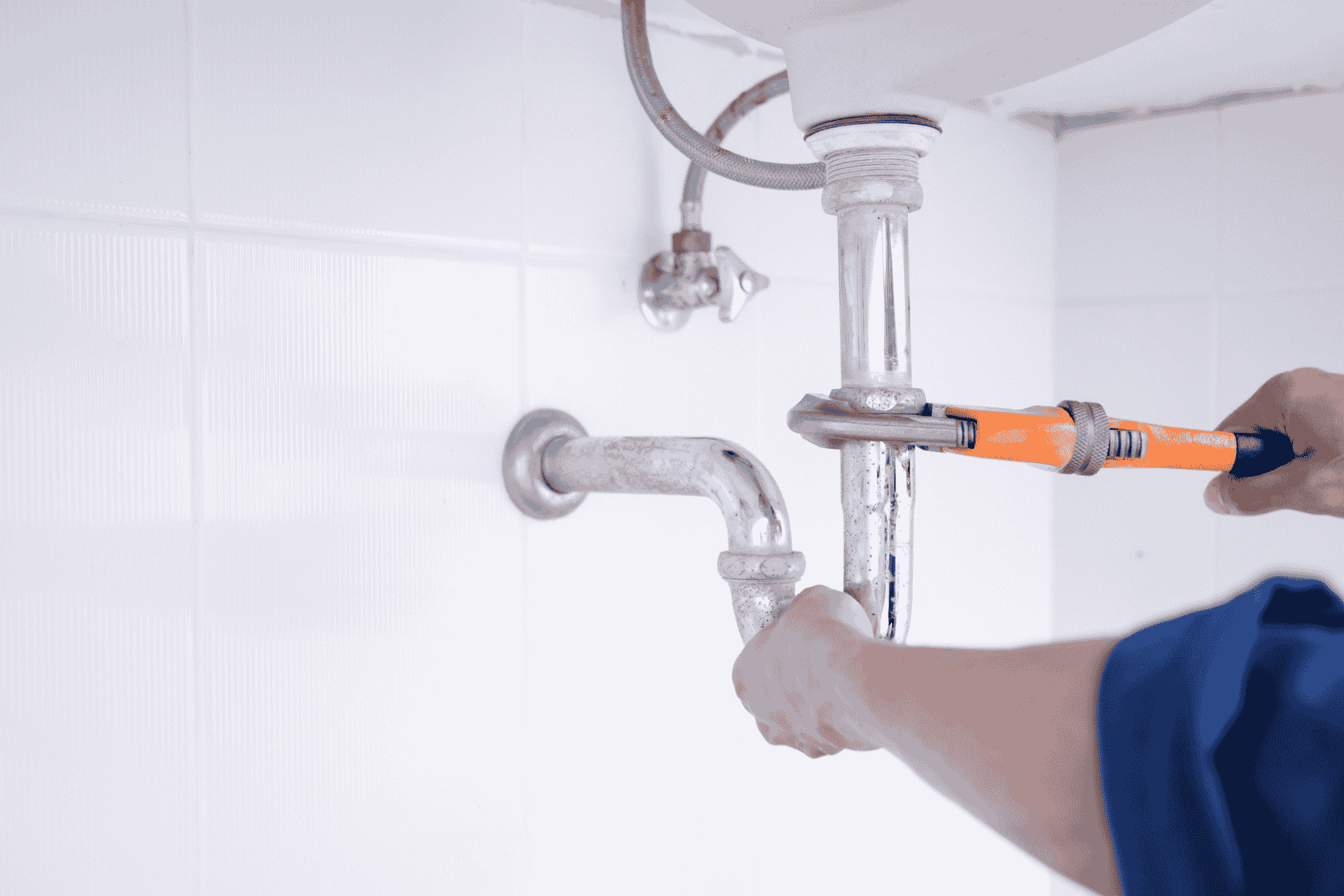
In older bathrooms, plumbing is often the biggest wildcard. Galvanized pipes, outdated drain lines, or poorly placed plumbing can limit everything else you want to do.
If plumbing needs to be updated or relocated, it should happen before:
- Tile
- Vanities
- Tubs or showers
- Flooring
Once finishes go in, plumbing changes become expensive rework. Even if pipes aren’t failing, modernizing layout or improving water pressure is best done upfront.
Griff’s rule: If it’s behind the wall, deal with it first.
Electrical & Lighting: Safety + Function
Older bathrooms often suffer from:
- Insufficient lighting
- No GFCI outlets
- Poor ventilation
- Wiring that doesn’t meet current code
Electrical upgrades should be addressed early so lighting placement, outlet locations, and ventilation fans are properly integrated into the design.
This is also when you plan:
- Vanity lighting
- Shower lighting
- Heated floors
- Smart mirrors or outlets
Once tile and drywall are installed, electrical changes get complicated fast.
Waterproofing Before Looks
This is where many DIY or budget remodels fail.
Before a single tile is installed, your contractor should address:
- Shower pan systems
- Wall waterproofing
- Floor transitions
- Proper slope and drainage
A beautiful bathroom that leaks is a remodel failure — no matter how nice it looks on Instagram.
Replace the Shower or Tub Next
Showers and tubs dictate:
- Layout
- Tile design
- Glass installation
- Drain placement
If your tub or shower is dated, cracked, or poorly sized, replacing it early sets the foundation for everything else. Walk-in showers, curbless designs, and modern tub layouts all require planning before finishes go in.

Vanities & Storage: Function Before Finish
Once infrastructure is handled, it’s time to focus on daily usability.
Ask yourself:
- Do we need more drawer space?
- Is the vanity height comfortable?
- Would a double vanity actually help?
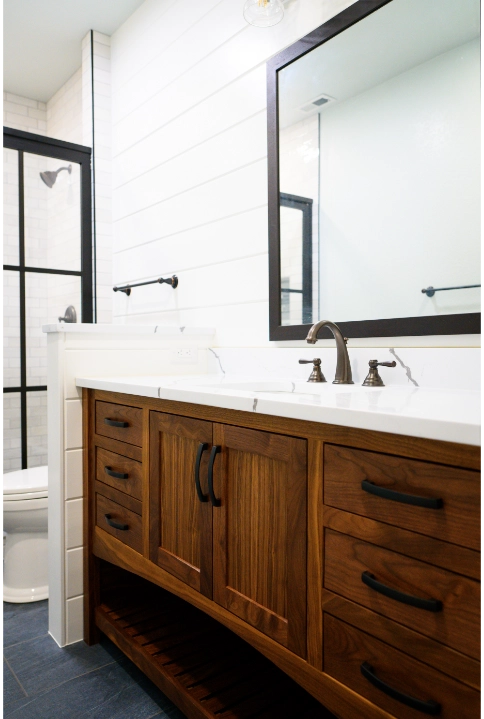
Storage mistakes are hard to undo once cabinetry is installed, so vanity selection should be thoughtful — not rushed.
Tile, Flooring & Finishes Come Last
Tile, flooring, fixtures, and paint are the final layer — and they should be.
These elements depend on everything before them:
- Proper waterproofing
- Correct layout
- Final electrical and plumbing placement
This is where your bathroom gets its personality — but only after the bones are right.
The Biggest Mistake Homeowners Make
Replacing what’s most visible instead of what matters most.
Cosmetics are tempting. But skipping infrastructure leads to:
- Rework
- Hidden damage
- Shortened lifespan
- Higher long-term costs
Final Thoughts
If you’re remodeling an old bathroom, start with what you can’t see — plumbing, electrical, waterproofing — and work outward.
That’s how you get a bathroom that doesn’t just look good on day one, but still performs ten years from now.