When homeowners plan a remodel, most of the focus is on the finished product — the new kitchen, the updated bathroom, the brighter basement.
But one question often comes up during the process:
What happens to everything that comes out of the house?
Kitchen cabinets, countertops, bathtubs, vanities, flooring, lighting — a remodel can generate a surprising amount of old material. And many homeowners in Colorado Springs wonder if they should keep any of it.
The honest answer? Sometimes yes. Most of the time, probably not.
Let’s walk through what typically happens during a remodel and when it actually makes sense to hold onto things.
First: What Happens During Demolition?
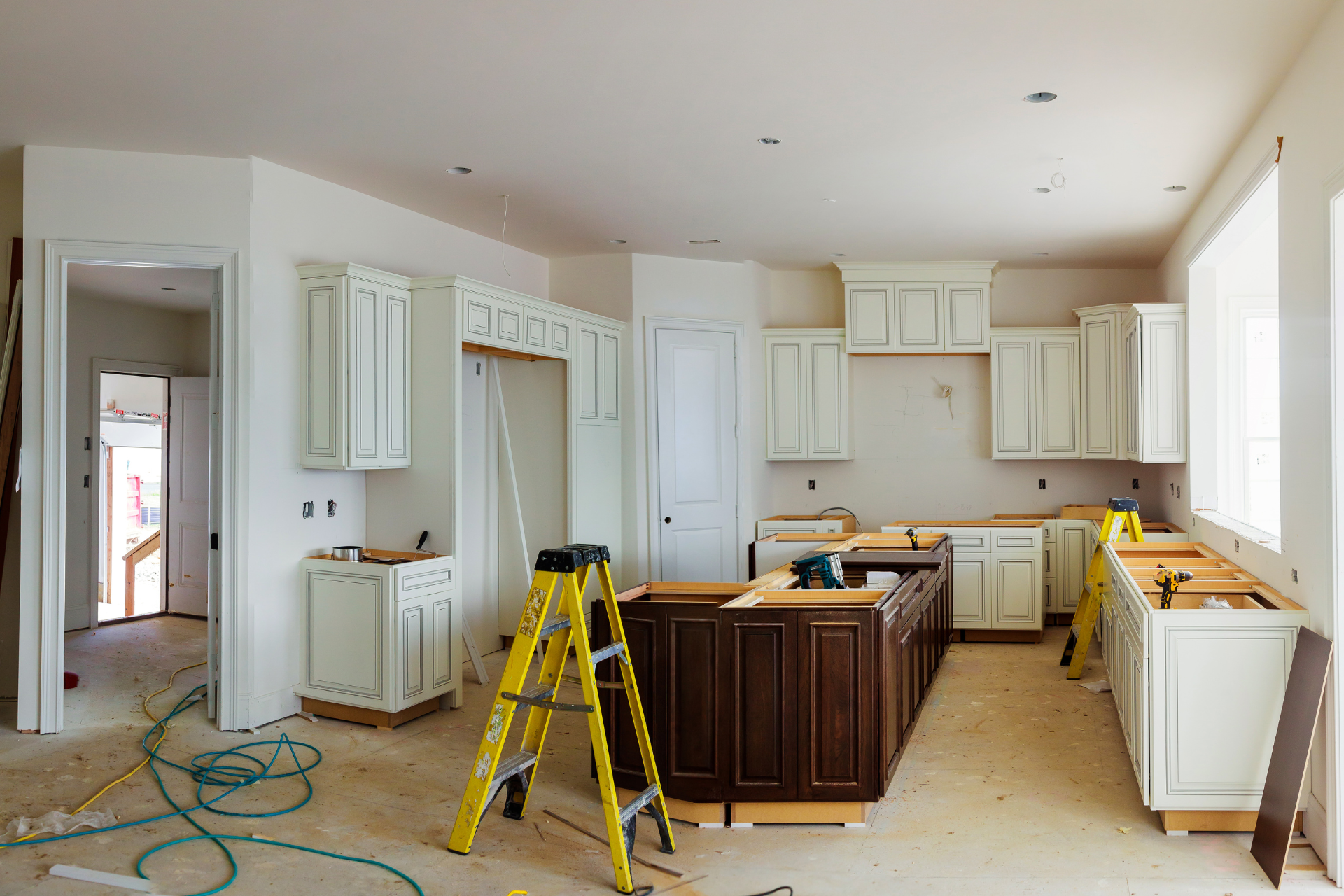
During the demolition phase of a remodel, contractors carefully remove existing materials so the space can be rebuilt.
Depending on the project, this may include:
- Kitchen cabinets
- Countertops
- Sinks and faucets
- Appliances
- Bathtubs and shower surrounds
- Bathroom vanities
- Tile and flooring
- Lighting fixtures
- Doors and trim
Some materials are removed intact, while others have to be broken apart to safely get them out.
For example:
- Tile often breaks during removal
- Laminate countertops rarely come out cleanly
- Built-in cabinets are typically fastened into walls and floors
That means not everything is salvageable.
Why Most Materials Get Discarded
A lot of homeowners assume contractors automatically reuse or donate removed materials. In reality, most items end up being disposed of.
Here’s why.
1. Age and Condition
Many materials coming out of a remodel are already decades old.
Cabinets may have:
- Water damage
- Warped boxes
- Outdated hardware
- Worn finishes
Bathtubs and sinks often show heavy wear, scratches, or staining.
Even if something technically still works, it may not be worth reinstalling.
2. Labor Costs to Remove Carefully
There’s a big difference between demolition and careful removal.
Taking something out intact often takes significantly more time.
For example:
- Removing cabinets without damage requires disassembling them piece by piece
- Removing tile without breaking it is extremely difficult
- Older plumbing fixtures may be bonded to pipes or surrounds
That extra labor adds cost to a project.
If the materials don’t have real value afterward, it usually doesn’t make sense.
.png)
3. Storage Becomes the Homeowner’s Responsibility
Even if something is removed intact, it has to go somewhere.
Cabinets, doors, tubs, and countertops take up a lot of space.
Most homeowners don’t have room in the garage or basement to store bulky materials long-term — especially during an active remodel.
When It Does Make Sense to Keep Something
There are a few situations where holding onto old materials can be worthwhile.
High-Quality or Custom Cabinets
Solid wood cabinets, especially custom-built ones, may be reusable in other spaces.
Some homeowners repurpose them for:
- Garage storage
- Basement bars
- Workshop cabinets
If they’re in good shape, they can still serve a purpose.
Vintage or Cast Iron Fixtures
Certain older fixtures have surprising value.
For example:
- Cast iron bathtubs
- Vintage sinks
- Antique lighting
These can sometimes be refinished or reused in future projects.
Extra Materials for Repairs
If you’re only remodeling part of the house, it can be smart to keep spare materials.
Examples include:
- Matching floor tile
- Trim pieces
- Cabinet doors
These can be useful if something needs repair later.
Donation Is Sometimes an Option
If materials are still in good shape, some homeowners choose to donate them.
Local reuse organizations sometimes accept:
- Cabinets
- Appliances
- Lighting
- Doors
- Plumbing fixtures
However, there are a few realities to understand:
- Items must usually be removed intact
- They must meet condition standards
- Transportation is often the homeowner’s responsibility
Not everything qualifies.
How Does Colorado Springs Affect This?
Homes in Colorado Springs often range from 1970s builds to early 2000s construction.
That means remodels frequently involve:
- Builder-grade cabinets
- Fiberglass tubs
- Laminate countertops
- Older tile installations
These materials typically have little resale or reuse value.
In most cases, replacing them is part of bringing the home up to modern standards.
Should You Ask Your Contractor to Save Things?
If there’s something you want to keep, it’s important to mention it early in the project.
Contractors can often:
- Remove specific items carefully
- Set them aside during demolition
- Coordinate pickup or storage timing
But this needs to be planned ahead of time.
Once demolition begins, the focus is on efficiency and safety.
The Goal of Demolition: A Clean Start
At the end of the day, demolition isn’t about destroying things — it’s about preparing the space for something better.
Old materials are removed so contractors can:
- Update plumbing and electrical
- Fix structural issues
- Improve insulation and ventilation
- Install modern finishes and fixtures
The goal is a cleaner, safer, more functional home.

Final Thoughts
It’s natural to wonder what happens to the materials coming out of your home during a remodel.
In most cases, they’re removed and disposed of because they’re outdated, worn, or impractical to reuse.
But occasionally, certain items — like high-quality cabinets or vintage fixtures — are worth keeping or repurposing.
If you’re considering a remodel in Colorado Springs, the best approach is simple: talk through demolition plans early so you know exactly what will stay, what will go, and why.