Did you know that many common home repair issues can directly impact the air you breathe? Whether it’s a leaky roof, poor insulation, or hidden mold behind drywall, neglected maintenance often leads to poor indoor air quality (IAQ)—and that can affect your health, comfort, and energy costs. You’d be surprised how often a small repair job turns into a big win for your indoor air quality. We’re talking less dust, fewer allergens, and just a cleaner, healthier space for you and your family.
Why Indoor Air Quality Matters
Most of us spend the majority of our time indoors—especially during Colorado winters when the doors and windows stay closed for months. If the air inside your home is full of dust, allergens, or even mold spores, that’s the air you and your family are breathing in every day.
Poor indoor air quality can cause:
- Headaches
- Fatigue
- Allergy symptoms
- Dry skin or throat
- Aggravated asthma or other respiratory conditions
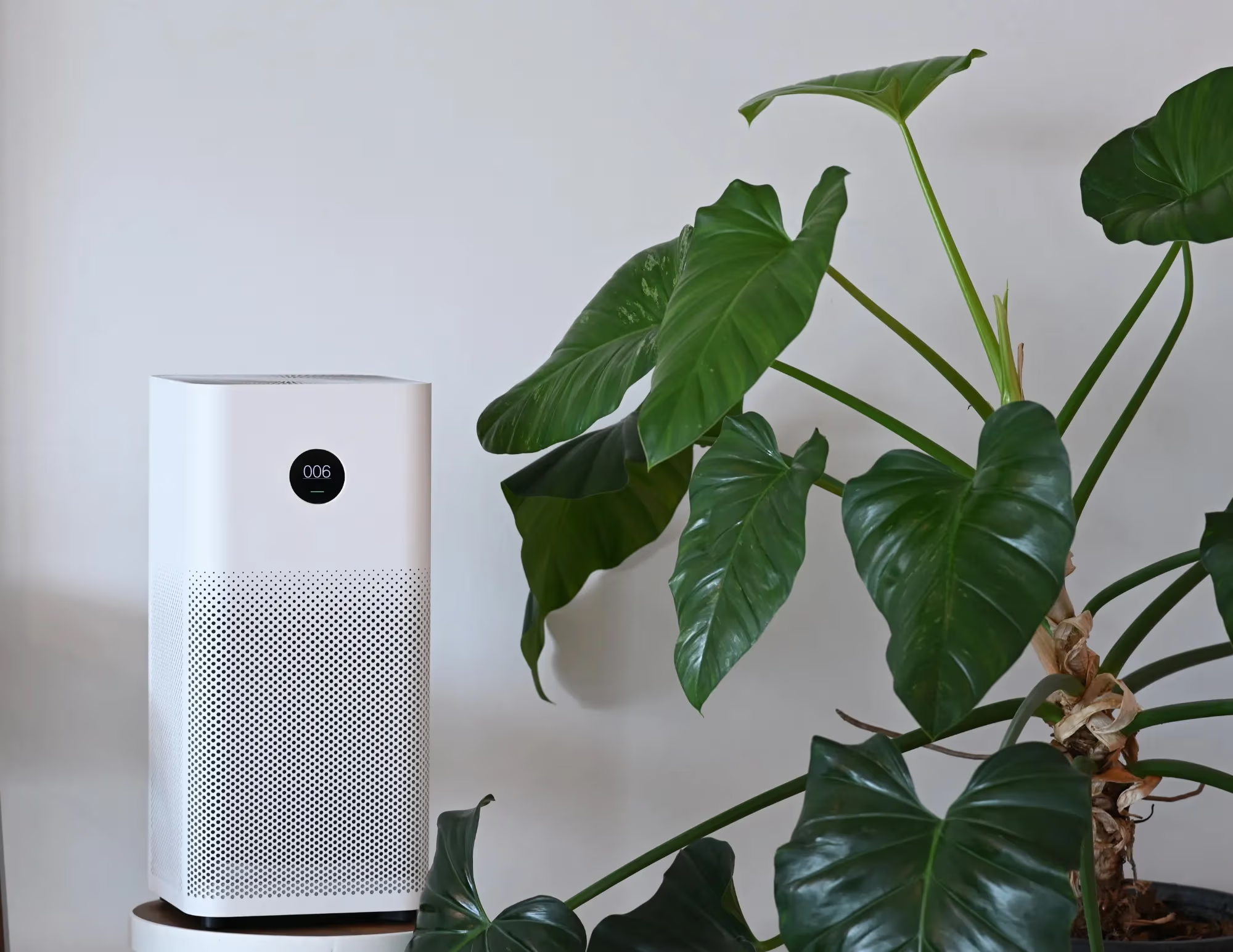
You don’t need to run out and buy an expensive air purifier. Often, fixing a few common issues around the house can make a huge difference.
Common Repairs That Impact IAQ:
1. Leaky Ductwork
If your HVAC ducts have leaks or gaps (and many do), they can suck in dust, fiberglass particles, or insulation debris from your attic or crawlspace. All of that gets circulated through your vents and into your living spaces.
👉 Sealing your ducts not only improves your air quality, it also helps your HVAC system work more efficiently.
2. Water Damage & Mold
Hidden leaks under sinks, behind toilets, or under the floors are more than just a water bill problem. That moisture often leads to mold—and mold spores in the air are one of the top causes of indoor respiratory issues.
If you spot a stain on the ceiling or wall, or if there’s a musty smell in a bathroom or basement, that’s a red flag.
3. Insufficient Insulation
Poorly insulated attics and walls don’t just cost you on energy bills—they can also let in outdoor air full of dust, pollen, or smoke (especially during wildfire season). Proper insulation seals up those air leaks and keeps outside air where it belongs.
4. Old Carpeting or Flooring Issues
Old carpet, cracked baseboards, and warping wood can harbor dust mites and other allergens. Repairing or replacing these surfaces helps reduce the stuff that builds up and gets kicked into the air.Repairing or replacing
5. Sealing Drafty Windows and Doors
Drafts let air in—and with it, dust, pollen, and pollution. Adding weather stripping or caulking around windows and doors helps control what enters your home.
Final Thoughts
Indoor air quality might not be the first thing you think of when scheduling a home repair, but it should be on your radar—especially if you or your family deal with allergies, asthma, or just want a healthier space to live in. The good news? You don’t need a massive renovation to make a real difference.
Ready to breathe easier? Call us today for a home checkup and see how small repairs can make a big difference in your indoor air quality.