If you’ve ever watched a few YouTube videos and thought, “I can fix that outlet myself,” you’re not alone. Homeowners have always tried to save a few bucks with DIY repairs. And in some cases, like painting a wall, patching a hole, or installing trim, that works out fine.
But when it comes to electrical work? That’s where “DIY” often turns into “do it twice.”
At HOMEfix, we’ve seen it more times than we can count — flickering lights, half-working switches, or worse, homes that fail inspection because of hidden wiring mistakes. And while the appeal of saving money makes sense, electrical work is one of those areas where cutting corners up front usually means paying for it later.
Let’s unpack why that is, and how a few “small” electrical shortcuts can quietly drain your budget, safety, and peace of mind.
1. The Hidden Cost of Getting It “Almost Right”
Most homeowners who tackle electrical work aren’t reckless — they’re careful, curious, and trying to do things right. The problem is that “almost right” with electricity is still wrong.
A wire that’s a hair too loose, a junction box that’s not rated for the load, or a neutral that isn’t properly tied in — those things might not show up immediately. You might flip the switch and think, “Hey, it works!”
But what’s happening behind the wall could be slowly degrading your system.
Electrical work isn’t forgiving. A loose connection creates resistance, which creates heat, which leads to failure or fire. The cost to repair that one loose connection down the road — after it’s caused damage — can be ten times the cost of doing it right the first time.
2. Code Isn’t Just Bureaucracy. It’s Safety.
One of the biggest misconceptions about electrical code is that it’s just red tape — a bunch of technical rules designed to make homeowners hire professionals. But every code requirement exists because someone learned a hard lesson.
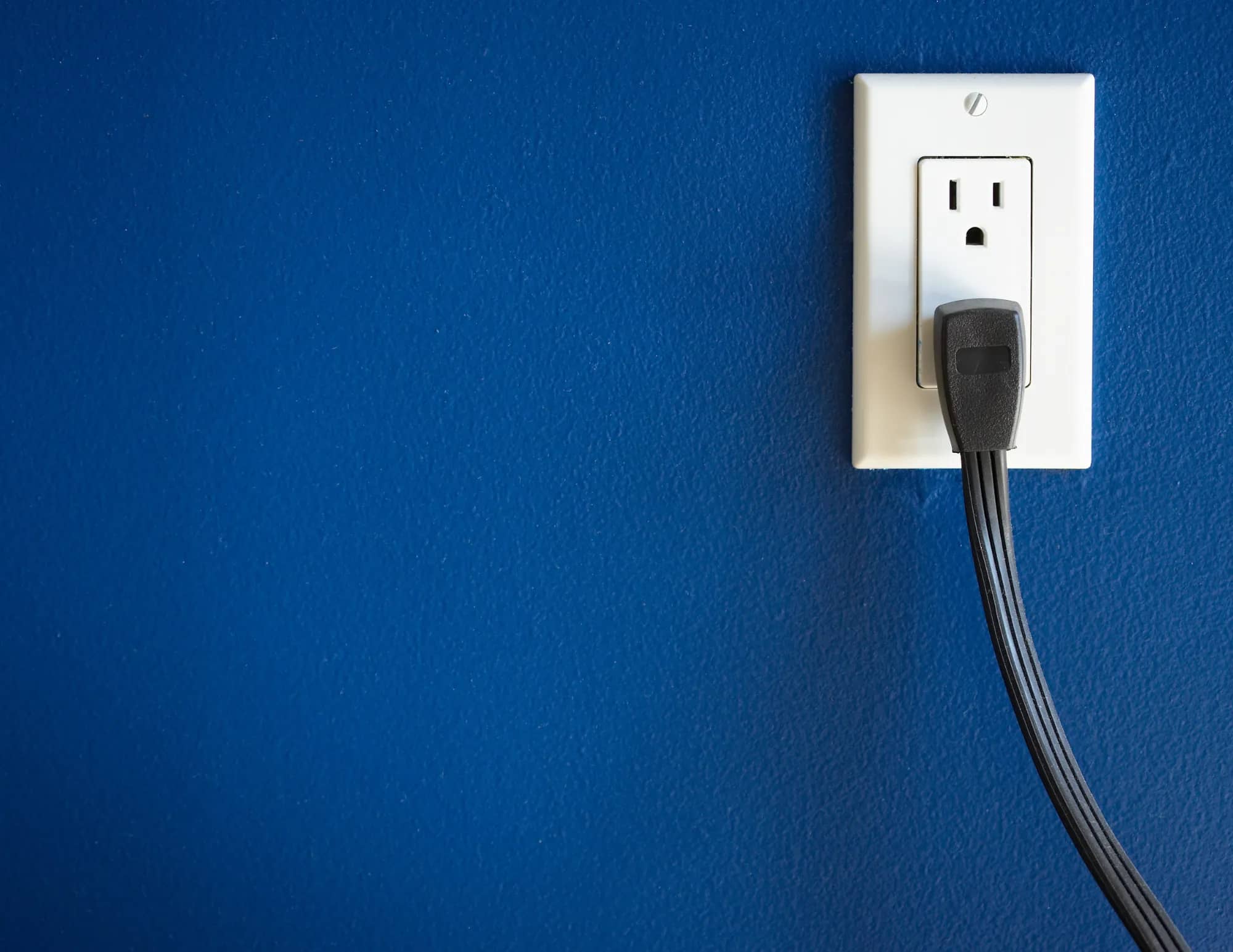
GFCI outlets in kitchens and bathrooms? Those exist because hundreds of people were shocked or worse before we started requiring ground-fault protection near water. Arc-fault breakers in bedrooms? Same story — too many electrical fires from small arcs that old breakers couldn’t detect.
When DIYers skip permits or inspections to “save time,” they’re also skipping the systems that keep homes safe.
Even if you don’t plan to sell your home soon, electrical code compliance matters. When it’s time to sell or refinance, inspectors and appraisers will flag noncompliant wiring. At that point, the cost of bringing it up to code is higher than if it had been done right from the start.
In other words, skipping a permit doesn’t just risk your safety, it also risks your resale value.
3. The Tools and Testing Pros Bring to the Table
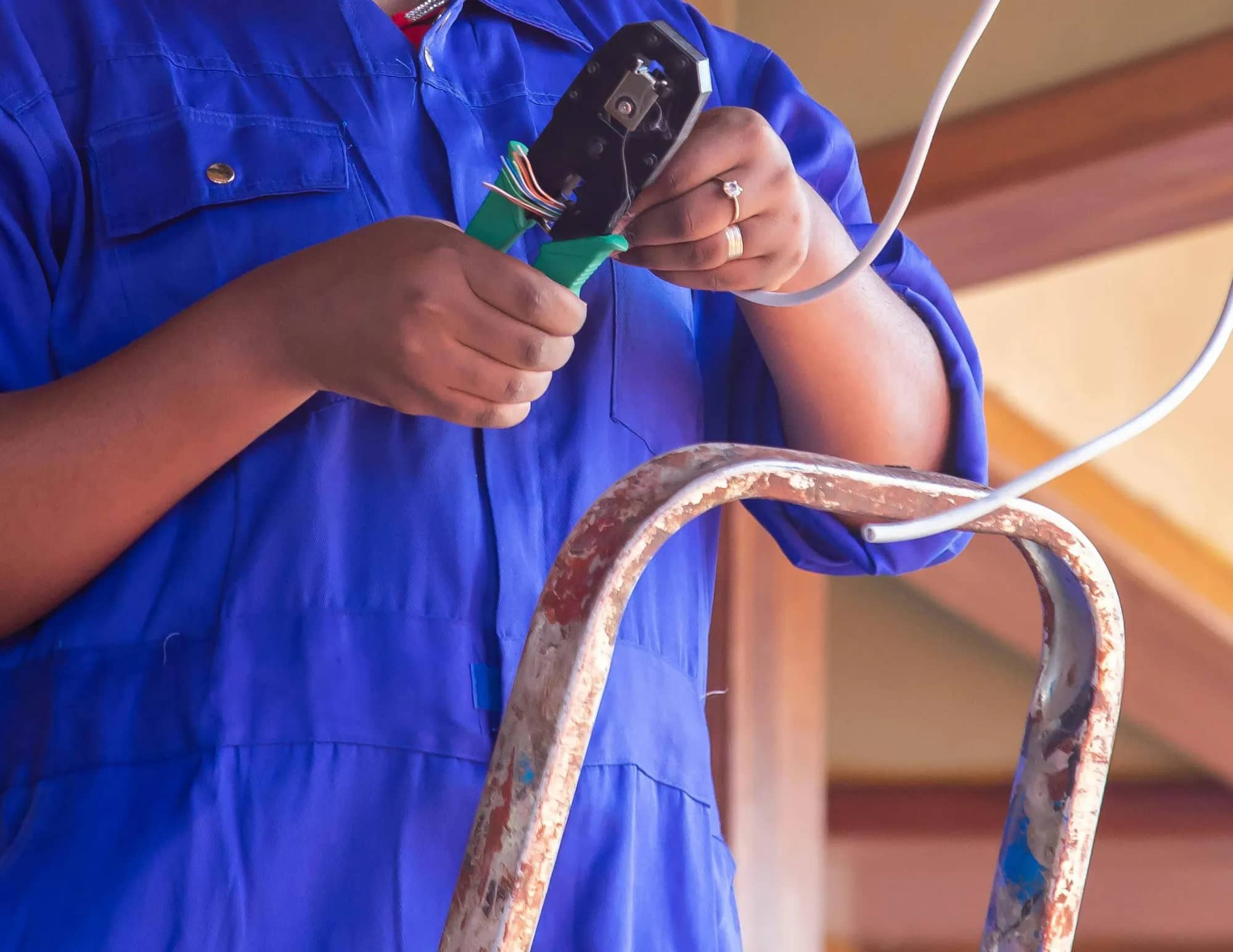
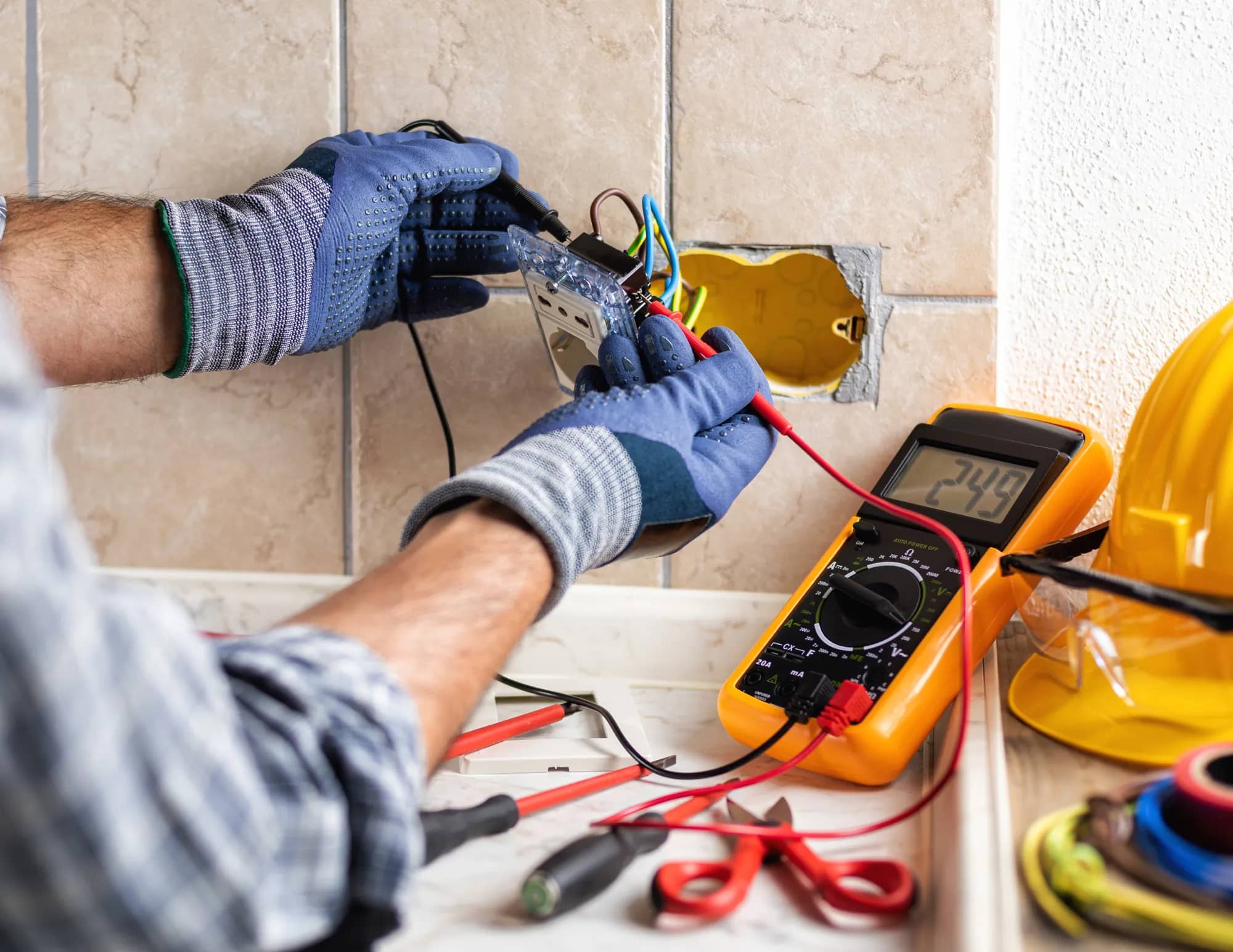
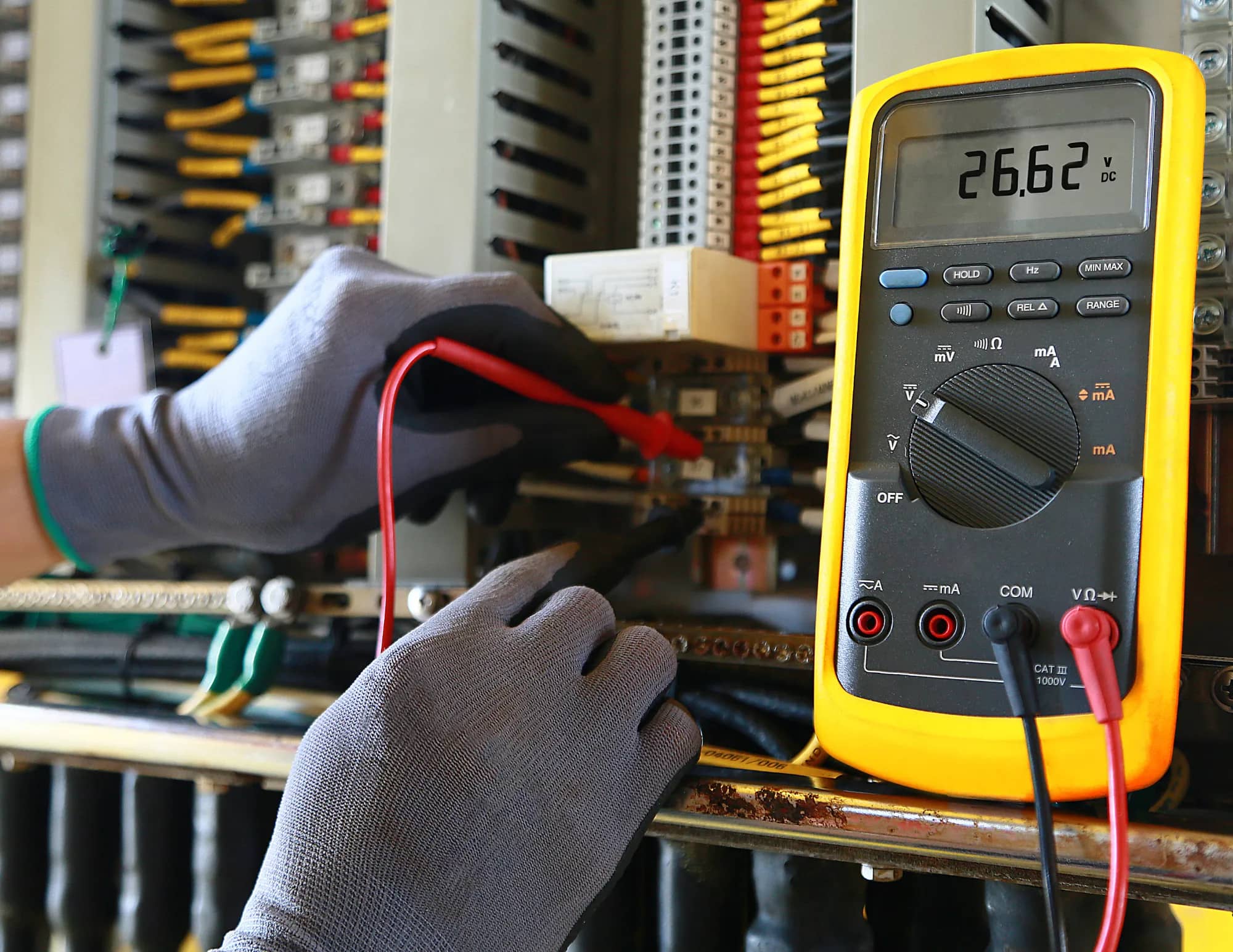
When an electrician finishes wiring a circuit, they don’t just flip the breaker and hope for the best. They test voltage, amperage, and continuity. They use meters that read resistance, insulation quality, and ground balance.
Those tools, and the experience to interpret them, are what separate “working” from “working safely.” That’s the difference between reactive repair and proactive expertise. When you pay a pro, you’re not just paying for time and materials — you’re paying for years of pattern recognition and diagnostics.
4. The Insurance Catch: DIY Can Void Coverage
Here’s something most homeowners don’t realize: if your home suffers an electrical fire, and your insurance company finds out the wiring wasn’t done by a licensed contractor, they can deny your claim.
Even if your DIY wiring wasn’t the cause of the fire, the existence of unpermitted or unlicensed work is often enough for an insurer to reduce or deny payout.
We’ve seen this exact scenario play out — homeowners thinking they’re saving $500 on a minor project, only to lose tens of thousands in coverage after something unrelated goes wrong.
Insurance companies don’t gamble on uncertified work, and neither should you.
5. Energy Efficiency Starts Behind the Walls
One of the most overlooked aspects of professional electrical work is energy efficiency.
A certified electrician doesn’t just wire things to work — they wire them to work efficiently. That includes properly sizing circuits, balancing loads across phases, and installing dedicated lines for heavy-use appliances.
DIY wiring often results in overloading a single circuit or running inefficient connections that increase energy draw. Over time, that translates into higher electric bills and shorter equipment lifespan.
6. Smart Homes, EVs, and the Future of Power
Modern homes are evolving fast. Fifteen years ago, most people didn’t have EV chargers, solar panels, or smart lighting systems. Now, these systems all interact — and they depend on clean, balanced power.
If your wiring isn’t designed to handle future upgrades, you’ll hit a wall fast. DIY fixes can complicate or even prevent these integrations. For example:
- EV chargers require dedicated high-amp circuits.
- Smart switches need neutral wires in every box.
- Backup generators or solar inverters must connect to a properly bonded service panel.
Before you spend thousands adding smart systems, make sure the electrical backbone is ready to avoid tearing open finished walls to correct wiring paths that could’ve been done right the first time.
In short: if you’re upgrading your home for modern living, every shortcut today is a delay tomorrow.
7. Professional Work Pays You Back
The most expensive kind of work is the kind you pay for twice.
Hiring a licensed electrician doesn’t just prevent problems — it adds value to your home. When everything is up to code, neatly wired, and labeled, your system lasts longer, runs cleaner, and holds up under inspection.
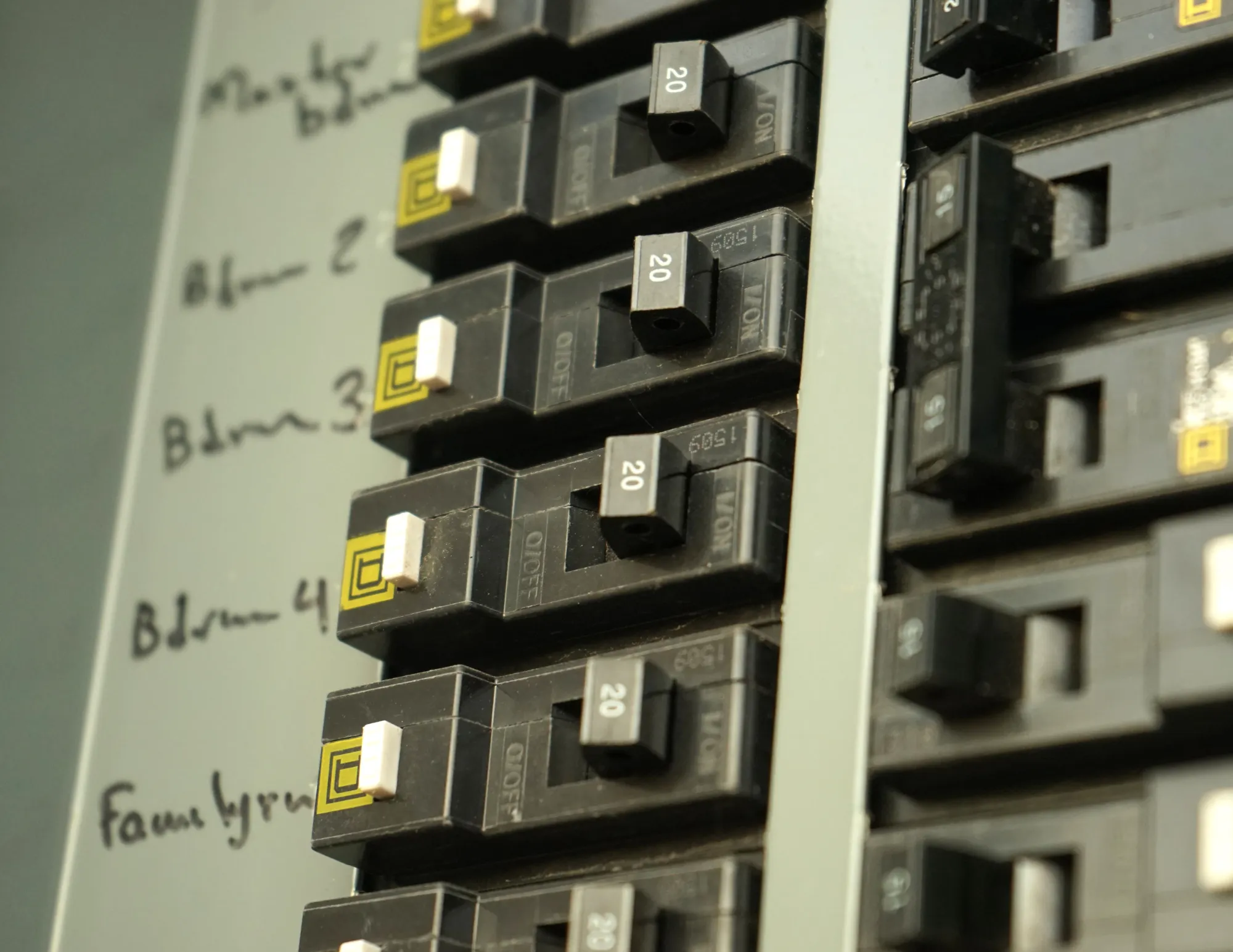
We’ve seen appraisers add value specifically because of upgraded panels, properly labeled subcircuits, and new GFCI protection. Those aren’t just features — they’re selling points.
And when something does go wrong down the line, having professional documentation (permits, inspection records, warranty info) saves you from headaches with insurance, city code, and resale disclosures.
That’s what peace of mind looks like — even if it costs a bit more upfront.
8. The Real Question: What’s Your Time Worth?
DIY often looks like “free labor,” but that only works if your time has no value.
Between researching tutorials, running to the store for parts (and paying for them), troubleshooting problems, and fixing mistakes, that “quick fix” can eat entire weekends.
Meanwhile, a professional electrician can complete the same work in a fraction of the time — safely, cleanly, and without leaving your home half-torn apart.
If you’re juggling a job, a family, and a to-do list a mile long, sometimes the smartest thing you can do is delegate the risk and reclaim your weekend.
The Bottom Line: Safety Isn’t a DIY Project
Electrical systems are the backbone of your home. When they work well, you barely notice them. When they don’t, everything stops.
There’s nothing wrong with taking pride in doing things yourself — but there’s also nothing wrong with knowing where to draw the line.
DIY electrical repairs can seem small — but their consequences aren’t. Between safety risks, insurance issues, and long-term costs, what feels like a quick money-saver today can easily become tomorrow’s most expensive repair.
That’s why, at HOMEfix, we approach every electrical job — big or small — with the same care and precision. Because when it comes to your home, “almost right” isn’t good enough.