Should I Schedule an AC Tune-Up? Everything Colorado Homeowners Need to Know
When your air conditioner is working, it's easy to forget it's there.
You adjust the thermostat, cool air comes out of the vents, and life goes on.
That's exactly why many homeowners ask the same question every spring and summer:
Do I really need an AC tune-up?
After all, if the system seems to be working fine, why spend money on maintenance?
The short answer is simple: because most air conditioning problems don't start with a complete breakdown.
They start small.
A dirty coil. A loose electrical connection. Low refrigerant levels. A clogged drain line.
At first, you won't notice much.
Maybe your energy bill creeps up a little. Maybe the system runs longer than it used to. Maybe one room feels slightly warmer than the others.
Then one of the hottest days of the year arrives, and suddenly your AC stops working altogether.
For homeowners in Colorado Springs, where summer temperatures can quickly climb and comfort depends heavily on a reliable cooling system, routine maintenance is one of the smartest investments you can make.
Let's take a closer look at what an AC tune-up actually includes, why it matters, and how to know whether your system is due for service.
What Is an AC Tune-Up?
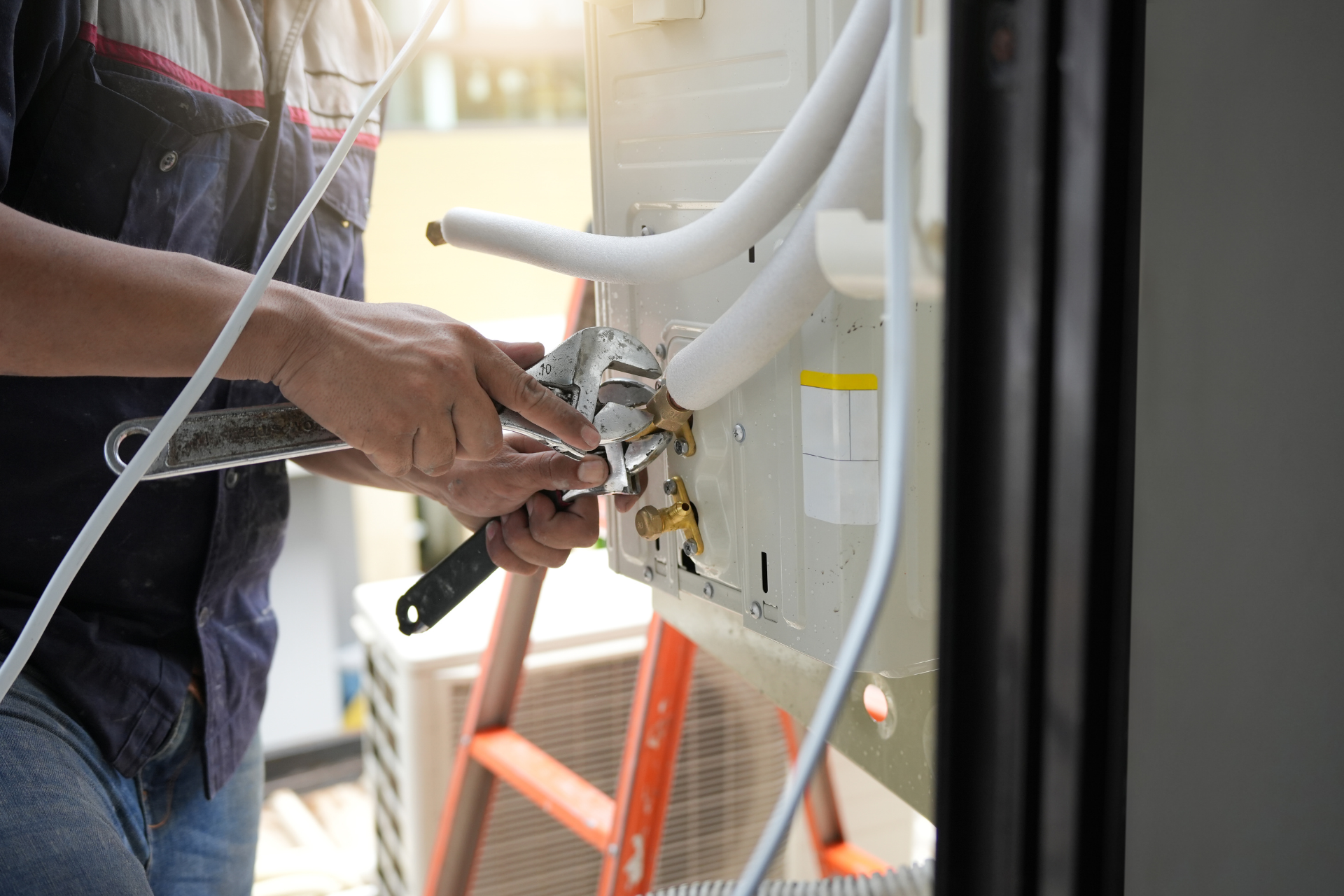
An AC tune-up is a preventative maintenance service designed to keep your cooling system operating safely, efficiently, and reliably.
Think of it like an oil change for your vehicle.
Your car may continue running without regular maintenance—for a while.
But over time, small issues begin adding up.
The same thing happens with air conditioners.
A professional tune-up helps identify potential problems before they become expensive repairs while ensuring the system is operating at peak performance.
Why Preventative Maintenance Matters
Most homeowners understand the value of maintaining their vehicles.
Oil changes.
Tire rotations.
Brake inspections.
Yet many people expect their HVAC system to run year after year without any attention.
The reality is that your air conditioner works incredibly hard.
During Colorado summers, systems may run for hours each day.
That means:
- Electrical components cycle repeatedly
- Motors experience wear
- Filters collect debris
- Condensate drains accumulate buildup
- Outdoor units collect dirt and dust
Without maintenance, performance gradually declines.
The change is often so gradual that homeowners don't notice until a major problem develops.
What Happens During an AC Tune-Up?
While service procedures vary slightly, most professional tune-ups include a comprehensive inspection and cleaning.
Common tasks include:
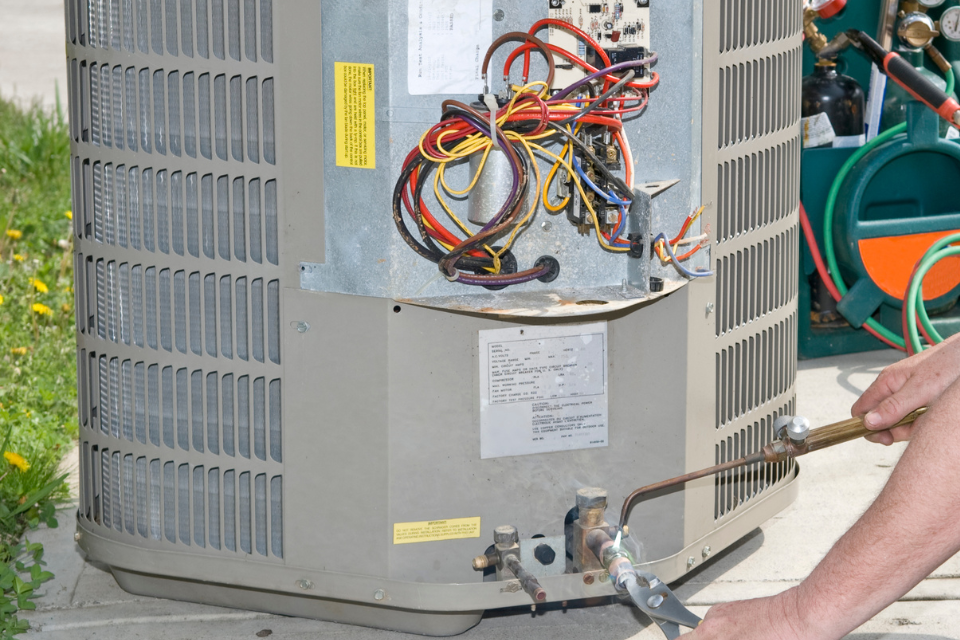
Inspecting Electrical Components
Your AC system relies on numerous electrical connections.
Loose or damaged components can lead to:
- Reduced performance
- Safety concerns
- Unexpected failures
Electrical inspections help identify issues before they cause breakdowns.
Cleaning Condenser Coils
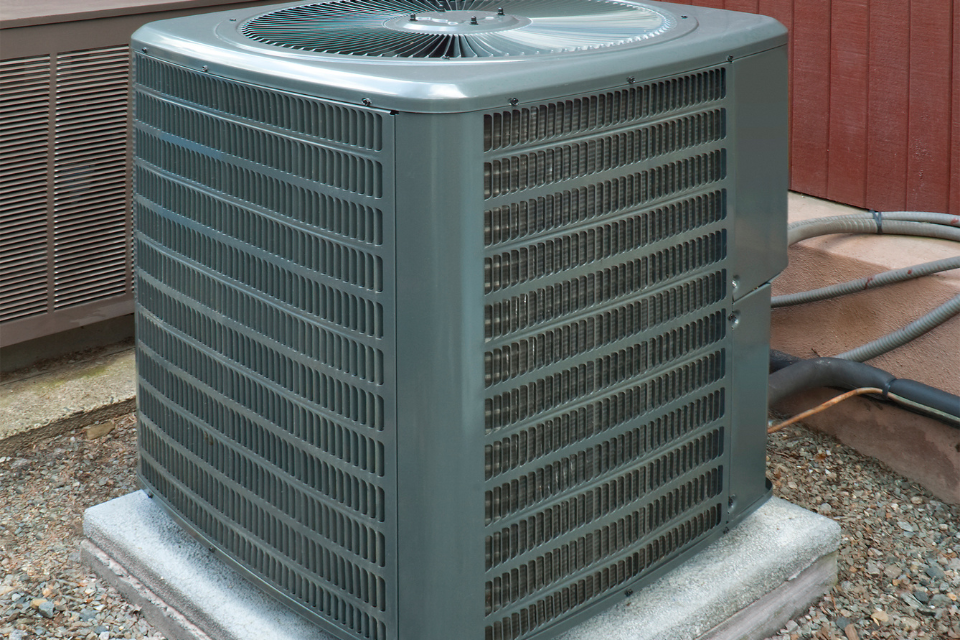
Outdoor condenser coils release heat from your home.
When dirt and debris accumulate, efficiency suffers.
Dirty coils can force your system to work significantly harder to achieve the same results.
Cleaning these coils improves airflow and cooling performance.
Inspecting the Condensate Drain
Air conditioners remove moisture from indoor air.
That moisture exits through a condensate drain line.
If the drain becomes clogged, homeowners may experience:
- Water leaks
- Humidity issues
- System shutdowns
Routine inspections help prevent these problems.
Evaluating Airflow
Poor airflow can dramatically impact comfort and efficiency.
Technicians inspect:
- Air filters
- Blower components
- Airflow performance
This helps ensure conditioned air reaches every part of the home effectively.
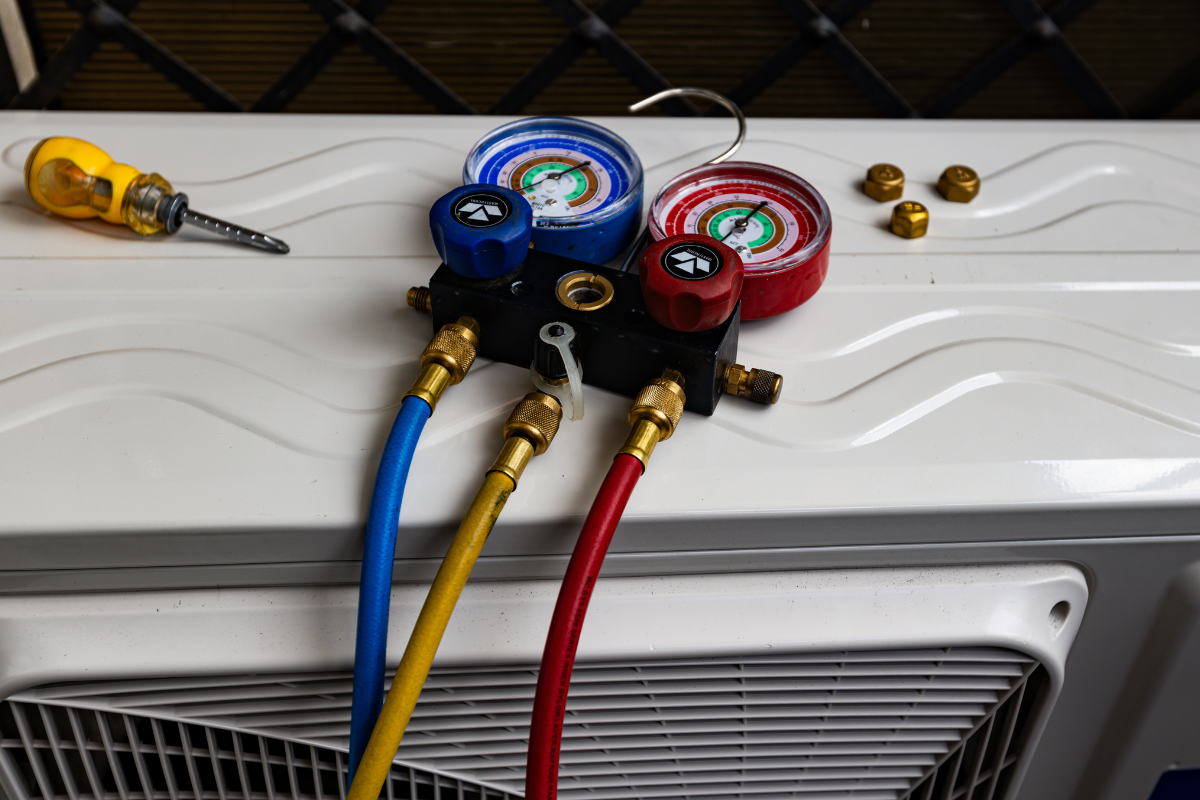
Testing System Performance
A tune-up typically includes measuring:
- Temperature differentials
- Operating pressures
- System cycles
- Overall performance
These evaluations provide insight into the health of the equipment.
How Often Should You Schedule an AC Tune-Up?
For most homeowners, annual maintenance is recommended.
Ideally, tune-ups should occur before heavy summer usage begins.
Spring is often considered the best time because it allows technicians to identify and correct issues before temperatures rise.
However, if you've missed spring maintenance, it's still beneficial to schedule service later in the season.
The goal is ensuring your system remains reliable and efficient throughout the cooling season.
Signs Your AC Is Overdue for a Tune-Up
Some systems practically announce when they need attention.
Others provide more subtle clues.
Watch for these warning signs.
Rising Energy Bills
One of the earliest indicators of declining HVAC performance is increasing utility costs.
As components become dirty or worn, efficiency decreases.
The system must run longer to maintain desired temperatures.
This additional workload often appears on monthly energy bills.
Uneven Temperatures
Does one room feel comfortable while another feels warm?
Uneven cooling may indicate:
- Airflow restrictions
- Dirty components
- Duct issues
- System performance concerns
While some temperature variation is normal, significant differences deserve attention.
Longer Cooling Cycles
Your AC should cycle on and off throughout the day.
If it seems to run continuously, maintenance may be overdue.
Potential causes include:
- Dirty coils
- Airflow restrictions
- Low refrigerant
- Aging equipment
Longer run times increase wear while driving up energy consumption.
Strange Noises
Air conditioners aren't silent, but unusual sounds shouldn't be ignored.
Listen for:
- Grinding
- Squealing
- Rattling
- Buzzing
- Clicking
Small mechanical issues often become larger repairs if left unresolved.

Weak Airflow
If airflow from your vents seems weaker than normal, your system may need attention.
Common causes include:
- Dirty filters
- Blower issues
- Airflow restrictions
- Maintenance deficiencies
Reduced airflow impacts both comfort and efficiency.
Benefits of Scheduling an AC Tune-Up
Homeowners often view maintenance as an expense.
In reality, it's an investment.
Regular tune-ups provide several important benefits.
Improved Energy Efficiency
A properly maintained system doesn't have to work as hard.
Cleaner components and optimized performance help reduce energy consumption.
This can translate into lower monthly utility bills.
Better Indoor Comfort
When an air conditioner operates efficiently, homeowners often experience:
- More consistent temperatures
- Improved humidity control
- Better airflow
- Enhanced overall comfort

Reduced Risk of Breakdowns
One of the biggest advantages of preventative maintenance is identifying issues before they become emergencies.
Many costly repairs begin as relatively minor concerns.
Longer Equipment Lifespan
Replacing an air conditioner is a significant investment.
Routine maintenance helps protect that investment by reducing unnecessary wear and tear.
Well-maintained systems often last longer than neglected equipment.
→ Read: What HVAC Upgrades Add the Most Home Value
Improved Air Quality
Many tune-ups include inspecting filters and airflow components.
This can help improve indoor air quality by reducing dust, debris, and contaminants circulating throughout the home.
What Happens If You Skip AC Maintenance?
Technically, your system may continue operating.
For a while.
However, neglected systems often experience:
- Higher utility bills
- Reduced efficiency
- Increased breakdowns
- Shorter lifespan
- More expensive repairs
Think of maintenance as an opportunity to catch problems early rather than waiting until they become major issues.
Is an AC Tune-Up Worth the Cost?
This is one of the most common homeowner questions.
The answer largely depends on perspective.
If your goal is simply keeping the system running today, maintenance may seem optional.
But if your goal is maximizing efficiency, reducing repairs, improving reliability, and extending equipment life, tune-ups often provide substantial value.
The cost of preventative maintenance is typically far less than the cost of major repairs or premature replacement.
Common AC Problems a Tune-Up Can Help Prevent
Routine maintenance often identifies issues such as:
- Dirty evaporator coils
- Dirty condenser coils
- Refrigerant problems
- Loose electrical connections
- Drain line blockages
- Worn capacitors
- Failing contactors
- Airflow restrictions
Addressing these concerns early can help prevent more significant failures later.
AC Tune-Up vs. AC Repair
Many homeowners confuse maintenance with repair.
They're very different.
Tune-Up
Preventative service performed while the system is functioning.
Goal:
Prevent problems before they occur.
Repair
Corrective service performed after a problem develops.
Goal:
Restore functionality.
Maintenance doesn't guarantee you'll never need repairs.
However, it can significantly reduce the likelihood of unexpected breakdowns.
Why AC Maintenance Matters in Colorado
Colorado's climate creates unique challenges for HVAC systems.
Local conditions often include:
- Significant temperature swings
- Dry conditions
- Dust and debris
- High-altitude UV exposure
- Seasonal storms
These factors place additional stress on cooling equipment.
Regular maintenance helps ensure systems remain prepared for changing conditions throughout the year.
Questions Homeowners Should Ask Before Scheduling Service
When evaluating maintenance options, consider:
How old is the system?
Older systems typically benefit even more from regular inspections.
Have energy bills increased?
Efficiency concerns often indicate maintenance needs.
Has comfort declined?
Uneven temperatures may signal developing issues.
When was the last tune-up?
If it's been more than a year, service is likely overdue.
Who Benefits Most From Annual AC Maintenance?
While every homeowner can benefit, tune-ups are especially valuable for:
- Older HVAC systems
- Homes with pets
- Homes with allergy concerns
- Households using AC heavily
- Homeowners planning to stay long-term
- Anyone wanting to avoid surprise repairs
Final Thoughts
So, should you schedule an AC tune-up?
For most homeowners, the answer is yes.
Your air conditioner is one of the hardest-working systems in your home. It plays a major role in comfort, energy efficiency, and indoor air quality.
Like any major piece of equipment, it performs best when properly maintained.
Routine tune-ups help:
- Improve efficiency
- Lower energy costs
- Extend system life
- Reduce breakdowns
- Increase comfort
Most importantly, they provide peace of mind.
Because the best time to discover a problem with your air conditioner isn't during a 95-degree day in the middle of July.
It's before that day ever arrives.
At HOMEfix, we believe preventative maintenance is one of the simplest ways homeowners can protect their investment and keep their homes comfortable all season long.