Windows can last for decades, which makes replacing them a surprisingly difficult decision for many homeowners.
If your windows are drafty, difficult to open, or starting to show their age, replacement may seem like the obvious answer. But windows are also a significant home improvement investment, and not every older window needs to be replaced.
Sometimes a window can be repaired, adjusted, or resealed and continue serving your home for years.
So, should you replace your windows or keep them?
The answer depends on the condition of the windows, how your home feels, their energy performance, the amount of maintenance they require, and what you want to accomplish with the project.
For homeowners in Colorado Springs, there are a few additional factors to consider. Colorado's intense sun, dry climate, temperature swings, winter cold, and occasional severe weather can all affect how your windows perform over time.
This guide will help you determine whether your windows are worth keeping—or whether replacement windows are a smart investment for your home.
The Short Answer: When Should You Replace Your Windows?
There isn't one specific age at which every window should be replaced.
Instead, look for signs of declining performance or condition.
Window replacement may be worth considering if you notice:
- Persistent drafts around the window
- Condensation between double- or triple-pane glass
- Cracked or damaged glass
- Rotting or deteriorating frames
- Windows that are difficult to open or close
- Failed seals
- Significant fading or damage from sun exposure
- Increasing heating and cooling costs
- Outside noise becoming more noticeable
- Water infiltration around the window
- Visible gaps or deterioration around the frame
- Windows that require frequent repairs
- Poor insulation or noticeable temperature differences near the glass
If your windows are still structurally sound, operate properly, and keep your home comfortable, replacement may not be necessary yet.
The important thing is to distinguish between an old window and a failing window.
Those aren't always the same thing.
How Old Are Your Windows?
Age is one factor, but it shouldn't be the only factor.
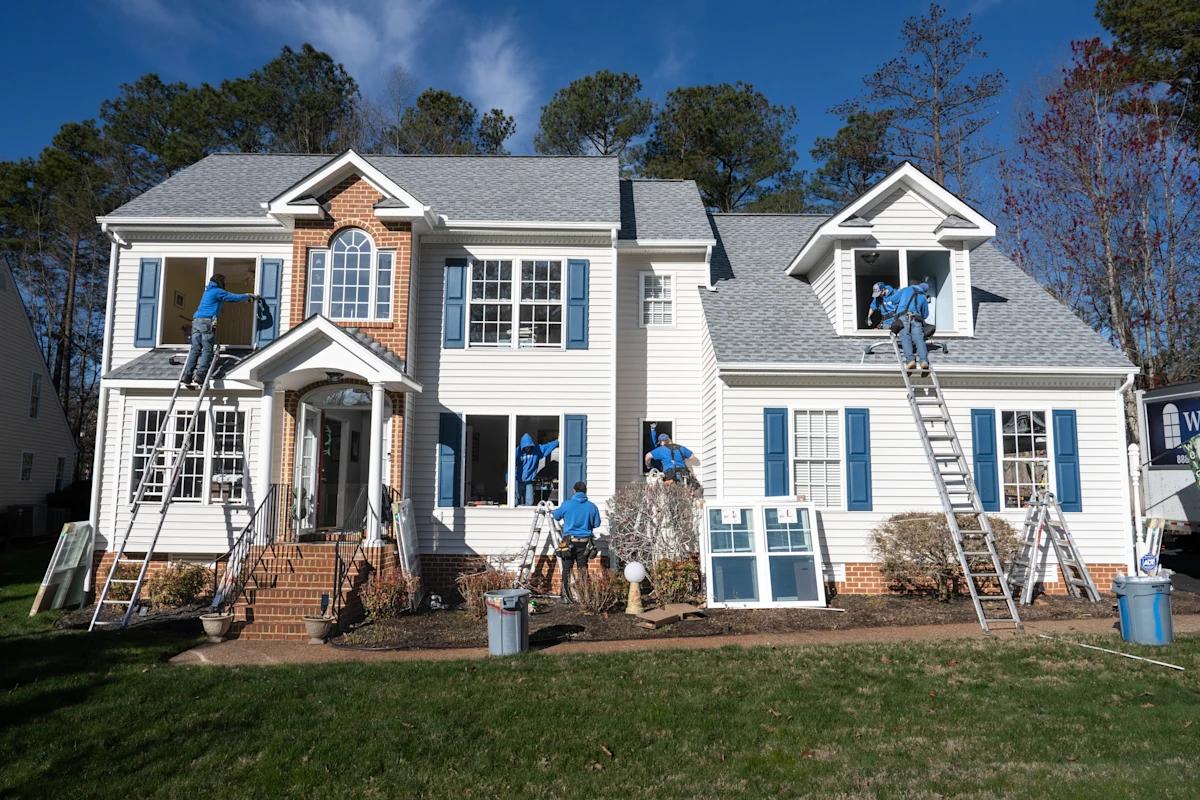
Many homeowners assume that once windows reach a certain age, they automatically need to be replaced. In reality, the lifespan of a window depends on its construction, materials, installation quality, exposure to weather, maintenance, and overall condition.
Older windows can sometimes continue performing well, particularly if they've been properly maintained.
However, older windows are also more likely to have outdated glass technology, less effective insulation, worn seals, and frames that have deteriorated over time.
If your home still has its original windows from several decades ago, it's worth having them evaluated—even if they don't appear to be causing obvious problems.
You may discover that they're perfectly serviceable.
Or you may discover that you're paying to heat and cool a home through windows that are no longer performing well.
Don't Replace Windows Solely Because They're Old
This is an important distinction.
A 20-year-old window isn't necessarily a bad window.
A 10-year-old window isn't necessarily a good one.
What matters is performance.
Think of your windows as part of your home's building envelope. Their job isn't simply to let in light and provide a view. They also help separate your home's interior environment from outdoor conditions.
When that barrier begins to fail, you can often feel the difference.
1. Are Your Windows Drafty?
Drafts are one of the clearest signs that a window may no longer be performing properly.
Stand near your windows on a cold or windy day.
Do you feel noticeably cooler air around the frame?
Does one room feel colder than another even though your thermostat is set to the same temperature?
Are certain areas near windows uncomfortable during winter?
Drafts can come from several places, including:
- Gaps around the window frame
- Failed weatherstripping
- Deteriorated caulk
- Poor installation
- Damaged frames
- Failed seals
- The window itself
Not every draft means you need a replacement window.
Sometimes the problem is simply deteriorated caulking or weatherstripping.
But if the window itself is allowing significant air leakage, replacement may be the more effective long-term solution.
Why drafts matter
A drafty window can make a room uncomfortable and force your HVAC system to work harder to maintain your desired temperature.
In Colorado Springs, that can become especially noticeable during cold winter weather and hot summer afternoons.
If you're constantly adjusting the thermostat because certain rooms feel too hot or cold, your windows may be part of the problem.
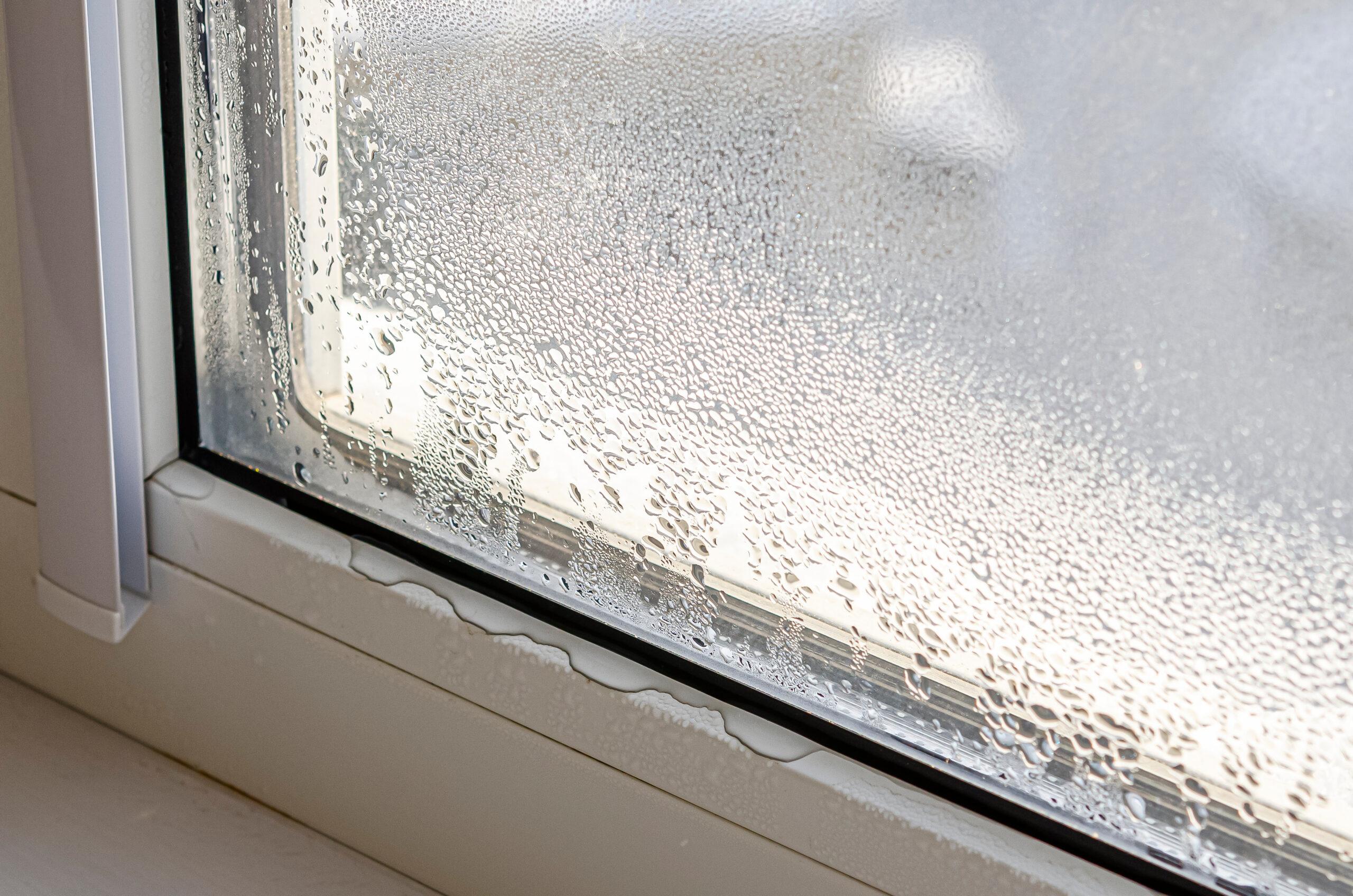
2. Is There Condensation Between the Glass Panes?
Condensation on the inside of your home can happen for several reasons and isn't automatically a sign that your windows are failing.
But fogging or moisture trapped between panes of glass is different.
Modern insulated windows typically have two or more panes of glass separated by an insulating space. The perimeter of that glass unit is sealed to help maintain the insulating properties of the window.
When that seal fails, moisture can enter the space between the panes.
The result is often:
- Foggy glass
- Cloudiness
- Visible moisture
- Condensation that cannot be wiped away
- Reduced visibility
A failed seal doesn't necessarily mean the entire window frame has failed.
In some cases, the glass unit itself can be replaced.
In others, replacing the entire window may make more sense depending on its age, condition, and construction.
If you have fogged insulated glass, it's worth having a professional determine whether you're dealing with a failed glass unit or a larger window problem.
3. Are Your Windows Difficult to Open or Close?
Your windows should generally operate without excessive force.
If you're having to push, pull, lift, or fight with a window every time you use it, that's a sign something isn't right.
Possible causes include:
- Warped frames
- Damaged hardware
- Worn balances
- Paint buildup
- Settlement
- Deterioration
- Poor installation
- Moisture damage
Sometimes these problems can be repaired.
But if multiple windows throughout the home are becoming difficult to operate, replacement may provide a more practical long-term solution.
This is also about safety.
Windows can serve as emergency exits, particularly in bedrooms. If a window is intended to function as an emergency escape opening, it needs to be operable when you need it.
A window that technically opens but requires significant effort isn't particularly useful in an emergency.
4. Do You See Rot, Water Damage, or Deterioration?
Physical deterioration is a much stronger reason to consider replacement.
Pay attention to:
- Soft or rotting wood
- Swollen frames
- Cracked vinyl
- Deteriorated exterior materials
- Water stains
- Peeling finishes
- Damaged sills
- Mold or persistent moisture
- Cracks around the window opening
Water intrusion deserves particular attention.
If water is getting around a window, don't assume that replacing the window itself will automatically solve the problem. The source of the water needs to be identified first.
Improper flashing, damaged siding, deteriorated trim, failed sealants, and drainage problems can all contribute to water infiltration.
A good window replacement project should address the surrounding conditions—not simply install a new window over an unresolved problem.
5. Are Your Energy Bills Increasing?
Energy bills fluctuate for many reasons.
Utility rates change. Weather varies. HVAC equipment ages. Insulation matters. Household habits change.
So you shouldn't assume that high energy bills automatically mean you need new windows.
However, windows are an important part of your home's energy performance.
If your windows are older, single-pane, poorly sealed, or visibly deteriorated, they may contribute to heat loss in winter and heat gain in summer.
You may also notice that rooms with large windows are particularly difficult to keep comfortable.
Look beyond the glass
Window performance isn't determined by the glass alone.
The frame, seals, installation, and surrounding wall assembly all matter.
A high-performance window that is poorly installed won't necessarily perform as expected.
That's why window replacement should be treated as a whole opening, not simply a product purchase.
6. Does Your Home Feel Too Hot in the Summer?
Colorado Springs gets plenty of sunshine, and that natural light is one of the things homeowners love about the area.
But sunlight through large windows can also create significant heat gain.
You may notice it in rooms with:
- Large south-facing windows
- Large west-facing windows
- Older single-pane glass
- Minimal window coverings
- Poor-performing insulated glass
During summer afternoons, one side of your home may become noticeably warmer than the rest.
Window replacement can be part of a larger strategy to improve comfort.
Depending on the home's orientation and window design, options may include different glazing, low-emissivity coatings, improved insulating performance, exterior shading, interior shades, or other strategies.
The best solution depends on the home.
7. Do You Have Older Single-Pane Windows?
If your home still has single-pane windows, replacement is worth considering.
Single-pane glass provides considerably less insulation than modern multi-pane window systems.
That doesn't automatically mean every single-pane window needs to be ripped out immediately. Historic homes, architectural character, and the condition of the existing windows can all influence the decision.
But if your primary goal is improving energy performance and comfort, upgrading from single-pane windows can make a meaningful difference.
For some homeowners, the improvement isn't just about energy savings.
It's about how the house feels.
A better-insulated window can reduce the uncomfortable temperature difference you feel when sitting next to the glass.
8. Are Your Windows Letting in Too Much Outside Noise?
Energy efficiency isn't the only reason homeowners replace windows.
Noise can also be a major consideration.
If you live near a busy road, neighborhood with significant traffic, or another source of persistent outdoor noise, better-performing windows may help reduce the amount of sound entering the home.
However, sound control is a little different from energy efficiency.
The best window for reducing outdoor noise isn't necessarily the exact same window that's best for every energy-efficiency goal.
Glass thickness, pane configuration, frame construction, air gaps, and installation can all affect acoustic performance.
If noise reduction is one of your priorities, make sure you tell your contractor that up front.
It's easier to design around that goal from the beginning than to discover afterward that your new windows didn't make the difference you expected.
Repair vs. Replace: Which Is Right for You?
One of the most important questions is whether the problem can be repaired.
Consider repair when:
- The frame is structurally sound
- The window operates properly
- The glass is in good condition
- The problem is isolated
- Hardware can be replaced
- Weatherstripping is worn but repairable
- Caulking has deteriorated
- You want to preserve historic windows
- The window still performs reasonably well
Consider replacement when:
- Multiple components are failing
- The frame is deteriorating
- There is significant water damage
- Insulated glass seals have repeatedly failed
- The window is extremely drafty
- Operation is consistently difficult
- The windows are significantly underperforming
- Repair costs are becoming frequent
- You want to improve energy performance and comfort
- You're already planning a larger exterior or home renovation
There isn't a universal answer.
The right decision depends on the condition of your existing windows and your long-term plans for the home.
What About Historic or Character-Rich Homes?
Replacing older windows isn't always a straightforward decision.
Some older homes have windows that contribute significantly to their architectural character.
Wood windows, divided-light patterns, decorative trim, and unusual shapes can be part of what makes a house special.
If preserving that character is important to you, don't assume replacement is your only option.
Repair and restoration may be worth investigating.
On the other hand, there are situations where deteriorated original windows are difficult or expensive to restore and modern replacement windows can provide better performance.
The goal should be to balance appearance, performance, cost, and longevity.
What Should You Look for in Replacement Windows?
If you decide replacement is the right choice, the next question is which windows to choose.
There are several important factors to evaluate.
Frame Material
Common window frame materials include:
- Vinyl
- Fiberglass
- Wood
- Composite
- Aluminum
Each has different characteristics related to maintenance, appearance, durability, cost, and performance.
There isn't one universally "best" frame material.
The right choice depends on your home and priorities.
Glass Performance
Modern windows can incorporate different types of glazing designed to improve insulation and solar performance.
When comparing windows, look beyond the marketing language and pay attention to actual performance ratings.
Low-E Glass
Low-emissivity, or Low-E, coatings can help control the transfer of heat through the glass.
Different Low-E configurations can be designed for different climates and performance goals.
For Colorado homeowners, solar exposure and seasonal temperature swings are both important considerations.
Energy Performance Ratings
When shopping for replacement windows, you'll encounter performance measurements such as:
- U-factor
- Solar Heat Gain Coefficient (SHGC)
- Visible Transmittance (VT)
- Air Leakage
- Condensation Resistance
You don't need to become a window engineer to make a good decision.
But understanding these basic ratings can help you compare products based on measurable performance rather than simply choosing the window with the longest list of features.
Don't Overlook Installation Quality
One of the most important parts of a window replacement project isn't the window itself.
It's the installation.
Even a high-quality window can underperform if it isn't installed correctly.
Proper installation can affect:
- Air leakage
- Water resistance
- Operation
- Insulation
- Longevity
- Overall appearance
The window needs to integrate correctly with the existing opening and surrounding materials.
This is particularly important when replacing windows in an older home where the opening may not be perfectly square or where previous construction may have introduced problems.
When comparing contractors, don't just compare the price of the window.
Ask how the installation will be handled.
How Much Does Window Replacement Cost?
The cost of replacing windows can vary substantially.
The number of windows is obviously a major factor, but so are:
- Window size
- Window style
- Frame material
- Glass package
- Custom shapes
- Installation complexity
- Exterior trim
- Interior trim
- Accessibility
- Structural repairs
- Disposal of existing windows
- Finishing work
Replacing a few windows is a very different project from replacing every window in a home.
That's why online "average window replacement cost" numbers should be treated as a starting point rather than a quote.
A professional evaluation can give you a much clearer picture of what your specific project will require.
Should You Replace All Your Windows at Once?
Not necessarily.
If only a few windows are failing, you may choose to replace those first.
This can make sense when:
- Your budget is limited
- Most of your windows are still performing well
- A few windows have significant problems
- You're tackling a larger renovation in phases
However, replacing windows throughout the home at the same time can also have advantages.
You can create a more consistent appearance, address multiple performance issues simultaneously, and potentially simplify the overall project.
If you're already planning to remodel your home's exterior or undertaking a larger renovation, it may be worth evaluating all of the windows at the same time.
When Is the Best Time to Replace Windows in Colorado?
Window replacement can generally be planned around your home's needs rather than one specific season.
However, homeowners often prefer to schedule exterior projects during Colorado's warmer months because weather conditions can be more predictable.
Spring and summer can also be convenient if you're already planning other exterior improvements.
That said, a failing window shouldn't necessarily wait for the "perfect" season.
If you're dealing with water intrusion, significant drafts, broken glass, or a window that no longer operates properly, addressing the issue sooner can help prevent a relatively small problem from becoming a larger one.
Will New Windows Increase Your Home's Value?
Windows can contribute to a home's appeal, comfort, and overall condition.
They can improve curb appeal, especially when outdated or deteriorated windows are replaced with products that complement the home's architecture.
They can also make a home more comfortable and potentially improve energy performance.
But homeowners should be careful about viewing window replacement as a guaranteed dollar-for-dollar investment.
The value of the project depends on the home, neighborhood, quality of the installation, quality of the windows, and what buyers in the market actually value.
The best reason to replace windows is usually a combination of performance, comfort, appearance, and long-term value, rather than expecting the project to pay for itself entirely when you sell.
A Simple Window Replacement Checklist
Not sure where your windows stand?
Walk through your home and evaluate each one.
Ask yourself:
Condition
- Is the frame damaged?
- Is there visible rot or deterioration?
- Is the glass cracked?
- Are there signs of water intrusion?
Operation
- Does the window open and close easily?
- Does it stay open when it should?
- Can it be locked securely?
Comfort
- Can you feel a draft?
- Is the area around the window noticeably hotter or colder?
- Does the room have trouble maintaining a comfortable temperature?
Glass
- Is it single-pane?
- Is there condensation between panes?
- Does the glass show significant damage or deterioration?
Appearance
- Does the window look noticeably outdated?
- Does it complement the home's architecture?
- Are the surrounding trim and finishes in good condition?
Maintenance
- Does it require frequent repairs?
- Are you constantly repainting, resealing, or adjusting it?
- Are maintenance issues becoming more frequent?
If you answered "yes" to several of these questions, it's probably worth having your windows evaluated.
The Bottom Line: Replace or Keep?
So, should you replace your windows or keep them?
If your existing windows are structurally sound, operate properly, aren't causing comfort problems, and don't require significant maintenance, there's no reason to replace them simply because they're older.
But if you're dealing with persistent drafts, failed seals, damaged frames, water intrusion, poor operation, or significant temperature differences, replacement may be a worthwhile investment.
And if you're already planning a major home renovation, it's especially worth evaluating your windows before construction begins.
The biggest mistake is assuming that window replacement is an all-or-nothing decision.
Sometimes the right answer is to repair a few windows.
Sometimes it's to replace a few problem windows.
Sometimes the best long-term solution is to replace the entire home.
The key is understanding what your existing windows are actually doing—and what you want your new windows to accomplish.
Thinking About Replacing Your Windows?
At HOMEfix, we help Colorado Springs homeowners evaluate and improve their homes with one team handling the project from start to finish.
Whether you're replacing a few problem windows, upgrading your home's energy performance, or combining window replacement with a larger remodeling or exterior project, we can help you determine what makes sense for your home.
You don't have to replace your windows just because they're old.
And you don't have to keep them just because they're still technically functional.
The right choice is the one that makes sense for your home's condition, your goals, and your budget.
Ready to find out whether your windows are worth replacing?
Contact HOMEfix for an inspection and estimate for your Colorado Springs home.