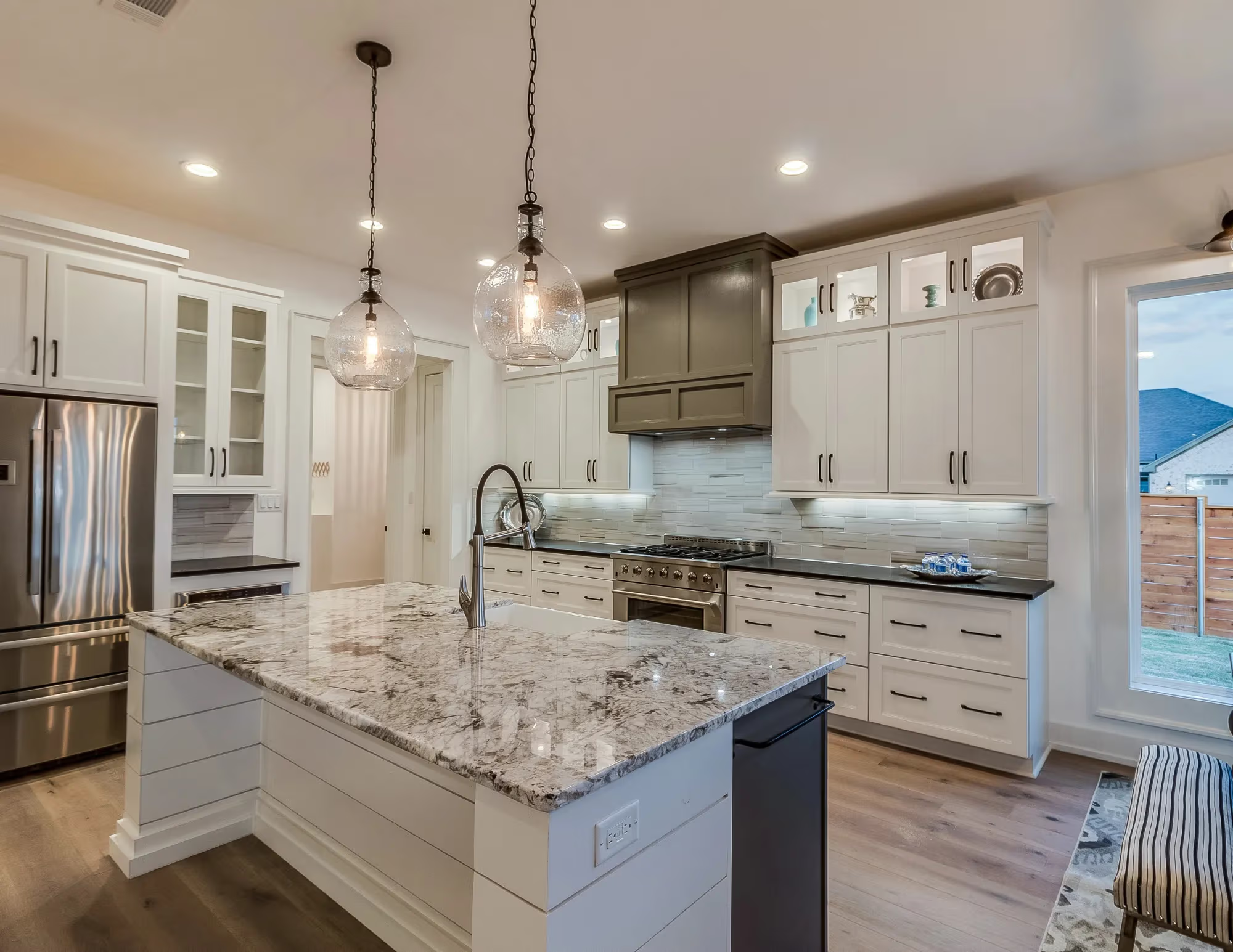
Countertops aren’t just a work surface — they’re the centerpiece of your kitchen.
They’re the first thing you see when you walk in, the place you prep food, gather with family, and (let’s be real) drop the mail. So when you’re remodeling, choosing the right material is a big deal.
Two of the most popular choices — quartz and granite — both look amazing, last for decades, and come in endless colors. But they’re not the same. And the choice often comes down to lifestyle, maintenance preferences, and budget.
Let’s break down the differences so you can make a decision that fits your home — and your life.
What’s the Difference Between Quartz and Granite?
Granite
- 100% natural stone, quarried in large slabs and cut to size.
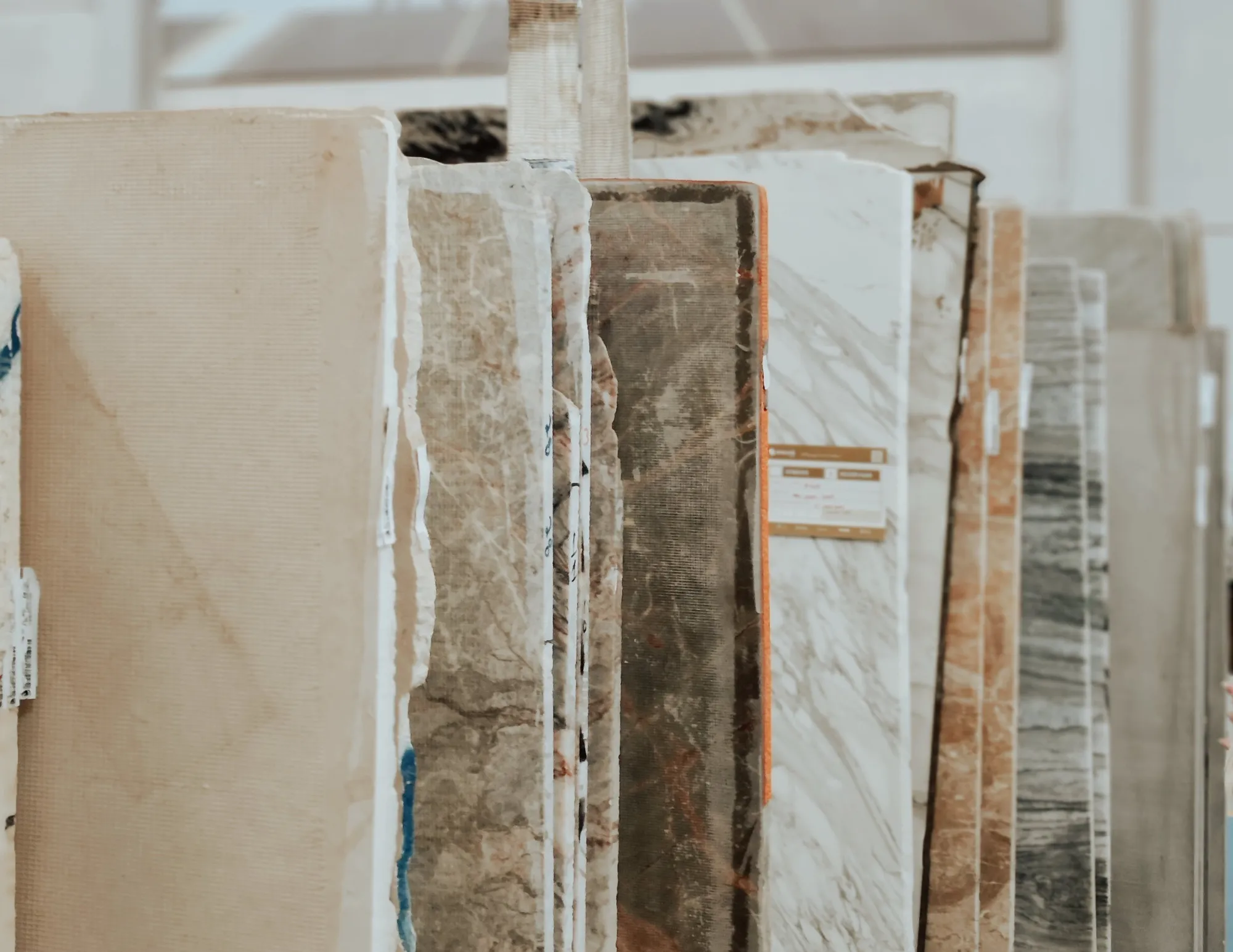
- Each slab is unique in color, veining, and pattern.
- Sealed during fabrication and needs resealing over time.
Quartz
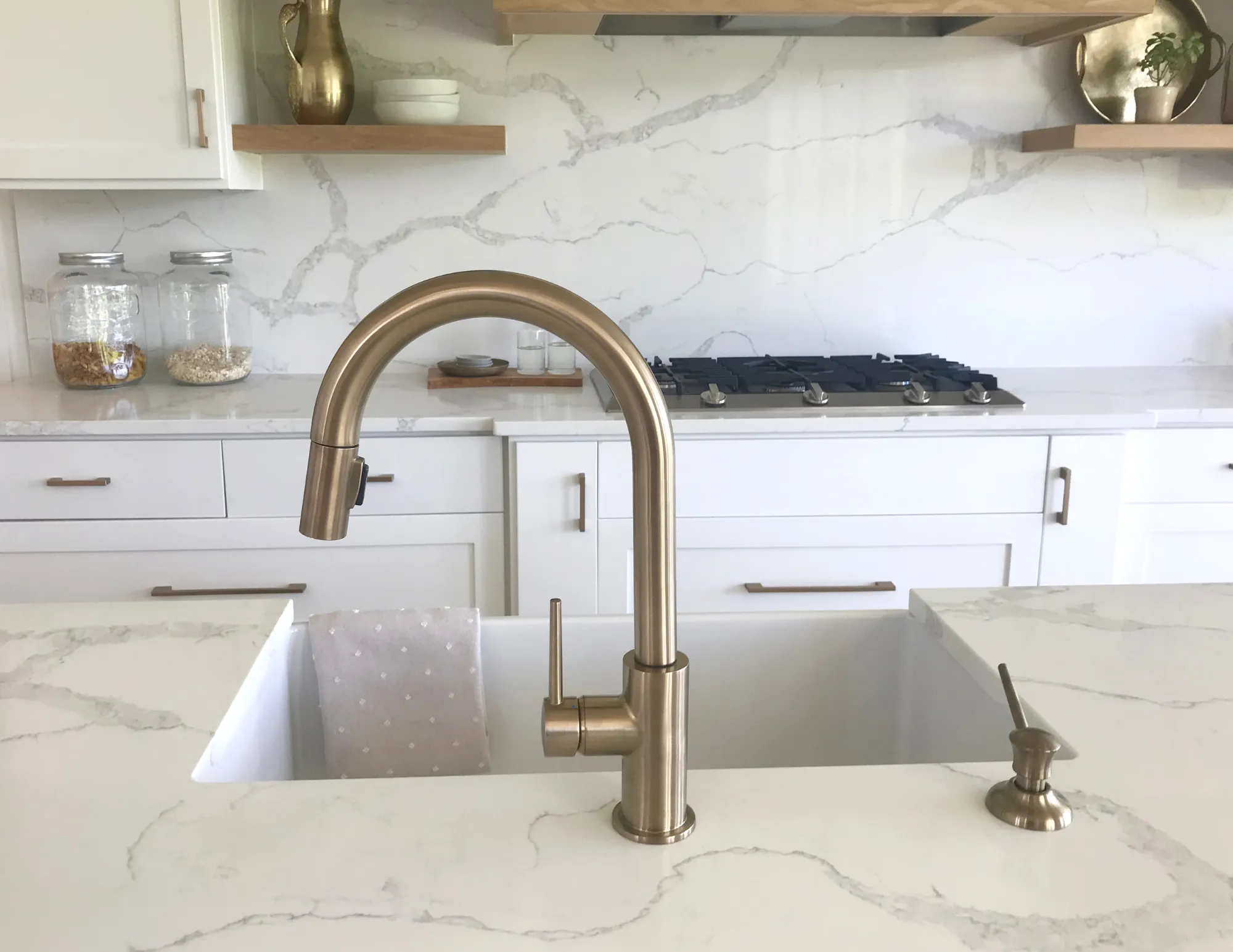
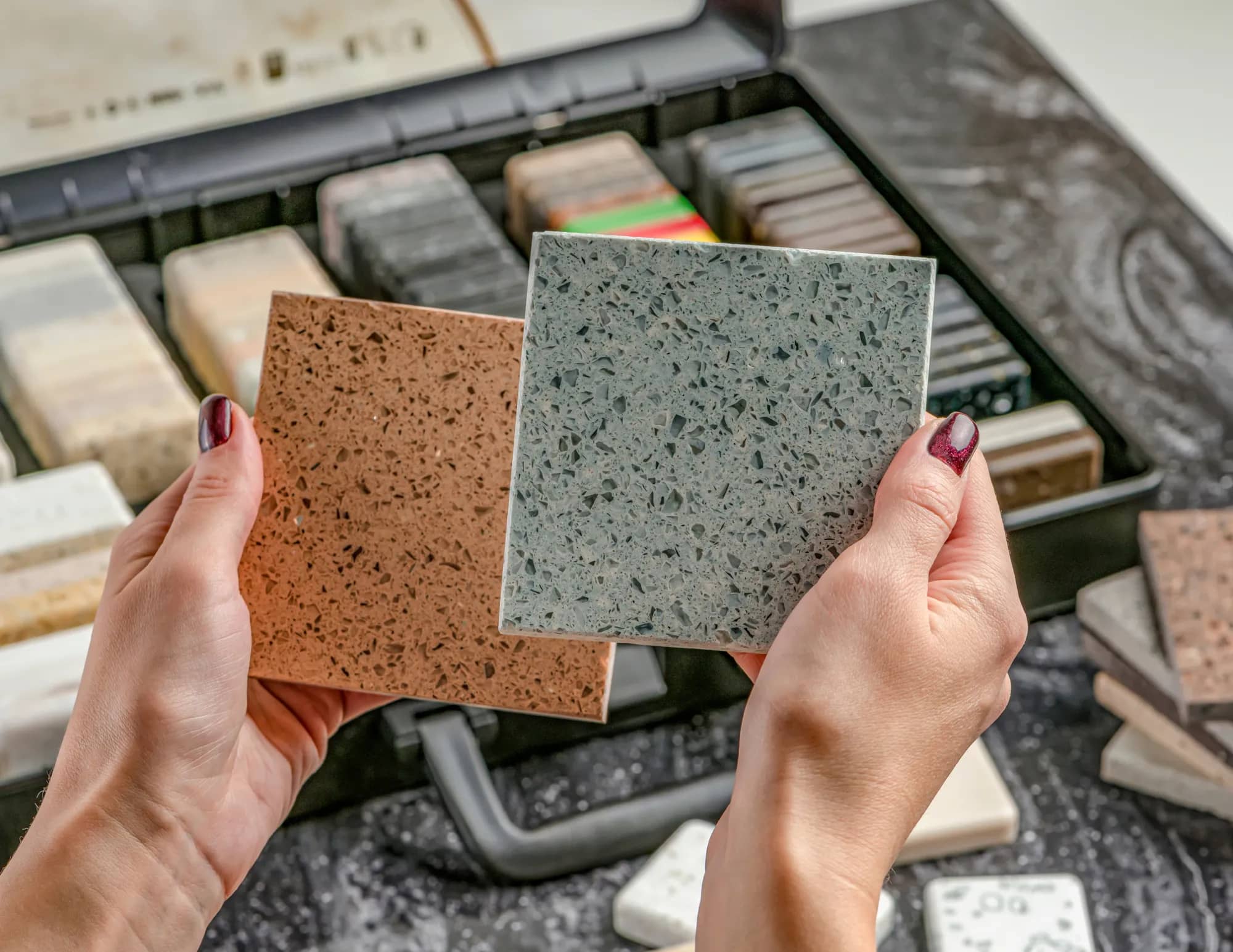
- Engineered stone: 90–95% natural quartz minerals mixed with resins and pigments.
- Uniform color and pattern across slabs.
- Non-porous and never needs sealing.

Reasons to Choose Quartz
1. Low Maintenance
Quartz never needs sealing. Wipe it with soap and water, and you’re done. Great if you want the look of stone without the upkeep.
2. Consistent Look
Perfect for modern or minimalist designs where you want every surface to match. No unexpected veining or “surprise spots.”
3. Wide Color Range
Quartz can mimic marble, concrete, or even exotic granite — plus colors granite doesn’t come in naturally.
4. Better Stain Resistance
Red wine, coffee, and oil won’t soak in like they can with porous stones.
Reasons to Choose Granite
1. One-of-a-Kind Natural Beauty
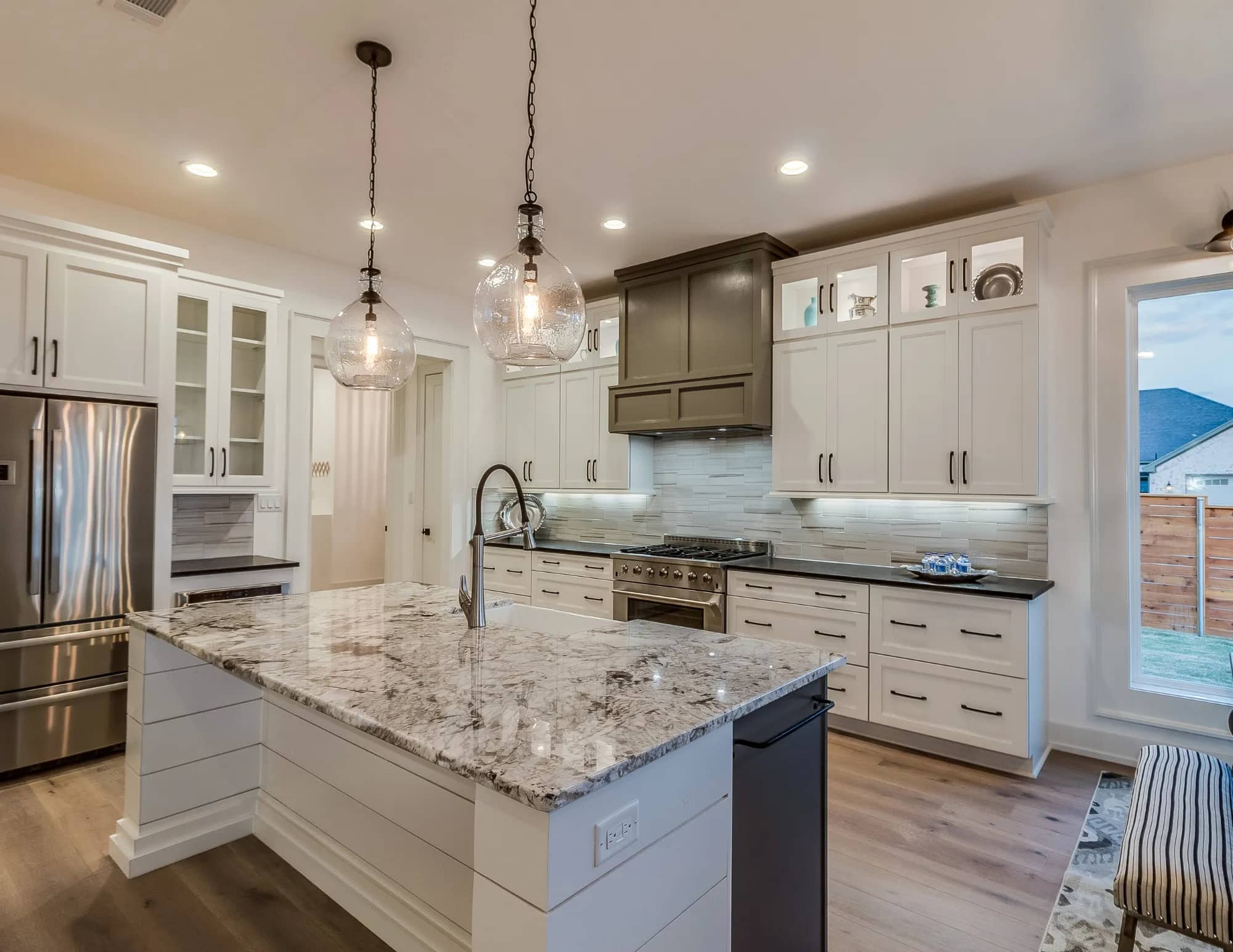
Every slab is unique. If you love organic movement, dramatic veining, and natural character, granite delivers.
2. Heat Resistance
Granite can take a hot pan better than quartz (though we still recommend a trivet).
3. Potentially Lower Cost
Some granite varieties are more affordable than mid-to-high-end quartz — especially if you choose a common color.
4. Adds Natural Luxury
Natural stone has timeless appeal. Many buyers still prefer the real thing when it comes to high-end kitchens.
Installation & Maintenance Tips
Granite: Reseal every 1–3 years to keep stains out. Avoid acidic cleaners that can etch the stone.
Quartz: Avoid placing hot pans directly on the surface — extreme heat can damage the resin.
For both: Use cutting boards to protect the finish and keep your knives sharp.
A simple rule:
If you want unique, natural beauty and don’t mind resealing once in a while → go with granite.
If you want uniformity, color choice, and zero maintenance fuss → quartz will make you happy every single day.
And remember — the right choice isn’t what’s trending on Instagram. It’s what works for your style, your cooking habits, and how much maintenance you’re willing to do.
Bonus: What We’re Seeing in Colorado Springs Remodels
Lately, our remodel clients are:
- Choosing quartz for busy family kitchens because it’s so easy to maintain.
- Choosing granite for mountain homes and rustic designs where natural variation fits the aesthetic.
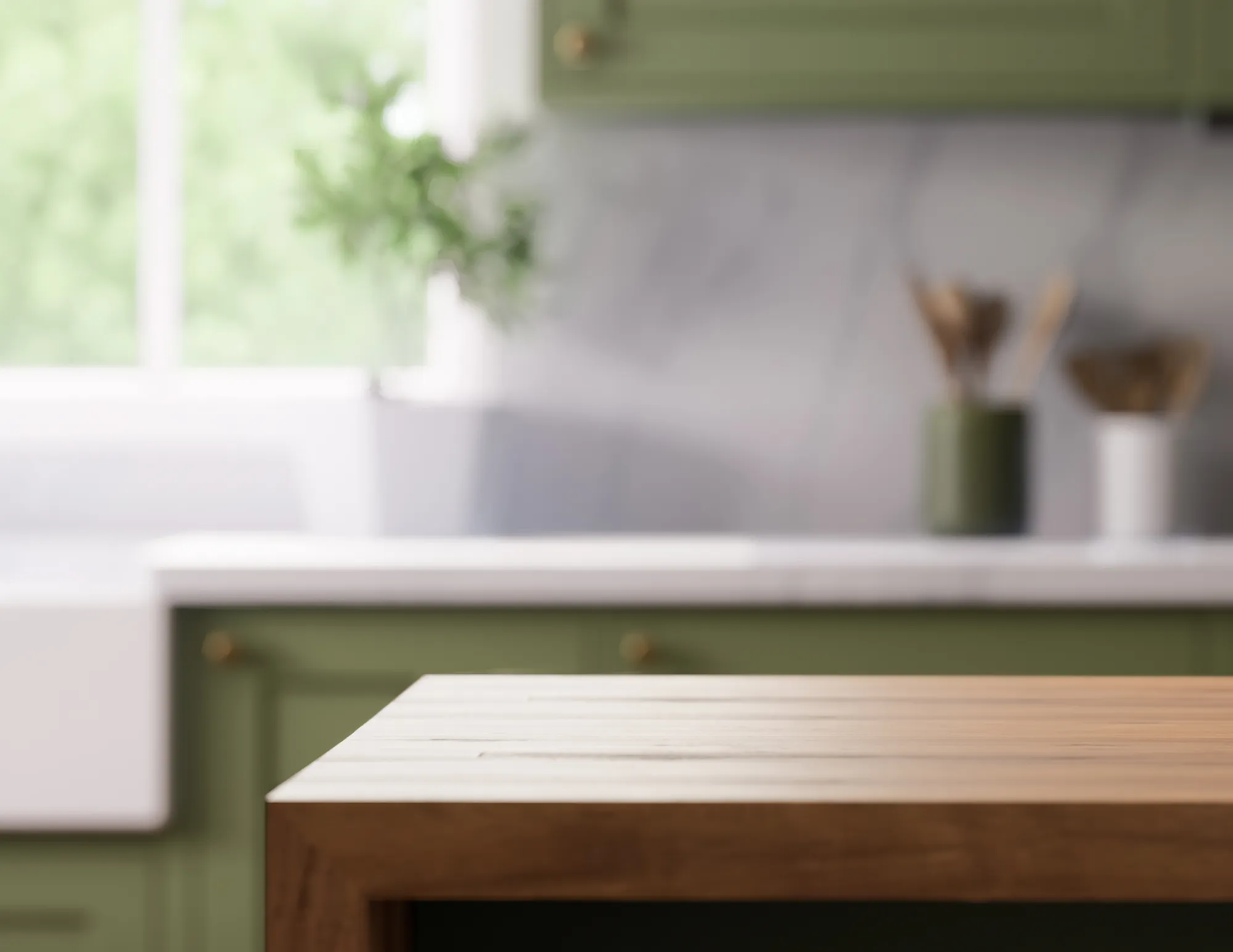
- Mixing materials — quartz on perimeter counters, granite or butcher block on an island — for a custom look.
Final Thoughts
Choosing between quartz and granite isn’t about which material is “better.” It’s about which one fits you.
If you’re still unsure, stop by a slab yard. Touch the surfaces. See the slabs in person. You might be surprised which one you fall in love with.
When you’re ready, we will make sure you end up with countertops you’ll love for decades.