If you’re thinking about adding a hot tub to your backyard, you’re in good company. Colorado Springs homeowners love their spas — whether it’s for muscle recovery after a hike, relaxing after work, or hosting friends on cool summer evenings.
But before you click “Buy Now” on that shiny new tub… you need to know something that’s way more important than color, jets, or cupholders:
The electrical setup makes or breaks a hot tub installation.
This isn’t a small plug-and-play device. Hot tubs draw serious power, and the wrong setup can trip breakers, fry equipment, or create dangerous electrical hazards.
Here’s everything you need to know before installing one — from safety requirements to code compliance to smart planning tips that save time, money, and stress.

Why Hot Tubs Need Special Electrical Work
Hot tubs typically require 220–240 volts and a dedicated circuit, which means they must run on their own power source, separate from the rest of your home.
Here’s why:
1. They draw a lot of power
A hot tub running multiple pumps, jets, heaters, and lights uses more electricity than almost anything else in your house besides your furnace.
2. They MUST be grounded for safety
Grounding prevents electrocution and equipment damage. Colorado Springs building code takes this part very seriously.
3. They require GFCI protection
A Ground Fault Circuit Interrupter (GFCI) cuts power instantly if it detects moisture or an imbalance — something that can literally save a life.

Common Mistakes Homeowners Make
Griff sees these all the time:
“It’s just a plug—my buddy can wire it.”
Nope. Most hot tubs are hardwired, not plug-in units. This is not a friends-and-beers project.
Running the tub on an overloaded panel
Older homes in Colorado Springs often have 100-amp panels that are already maxed out. Adding a hot tub without panel upgrades can:
- Trip breakers constantly
- Overheat wiring
- Damage the tub
- Create a fire hazard
Improper breaker type
Standard breakers are not safe for spas. You need the correct size GFCI breaker, wired correctly.
Bad placement
Hot tubs must be placed at least 5 feet from outlets and meet specific clearance rules — something many people don’t learn until an inspector stops by.

Your Electrical Checklist Before Buying a Hot Tub
Here’s what HOMEfix evaluates on every installation:
1. Your Electrical Panel Capacity
We check your amperage, load, and whether your panel can safely support a new high-demand appliance.
2. Distance From the Tub to the Panel
Longer distances mean more wiring, conduit, trenching, and electrical protection requirements.
3. Location & Safety Requirements
We verify:
- GFCI placement
- Proper disconnect box
- Bonding requirements
- Clearances according to Pikes Peak Regional Building Code
4. Weatherproofing
Colorado is hard on outdoor equipment. We use outdoor-rated components built to handle snow, UV exposure, and temperature swings.
Why Hot Tub Installations Are Not DIY
Between code, safety, and high voltage work, this is one of the most dangerous home projects to attempt yourself.
You’re working with:
- 220+ volts
- Water
- High-demand equipment
- Outdoor environments
- Strict code requirements
One wiring mistake can void your warranty, ruin the tub, or cause severe injury.
That’s why having a licensed electrician is the safest and smartest choice.
How HOMEfix Makes Hot Tub Power Simple
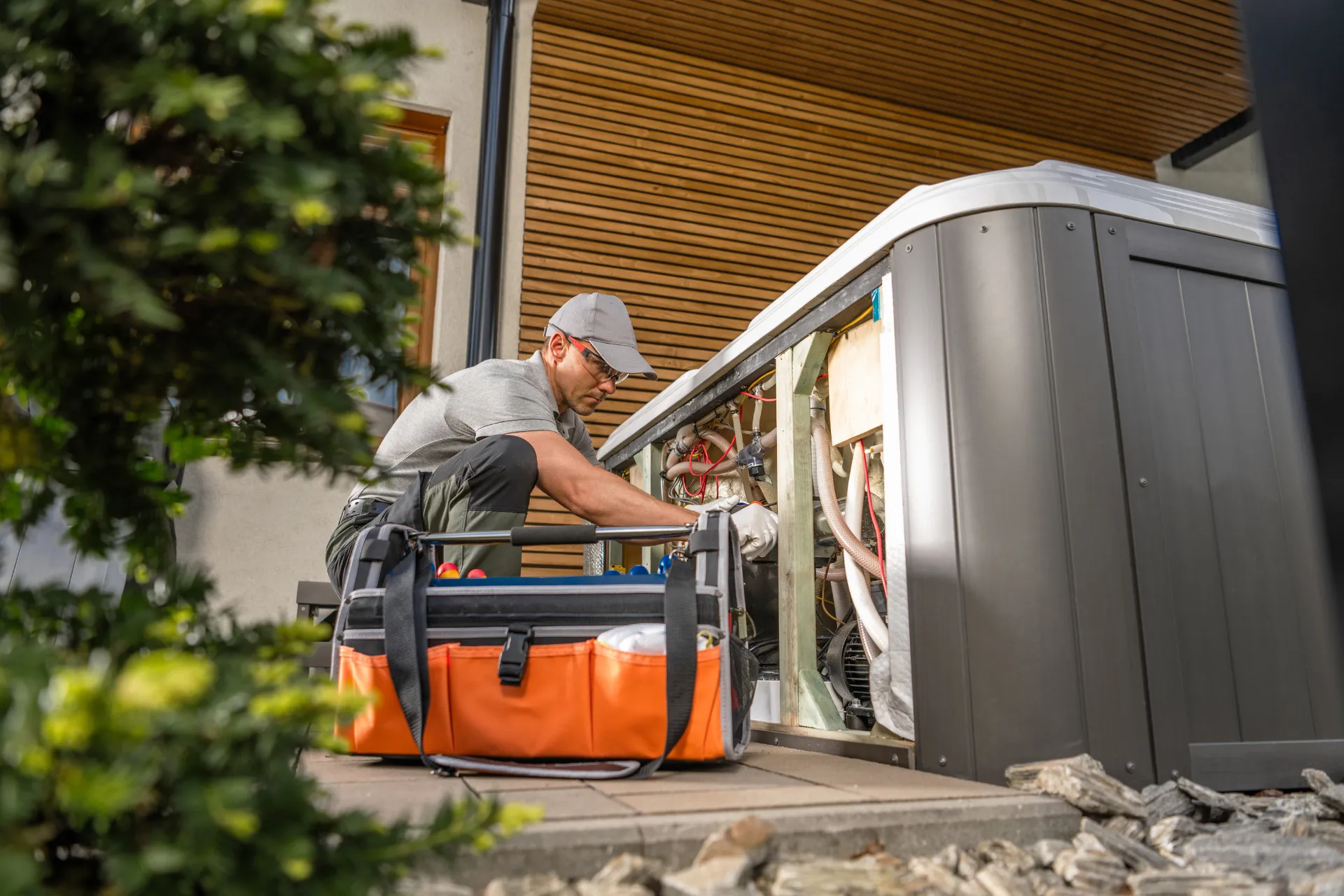
Our electrical team handles the entire setup:
✔ Electrical panel evaluation
✔ Permitting
✔ GFCI breaker installation
✔ Proper disconnect placement
✔ Waterproof conduit
✔ Bonding and grounding
✔ Final testing
✔ Inspection coordination
We’ve wired hundreds of hot tubs across Colorado Springs — from simple backyard setups to full patio builds.
If you’re ready to make soaking season a reality, we’ll make sure everything is safe, code-compliant, and built to last.