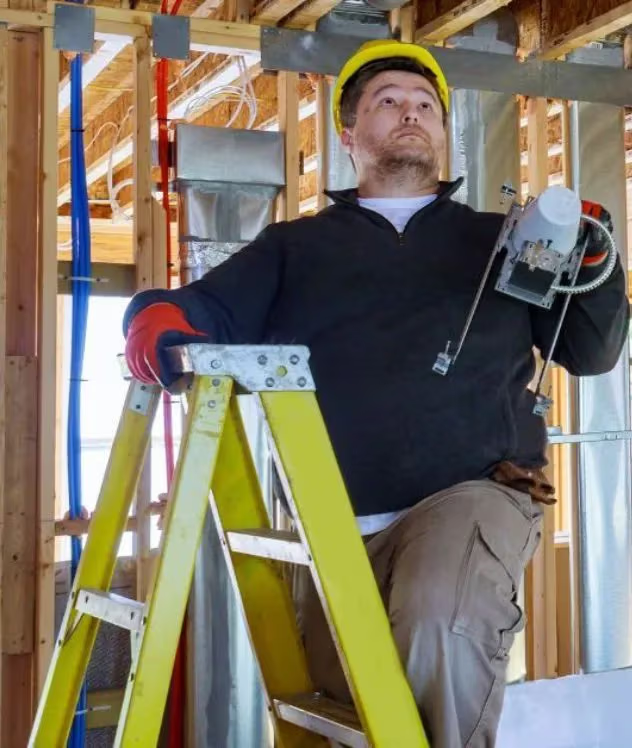
Your home might look the same on the outside, but inside the walls, a quiet revolution is happening. Today’s households aren’t just running lights and appliances anymore—they’re powering electric vehicles, feeding dozens of smart devices, charging laptops, and keeping HVAC systems humming in a more energy-hungry world.
And here’s the kicker: most American homes weren’t built for this. If your house is more than 20 years old, chances are good that your electrical system is already straining to keep up.
The good news? Prepping your home for modern life isn’t just about avoiding tripped breakers. Done right, it improves safety, convenience, energy efficiency, and resale value.
So let’s dig into the key areas where forward-thinking homeowners should be looking: EVs, smart homes, renewable energy, and overall system capacity.
The Rise of the Electric Vehicle (EV) and What It Means for Your Wiring
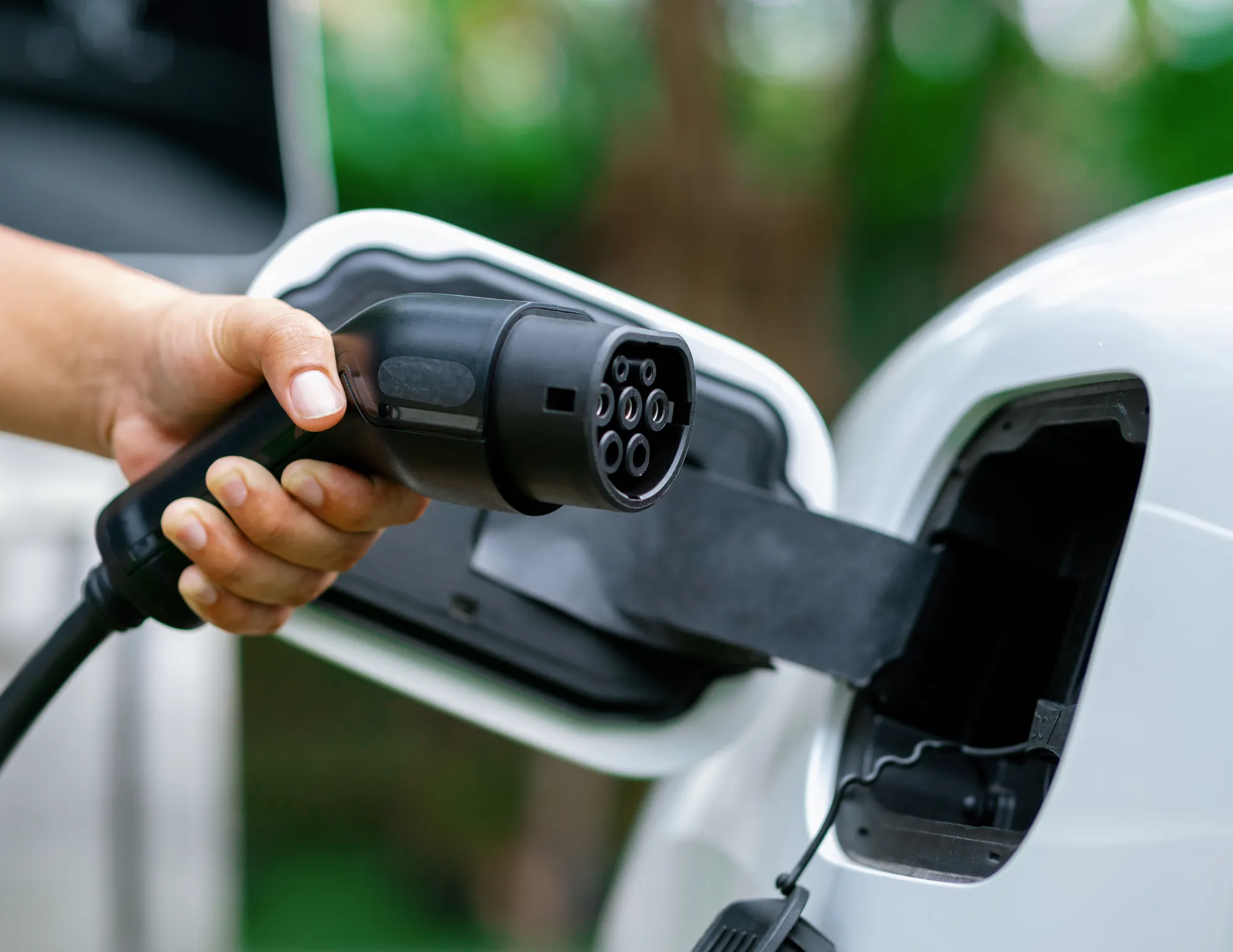
EVs aren’t the future anymore—they’re the present. More and more Colorado Springs homeowners are pulling into their driveways with Teslas, Rivians, or Chevy Bolts. And all of them need reliable charging.
Level 1, Level 2, and Beyond
- Level 1 charging uses a standard 120V outlet. It’s painfully slow (think 24–48 hours for a full charge).
- Level 2 charging is the sweet spot for most homeowners. It requires a dedicated 240V circuit and can refill a car overnight.
- Level 3 charging (DC fast charging) isn’t practical at home—it’s utility-grade power.
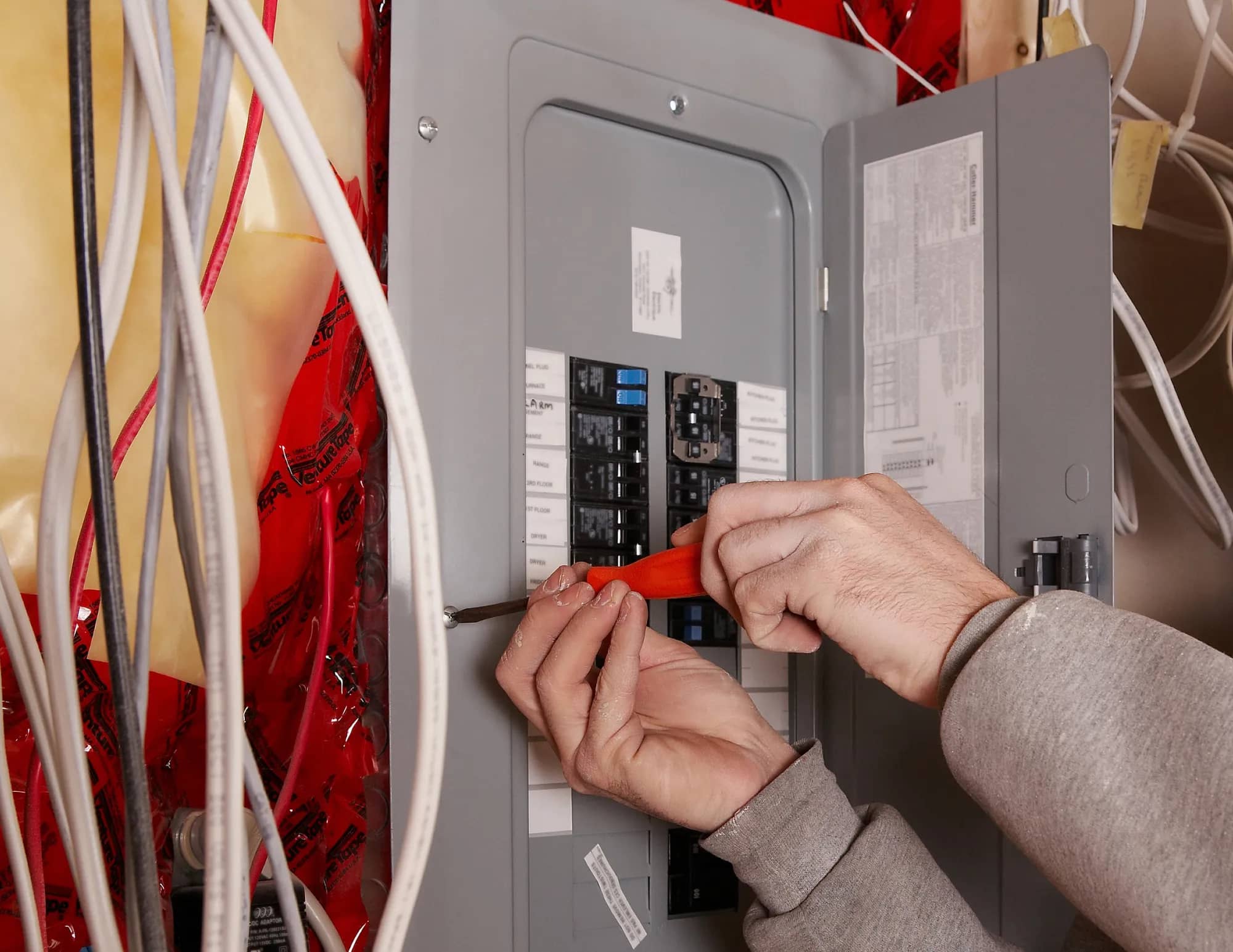
Most modern EV owners will want Level 2. That means adding a new circuit to your breaker panel, often 40–60 amps, and sometimes upgrading the panel itself to handle the load.
Why Panel Capacity Matters
If your panel is maxed out, plugging in a Level 2 charger isn’t possible without a major upgrade. This is one of the most common bottlenecks we see at HOMEfix when homeowners are trying to get EV-ready.
Smart Homes Need Smart Wiring
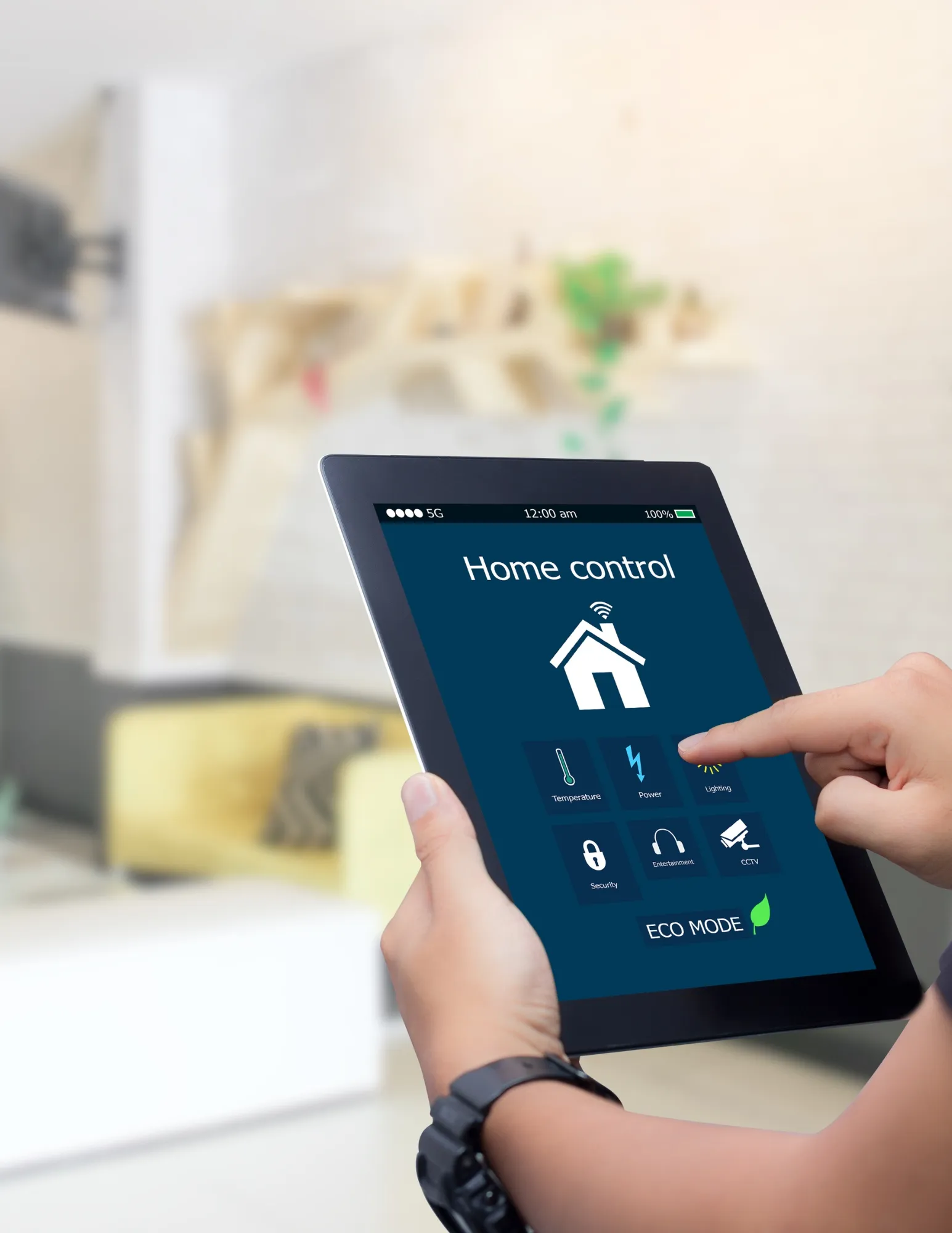
We tend to think of smart homes as “Wi-Fi-driven,” but that’s only half the story. Behind the scenes, wiring makes or breaks the reliability of your system.
Powering Smart Devices
Smart thermostats, lights, cameras, and security systems don’t require a ton of energy individually. But the accumulation matters. Dozens of always-on devices put a continuous strain on older systems.
Low-Voltage & Data Wiring
Beyond electricity, homes need structured cabling. Ethernet runs, Cat 6 lines, and dedicated circuits for server racks or media centers are becoming standard in higher-end remodels. Relying solely on Wi-Fi in a large house often leads to dead zones and unreliable performance.
The “Hub” Concept
Forward-looking remodels often create a centralized hub—a low-voltage panel where all internet, security, and data cabling terminate. This keeps the system clean, expandable, and easier to troubleshoot down the road.
Renewable Energy & Storage Integration
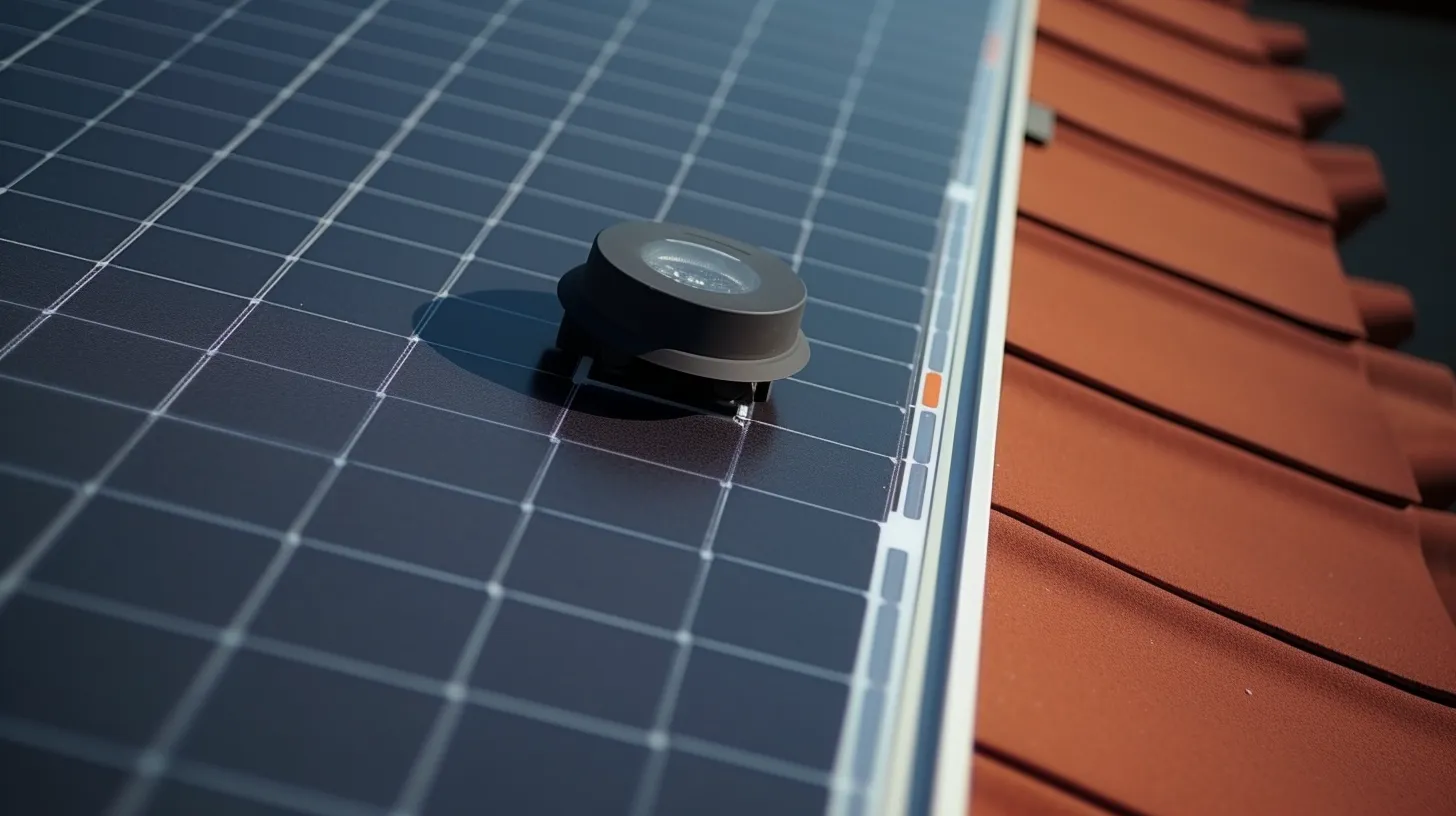
Colorado Springs gets over 300 days of sunshine each year. That makes solar an attractive option—but it changes the electrical equation.
Solar Panels
To integrate solar, you’ll need:
- A panel that has space for backfeeding breakers
- Wiring that meets local codes for renewable tie-ins
- Often, a service upgrade (moving from 100A to 200A or even 400A service)
Battery Storage
Systems like Tesla Powerwall or Enphase add another layer. They need dedicated circuits, safe placement, and code-compliant disconnects. If your panel and wiring aren’t prepped for this, you’ll be paying more later to retrofit.
Whole-Home Surge Protection & Safety
Modern electronics are sensitive. A lightning strike in Colorado Springs or even a grid hiccup can fry thousands of dollars in equipment. That’s why more homeowners are adding whole-home surge protection at the panel level. It protects everything from your fridge to your home office setup.
Safety also extends to:
- Arc fault circuit interrupters (AFCIs): Required in many remodels, these prevent wiring fires.
- Ground fault circuit interrupters (GFCIs): For wet areas (bathrooms, kitchens, outdoors).
These aren’t just code requirements—they’re practical safety upgrades.
How to Tell If Your Home Is Falling Behind
Here are some clear signs that your home may not be wired for modern life:
- Frequent breaker trips when running multiple devices
- Reliance on extension cords or power strips in multiple rooms
- Lack of grounded outlets (two-prong instead of three-prong)
- No dedicated circuits for heavy appliances
- An electrical panel that looks maxed out or outdated
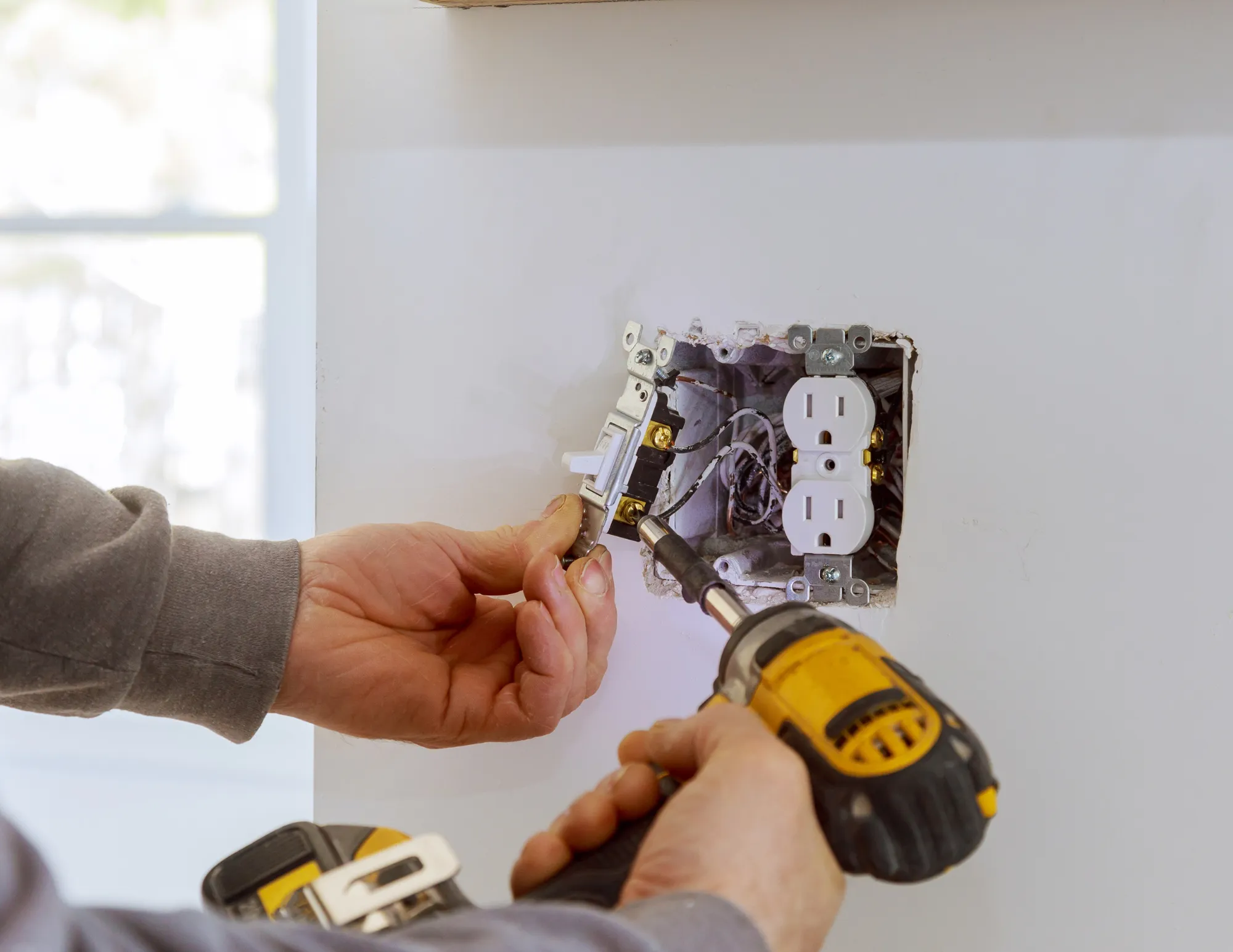
If you notice any of these, it’s worth having a licensed electrician evaluate your system.
Planning Your Remodel With Electrical in Mind
Electrical upgrades often get overlooked in remodels because they’re “invisible.” But they are the foundation for everything else.
Kitchen Remodels
Adding new appliances (double ovens, induction cooktops, drawer microwaves) often requires new 240V circuits. Don’t wait until cabinets are in to realize you’re short on power.
Bathroom Remodels
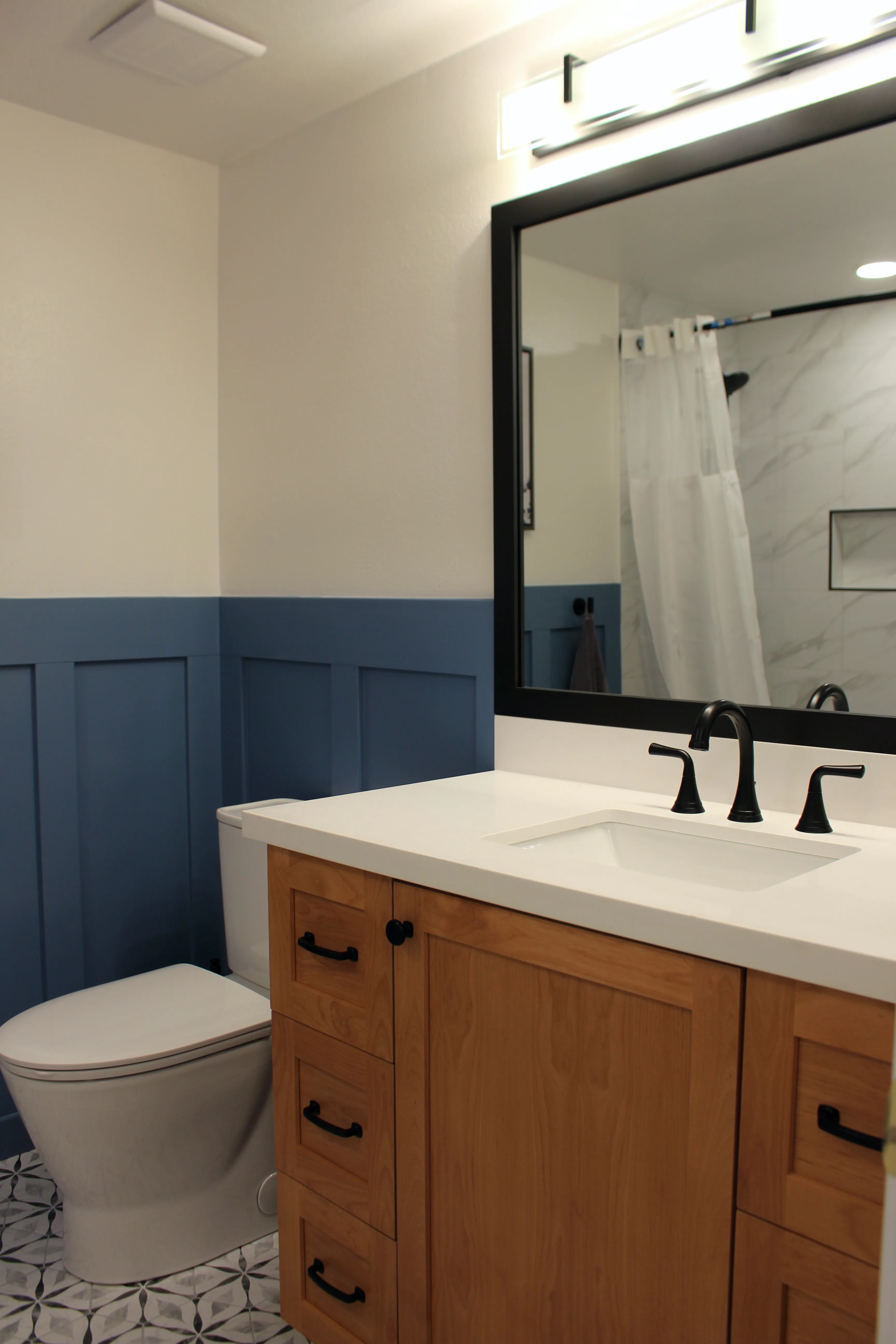
Heated floors, jet tubs, or upgraded lighting may push you past existing capacity. Plan ahead.
Basements & Additions
New living spaces almost always require a subpanel or a service upgrade. Running circuits back to an already maxed-out main panel is a recipe for headaches.
What It Looks Like in Practice
At HOMEfix, we’ve seen the full spectrum—from 1950s homes with knob-and-tube wiring to brand-new builds that are already maxed out because the electrical was undersized.
Here’s what we recommend when future-proofing a Colorado Springs home:
- Start with a load calculation. Know how much power your home is using today.
- Plan for growth. If you’re remodeling, add capacity you don’t need yet.
- Think holistically. Wiring isn’t just about electricity—it’s about comfort, tech, and resale.
- Work with pros who know local codes. Colorado Springs has unique requirements, especially around renewable integration and surge protection.
Final Thoughts
Your home is more than walls and paint. Behind the scenes, its wiring determines how comfortable, safe, and functional it is. As EVs, smart devices, and renewable energy become the norm, homes that are “underwired” will struggle to keep up.
The best time to prep? During a remodel—when walls are open, systems are being rethought, and you can design not just for today, but for the next decade.
Future-proofing your electrical system may not be flashy, but it’s one of the smartest investments you can make. Because the home of tomorrow is already here—it’s just waiting for the right wiring.