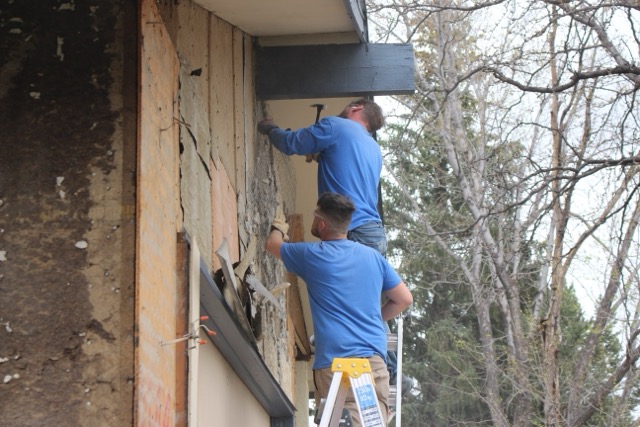
Most siding issues don’t start with something obvious.
There’s no dramatic moment.
No sudden failure.
It’s slow. Subtle. Easy to ignore.
And by the time it looks like a problem—
it usually already is one.
Especially here in Colorado, where your home is constantly dealing with:
- Intense sun exposure
- Hail
- Wind
- Freeze/thaw cycles
Your siding takes the hit so your house doesn’t have to.
But it doesn’t last forever.
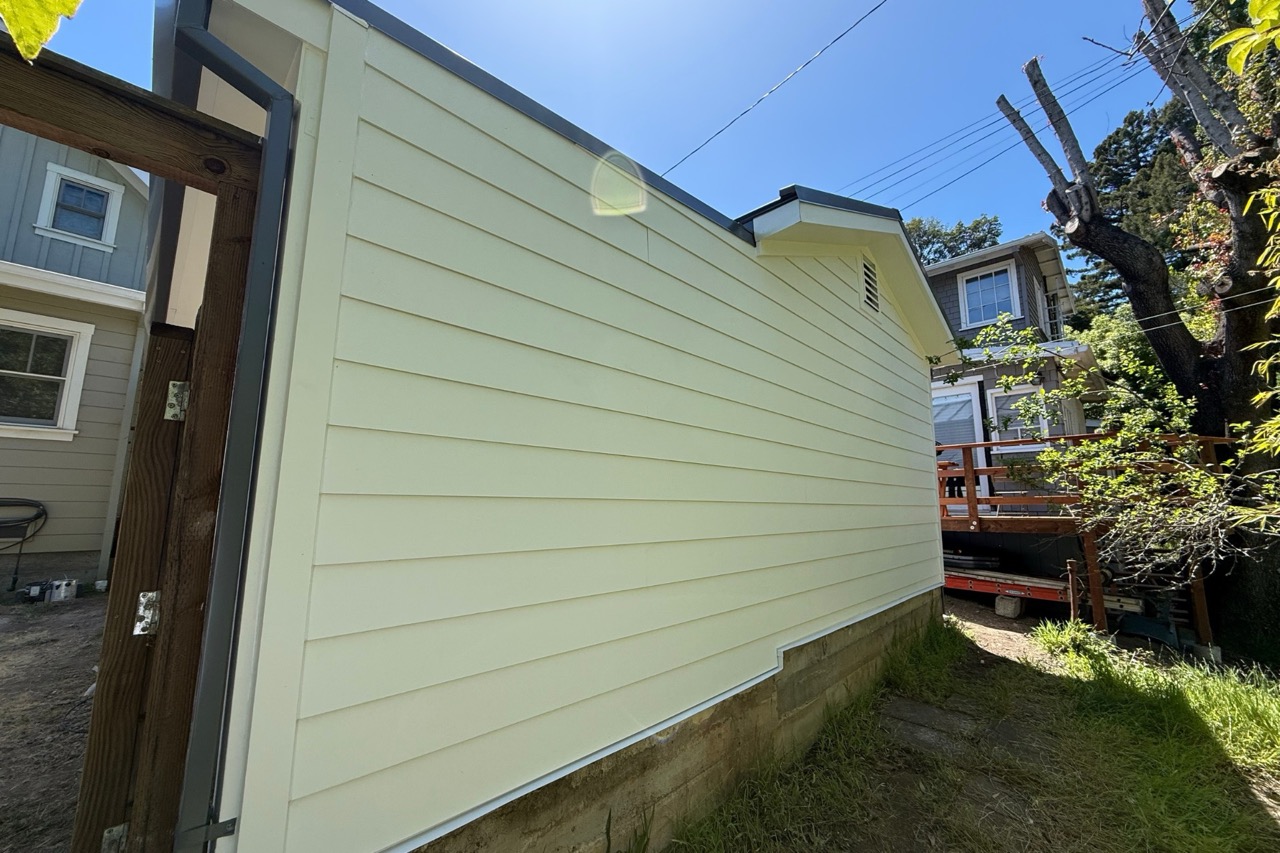
Here Are 7 Signs Your Home Might Be Due for New Siding
1. Warping or Buckling Panels
If your siding isn’t sitting flat, something’s wrong.
Warping can mean:
- Moisture has gotten underneath
- The material is breaking down
- Installation wasn’t done correctly
Either way, it’s no longer doing its job.
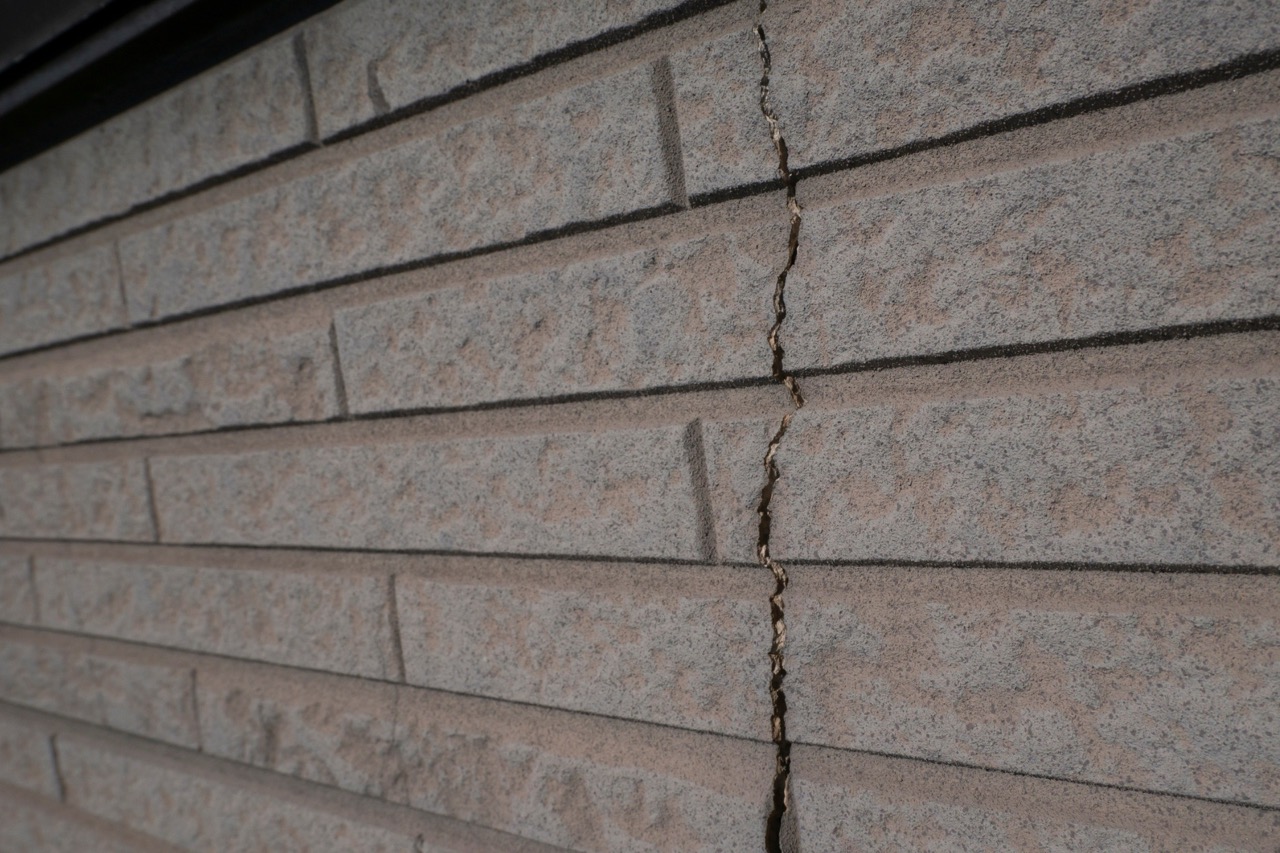
2. Cracks or Holes (Even Small Ones)
This is one homeowners tend to brush off.
But even small cracks can:
- Let moisture in
- Invite pests
- Lead to bigger structural issues over time
Especially after hailstorms—damage isn’t always obvious from the ground.
3. Fading or Discoloration
Yes, it’s cosmetic—but it’s also a warning sign.
Severe fading often means:
- UV protection has worn down
- The material is nearing the end of its lifespan
In Colorado, the sun alone can age siding faster than expected.
4. Frequent Need for Repainting or Repairs
If you feel like you’re constantly maintaining your exterior, it’s worth asking why.
At a certain point, you’re not maintaining—you’re compensating for failing materials.
5. Mold, Mildew, or Water Stains
This one matters.
Discoloration, streaking, or growth on siding can point to:
- Trapped moisture
- Poor drainage
- Ventilation issues
And moisture is what leads to bigger (more expensive) problems.
6. Higher Energy Bills
This one surprises people.
Old or damaged siding can impact insulation and airflow, forcing your HVAC system to work harder.
If your bills are creeping up without a clear reason, your exterior could be part of the problem.
7. You Just Know Something Feels “Off”
A lot of homeowners can’t pinpoint the issue—but they can tell something’s changed.
Maybe the house doesn’t look as sharp.
Maybe it feels more exposed.
That instinct is usually worth listening to.
Why This Matters More in Colorado
Siding here doesn’t get an easy life.
Between hail and temperature swings, materials expand, contract, crack, and wear down faster than in milder climates.
What might last 30 years elsewhere might not last nearly as long here—especially without proper installation.
Repair or Replace?
Not every issue means full replacement.
But here’s a good rule of thumb:
- Localized damage? Repair might be enough
- Widespread wear or multiple issues? Replacement is usually the smarter long-term move
The key is catching it early—before water or structural damage sets in.
The Bottom Line
Your siding isn’t just about curb appeal.
It’s your home’s first layer of protection.
If it’s starting to fail, your house is more exposed than you think.
If you want a second opinion, we’re happy to take a look and give you a straight answer—no pressure, no guesswork.