Colorado Climate
If you’ve lived in Colorado Springs for more than one winter, you already know what dry air feels like. Static shocks when you touch a doorknob. Cracked lips and itchy skin. Hardwood floors that gap in January and mysteriously shrink back in June.
It’s not your imagination—Colorado’s semi-arid climate means indoor humidity often drops below 20% in the winter. The recommended range? Between 30% and 50%. That gap is where the whole-house humidifier conversation starts.
But is it worth the cost and hassle to install one? Let’s break down what they are, how they work, and why they might be the hidden comfort upgrade your home actually needs.
What Is a Whole-House Humidifier?
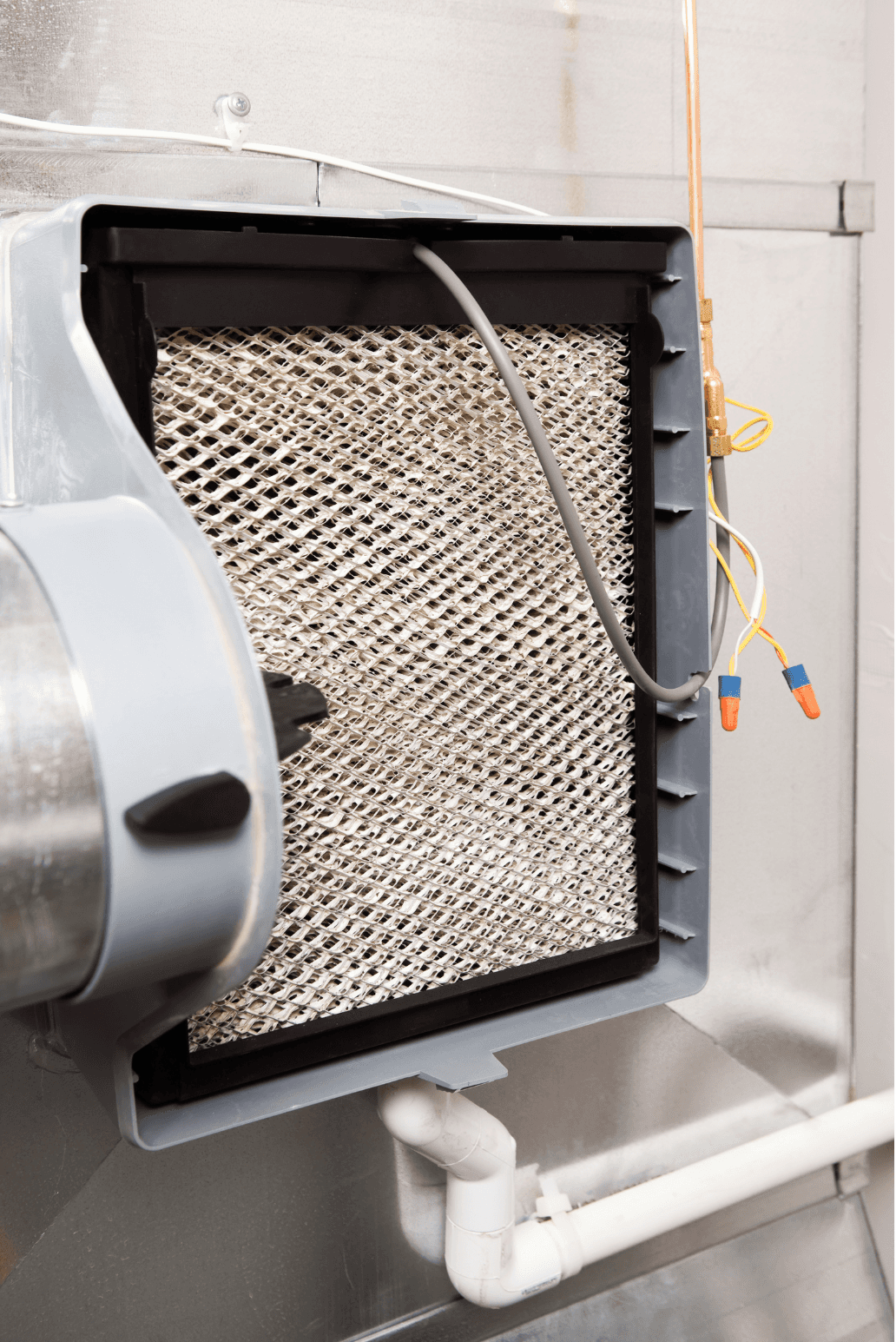
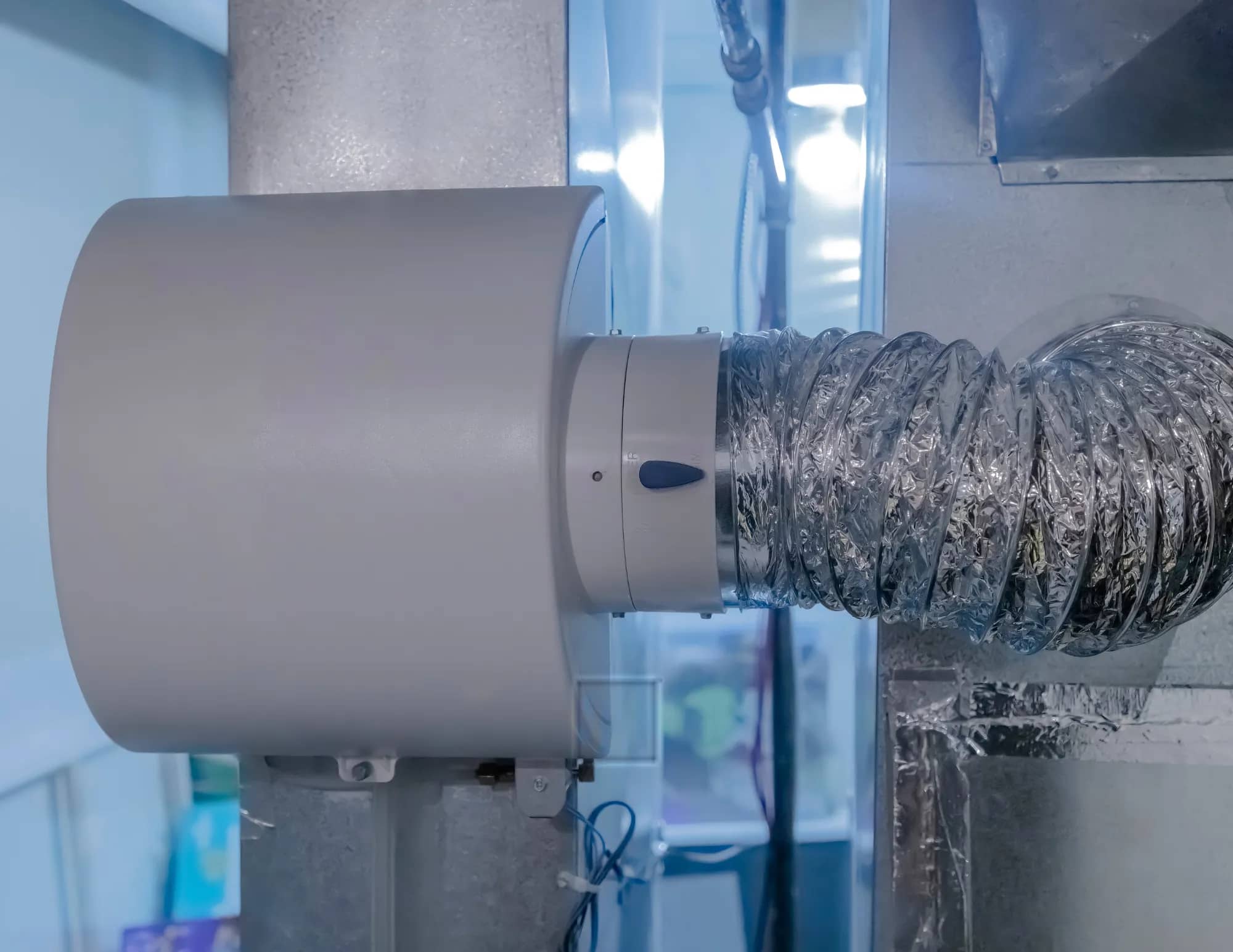
A whole-house humidifier is a system that integrates directly with your HVAC. Instead of relying on small, portable units in each bedroom or living space, a whole-house humidifier adds moisture to the air through your furnace ductwork, keeping humidity consistent across every room.
Types of Whole-House Humidifiers:
- Bypass Humidifiers – Simple, cost-effective. Uses warm air from the furnace to evaporate water into the ducts.
- Fan-Powered Humidifiers – Similar to bypass but with a built-in fan for higher output. Great for medium-to-large homes.
- Steam Humidifiers – The gold standard. Creates steam on demand for precise humidity control. Perfect for large houses or homeowners who want exact comfort levels.
Why Humidity Matters More Than You Think
For Your Health
- Dry skin & cracked lips: Low humidity literally pulls moisture from your body.
- Respiratory issues: Dry air irritates sinuses, making colds worse and allergies flare.
- Better sleep: A balanced humidity level reduces snoring and congestion.
For Your Home
- Wood floors & trim: Prevents warping, cracking, and gapping.
- Musical instruments: Guitars, pianos, and violins stay in tune longer.
- Furniture & cabinets: Preserves woodwork, especially in custom kitchens or remodels.
For Energy Efficiency
Humid air feels warmer than dry air. With the right humidity levels, you can set your thermostat a few degrees lower and still feel comfortable—saving money on heating bills.
Signs Your Colorado Springs Home Needs a Whole-House Humidifier
- Static shocks every time you touch a light switch or doorknob
- Cracks in hardwood flooring or gaps in trim
- Nosebleeds or irritated sinuses during the winter
- Portable humidifiers running constantly, but never solving the issue
- Guests commenting your house feels “dry”
- If that sounds familiar, a whole-house system may be worth serious consideration.
Common Misconceptions
- “Portable humidifiers do the same thing.” Not really. They’re fine for one room, but they don’t touch the whole home.
- “It’s just about comfort.” Wrong. It’s about protecting your investment in woodwork, furniture, and even paint.
- “They’re hard to maintain.” Most require changing a water panel once a season. That’s about it.
Installation & What to Expect
In Colorado Springs, most homeowners have forced-air furnaces, which makes adding a whole-house humidifier fairly straightforward. A licensed HVAC pro (like our crew at HOMEfix) can usually install one in half a day.
Key factors:
- Do you have the panel space and duct layout for installation?
- Do you want bypass, fan-powered, or steam?
- Do you want it tied into a smart thermostat for precision control?
Is It Worth It?
Here’s the honest answer: If you live in Colorado Springs and plan to stay in your home for more than a couple of winters, yes.
- The health and comfort benefits are immediate.
- The protection it provides to your floors, trim, and cabinets can save thousands in repairs or refinishing.
- It’s one of the few HVAC add-ons that homeowners actually notice every single day.

Final Thoughts
In a place as dry as Colorado Springs, a whole-house humidifier isn’t a luxury—it’s a practical comfort investment. Whether you’re tired of waking up with a scratchy throat, frustrated by cracked wood floors, or just want a cozier winter, it’s an upgrade that pays off every single day you live in your home.
If you’re considering one, the best time to install is during fall furnace prep or as part of a remodel. That way you get ahead of dry air season and protect your home all winter long.