Cost, Resale Value, Functionality & Long-Term Use
Walk-in showers are everywhere — but that doesn’t mean they’re right for every home.
Homeowners often ask if a walk-in shower is “worth it,” but the real question is:
Worth it for who, and for how long?
What Defines a Walk-In Shower?
A true walk-in shower typically includes:
- No tub
- Low or no curb
- Tile walls and floors
- Glass enclosure (or open design)
- Custom drainage and waterproofing
It’s not just a style choice — it’s a functional change.
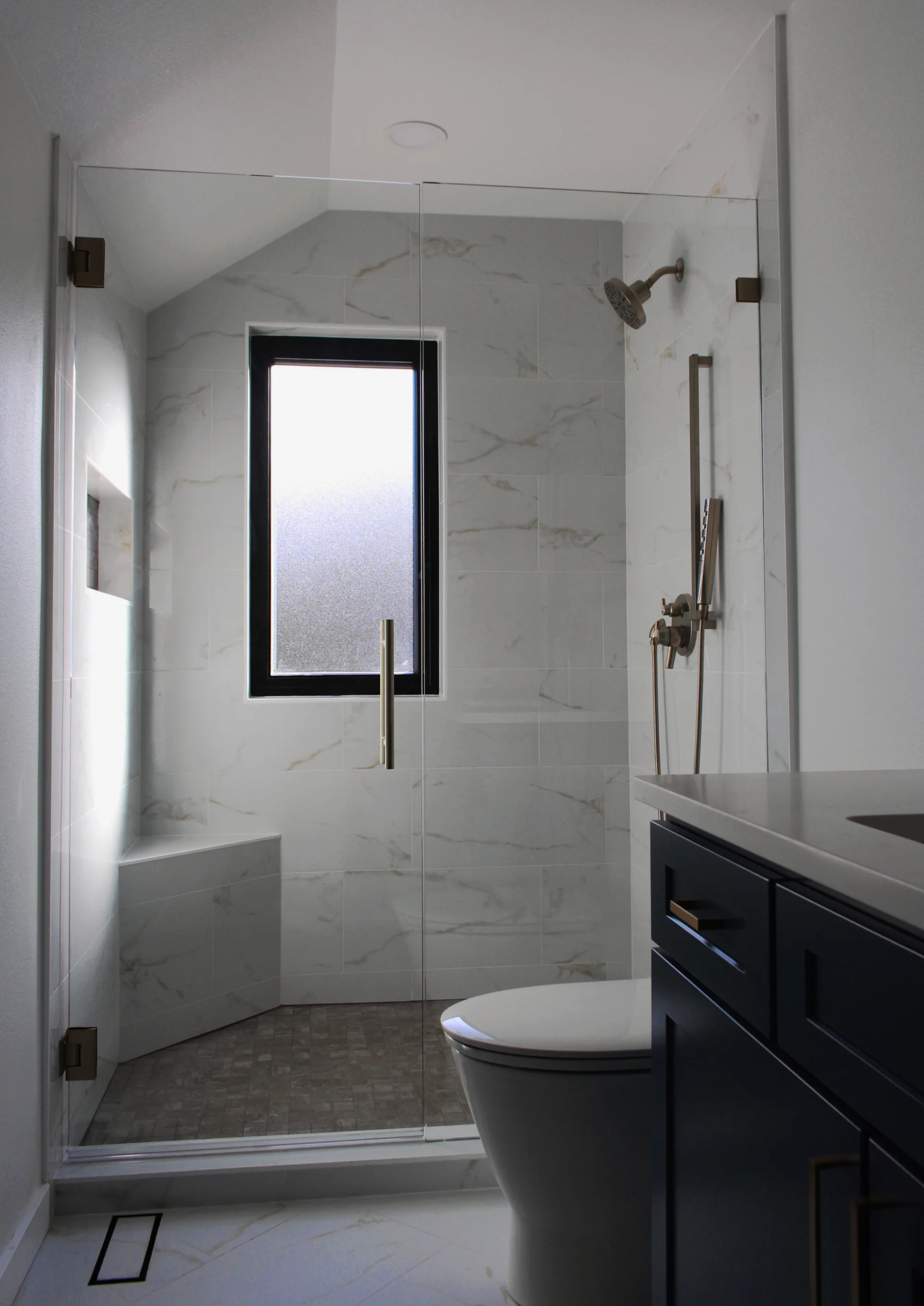
The Real Benefits of Walk-In Showers
Accessibility & Ease of Use
Walk-in showers are easier to enter and exit, making them ideal for:
- Aging homeowners
- Injuries or mobility concerns
- Long-term living plans
This is one of the biggest reasons homeowners choose them.
Visual Space & Modern Design
Removing a tub opens up the room visually. Glass, tile, and clean lines make bathrooms feel:
- Larger
- Brighter
- More intentional
Customization
Walk-in showers allow:
- Multiple shower heads
- Built-in niches
- Benches
- Custom tile designs
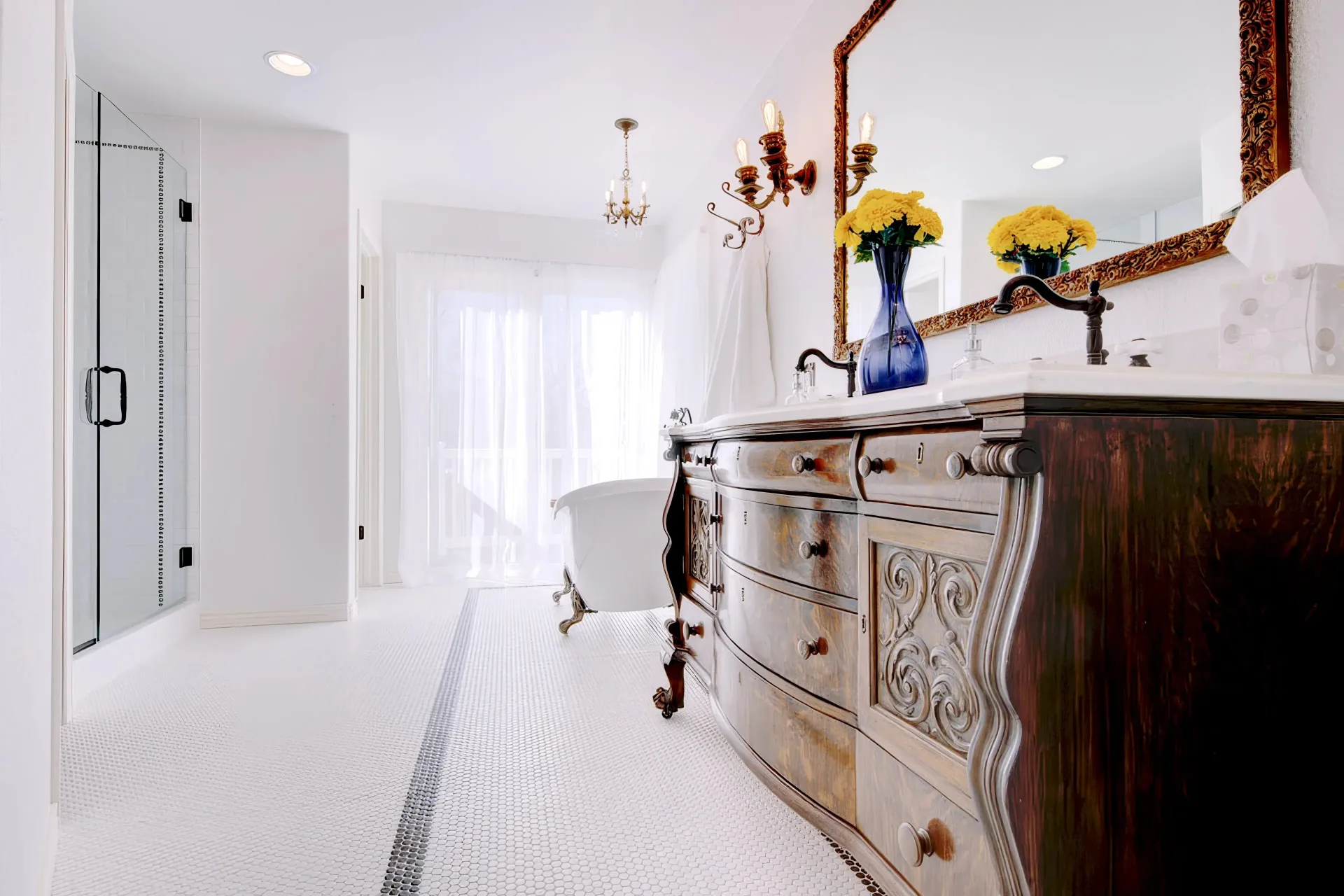
The Drawbacks Homeowners Overlook
Loss of a Tub
If your home has:
- Only one bathroom
- Young children
- Entry-level resale goals
Removing the only tub can limit appeal.
Higher Cost
Proper waterproofing, tile work, glass, and drainage add up quickly. A walk-in shower is rarely the cheapest option.
Resale Value: The Real Answer
In most markets:
- Primary bathrooms benefit from walk-in showers
- Homes with multiple bathrooms can safely lose one tub
- Single-bath homes should usually keep a tub
Final Thoughts
If you’re remodeling for yourself — and plan to stay — walk-in showers are often worth every dollar. If resale is your main concern, the decision needs more strategy.