Owning a home comes with an unavoidable reality: there is always something that needs to be fixed.
Maybe the roof is getting old. The bathroom needs an update. Your water heater is making strange noises. There's a crack in the drywall you've been meaning to patch. The garage needs attention, the windows are drafty, and somehow there are three light switches that don't seem to do anything useful.
The problem isn't necessarily knowing what needs to be done.
It's figuring out what needs to be done first.
When your home improvement list keeps growing but your time and budget don't, trying to tackle everything at once can quickly become overwhelming. The good news is that you don't have to.
The key is learning how to prioritize home repairs based on safety, urgency, potential damage, energy efficiency, functionality, and long-term value.
For homeowners in Colorado Springs, prioritizing repairs is particularly important because local homes are exposed to intense sun, hail, snow, freezing temperatures, wind, and significant temperature swings throughout the year.
So, if your home has a long list of repairs and improvements, where should you start?
Here's how to figure it out.
Start With the Most Important Question: What Could Get Worse?
When deciding which home repairs to tackle first, don't automatically start with the most annoying problem.
Instead, ask:
"What happens if I don't fix this?"
That's one of the simplest ways to determine whether a repair should move to the top of your list.
A cosmetic issue such as outdated paint can probably wait.
A small water leak that could damage cabinets, flooring, drywall, or framing probably shouldn't.
A dated bathroom might not be urgent.
A failing water heater that's already leaking is a different story.
Think about your repairs in terms of consequences, not just appearance.
The Home Repair Priority System
A useful way to organize your home improvement list is to divide repairs into five categories:
Priority 1: Safety and Emergencies
Problems that could put people or your home at risk.
Priority 2: Active Damage
Issues that are currently causing damage or could quickly become more expensive.
Priority 3: Preventative Maintenance
Repairs that can prevent future problems and extend the life of your home's systems.
Priority 4: Efficiency and Functionality
Improvements that make your home more comfortable, efficient, or convenient.
Priority 5: Cosmetic Improvements
Projects that primarily improve appearance.
This doesn't mean cosmetic projects aren't worthwhile. It simply means they generally shouldn't come before repairs that protect your home.
1. Handle Safety Issues First
Anything that presents a potential safety hazard should move to the top of your list.
Examples include:
- Electrical problems
- Loose stair railings
- Damaged steps
- Broken exterior doors
- Unsafe decks
- Gas line concerns
- Significant structural damage
- Water leaks near electrical components
- Broken locks
- Loose ceiling fixtures
Electrical issues deserve particular attention.
If an outlet is hot to the touch, smells like it's burning, sparks, or repeatedly trips a breaker, don't treat it as a minor inconvenience.
Similarly, a loose handrail may seem insignificant until someone actually needs it.
When a repair involves safety, don't wait for it to become an emergency.
2. Stop Active Water Damage
Water is one of the fastest ways for a relatively small home repair to become an expensive one.
If you have an active leak, move it near the top of your priority list.
Look for:
- Water stains on ceilings
- Damp drywall
- Dripping pipes
- Leaking faucets
- Water around your water heater
- Damaged caulking
- Roof leaks
- Wet insulation
- Moisture around windows
- Standing water
The source of the water matters more than the visible damage.
For example, painting over a ceiling stain doesn't solve the problem if the roof is still leaking.
Likewise, replacing water-damaged cabinets doesn't make sense if the plumbing leak underneath the sink is still active.
Fix the source first. Then repair the damage.
3. Address Roof Problems Before They Become Interior Problems
Your roof is your home's first line of defense against Colorado weather.
Colorado Springs homeowners deal with hail, wind, snow, ice, rain, and intense UV exposure. Over time, those conditions can contribute to roofing deterioration.
If you notice:
- Missing shingles
- Damaged shingles
- Cracked flashing
- Water stains
- Sagging
- Granules accumulating in gutters
- Visible storm damage
- Leaks
it's worth having the roof professionally evaluated.
A small roofing repair may be relatively straightforward.
Water that gets through the roof can eventually affect:
- Attic insulation
- Drywall
- Ceilings
- Framing
- Flooring
- Electrical components
That's why roofing issues generally deserve a higher priority than cosmetic exterior projects.
4. Fix Electrical Problems Before Adding More Electrical Features
It's tempting to think about electrical upgrades only when you're adding something new.
Maybe you want an EV charger, hot tub, additional outlets, or better lighting.
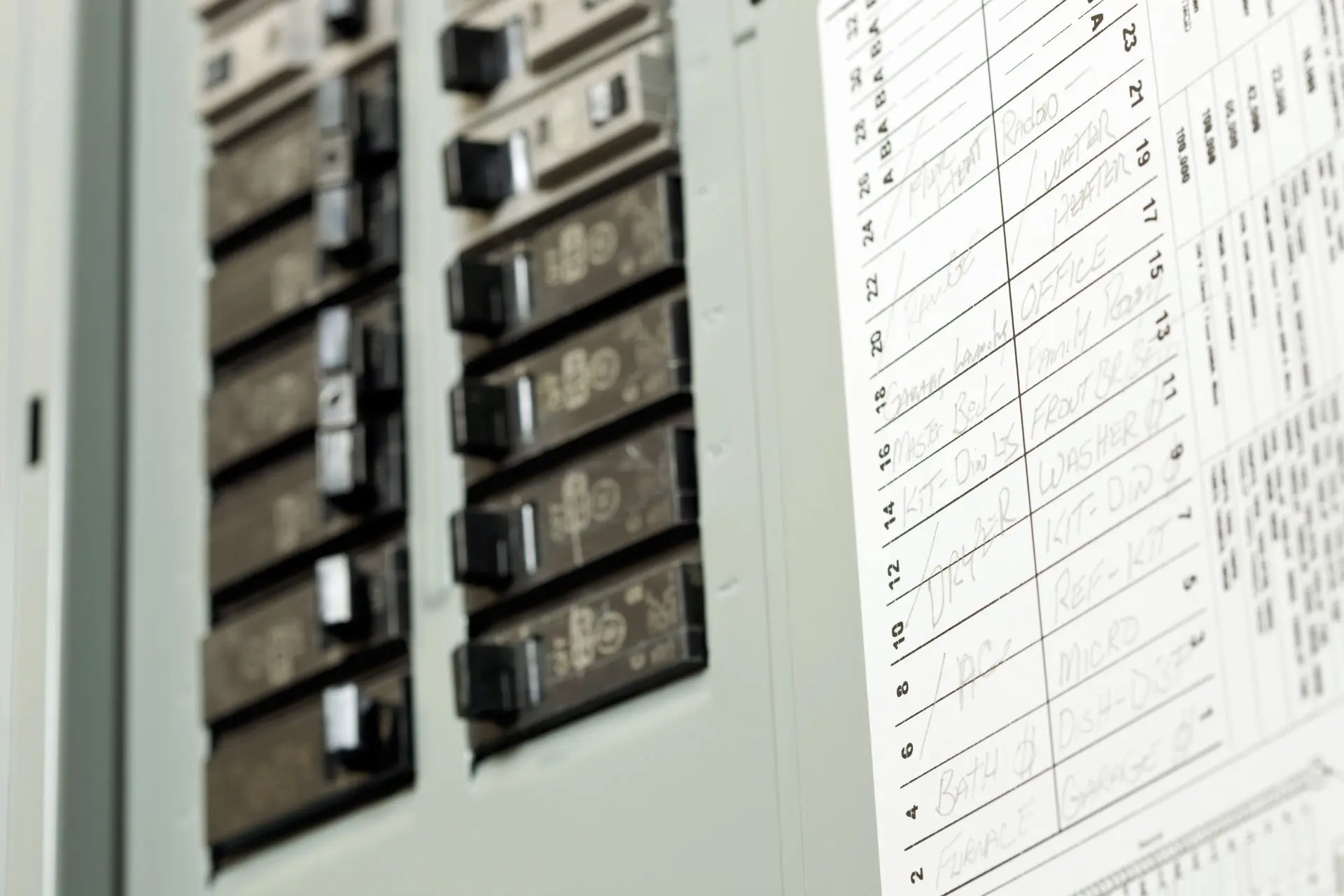
But before adding electrical capacity, make sure the existing system is safe and functioning properly.
Watch for:
- Frequently tripped breakers
- Flickering lights
- Buzzing outlets
- Burning smells
- Warm outlets
- Discolored switches
- Extension cords being used everywhere
- An outdated electrical panel
Once the system is safe and appropriately sized, you can move on to upgrades that improve functionality.
For example, if you're remodeling your kitchen, adding outlets and dedicated appliance circuits at the same time can make much more sense than waiting until after the remodel is complete.
5. Don't Ignore a Failing Water Heater
A water heater rarely becomes a problem at a convenient time.
It usually announces itself when you're standing in a basement or utility room wondering why there's suddenly water on the floor.
If your water heater is aging or showing warning signs, don't wait for complete failure.
Potential warning signs include:
- Rust-colored water
- Strange banging or popping sounds
- Water around the tank
- Inconsistent hot water
- Slow recovery
- Corrosion
- A noticeable drop in performance
Planning a replacement before an emergency gives you more time to compare options and choose the right system for your home.
6. Address Plumbing Leaks Early
Not every plumbing problem is an emergency, but leaks shouldn't become part of your home's permanent decor.
Even a small leak can eventually cause:
- Cabinet damage
- Flooring damage
- Mold or mildew
- Rot
- Higher water bills
- Damage to surrounding materials
Pay attention to moisture under sinks, around toilets, near tubs, and around appliances.
If you consistently have to put a towel underneath something to keep the floor dry, that's probably your home's way of telling you it's time to call a plumber.
7. Prioritize Repairs That Affect Your Home's Structure
Structural issues deserve professional attention.
Examples may include:
- Significant foundation cracks
- Sagging floors
- Sagging roofs
- Large wall cracks
- Damaged framing
- Structural movement
Not every crack is a structural emergency. Homes naturally settle, and minor cosmetic cracks can occur over time.
But large, rapidly changing, or unusual cracks should be evaluated rather than ignored.
The general rule is simple:
If you're unsure whether a problem is cosmetic or structural, get it checked out.
8. Then Look at Energy Efficiency
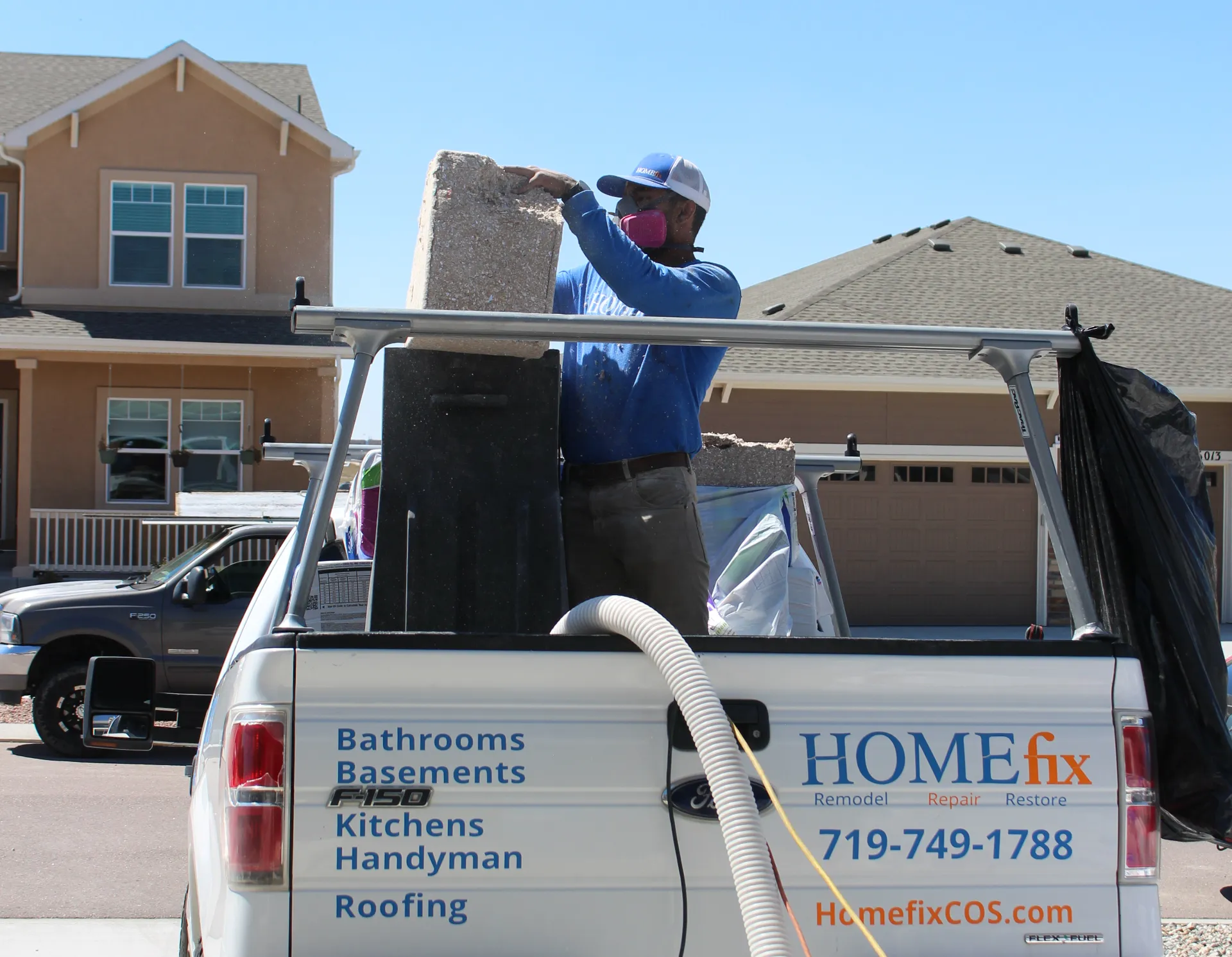
Once immediate safety and damage issues are handled, start looking at repairs that affect how efficiently your home operates.
This is particularly important in Colorado Springs.
Your home has to deal with hot summers and cold winters, which means your HVAC system can work hard throughout the year.
Potential energy-efficiency priorities include:
- Attic insulation
- Air sealing
- Drafty windows
- Poorly sealed doors
- Insufficient insulation
- Aging HVAC equipment
- Poor attic ventilation
You don't necessarily need to replace everything.
Sometimes a relatively targeted improvement can make a noticeable difference.
9. Start With Your Attic When Your Home Is Uncomfortable
If your home has rooms that are always too hot or too cold, investigate insulation before assuming you need a bigger HVAC system.
Poor attic insulation can contribute to:
- Hot upstairs bedrooms
- Cold ceilings
- Uneven temperatures
- Increased heating and cooling demand
- Higher utility bills
Attic insulation and air sealing can improve your home's thermal envelope and help your HVAC system operate more efficiently.
For many homeowners, this can be a more practical priority than cosmetic improvements that don't affect how the home performs.
10. Evaluate Drafty Windows and Doors
Windows and exterior doors can also contribute to energy loss.
Signs they may need attention include:
- Noticeable drafts
- Condensation between glass panes
- Difficult operation
- Damaged weatherstripping
- Cracked frames
- Failing seals
- Significant temperature differences near windows
Sometimes the solution is as simple as replacing weatherstripping or repairing the frame.
Other times, replacement windows or a new exterior door may make more sense.
The important thing is to identify the actual problem before spending money on a larger upgrade.
11. Fix Small Problems That Could Become Expensive
Some repairs aren't urgent today but become expensive when ignored for years.
Examples include:
- Cracked exterior caulk
- Damaged trim
- Peeling paint
- Loose siding
- Failing grout
- Small drywall cracks
- Loose gutters
- Damaged weatherstripping
These may not need to happen before an active leak or electrical hazard, but they shouldn't necessarily be ignored indefinitely.
Think of these as "prevent it before it becomes a problem" repairs.
12. Consider Your Home's Age
The age of your home should influence your repair priorities.
Older homes may have:
- Aging plumbing
- Older electrical systems
- Outdated insulation
- Older windows
- Aging roofing
- Inefficient HVAC
- Worn fixtures
- Deteriorating exterior materials
That doesn't mean everything in an older house needs to be replaced.
Instead, older homes benefit from a more thorough evaluation.
Knowing the age and condition of major systems helps you plan for future expenses rather than being surprised by them.
13. Think About the Cost of Waiting
One of the easiest ways to prioritize repairs is to ask:
"Will waiting make this more expensive?"
Consider a few examples.
A small roof leak
Fix it now → roofing repair.
Ignore it → insulation, drywall, framing, and interior repairs.
A slow plumbing leak
Fix it now → plumbing repair.
Ignore it → cabinet, flooring, and water-damage repairs.
Failing exterior caulk
Fix it now → simple maintenance.
Ignore it → potential moisture intrusion and material deterioration.
Aging water heater
Replace it proactively → planned replacement.
Wait for failure → emergency replacement and possible water damage.
The goal isn't to spend money as quickly as possible.
It's to avoid spending more money later.

14. Don't Forget Repairs That Affect Daily Life
Not every important home improvement is about preventing disaster.
Some repairs dramatically improve how you use your home.
These might include:
- Adding electrical outlets
- Improving lighting
- Repairing sticking doors
- Replacing broken cabinet hardware
- Improving storage
- Fixing damaged flooring
- Repairing drywall
- Updating bathroom fixtures
- Improving garage functionality
Once safety and damage issues are addressed, these projects can move higher on your list.
15. Separate Repairs From Remodeling
This distinction can help you manage your budget.
Repairs
Repairs restore something that's damaged or not functioning correctly.
Examples:
- Fixing a leak
- Repairing drywall
- Replacing a broken outlet
- Repairing a door
- Fixing damaged trim
Remodeling
Remodeling changes or improves the space.
Examples:
- Kitchen renovation
- Bathroom remodel
- Basement finishing
- New cabinetry
- Layout changes
You don't necessarily have to choose one or the other.
In fact, combining necessary repairs with a planned remodel can sometimes be more efficient.
When Does It Make Sense to Remodel Instead of Repair?
This is an important question.
Suppose your kitchen has:
- Damaged cabinets
- Poor storage
- Outdated electrical
- Old plumbing
- Worn flooring
- An inefficient layout
You could fix each problem separately.
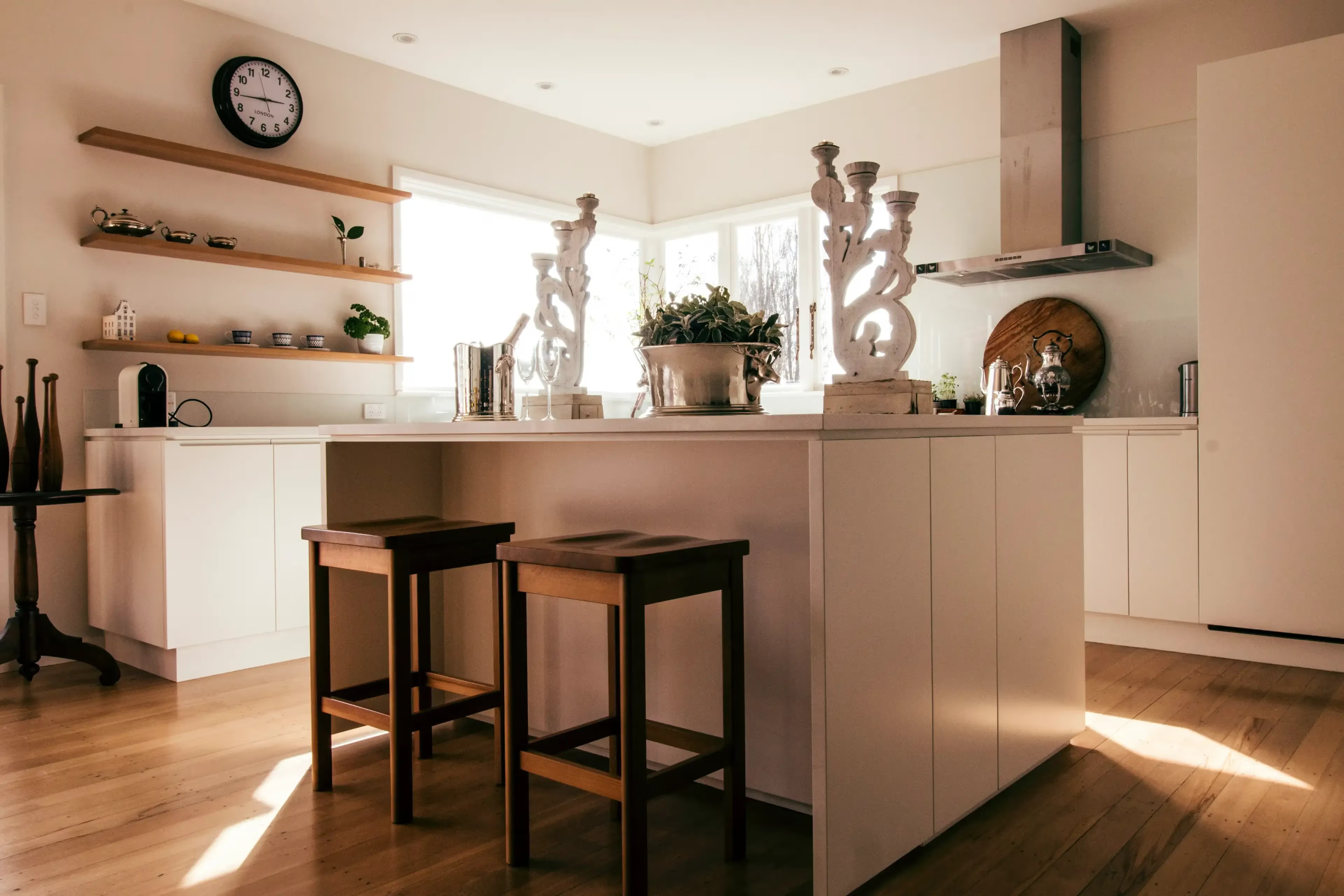
But if you're already investing significant money into the space, a comprehensive kitchen remodel may make more sense.
The same applies to bathrooms, basements, and other major spaces.
When multiple components need attention simultaneously, consider whether you're better off repairing individual problems or addressing the space as a whole.
Use the "One Project, Multiple Improvements" Strategy
If you're already hiring a contractor for one project, look for opportunities to address related issues while the work is underway.
For example, during a kitchen remodel, you might also:
- Add outlets
- Upgrade lighting
- Update plumbing
- Improve ventilation
- Replace insulation in accessible areas
- Repair drywall
During a bathroom remodel, you might:
- Update plumbing
- Improve electrical protection
- Replace exhaust ventilation
- Repair water-damaged drywall
- Upgrade lighting
This doesn't mean adding every possible upgrade.
It means considering whether there are improvements that make sense while the space is already being worked on.
Create a Home Repair Budget
Once you've identified your priorities, create a realistic budget.
Start by making three lists.
Now
These are safety issues, active leaks, serious damage, or failing systems.
Soon
These are repairs that aren't emergencies but could become more expensive if delayed.
Later
These are cosmetic upgrades, convenience improvements, and remodeling projects you want to complete eventually.
This simple system can make a long list feel much more manageable.
Keep a Running Home Maintenance List
Don't rely on memory.
Create a simple list or spreadsheet with:
- Repair needed
- Location
- Estimated cost
- Priority
- Date identified
- Contractor needed
- Target completion date
You can also include the age of major systems such as your:
- Roof
- Water heater
- HVAC
- Windows
- Appliances
Knowing what's coming allows you to budget before something fails.
Don't Let Cosmetic Projects Hide Bigger Problems
It's easy to focus on what you can see.
Fresh paint looks great.
New countertops look great.
New flooring looks great.
But if there's a leaking pipe behind the wall, the pretty new finishes won't solve the underlying problem.
Before spending heavily on cosmetic improvements, make sure the systems behind the finishes are in good condition.
Pretty is great. Functional is better.
What Should Colorado Springs Homeowners Prioritize?
Colorado's climate makes certain maintenance tasks particularly important.
Before Winter
Check:
- Roof
- Gutters
- Exterior caulking
- Windows
- Doors
- Weatherstripping
- Plumbing
- Insulation
After Winter
Look for:
- Roof damage
- Hail or wind damage
- Exterior deterioration
- Fence damage
- Water intrusion
Before Summer
Evaluate:
- Air conditioning
- Attic insulation
- Attic ventilation
- Windows
- Exterior paint
- Outdoor electrical
After a Major Hailstorm
Inspect:
- Roofing
- Gutters
- Siding
- Windows
- Exterior paint
- Outdoor structures
Colorado Springs weather can be unpredictable, so regular inspections can help catch damage early.
What If You Can't Afford Everything Right Now?
This is where prioritization becomes especially important.
You don't need to complete every project at once.
Instead:
Fix what is dangerous.
Stop what is causing damage.
Protect what is at risk.
Improve what affects efficiency and functionality.
Upgrade what you want when the budget allows.
A phased approach can be a perfectly reasonable way to improve your home.
The important thing is having a plan.
When Should You Call a Professional?
DIY repairs can be great for homeowners who have the right skills and tools.
But certain projects are better left to professionals.
Consider hiring a qualified professional for:
- Electrical work
- Plumbing
- Roofing
- Structural concerns
- Gas lines
- Major remodeling
- HVAC work
- Significant water damage
A professional can also help you determine whether a problem is actually what you think it is.
That can prevent you from spending money fixing the wrong thing.
How HOMEfix Can Help You Prioritize Your Home Repairs
Sometimes the hardest part of home maintenance isn't doing the work—it's figuring out where to start.
That's where HOMEfix can help.
Our team works with Colorado Springs homeowners on everything from small repairs and maintenance to major remodeling projects.
We offer one team, every service, including:
- Roofing
- Remodeling
- Electrical
- Plumbing
- Painting
- Drywall
- Windows
- Entry doors
- Insulation
- Siding
- Garage services
- Handyman services
Instead of coordinating several different contractors, you can work with one team that understands your home and your project goals.
Whether you need to fix one problem or finally tackle the home improvement list that's been growing for years, we can help you determine what should happen first.
Frequently Asked Questions
What home repairs should I prioritize first?
Start with safety hazards, active water leaks, structural problems, electrical issues, and anything that could cause significant additional damage. After those are addressed, prioritize preventative maintenance, energy efficiency, functionality, and cosmetic improvements.
Should I repair or replace something?
Consider the item's age, condition, repair cost, remaining lifespan, and whether additional problems are likely to develop. If several components in the same area are failing, a larger remodel or replacement may make more sense.
How do I prioritize home repairs on a limited budget?
Focus first on safety and problems that are actively causing damage. Next, address repairs that could become significantly more expensive if delayed. Cosmetic improvements can generally wait.
Should I fix my roof before remodeling my kitchen?
If your roof is leaking or experiencing significant damage, it should generally take priority over a cosmetic remodeling project. Protecting the structure of your home should come before improving its finishes.
How often should I inspect my Colorado Springs home?
Regular seasonal inspections can help identify problems early. It's particularly useful to inspect your home before and after Colorado's winter and severe storm seasons.
Is it cheaper to remodel or repair?
It depends on the situation. If one component is damaged, repairing it may be the most economical option. If multiple systems and finishes in the same space are outdated or failing, a complete remodel may provide better long-term value.
The Best Home Improvement Plan Is the One You Can Actually Follow
You don't have to fix everything at once.
In fact, trying to do everything at once can make homeownership feel unnecessarily overwhelming.
Instead, take a step back and look at your home as a whole.
Start with the problems that affect safety.
Then address anything causing active damage.
Next, focus on preventative maintenance and energy efficiency.
After that, tackle the projects that improve functionality and comfort.
And finally, enjoy the fun stuff—the paint colors, new finishes, updated fixtures, and remodeling projects you've been dreaming about.
A home improvement list doesn't have to be a source of stress. With the right priorities and a realistic plan, you can work through it one project at a time.
And if you don't know where to start, HOMEfix can help.
From the small repair you've been putting off to the kitchen remodel you've been planning for years, our one team, every service approach makes it easier to keep your Colorado Springs home safe, functional, comfortable, and ready for whatever comes next.