If you own an older home, you already know it’s got a personality. Maybe the floors creak in the same spot every morning. Maybe the walls aren’t perfectly straight. But those quirks are part of what make it yours.
The trick is keeping all that character without letting the house fall apart around you.
That’s what we’re talking about here — how to keep an older home running like new. Not by stripping away its history or replacing everything with modern materials, but by understanding what actually matters when it comes to maintenance, upgrades, and smart fixes that last.
After years of repairing and remodeling homes across Colorado Springs (some more than a century old) we’ve learned exactly what it takes to make an old home live comfortably in a modern world.
Step 1: Start with a Solid Checkup
You can’t maintain what you don’t understand.
Before you dive into upgrades, get a clear picture of what shape your home is actually in. That means more than just a quick walkthrough — it means a full systems check.
What to Inspect:
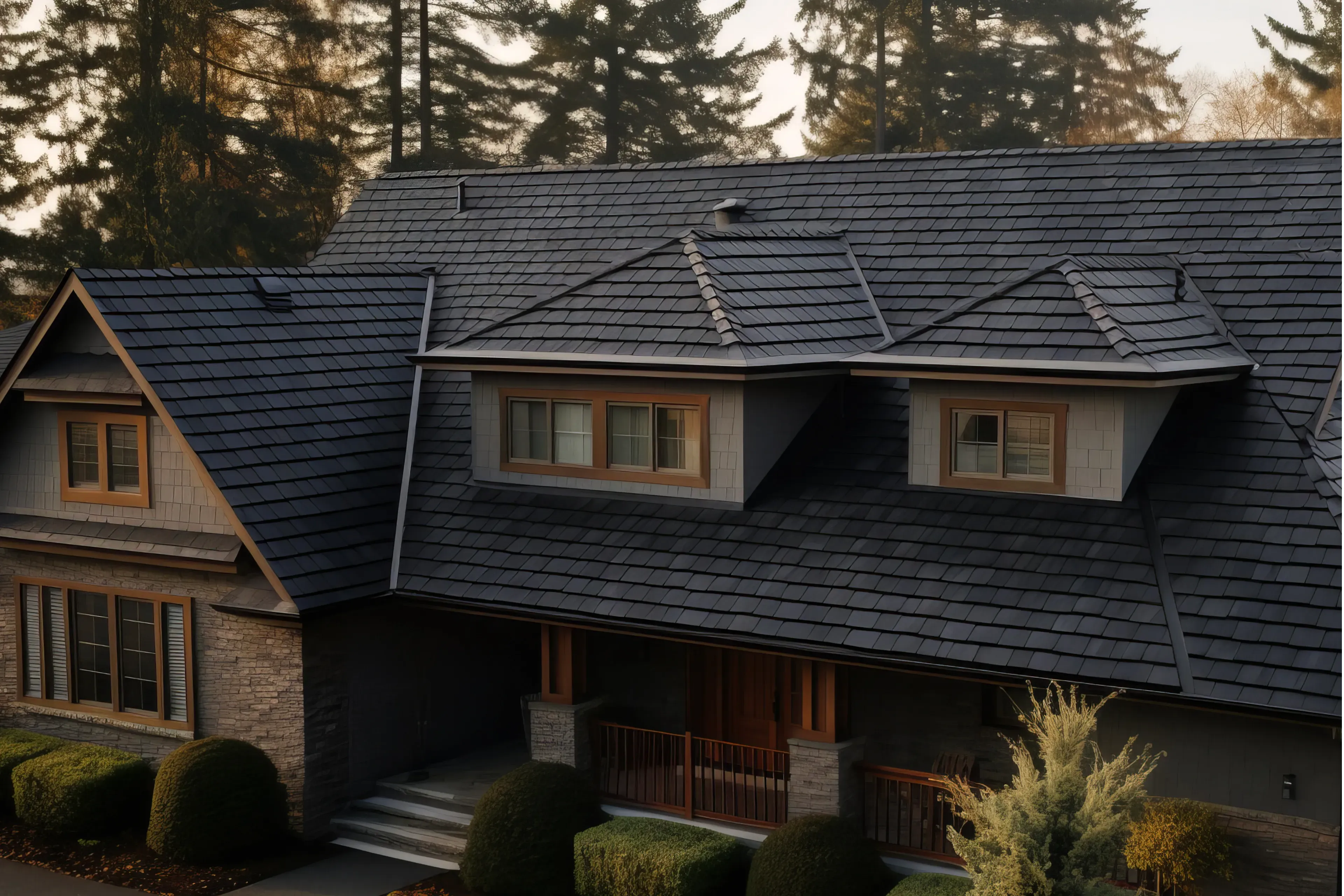
- Roof & Gutters: Look for curling shingles, flashing gaps, and sagging gutters. Small leaks here cause major problems later.
- Foundation: Check for cracks, moisture, and shifting. Hairline cracks aren’t always bad, but they should be monitored.
- Plumbing: Old galvanized or polybutylene pipes can be a ticking time bomb. Even small leaks can lead to hidden water damage.
- Electrical: If your home still has a fuse box or knob-and-tube wiring, upgrading isn’t optional — it’s a safety issue.
- HVAC: Older ductwork and inefficient systems can quietly waste money every month.
- Insulation & Ventilation: These are often overlooked but make a huge difference in comfort and energy efficiency.
Think of this like a physical for your home. You don’t have to fix everything at once — but knowing what’s healthy, what’s aging, and what’s failing helps you prioritize smartly.
Step 2: Focus on the Systems You Don’t See
Most homeowners are drawn to what’s visible — new cabinets, fresh paint, modern lighting. But the real value in an older home often comes from what’s behind the walls.
If you want your old home to run like new, your biggest wins will come from updating its core systems:
Electrical
Homes built before the 1980s often weren’t wired to handle today’s demand — phones, computers, appliances, HVAC, and all the chargers.
- Upgrade your panel to handle modern loads (we cover that in detail here).
- Replace outdated wiring before it becomes a fire risk.
- Add grounded outlets where you can — especially in kitchens, bathrooms, and basements.
Plumbing
- Cast iron, galvanized steel, and polybutylene pipes were all common in older homes — and all have their limits.
- If your water pressure fluctuates or you notice discolored water, that’s a sign your pipes are corroding.
- Upgrading to PEX or copper is one of the smartest investments you can make in a home’s long-term health.
HVAC
- If your furnace or boiler is more than 15–20 years old, it’s costing you more than you think.
- Modern systems aren’t just more efficient — they’re quieter, cleaner, and safer.
- Don’t forget the ductwork. Leaky ducts can waste up to 30% of your heating and cooling.
It’s not glamorous work, but it’s what keeps a house reliable. You’ll thank yourself every time the lights don’t flicker, the pipes don’t burst, and the heat actually reaches the upstairs bedrooms.

Step 3: Protect It from Water. Always.
Water is an old home’s worst enemy. It’s quiet, it’s sneaky, and it ruins everything it touches.
Here’s where to stay vigilant:
- Roof: Keep up with inspections, especially after storms or heavy snow. Missing shingles = moisture waiting to happen.
- Gutters: Clean them twice a year and make sure downspouts drain away from the foundation.
- Bathrooms: Reseal grout and caulk every couple of years. It’s tedious, but it prevents mold and rot.
- Basements: Add a sump pump or waterproofing system if you’ve got regular dampness.
- Outside: Check grading around your home — the ground should slope away from your foundation.
If you handle water right, you prevent 80% of the damage we see in older homes.
Step 4: Keep Original Features — But Make Them Work Harder
The beauty of an old home is in its details — the trim, the doors, the floors, the windows. But original doesn’t always mean efficient.
The goal is to preserve character and improve function.
Windows
You don’t always have to replace old wood windows. Sometimes all they need is new glazing, weatherstripping, and a storm window. You keep the craftsmanship and gain insulation.
Floors
Old hardwood can outlast any new flooring on the market if it’s cared for. Sanding, refinishing, and sealing can make it look new without losing its history.
Doors & Trim
Older woodwork was milled differently — solid, heavy, and worth keeping. Repair what you can; repaint or restain if needed.
When you mix preservation with performance, you end up with a home that feels authentic and lives better.
Step 5: Don’t Skip Energy Efficiency
Older homes weren’t designed for modern comfort. But that doesn’t mean you can’t retrofit them to perform like new.
Here’s where you’ll see the biggest difference:
- Insulation: Attics, crawl spaces, and walls — especially uninsulated exterior walls — are the first places to improve.
- Windows & Doors: Weatherstripping and proper sealing make a bigger impact than most people think.
- Air Sealing: A home that “breathes” too much is really just leaking energy.
- Lighting: Switching to LEDs is a small fix that cuts costs immediately.
If you want to go further, consider an energy audit. It’s like a diagnostic test for your house, showing exactly where you’re losing heat or wasting electricity.
Step 6: Make Smart Updates, Not Trendy Ones
It’s tempting to want every room to look “current.” But when you’re working with an older home, timeless beats trendy every time. Make updates that fit the home, not just the moment.
If you’ve got a 1920s bungalow, lean into craftsmanship and simplicity. If you’ve got a 70s ranch, play up clean lines and mid-century warmth.
When upgrades respect the bones of the home, they don’t just look better, they last longer.
And when it’s time to sell, buyers can tell the difference between a remodel that honors the home’s age and one that just slapped on 2025’s trending tile.
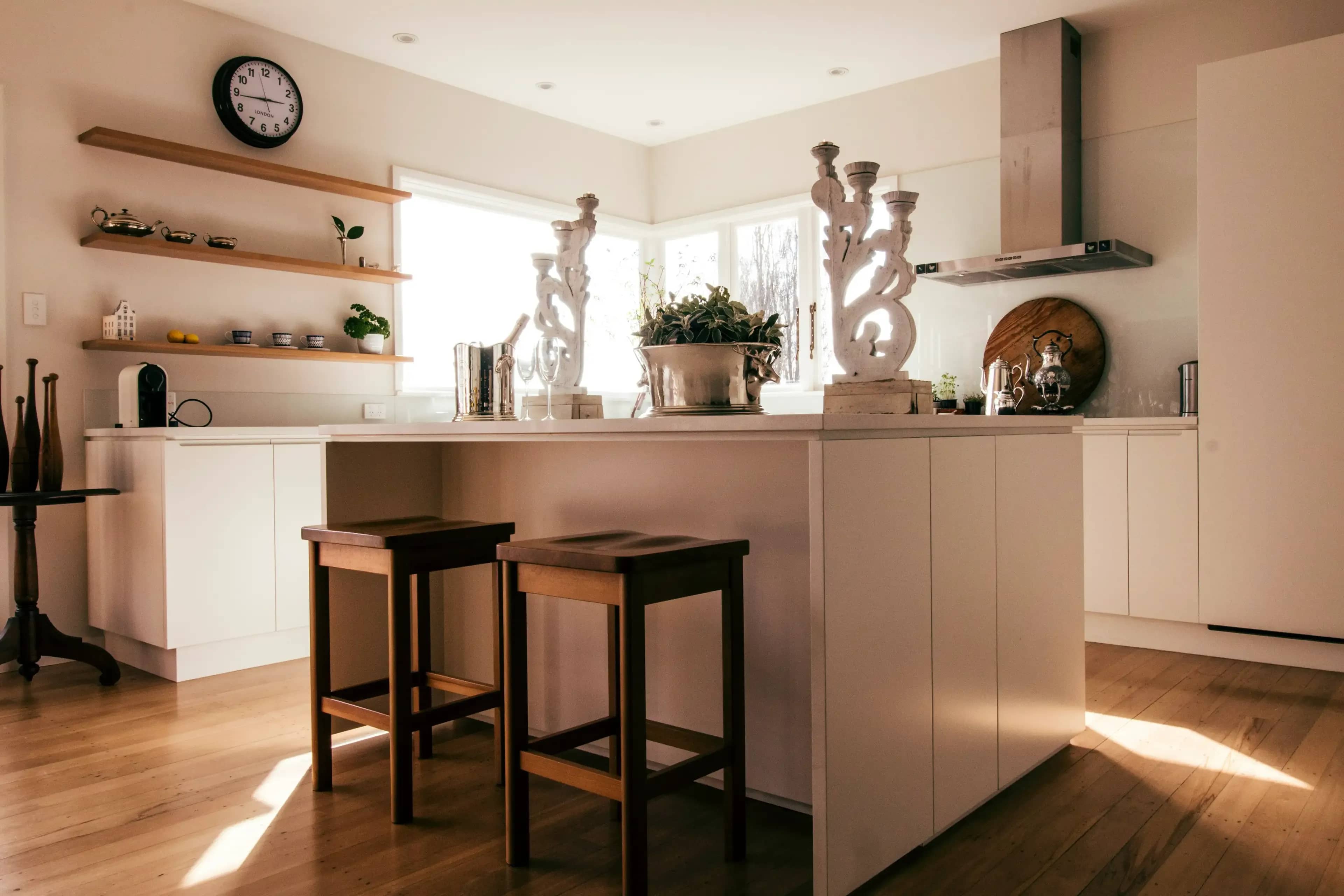
Step 7: Create a Maintenance Plan (and Actually Follow It)
This is where most people fall short. Not because they don’t care, but because maintenance gets buried under everything else in life.
The key is to treat your house like a system. Every piece affects another.
Here’s a simple yearly rhythm to use:
Spring
- Clean gutters and downspouts
- Check for winter roof damage
- Inspect grading and drainage
- Test sump pump
- Service HVAC for cooling
Summer
- Repaint trim or siding touch-ups
- Check caulking around windows and doors
- Power wash decks and patios
- Test smoke and CO detectors
Fall
- Clean gutters again
- Service heating system
- Insulate outdoor spigots
- Seal up air leaks before cold weather
Winter
- Check attic insulation
- Monitor for ice dams
- Watch for condensation on windows or walls
Following this routine doesn’t take much time — but it prevents expensive surprises.
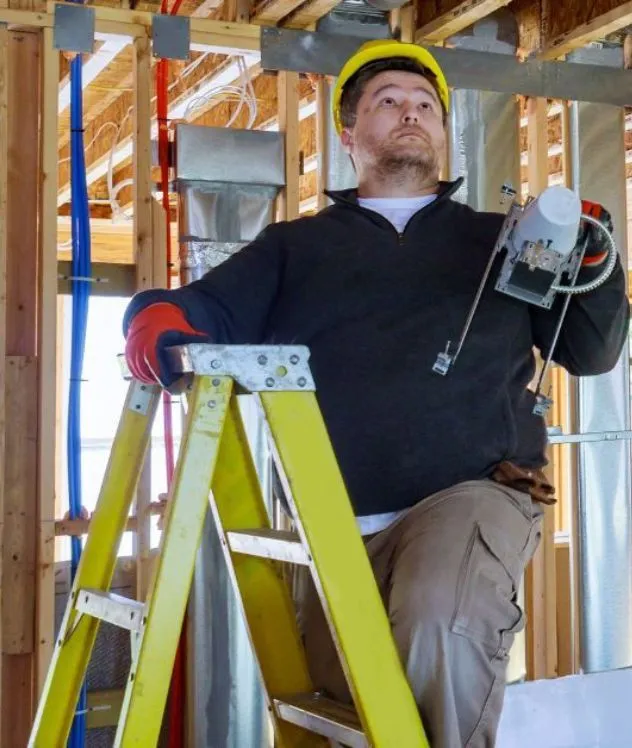
Step 8: Know When to Call the Pros
DIY has its place. Painting, light carpentry, simple plumbing fixes — go for it. But when it comes to structural issues, electrical, or anything behind the walls, it’s time to bring in help.
Here’s a good rule of thumb:
If the mistake could cause a fire, flood, or collapse: don’t DIY it.
Over the years, we've see a lot of “good intentions” that end up costing more to fix than they would’ve to do right the first time. Sometimes the smartest thing you can do for your home is know your limits.
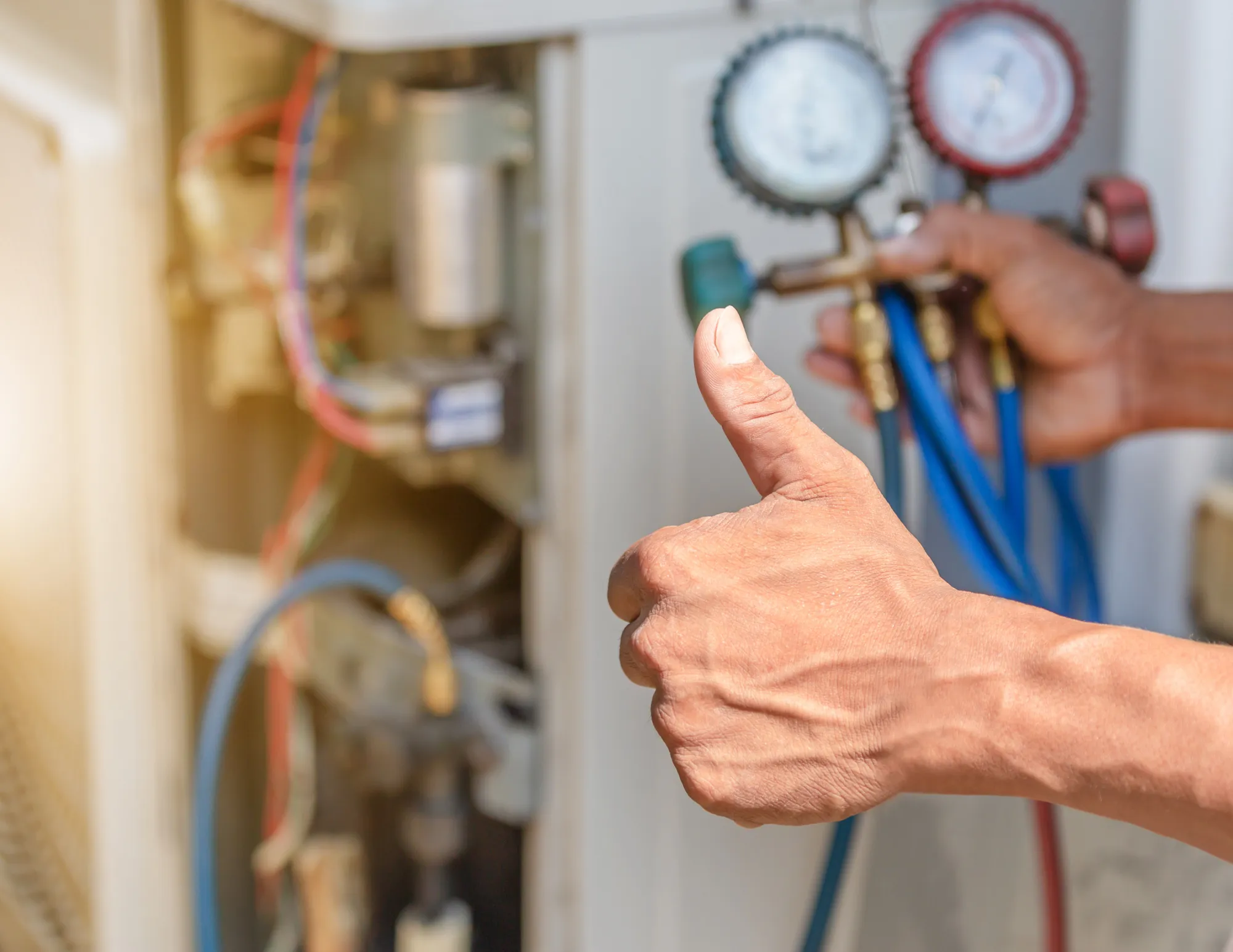
Step 9: Modernize Where It Matters Most
Not every update has to be invisible. Some are worth the investment simply because they make daily life easier and more comfortable.
- Smart thermostats improve energy efficiency and comfort.
- Tankless water heaters save space and deliver endless hot water.
- Updated kitchens and baths add real value and livability — especially when done with quality materials.
- New insulation and windows make every season more comfortable.
You can keep your old home’s charm while giving it the upgrades that make modern living smoother. That’s the sweet spot.
Step 10: Respect Its Story
Finally, remember why you bought an old home in the first place.
It’s got history. Maybe a little mystery. Maybe a few odd corners or quirks that make it unlike anything being built today.
Keeping an old home running like new doesn’t mean erasing its past. It means protecting it so it can keep doing what it was built to do: provide shelter, warmth, and a sense of place.
When you care for an old home the right way, you don’t just maintain it. You extend its life. You become part of its story.
And trust us, that’s worth every bit of work it takes.
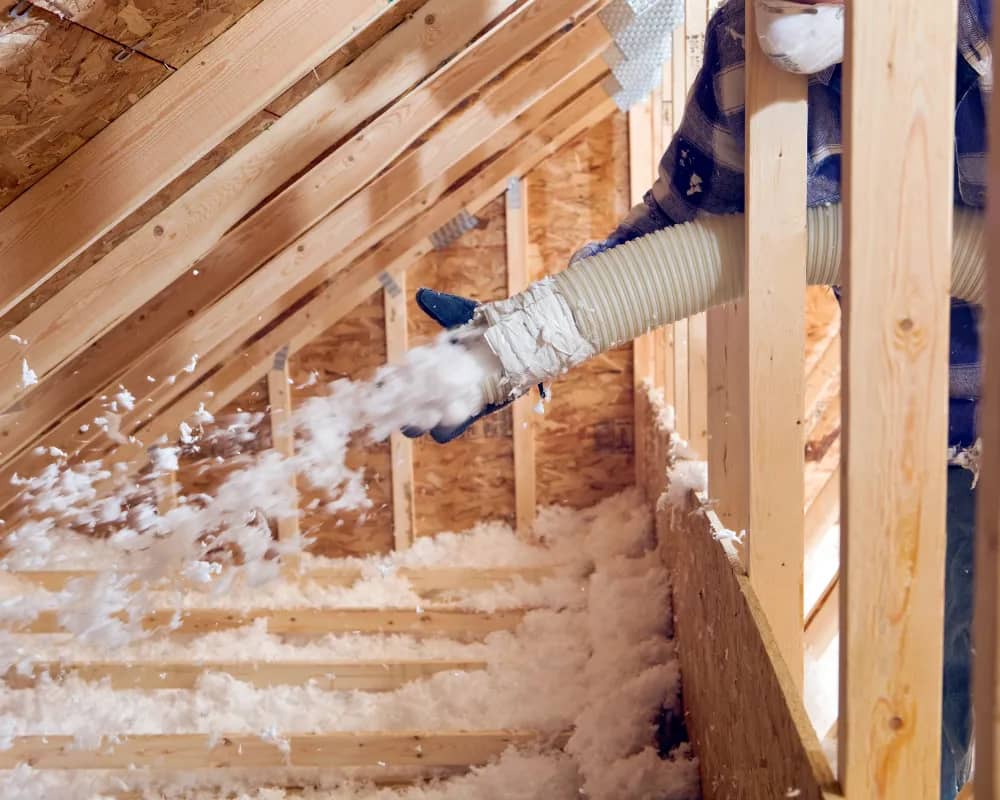
Step 9: Modernize Where It Matters Most
Not every update has to be invisible. Some are worth the investment simply because they make daily life easier and more comfortable.
- Smart thermostats improve energy efficiency and comfort.
- Tankless water heaters save space and deliver endless hot water.
- Updated kitchens and baths add real value and livability — especially when done with quality materials.
- New insulation and windows make every season more comfortable.
You can keep your old home’s charm while giving it the upgrades that make modern living smoother. That’s the sweet spot.
Step 10: Respect Its Story
Finally, remember why you bought an old home in the first place.
It’s got history. Maybe a little mystery. Maybe a few odd corners or quirks that make it unlike anything being built today.
Keeping an old home running like new doesn’t mean erasing its past. It means protecting it so it can keep doing what it was built to do: provide shelter, warmth, and a sense of place.
When you care for an old home the right way, you don’t just maintain it. You extend its life. You become part of its story.
And trust us, that’s worth every bit of work it takes.
Final Thoughts
If you’re ready to get serious about maintaining yours — or you’re not sure where to start — we can help with that. Whether it’s updating your electrical system, replacing a boiler, or finally fixing that drafty room that never stays warm, our team knows how to make older homes live better.
Because with the right care, an old home doesn’t just run like new — it runs better than new.