Okay, let’s be real: unless you’re living in a hermetically sealed container, your home’s air is likely full of dust, pet dander, and, probably, the last remnants of the leftovers you forgot about in the back of the fridge. You don’t need to be an expert to know that clean air is important, but if you’re like most homeowners, you’re not exactly treating your air like it’s a 5-star hotel for your lungs.
Let’s talk about improving your air quality. It’s easier than you think—and frankly, it’s 2025. Time to stop breathing like you’re in the middle of a foggy swamp. Here are five steps to make sure your air isn’t actively trying to give you a respiratory condition.
1. Invest in an Air Purifier
You can’t just rely on the same air filtration your house had in 1995. That “air purifier” you’ve got sitting in the corner is probably just a glorified fan with a fancy filter in it, moving dust around like it’s auditioning for a cleaning company. Invest in a real air purifier that’s designed to trap particles and, you know, actually clean the air. You'll love how it works, and your lungs will send you a thank-you note.
Pro Tip: Get one that works in all rooms, not just the one where you’re watching TV. Air isn’t loyal—it spreads around.
2. Keep Your Home Clean
Cleaning your home seems like an obvious solution, but here’s the catch: it’s not just about making your space look pretty. Dust, pet hair, pollen, and your kid’s art project from 2019 are all floating around, and you’re just letting them breathe freely. Vacuum regularly and wipe down surfaces to get rid of all the allergens hiding in plain sight. Your lungs will thank you, and maybe you’ll finally stop sneezing at 3 a.m.
3. Open Windows
Let the fresh air in, people. We’re not living in a fortress (unless you are, and in that case, what are you hiding?). Opening windows can allow fresh, clean air to circulate, flushing out the stale, dust-filled air that’s been hanging around longer than your 2008 décor.
Pro Tip: Try to open windows on opposite sides of the house for cross-ventilation. This will ensure your air gets a good workout.
4. Control Humidity
Humidity isn’t just for tropical islands or your skin after a long hot shower. It’s also a breeding ground for mold and mildew, which, let’s face it, you don’t want anywhere near your house. Get a dehumidifier for areas prone to moisture like the bathroom or basement, and keep humidity levels at a respectable 30-50%. That way, you won’t have to be afraid of your walls growing their own ecosystem.
5. Get Some Houseplants
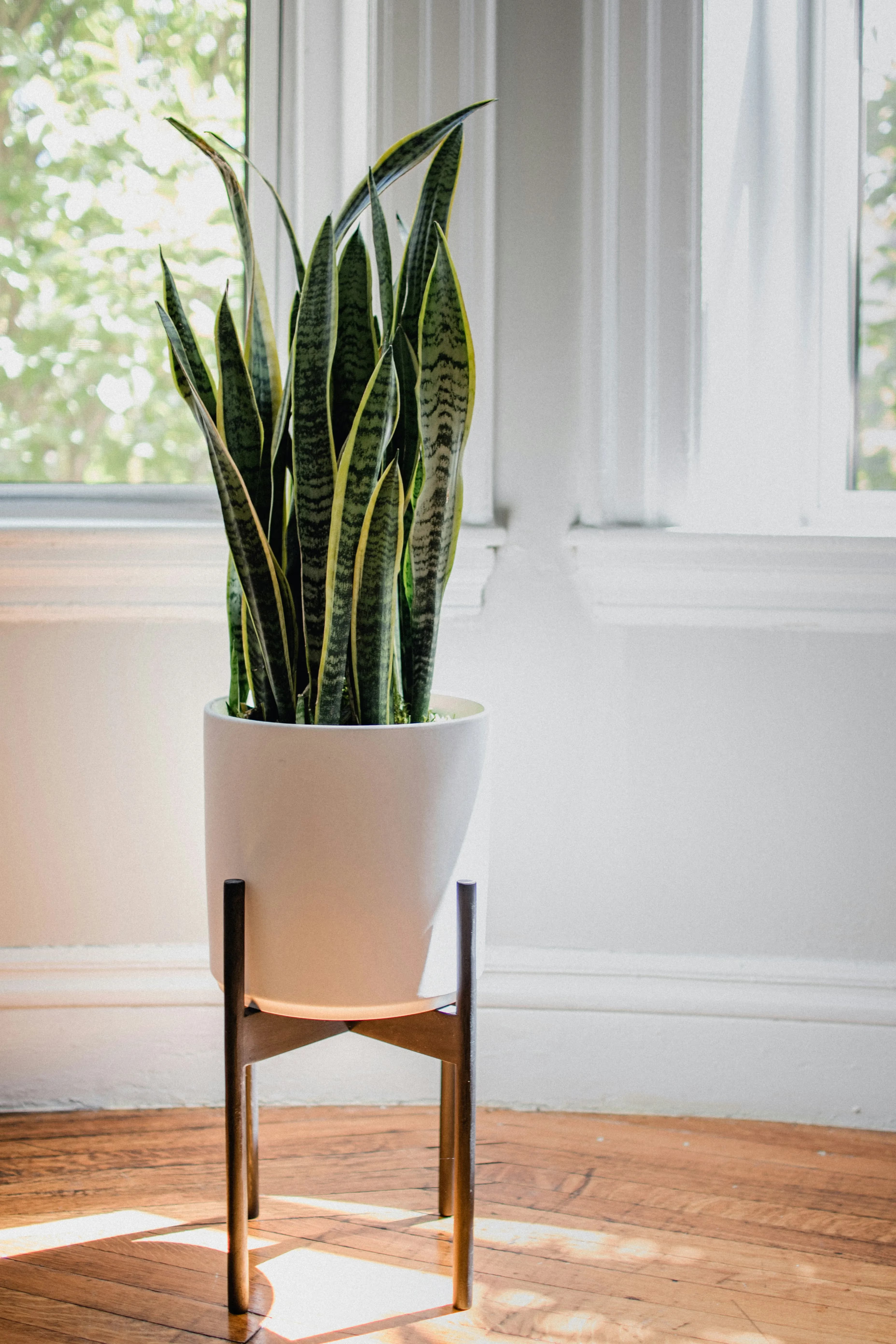
Yes, you can buy plants at the store and feel good about yourself for adding a little greenery to your space—but did you know they actually help with your air quality? Some houseplants absorb toxins and produce oxygen, helping to keep your indoor air cleaner. They’re like eco-friendly roommates that don’t eat your snacks.
Pro Tip: Avoid plants like the “poisonous to pets” variety, unless you like playing an intense game of “will my dog eat that?” for a few weeks.
In the end, improving your home’s air quality doesn’t have to be rocket science. Just a few simple steps—like investing in an air purifier, keeping things clean, and letting in a little fresh air—can make a huge difference. You’ll breathe easier, feel better, and maybe even start smelling the fresh air you’ve been ignoring all these years. So, do your lungs a favor and start improving your home’s air quality today. Your future self (and your sinuses) will thank you.