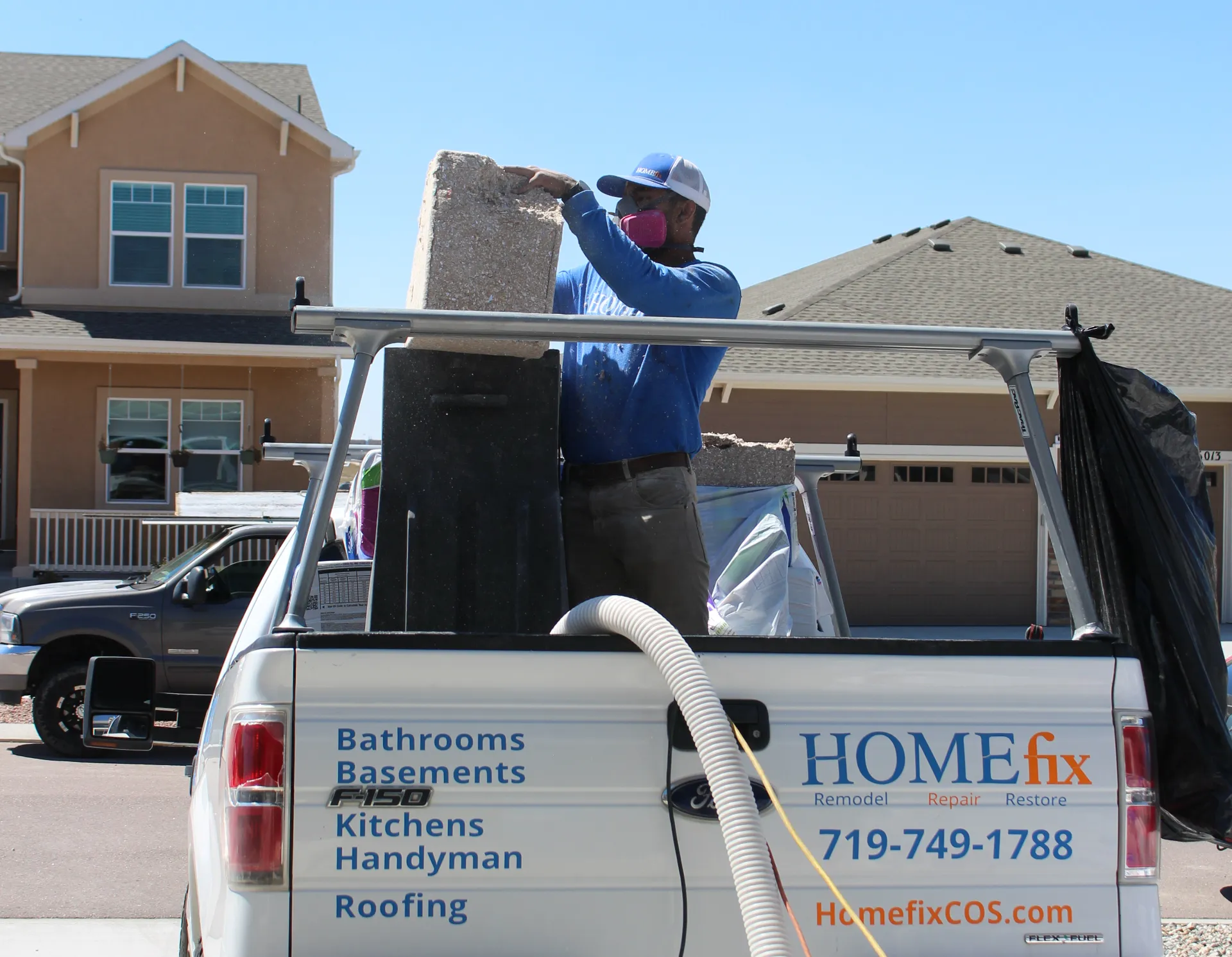
If your Colorado Springs home feels freezing in the winter, overheated in the summer, or like your energy bills are higher than they should be, your insulation could be part of the problem.
Insulation plays a major role in how well your home maintains a comfortable temperature. It helps slow the transfer of heat between your living space and the outdoors, allowing your heating and cooling systems to work more efficiently.
For homeowners in Colorado Springs, effective insulation is especially important. Our homes experience cold winters, hot sunny summers, high winds, significant temperature swings, and intense sunlight. Those conditions can put considerable stress on your home's thermal envelope.
The good news is that improving insulation doesn't necessarily mean tearing apart your entire house. Depending on the age and construction of your home, relatively targeted upgrades to the attic, walls, floors, or other areas can make a meaningful difference.
Here's what Colorado Springs homeowners should know about improving home insulation, identifying problem areas, and deciding which upgrades are worth considering.
Why Is Home Insulation So Important?
Think of insulation as a barrier between your home's conditioned air and the outdoor environment.
During winter, your furnace heats the air inside your home. Without sufficient insulation, that heat can escape through the attic, walls, ceilings, floors, and other areas of the building envelope.
During summer, the opposite happens. Outdoor heat enters your home, forcing your air conditioner to work harder to maintain your desired indoor temperature.
Good insulation helps slow both processes.
That can lead to:
- More consistent indoor temperatures
- Reduced drafts
- Better energy efficiency
- Less HVAC strain
- Improved comfort
- Lower heating and cooling costs
- A quieter home
Insulation isn't just about saving money. It's about making your home perform better.
Why Colorado Springs Homes Need Good Insulation
Colorado Springs has a unique climate that makes insulation particularly important.
Homeowners deal with:
- Cold winter temperatures
- Hot summer afternoons
- Strong sunlight
- High elevation
- Dry air
- High winds
- Rapid temperature changes
- Snow and ice
A home that isn't properly insulated can lose conditioned air quickly.
The problem can be particularly noticeable in older Colorado Springs homes that were built before today's energy-efficiency standards and materials were widely used.
1. Start With Your Attic
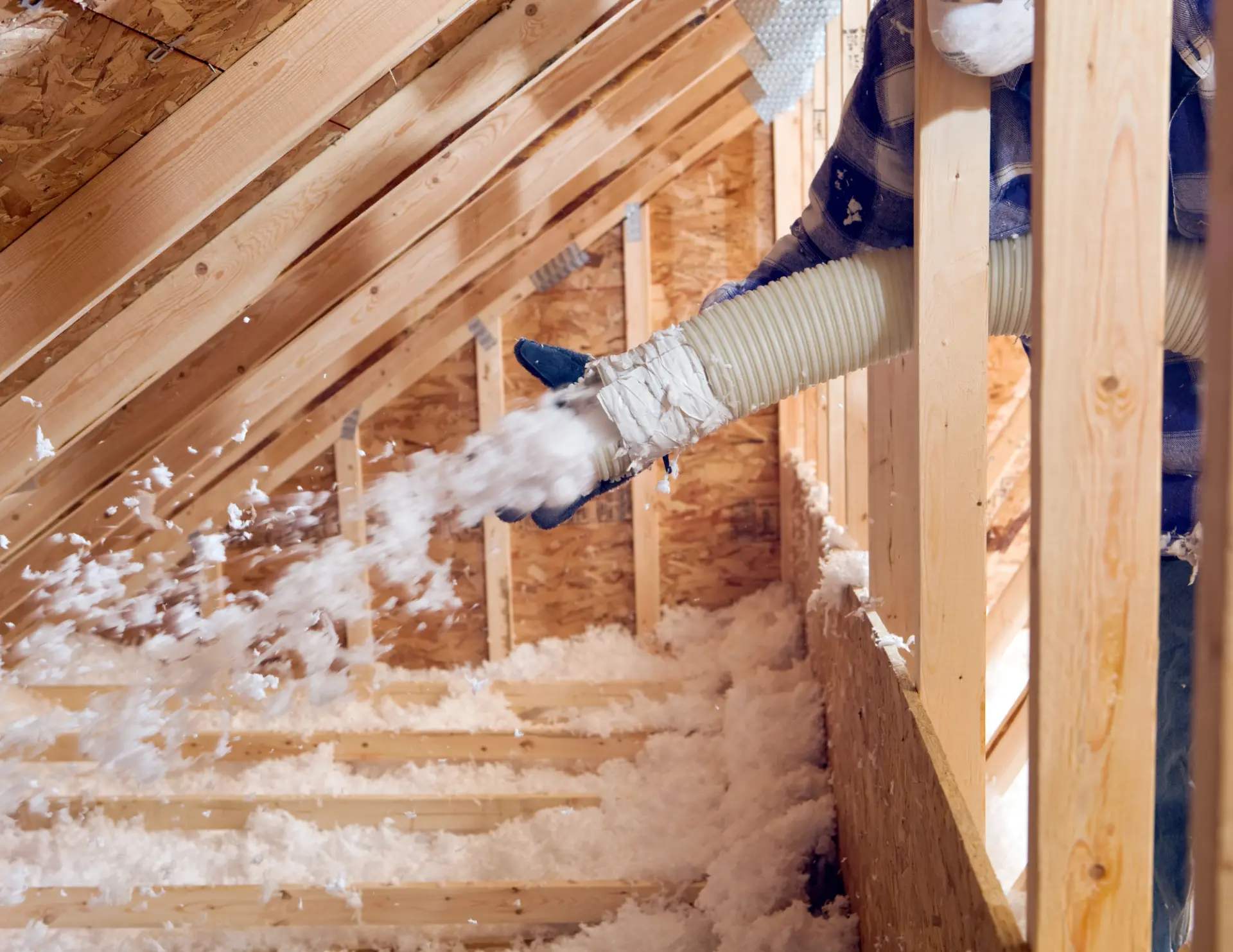
If you're looking for the biggest opportunity to improve home insulation, start with the attic.
Heat rises.
During winter, warm air naturally moves toward the attic. Without adequate insulation, that heat can escape through the ceiling.
During summer, your attic can become extremely hot, transferring heat downward into the living space.
Because the attic is exposed to the roof above and the conditioned space below, it can have a major impact on your home's overall energy performance.
Signs your attic may need more insulation:
- Upstairs rooms are much hotter than downstairs
- Your HVAC runs constantly during summer
- Your home feels drafty
- Heating bills are unusually high
- Insulation appears thin or uneven
- You can see ceiling joists through the insulation
- Certain rooms are consistently uncomfortable
Adding attic insulation is often one of the most practical ways to improve a home's energy efficiency.
2. Check Your Existing Insulation
Before adding insulation, determine what you already have.
Older homes may have insulation that is:
- Too thin
- Uneven
- Compressed
- Damaged
- Moisture-affected
- Settled over time
Simply looking into your attic can reveal obvious problems.
If insulation is missing from certain areas or appears significantly thinner than surrounding sections, those areas may be contributing to heat loss.
However, insulation levels can vary throughout a home, so a professional assessment can provide a much clearer picture.
3. Understand R-Value
When shopping for insulation, you'll often see the term R-value.
R-value measures how well insulation resists heat flow.
Generally, a higher R-value means greater resistance to heat transfer.
The appropriate R-value depends on:
- Climate
- Location within the home
- Building design
- Existing insulation
- Construction type
For Colorado Springs homeowners, attic insulation typically deserves particular attention because of the temperature extremes experienced at the roofline.
A professional can evaluate your existing insulation and recommend an appropriate improvement rather than simply adding material without considering the entire system.
4. Don't Forget Air Sealing
One of the biggest insulation mistakes homeowners make is focusing only on the insulation itself.
Insulation and air sealing are different.
Insulation slows heat transfer.
Air sealing reduces the movement of air through gaps and cracks.
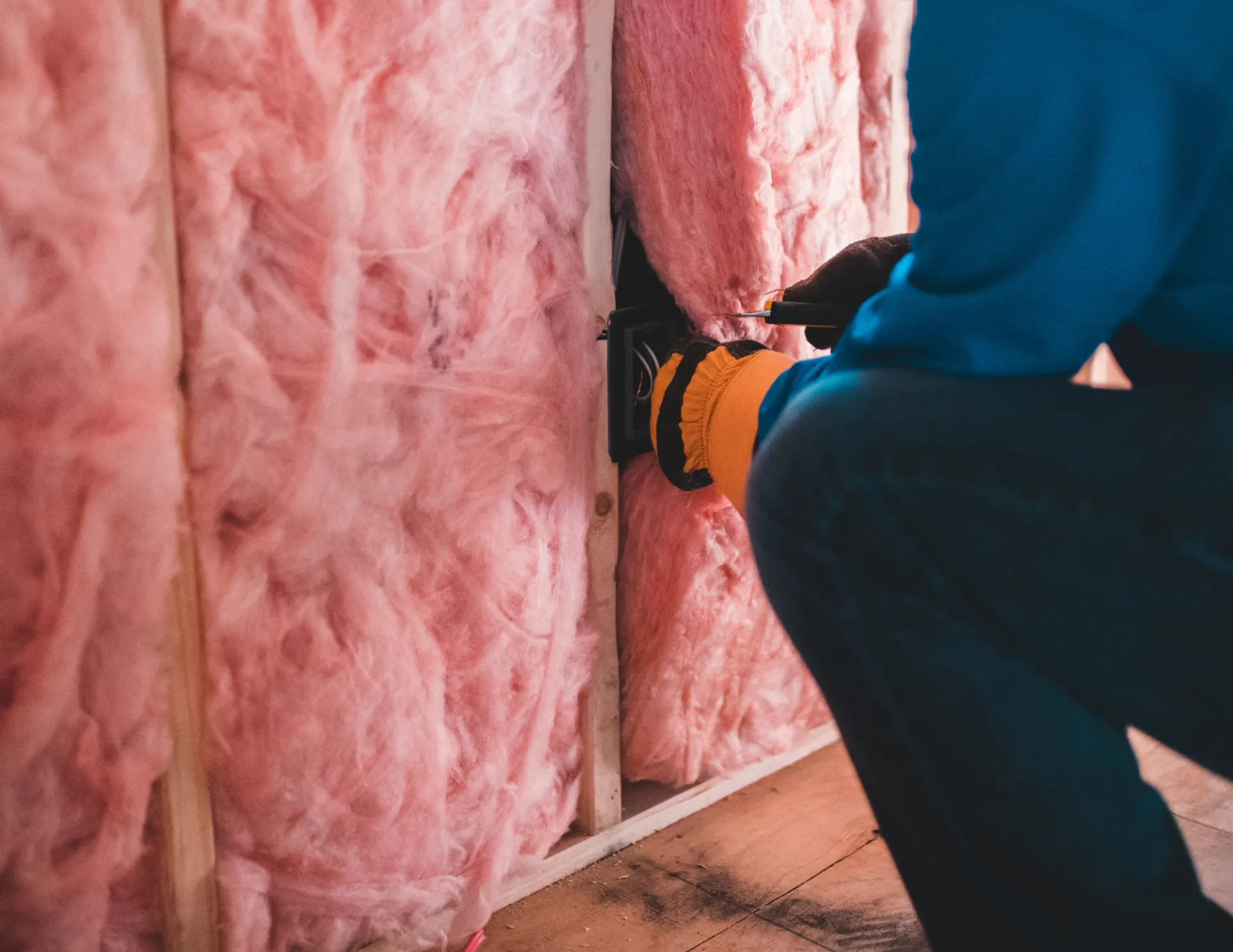
Your home can have plenty of insulation but still lose conditioned air through openings around:
- Electrical penetrations
- Plumbing
- Ductwork
- Recessed lights
- Attic hatches
- Chimneys
- Vents
- Wall cavities
Sealing these areas before adding insulation can improve the overall effectiveness of the upgrade.
5. Insulate Around the Attic Hatch
The attic access hatch is an often-overlooked source of heat loss.
If it's simply a piece of plywood or drywall with no insulation or weatherstripping, warm air can escape through the opening.
A properly insulated and sealed attic hatch can help maintain the separation between your conditioned living space and the attic.
This is a relatively small area, but it's another example of why energy efficiency depends on the details.
6. Evaluate Your Exterior Walls
Attic insulation is usually the easiest place to start, but walls can also contribute to heat loss.
Older homes may have insufficient wall insulation, particularly if they've undergone previous renovations or additions.
Signs of potential wall insulation problems include:
- Exterior walls that feel unusually cold
- Rooms that are difficult to heat
- Large temperature differences between rooms
- High energy bills
- Drafts around walls and outlets
Adding wall insulation can be more complicated than upgrading an attic because access may require opening walls.
For that reason, it's often most practical to evaluate wall insulation during a remodeling project.
7. Insulate Floors Above Unconditioned Spaces
If your home has rooms above:
- Garages
- Crawl spaces
- Unconditioned basements
those floors may benefit from additional insulation.
A poorly insulated floor can create noticeable cold spots, particularly during winter.
Bedrooms above garages are a common example.
If a room over your garage is consistently colder than the rest of the home, insulation between the garage and living space could be part of the solution.
8. Don't Ignore Your Garage
Garages are frequently overlooked when homeowners think about insulation.
An attached garage can affect adjacent rooms and may become extremely hot in the summer and very cold in the winter.
Insulating the:
- Garage walls
- Garage ceiling
- Garage door
can help moderate temperatures and reduce heat transfer into nearby living areas.
This is particularly useful if you use your garage as a workshop, gym, storage area, or hobby space.
9. Consider Your Windows and Doors
Insulation isn't the only part of your home's thermal envelope.
Windows and exterior doors can also allow significant heat transfer.
Older windows may have:
- Single-pane glass
- Failed seals
- Drafty frames
- Damaged weatherstripping
Likewise, exterior doors may have gaps around the frame or bottom threshold.
If you're improving home insulation, evaluate the entire building envelope rather than focusing on one component.
In some homes, replacing old windows or improving door weatherstripping can complement insulation upgrades.
10. Check Your Attic Ventilation
It may seem counterintuitive, but insulation and ventilation need to work together.
Your attic should be properly ventilated to help manage heat and moisture.
A well-designed attic ventilation system can help:
- Reduce excessive heat buildup
- Control moisture
- Protect roofing materials
- Improve attic conditions
- Support the long-term performance of insulation
However, ventilation shouldn't be treated as a replacement for insulation.
You need both systems to perform their respective jobs.
How Do You Know If Your Home Needs More Insulation?
There are several warning signs.
Uneven Temperatures
If one room is always colder or hotter than another, insulation or air leakage could be contributing.
High Energy Bills
Increasing heating and cooling costs may indicate your home is losing conditioned air.
Drafts
Feeling cold air around ceilings, windows, doors, or outlets can indicate air leakage.
Ice Dams
Although less common in every Colorado home, ice buildup along roof edges can sometimes indicate heat escaping into the attic.
Hot Upstairs Rooms
If your second floor feels significantly warmer during summer, inadequate attic insulation or air sealing may be part of the problem.
Old or Damaged Insulation
If your insulation is decades old, it may no longer provide the performance your home needs.
What Type of Insulation Is Best for Colorado Springs?
There's no single insulation product that's right for every home.
Common types include:
Fiberglass
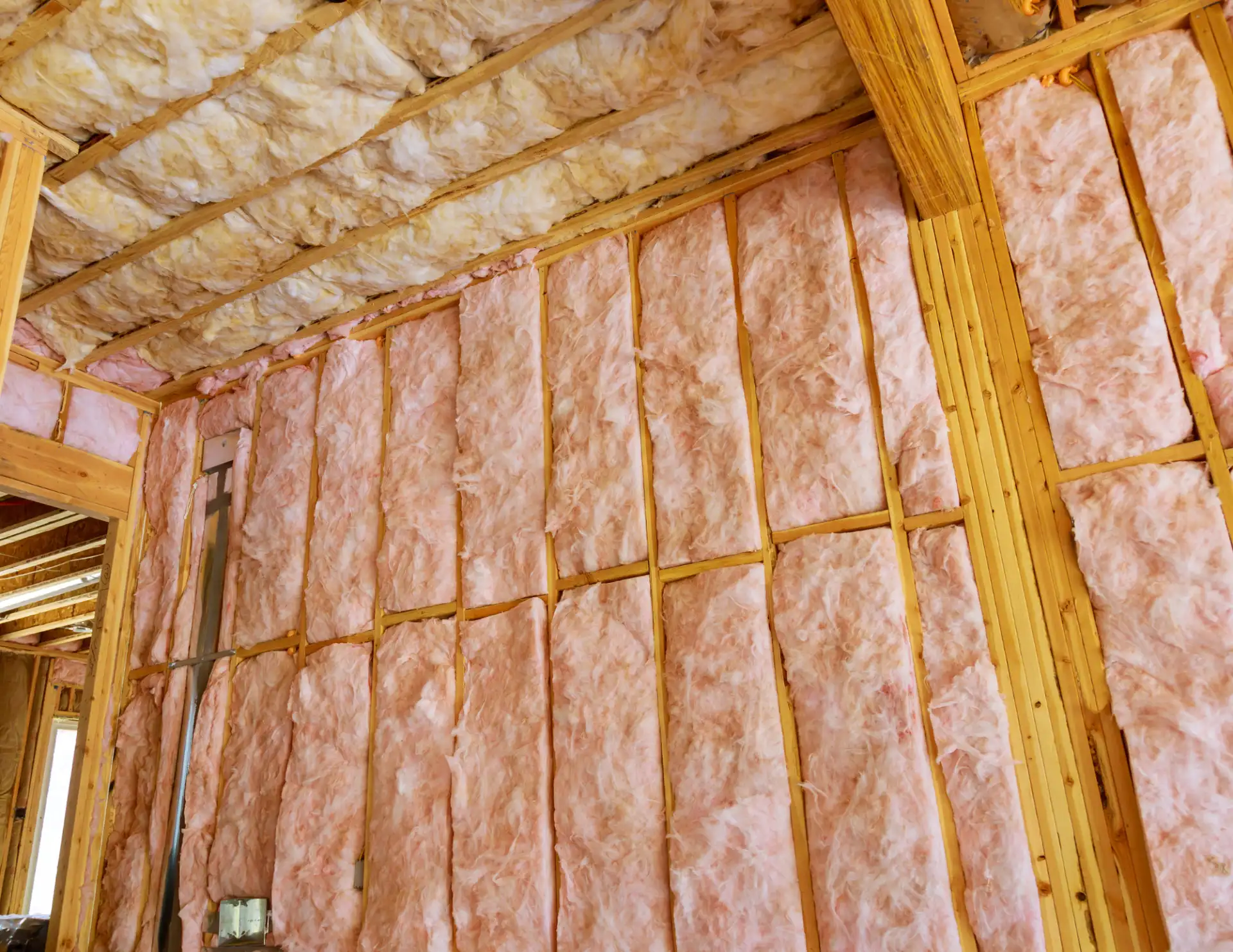
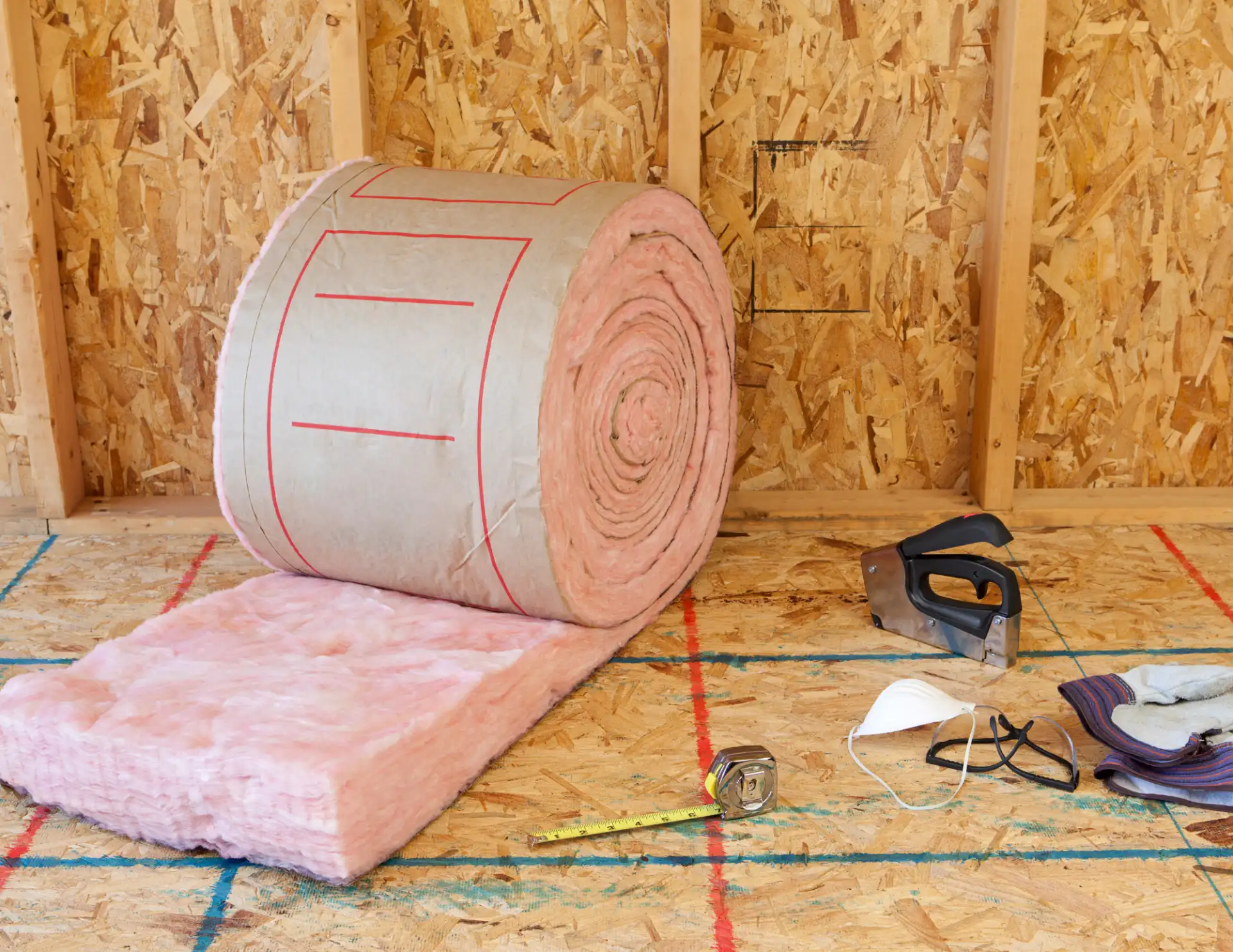
Fiberglass insulation is widely used and available in both batt and blown-in forms.
It's a common choice for attics and walls.
Blown-In Insulation
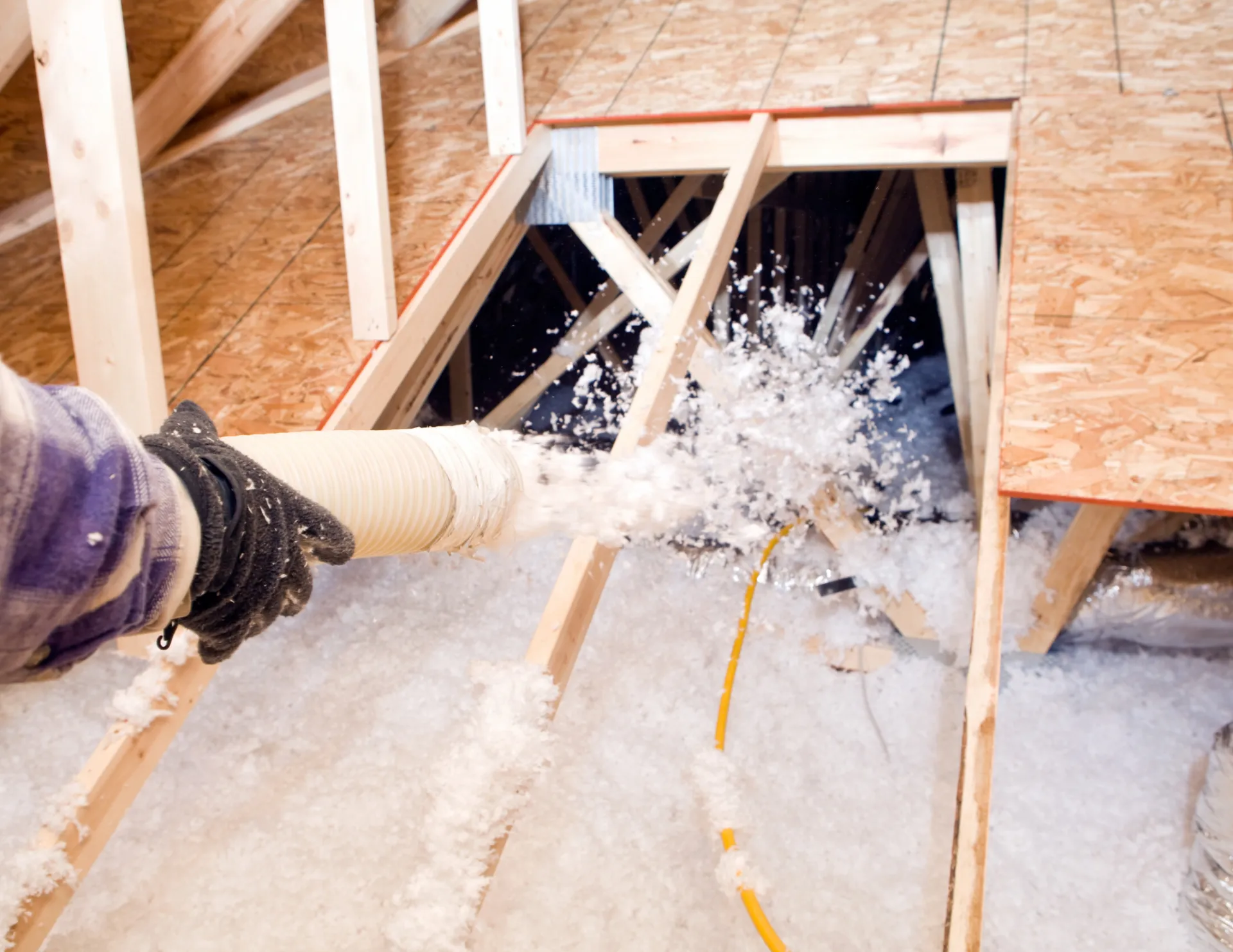
Blown-in insulation can be useful for filling irregular spaces and adding insulation to existing attics.
Spray Foam
Spray foam can provide both insulation and air-sealing benefits, making it useful in certain applications.
However, it's not automatically the best choice for every project.
Rigid Foam
Rigid foam boards can be useful in specific areas where space is limited or additional thermal resistance is needed.
The best insulation solution depends on your home's construction, existing insulation, budget, and goals.
Should You Add Insulation or Replace It?
Sometimes you can add insulation on top of existing material.
Other situations may require removing old insulation first.
Replacement may be appropriate if existing insulation is:
- Water damaged
- Moldy
- Contaminated
- Severely deteriorated
- Compressed
- Otherwise compromised
A professional assessment can help determine whether your existing insulation can stay.
How Much Can Better Insulation Save?
This is one of the most common questions homeowners ask.
The answer varies significantly from house to house.
Savings depend on:
- Existing insulation levels
- Home size
- HVAC efficiency
- Air leakage
- Windows
- Doors
- Thermostat settings
- Weather
- Household energy use
A home with very little attic insulation may see a much more noticeable improvement than a newer home that is already well insulated.
That's why it's better to think of insulation as an investment in overall home performance, rather than expecting a specific percentage reduction in your utility bill.
Don't Overlook Comfort
Energy savings are only part of the equation.
Many homeowners notice the comfort improvement before they notice the change in their utility bills.
Better insulation can help reduce:
- Cold floors
- Drafty rooms
- Hot upstairs bedrooms
- Temperature swings
- Rooms that never seem to reach the thermostat setting
A more consistent indoor temperature can make your home feel better every day.
When Is the Best Time to Improve Insulation?
Insulation can be upgraded throughout much of the year.
However, several situations make it particularly convenient.
During a Remodel
If walls or ceilings are already open, it's an excellent opportunity to improve insulation.
Before Winter
Improving attic insulation and air sealing before cold weather arrives can help your home retain heat.
Before Summer
Upgrading insulation can help reduce heat transfer into living spaces during hot weather.
When Replacing Your Roof
A roof replacement can be an ideal time to evaluate attic insulation and ventilation.
How HOMEfix Can Improve Your Colorado Springs Home
Improving insulation isn't just about adding more material to your attic. It's about understanding how your entire home handles heat, air, and moisture.
At HOMEfix, we help Colorado Springs homeowners identify areas where their homes may be losing energy and develop practical solutions to improve comfort and efficiency.
Our team can help with attic insulation, air sealing, windows, doors, roofing, electrical, remodeling, and other home improvement projects that work together to improve your home's overall performance.
Whether you're dealing with a hot upstairs bedroom, high heating bills, cold floors, or an attic that needs attention, we'll help you determine which improvements make the most sense for your home.
And because HOMEfix offers one team, every service, you don't have to coordinate multiple contractors to address different parts of your home's exterior and interior.
Your home should work for you—not against you.
Frequently Asked Questions
How do I know if my Colorado Springs home needs more insulation?
Common signs include high energy bills, uneven temperatures, drafty rooms, hot upstairs spaces, cold floors, and visibly thin or uneven attic insulation.
What is the most important area to insulate?
For many homes, the attic is one of the highest-priority areas because it separates your conditioned living space from the extreme temperatures experienced at the roofline.
Can I add insulation over existing insulation?
Often, yes. If the existing insulation is dry, clean, and in reasonable condition, additional insulation may be installed. A professional should evaluate the existing material first.
Is insulation worth it in Colorado Springs?
For many homeowners, improving insulation can be worthwhile because it can improve comfort, reduce heat transfer, and potentially lower heating and cooling costs. The potential benefit depends on your home's existing insulation and overall energy performance.
Should I replace my windows or improve insulation first?
It depends on where your home is losing the most energy. Attic insulation and air sealing are often good places to start, but drafty or outdated windows can also contribute significantly to energy loss. A professional home assessment can help prioritize improvements.
Improve Your Home's Comfort From the Top Down
If your Colorado Springs home is difficult to keep comfortable, don't automatically assume you need a larger HVAC system.
The problem may be the home itself.
Insufficient attic insulation, air leaks, inefficient windows, poorly sealed doors, and uninsulated areas can all make your HVAC system work harder than necessary.
Improving insulation and air sealing can help create a more efficient thermal envelope, keeping your home warmer when it's cold outside and cooler when Colorado's summer sun is beating down.
The first step is figuring out where your home is losing energy.
HOMEfix can help you identify those problem areas and determine which improvements make the most sense for your home, budget, and long-term goals.