How Much Should You Spend on a Home Remodel?
One of the first questions homeowners ask when considering a renovation is also one of the hardest to answer:
"How much should I spend on my remodel?"
There isn't one number that works for every home.
A kitchen remodel in Colorado Springs can have a completely different budget than a bathroom renovation, basement remodel, or whole-home renovation. The size of the space, materials, layout changes, labor, structural work, and level of customization can all dramatically affect the final cost.
And while it's easy to find remodeling cost estimates online, a more important question is:
How much should you spend based on your home, your goals, and your budget?
The right remodeling budget isn't necessarily the biggest one you can afford. It's the amount that allows you to create a space that works better for your family without putting unnecessary financial pressure on you.
Whether you're planning a kitchen remodel, bathroom renovation, basement remodel, or larger home renovation, this guide will help you think through your remodeling budget and decide where your money is best spent.
Start With What You Can Actually Afford
Before choosing countertops, cabinets, flooring, or fixtures, establish your overall budget.
Your remodeling budget should be an amount you're comfortable spending—not simply the maximum amount a contractor or lender says you can spend.
Consider:
- Your available savings
- Monthly cash flow
- Financing options
- Other upcoming expenses
- Emergency savings
- The age of your home
- Other repairs your home may need
A remodel should improve your home without creating financial stress.
If you have a $50,000 budget, designing a $100,000 project and hoping you can somehow make it work usually isn't the best strategy.
Instead, design the project around the budget.
Remodeling Budget vs. Home Repair Budget
It's also important to separate remodeling expenses from necessary home repairs.
If you're planning a kitchen remodel but your roof is leaking, the roof should probably be addressed first.
If your bathroom remodel reveals a plumbing problem, that repair needs to be included in the overall project.
Some homeowners make the mistake of treating every dollar they spend on their home as part of the remodeling budget.
Instead, think of your finances in two categories:
Home Protection
Money needed to keep your home safe and functional.
Examples include:
- Roofing
- Plumbing
- Electrical
- Structural repairs
- Water damage
- HVAC
- Insulation
Home Improvement
Money spent to improve the appearance, functionality, or enjoyment of your home.
Examples include:
- New cabinets
- Countertops
- Flooring
- Tile
- Lighting
- Bathroom fixtures
- Layout changes
- Custom storage
Both are important—but they serve different purposes.
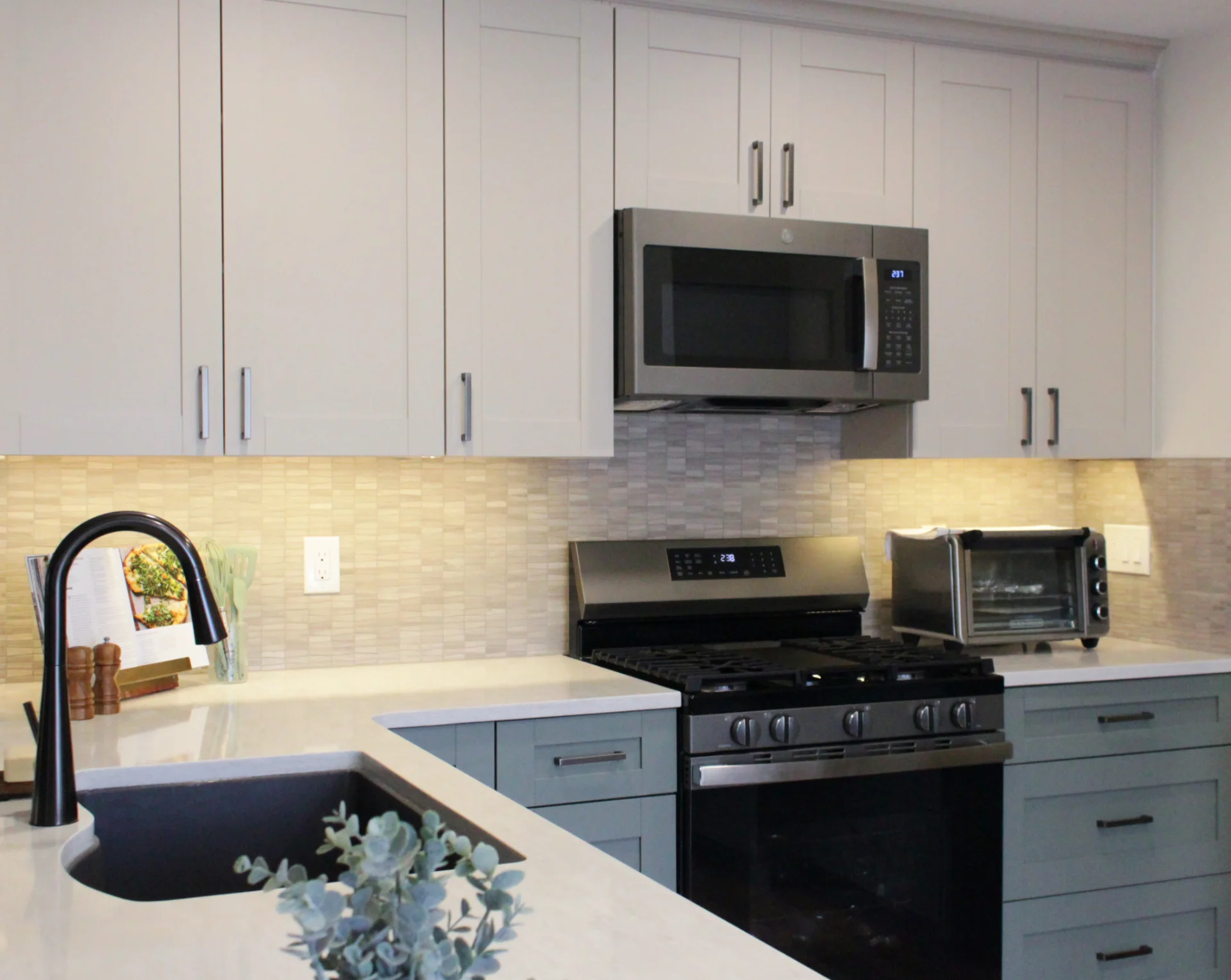
How Much Should You Spend on a Kitchen Remodel?
Kitchen remodeling is one of the most popular home improvement projects because the kitchen combines functionality, design, storage, and everyday use.
But kitchen remodel costs can vary dramatically.
A kitchen update might involve:
- Painting
- New hardware
- New countertops
- Cabinet refacing
- New cabinetry
- Flooring
- Lighting
- Plumbing
- Electrical
- Appliances
- Layout changes
A cosmetic refresh and a complete kitchen renovation are two very different projects.
Instead of starting with a predetermined dollar amount, start with the question:
What isn't working about my kitchen?
Maybe you don't have enough storage.
Maybe the layout is inefficient.
Maybe your cabinets are damaged.
Maybe you need more countertop space.
Maybe the entire kitchen feels outdated.
Once you know what you're trying to accomplish, you can allocate your budget accordingly.
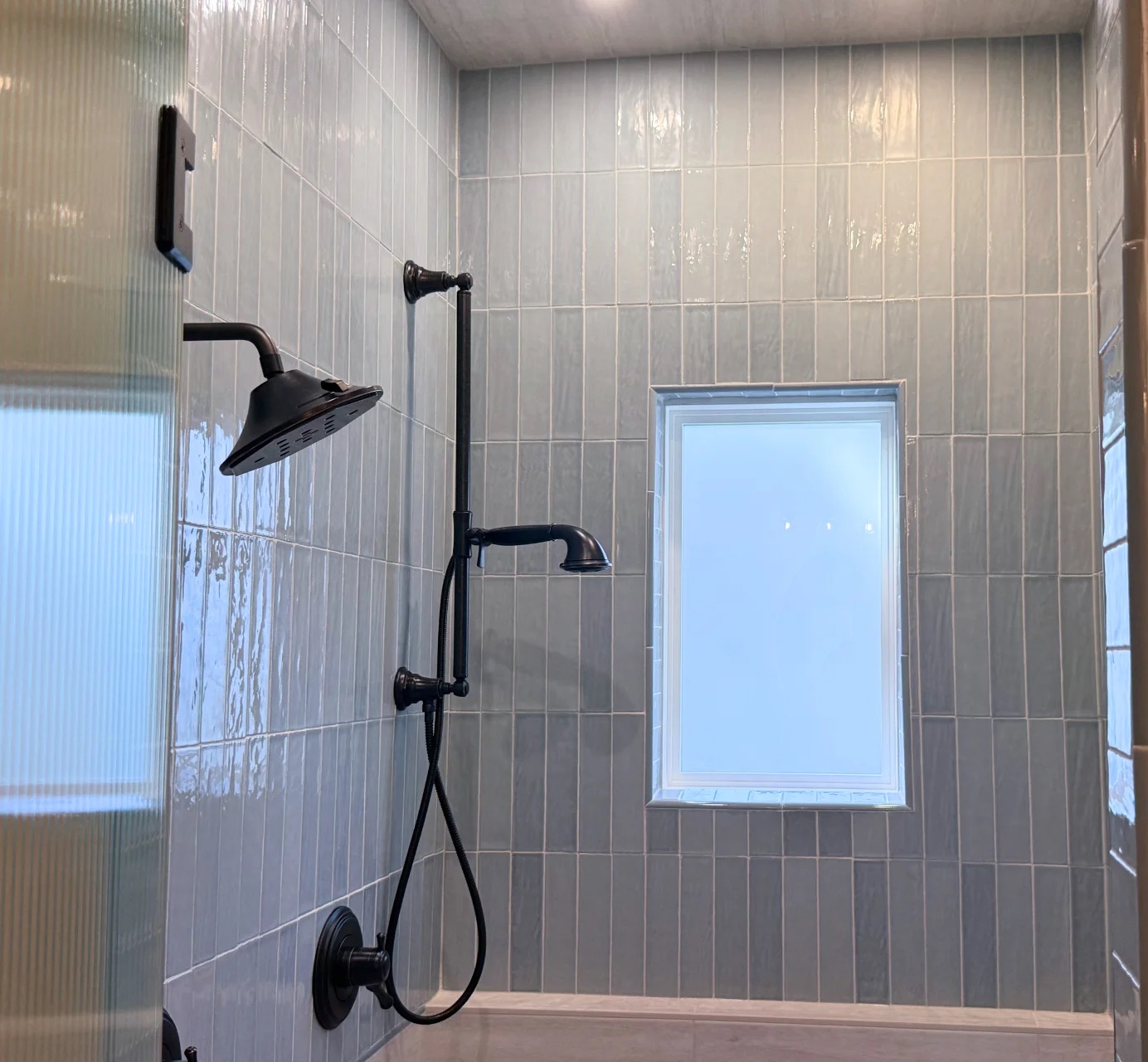
How Much Should You Spend on a Bathroom Remodel?
Bathrooms can also range from relatively simple updates to complete renovations.
A bathroom remodel might include:
- Vanity
- Countertop
- Flooring
- Tile
- Shower
- Tub
- Toilet
- Plumbing
- Lighting
- Electrical
- Ventilation
- Paint
One of the biggest factors affecting a bathroom remodeling budget is whether you're changing the layout.
Keeping plumbing and fixtures in approximately the same locations can sometimes simplify a project.
Moving walls, relocating plumbing, or changing the overall layout can increase complexity and cost.
If your bathroom functions poorly, however, investing in a better layout may be worth the additional expense.
How Much Should You Spend on a Basement Remodel?
Basement remodeling is another area where budgets vary substantially.
A basement renovation might involve:
- Flooring
- Drywall
- Painting
- Lighting
- Electrical
- Plumbing
- Bathrooms
- Wet bars
- Bedrooms
- Entertainment areas
- Storage
Before budgeting for a basement remodel, determine whether the space is already finished.
A partially finished basement generally requires a different budget than an unfinished space that needs walls, electrical, insulation, flooring, and finishes.
Also consider whether you want the basement to serve a specific purpose.
A simple family room requires a different approach than a basement designed to include a bathroom, bedroom, home gym, entertainment area, or guest suite.
Don't Forget the Cost of Changing the Layout
One of the biggest budget considerations in remodeling is whether you're keeping the existing layout.
Replacing finishes is generally simpler than moving:
- Walls
- Plumbing
- Electrical
- Doors
- Windows
- HVAC
- Appliances
That's not to say you shouldn't change the layout.
In many cases, the layout is exactly what needs to change.
If your kitchen is cramped, your bathroom doesn't function properly, or your basement has wasted space, investing in the layout may provide more value than spending heavily on premium finishes.
A beautiful room with a bad layout is still a bad room.
Spend More on the Things You Use Every Day
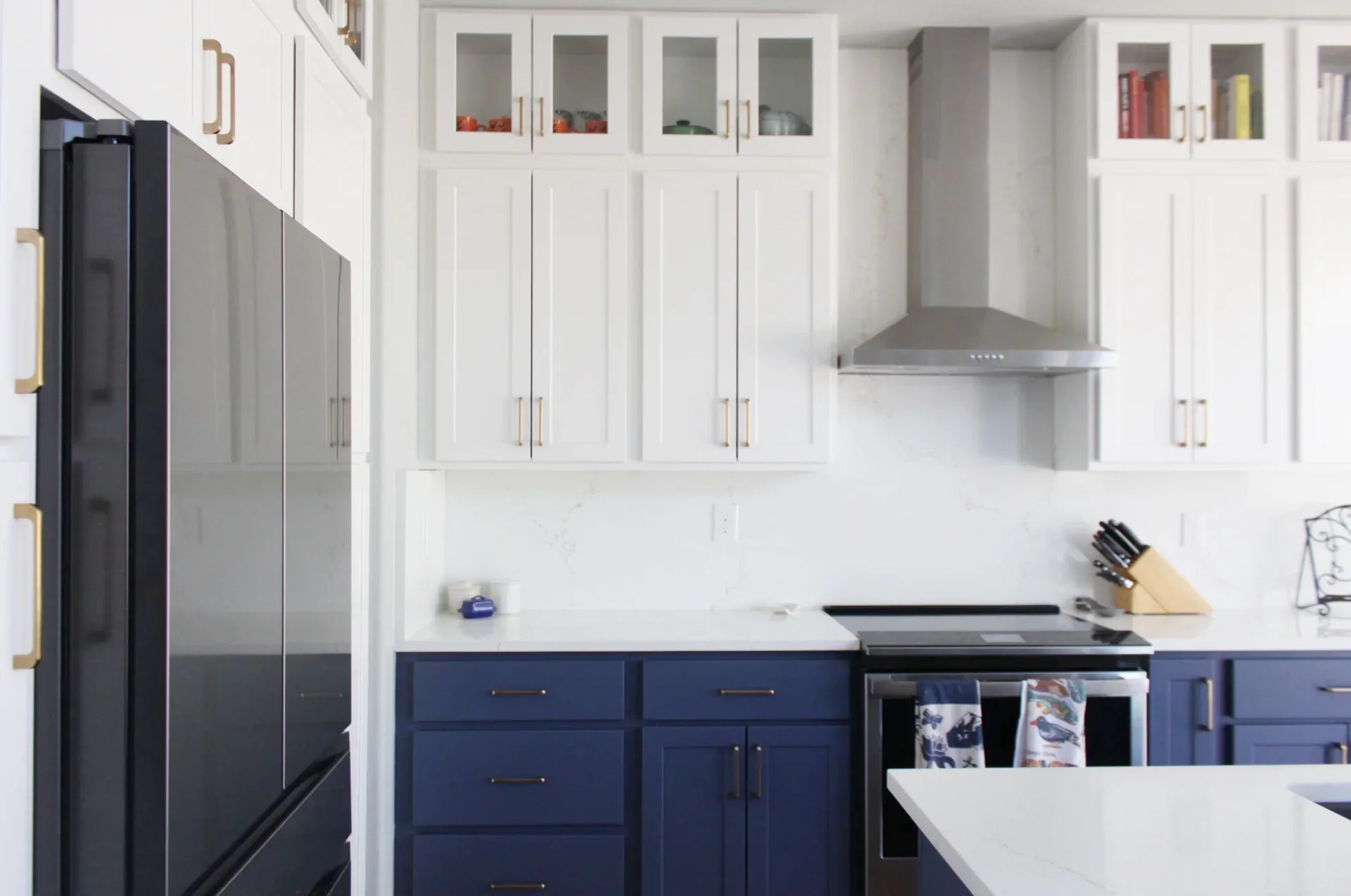
When deciding where to spend your remodeling budget, prioritize items you interact with constantly.
In a kitchen, that could mean:
- Cabinet storage
- Drawer configuration
- Countertop workspace
- Sink
- Lighting
- Hardware
In a bathroom:
- Shower
- Vanity storage
- Lighting
- Ventilation
- Fixtures
In a basement:
- Lighting
- Storage
- Flooring
- Electrical
- Entertainment functionality
The goal isn't necessarily to buy the most expensive products.
It's to spend money where you'll actually notice the difference.
Don't Overspend on Things That Are Easy to Change
Some remodeling decisions are relatively easy to update later.
Others are much more difficult.
For example, paint color can be changed.
Cabinet layout is much harder.
Light fixtures can be replaced.
Moving electrical wiring after the walls are closed is more complicated.
Hardware is relatively inexpensive to change.
Plumbing locations are not.
This leads to a useful budgeting rule:
Spend more on permanent decisions and functional improvements than on easily replaceable finishes.
Invest in the Structure Behind the Design
It's easy to focus on what you'll see when the remodel is finished.
But some of the most important parts of a renovation are hidden behind the walls.
Depending on the project, these may include:
- Electrical wiring
- Plumbing
- Insulation
- Ventilation
- Waterproofing
- Structural work
- Subfloor preparation
These aren't necessarily the most exciting parts of a remodel.
You probably won't post a picture of your new electrical wiring on Instagram.
But investing in the infrastructure behind the finishes can help ensure your new space performs well for years.
Set Aside a Contingency Budget
Even well-planned remodels can uncover surprises.
Once walls, floors, cabinets, or ceilings are opened, you may discover conditions that weren't visible beforehand.
Examples include:
- Water damage
- Outdated wiring
- Plumbing problems
- Structural issues
- Uneven floors
- Hidden leaks
- Previous DIY work
- Damaged subfloors
That's why it's smart to avoid allocating every dollar of your budget to finishes.
A contingency reserve gives you room to address unexpected issues without completely derailing the project.
The appropriate amount depends on the age and condition of your home and the complexity of the project.
Older homes and projects involving major structural or plumbing changes may warrant more flexibility.
Don't Spend Your Entire Budget on Finishes
One common remodeling mistake is putting too much of the budget toward visible finishes while overlooking the work required to install them.
A countertop isn't the entire cost of a countertop.
Cabinets aren't the entire cost of a kitchen.
Tile isn't the entire cost of a bathroom.
Your project may also include:
- Demolition
- Disposal
- Labor
- Installation
- Electrical
- Plumbing
- Drywall
- Surface preparation
- Permits
- Design
- Cleanup
When building your remodeling budget, make sure you're thinking about the complete project, not just the products.
Think About Cost Per Use, Not Just Cost
A more expensive item isn't automatically a better investment.
Instead, think about how often you'll use it.
Consider a kitchen faucet.
If you use it dozens of times every day, investing in a quality fixture may make sense.
Now compare that with a decorative feature that you rarely interact with.
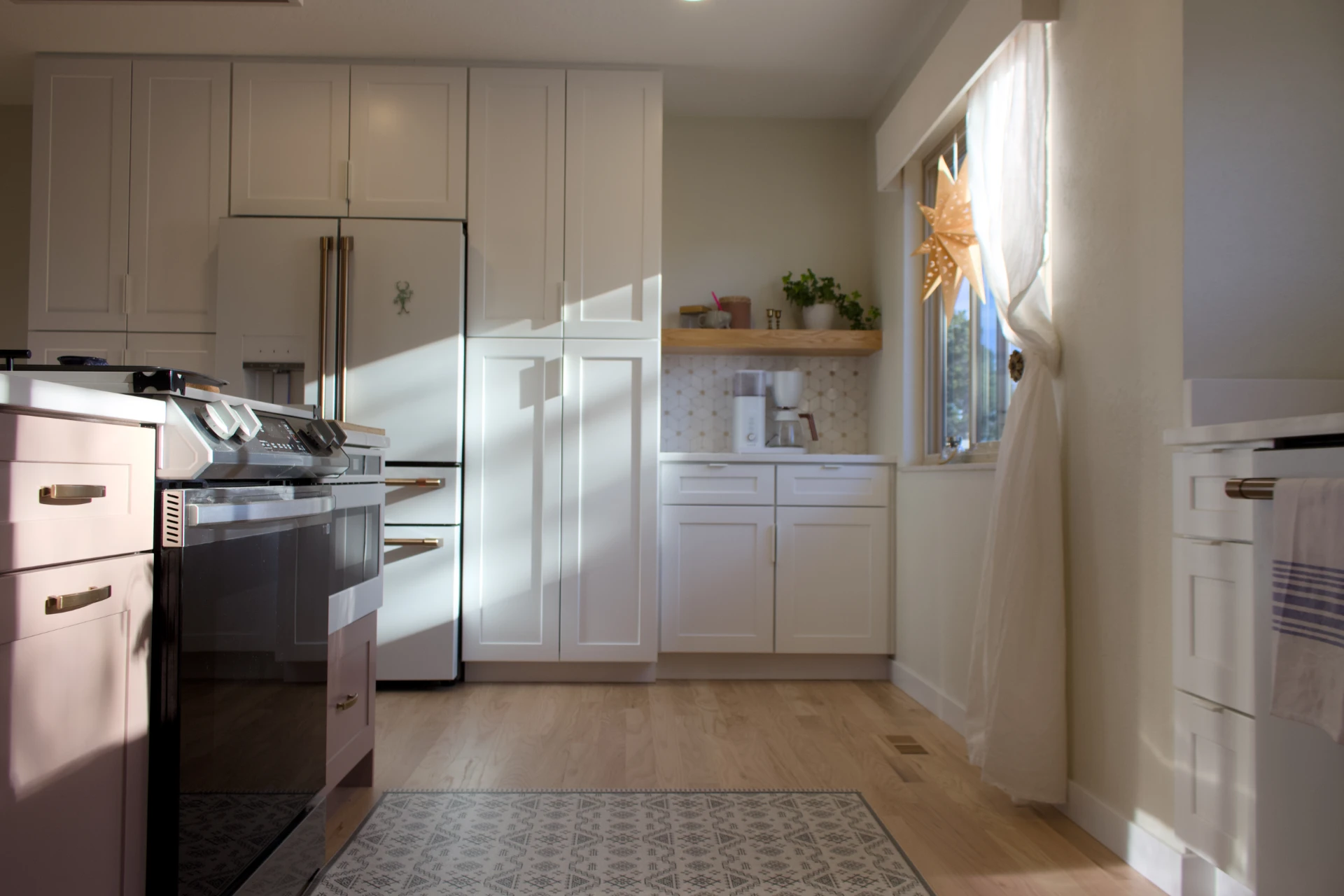
The same principle applies to cabinetry.
If your kitchen storage is constantly frustrating you, spending more on custom storage solutions may provide more value than upgrading to an expensive decorative backsplash.
Your remodeling budget should reflect how you actually live in the space.
Don't Chase Trends With Permanent Features
One reason remodeling budgets get out of control is trying to incorporate every current design trend.
Some trends are inexpensive and easy to change.
Others are expensive and permanent.
Before committing to a trendy feature, ask:
"Will I still want this five or ten years from now?"
This doesn't mean your remodel has to be boring.
Choose timeless elements for expensive, permanent components and use accessories, paint, lighting, and decor for trends that you can change later.
How Much Should You Spend Based on Your Home's Value?
You may have heard rules suggesting that you should spend a certain percentage of your home's value on a renovation.
These rules can be useful as a rough starting point, but they shouldn't be treated as universal formulas.
Your home's value is only one factor.
You should also consider:
- How long you plan to stay
- How much you enjoy the space
- The condition of the existing room
- Neighborhood expectations
- Comparable homes
- Your personal budget
- How much functionality the remodel adds
A homeowner planning to stay for 15 years may make very different remodeling decisions than someone planning to sell next year.
If You're Selling Soon, Think Differently
If you're planning to sell your home in the near future, your remodeling strategy should be more focused.
You may want to prioritize improvements that:
- Make the home more appealing
- Fix obvious problems
- Improve functionality
- Modernize outdated spaces
- Appeal to a broad range of buyers
You don't necessarily need to build your dream kitchen if you're planning to move in two years.
On the other hand, if you're staying in your home for a long time, designing specifically for your family may be more important than maximizing resale appeal.
If You're Staying, Spend on How You Live
Long-term homeowners have more freedom.
If you're planning to stay in your home for many years, ask:
"What would make this house work better for us?"
Maybe that's:
- More kitchen storage
- A better bathroom layout
- A home office
- A finished basement
- Better lighting
- A larger shower
- More functional cabinetry
- Improved accessibility
- A more efficient floor plan
The return on a remodel isn't always financial.
Sometimes the return is enjoying your home more every single day.
Don't Forget Financing
You don't necessarily have to pay for a major remodel entirely out of pocket.
Depending on your financial situation and available options, homeowners may consider:
- Home equity financing
- HELOCs
- Personal savings
- Contractor financing
- Other financing products
Before choosing a financing option, understand the interest rate, fees, repayment terms, and total cost.
Financing can make a project more manageable, but it shouldn't be used as a reason to spend beyond what makes sense for your home and budget.
Get Multiple Opinions Before Setting Your Budget
If you aren't sure what your project should cost, talk to a qualified remodeling professional.
A professional can help identify:
- What needs to be replaced
- What can be repaired
- What can stay
- Which upgrades make the biggest difference
- Potential hidden issues
- Where your budget is best spent
You may walk into a consultation thinking you need a complete renovation and discover that a targeted remodel would accomplish most of what you want.
Or you may discover that the problem is larger than you originally expected.
Either way, better information leads to a better budget.
Build Your Remodeling Budget in Three Levels
One useful strategy is to create three versions of your project.
Must-Haves
These are the things that need to happen.
Examples:
- Damaged cabinets
- Poor layout
- Plumbing repairs
- Electrical upgrades
- Waterproofing
- Necessary structural work
Would-Like-to-Haves
These improve functionality or appearance but aren't essential.
Examples:
- Upgraded lighting
- Premium hardware
- Additional storage
- Better countertops
- Upgraded flooring
Dream Features
These are the extras you would love if the budget allows.
Examples:
- Specialty cabinetry
- High-end appliances
- Custom features
- Luxury finishes
- Additional built-ins
This makes it much easier to make decisions when you're getting quotes.
If the project comes in above your target budget, you know exactly where you can scale back.
What Should You Never Skimp On?
While every project is different, there are certain areas where cutting costs can create problems later.
Installation
Even excellent materials can perform poorly if they're installed incorrectly.
Waterproofing
Especially in bathrooms, basements, and areas exposed to moisture.
Electrical
Safety and capacity matter more than aesthetics.
Plumbing
A beautiful bathroom isn't worth much if the plumbing behind it is failing.
Structural Work
Never cut corners on structural components simply to save money.
Preparation
Painting, flooring, tile, and other finishes depend heavily on proper preparation.
When your budget is tight, it's generally better to simplify the visible finishes than to compromise on the underlying work.
Common Remodeling Budget Mistakes
Mistake #1: Starting Without a Budget
If you don't establish a budget early, it's easy for costs to creep upward.
Mistake #2: Choosing Materials First
Picking your dream finishes before knowing your project scope can lead to disappointment.
Mistake #3: Forgetting Labor
Products are only part of the total project.
Mistake #4: Ignoring Existing Problems
Don't cover up problems that need to be addressed.
Mistake #5: Spending Everything
Leave room for unexpected conditions.
Mistake #6: Changing the Plan Constantly
Changes during construction can increase both cost and timeline.
Mistake #7: Choosing the Cheapest Contractor
The lowest quote isn't always the lowest total cost.
Experience, communication, quality, warranty, and project management all matter.
How to Know When Your Remodeling Budget Is Too High
A remodel may be too expensive if:
- You're going into significant debt for cosmetic upgrades
- The project doesn't solve your actual problems
- You're spending heavily on trends
- You're upgrading features you rarely use
- The cost significantly exceeds comparable homes
- You're sacrificing important home repairs to fund the remodel
A good remodeling budget should feel like an investment in your home—not a financial burden.
How to Know When Your Remodeling Budget Is Too Low
On the other hand, a budget may be unrealistic if it doesn't account for:
- Labor
- Demolition
- Installation
- Permits
- Plumbing
- Electrical
- Structural work
- Finish materials
- Contingencies
If you're consistently getting professional estimates that are substantially higher than your budget, you may need to adjust the project scope.
That's not necessarily a failure.
It simply means you need to decide what's most important.
The Best Remodel Is the One That Solves the Problem
Before spending money on a remodel, identify the problem you're trying to solve.
Is your kitchen too small?
Does it lack storage?
Is your bathroom difficult to use?
Is your basement wasted space?
Do you need a better home office?
Are your finishes simply outdated?
The answer should drive your budget.
If storage is the problem, spend on storage.
If layout is the problem, spend on layout.
If the space is uncomfortable, investigate insulation, windows, HVAC, or other underlying issues.
Don't spend $20,000 upgrading something that wasn't actually bothering you.
How HOMEfix Can Help You Plan Your Remodel
At HOMEfix, we understand that remodeling isn't just about choosing pretty finishes.
It's about figuring out what your home needs, what you want to change, and where your budget will have the biggest impact.
Our team works with Colorado Springs homeowners on:
- Kitchen remodeling
- Bathroom remodeling
- Basement remodeling
- Home renovations
- Electrical upgrades
- Plumbing
- Drywall
- Painting
- Windows
- Insulation
- Roofing
- And more
Because HOMEfix offers one team, every service, we can also help identify related improvements that may make sense while your project is underway.
For example, a kitchen remodel may involve electrical and plumbing upgrades.
A bathroom renovation may require drywall, plumbing, electrical, ventilation, and waterproofing.
A basement remodel may involve insulation, electrical, drywall, flooring, and plumbing.
Instead of looking at each component separately, a whole-home approach can help you create a more realistic remodeling budget from the beginning.
Frequently Asked Questions
How much should I spend on a home remodel?
There is no universal number. Your remodeling budget should be based on your finances, the condition of your home, the scope of the project, how long you plan to stay, and the improvements that matter most to you.
What percentage of my home's value should I spend on remodeling?
Percentage-based rules can provide a rough starting point, but they aren't universal. A remodel should be evaluated based on your home's condition, neighborhood, goals, budget, and how long you plan to stay.
How much should I budget for unexpected remodeling costs?
A contingency reserve can help cover hidden problems discovered during construction. The amount you need depends on the age and condition of the home and the complexity of the renovation.
Is it worth spending money on a kitchen remodel?
A kitchen remodel can be worthwhile when it solves meaningful problems such as poor storage, an inefficient layout, outdated infrastructure, or deteriorated materials. The value isn't just resale value—it can also come from daily functionality and enjoyment.
Should I remodel my entire house at once?
Not necessarily. Phasing a renovation can make it easier to manage your budget and minimize disruption. Prioritize areas with the greatest functional problems or those requiring immediate repairs.
Is it cheaper to remodel or move?
It depends on the home and the changes you need. If you otherwise like your location and home but need improved functionality, remodeling may make sense. If the home has fundamental limitations that remodeling can't solve, moving may be worth considering.
Should I spend more on materials or labor?
Quality installation is critical, but that doesn't mean you need the most expensive materials. A balanced budget generally prioritizes proper installation and the materials that have the greatest effect on functionality, durability, and daily use.
So, How Much Should You Spend on Your Remodel?
The answer isn't simply a dollar amount.
Spend enough to solve the problems that matter, improve the way you use your home, and complete the work correctly—but don't spend more simply because you can.
Start with your budget.
Define your priorities.
Determine whether you're repairing, remodeling, or both.
Invest in the infrastructure behind the finishes.
Spend more on the things you use every day.
Leave room for unexpected issues.
And choose improvements based on how you actually live—not just what's trending online.
Most importantly, remember that a successful remodel isn't necessarily the most expensive one.
It's the one that makes you think:
"Why didn't we do this sooner?"
If you're planning a kitchen, bathroom, basement, or whole-home renovation in Colorado Springs, HOMEfix can help you determine what makes sense for your space and your goals.
One team. Every service. Built around your home.