How Long Does a Furnace Last?
If you’re wondering whether your furnace is nearing the end of its life, you’re not alone. It’s one of the most common questions homeowners ask — especially during cold Colorado winters.
The short answer: most furnaces last 15–20 years.
The longer answer depends on maintenance, usage, system quality, and how your home is set up.
Let’s break down what affects furnace lifespan, how to know when replacement makes sense, and how to get the most life out of your system.
Average Furnace Lifespan
Here’s a general guideline for residential furnaces:
- Gas furnaces: 15–20 years
- High-efficiency furnaces: 15–20 years
- Electric furnaces: 20–30 years
That said, many furnaces don’t reach their maximum lifespan due to poor maintenance, improper sizing, or outdated components.

What Impacts How Long a Furnace Lasts?
1. Maintenance (or Lack of It)
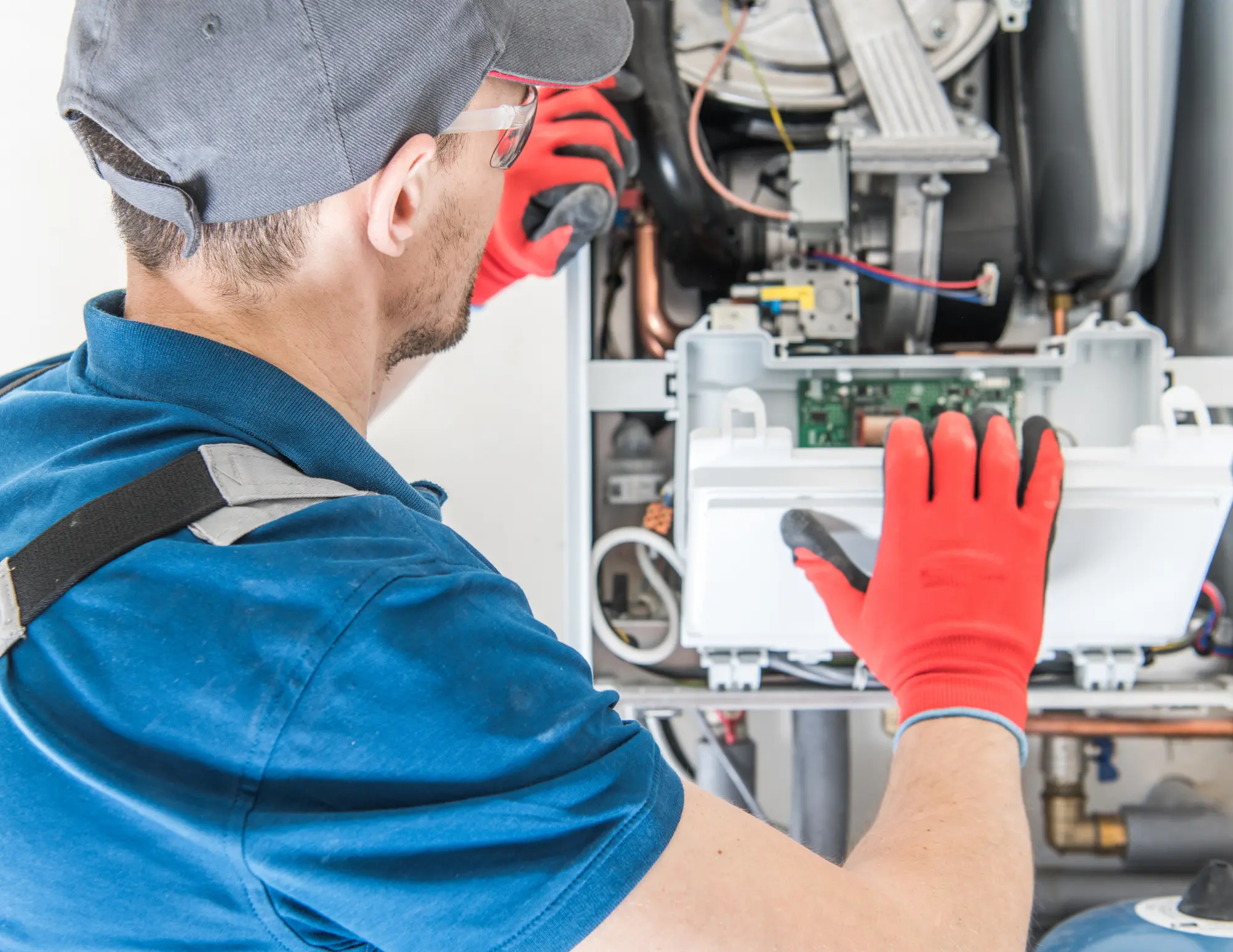
Annual maintenance is one of the biggest factors in furnace longevity.
Routine service helps:
- Catch small issues early
- Improve efficiency
- Reduce strain on components
- Prevent unexpected breakdowns
Neglected furnaces tend to fail years earlier than properly maintained ones.
2. How Often You Use It
In colder climates like Colorado Springs, furnaces run more frequently — which means more wear over time.
A furnace that runs constantly without proper airflow or insulation support will age faster.
3. Installation Quality
A perfectly good furnace can fail early if it wasn’t installed correctly.
Common installation issues include:
- Incorrect sizing
- Poor ductwork design
- Improper airflow
- Inadequate venting
This causes the system to work harder than necessary, shortening its lifespan.
4. Home Insulation & Air Sealing
Homes with poor insulation or air leaks force furnaces to cycle more often.
Upgrading attic insulation or sealing drafts can reduce strain on your heating system and extend its life.
Signs Your Furnace Is Nearing the End
If your furnace is over 15 years old and showing these signs, replacement may be the smarter option:
- Frequent repairs
- Rising energy bills
- Uneven heating
- Strange noises
- Short cycling
- Difficulty maintaining temperature
- Yellow pilot light (for gas systems)
At a certain point, repair costs add up faster than replacement value.
Repair vs. Replace: How to Decide
A common rule of thumb:
- If a furnace is over 15 years old and needs a major repair, replacement is usually more cost-effective.
Newer furnaces offer:
- Higher efficiency
- Lower energy bills
- Improved comfort
- Better reliability
- Modern safety features
Can You Extend Your Furnace’s Life?
Yes — with the right care.
Best practices:
- Change filters regularly
- Schedule annual professional maintenance
- Address small issues early
- Improve insulation and airflow
- Don’t ignore unusual noises or smells
These steps can add years to your furnace’s lifespan.
When Replacement Is the Better Investment
Even if a furnace can be repaired, replacement may make more sense when:
- Efficiency is low
- Comfort is inconsistent
- Repair costs are recurring
- Energy bills keep rising
Modern furnaces are significantly more efficient than systems installed 15–20 years ago — which means long-term savings.
Final Thoughts
A furnace isn’t something most homeowners think about — until it stops working.
Knowing how long furnaces last, what affects their lifespan, and when to replace them helps you make proactive decisions instead of emergency ones.
If you’re unsure about your furnace’s condition, a professional evaluation can give you clarity before winter hits full force.