How Do I Know If My Roof Has Hail Damage? A Colorado Homeowner’s Guide
Colorado homeowners know the drill.
The sky gets dark.
The wind picks up.
You hear that unmistakable sound on the roof.
And suddenly everyone starts asking the same question:
Did my roof survive that?
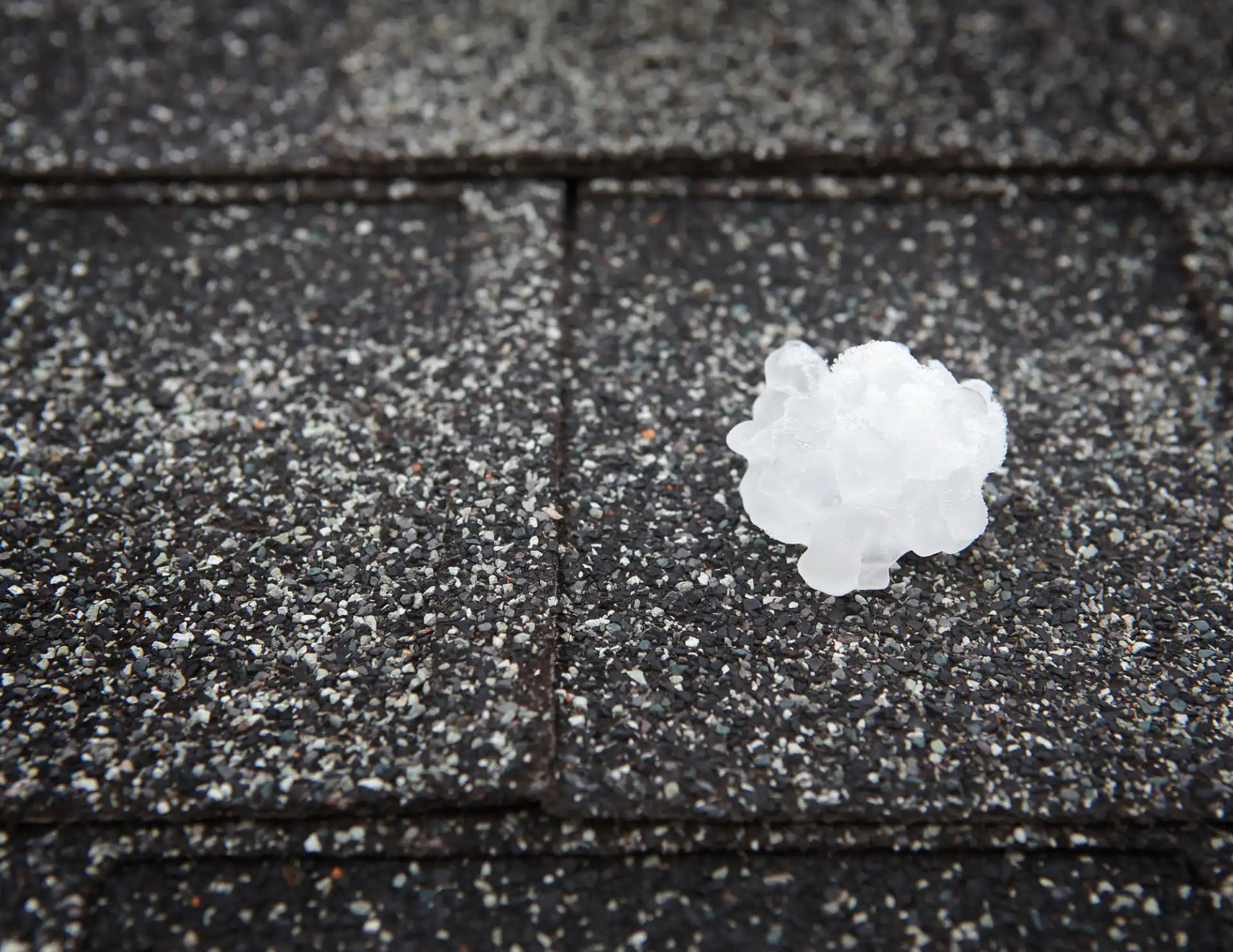
Hail is part of life in Colorado—but roof damage isn’t always obvious.
In fact, one of the biggest misconceptions homeowners have is assuming that if their roof isn’t leaking, everything must be fine.
Unfortunately, that’s not always true.
Roof damage can hide in plain sight. Small impacts today may become bigger issues months later as weather, UV exposure, and normal wear continue affecting already-weakened materials.
So how do you know if your roof actually has hail damage?
Here’s what homeowners should look for.
Why Colorado Roofs Take a Beating
Colorado homes experience a little bit of everything.
Intense sun.
Snow.
Freeze-thaw cycles.
Wind.
And of course—hail.
Roofing materials expand, contract, dry out, absorb moisture, and endure repeated weather events year after year.
That means even roofs that look fine from the ground may still experience damage after a storm.
The challenge is understanding what matters—and what doesn’t.
First: Not Every Storm Causes Roof Damage
This surprises homeowners.
You can get hail without roof damage.
And you can have roof damage without giant hailstones.
Several factors influence whether damage occurs:
- Hail size
- Wind speed
- Storm direction
- Roof age
- Roofing material
- Previous storm history
- Roof slope
Two homes in the same neighborhood may experience completely different outcomes.
That’s why assumptions alone usually aren’t enough.
Sign #1: You Notice Granules Around Downspouts
If you have an asphalt shingle roof, this is one of the easiest clues to spot.
After a storm, check:
- Gutters
- Downspouts
- Driveways
- Areas below roof edges
You may notice small black or sandy-looking particles.
These are often granules.
Roof granules serve an important purpose.
They help:
- Protect shingles from UV exposure
- Extend lifespan
- Improve weather resistance
Hail impacts can loosen these protective layers.
Some granule loss is normal over time.
Heavy accumulation after a storm deserves attention.
Sign #2: Your Gutters or Metal Components Show Dents
Your gutters can tell a story.
Walk around your home and inspect:
- Gutters
- Downspouts
- Garage doors
- Metal flashing
- Window trim
- Exterior vents
If soft metal surfaces show fresh dents, your roof may have experienced similar impacts.
Metal damage alone doesn't automatically mean roof damage.
But it’s often worth investigating further.
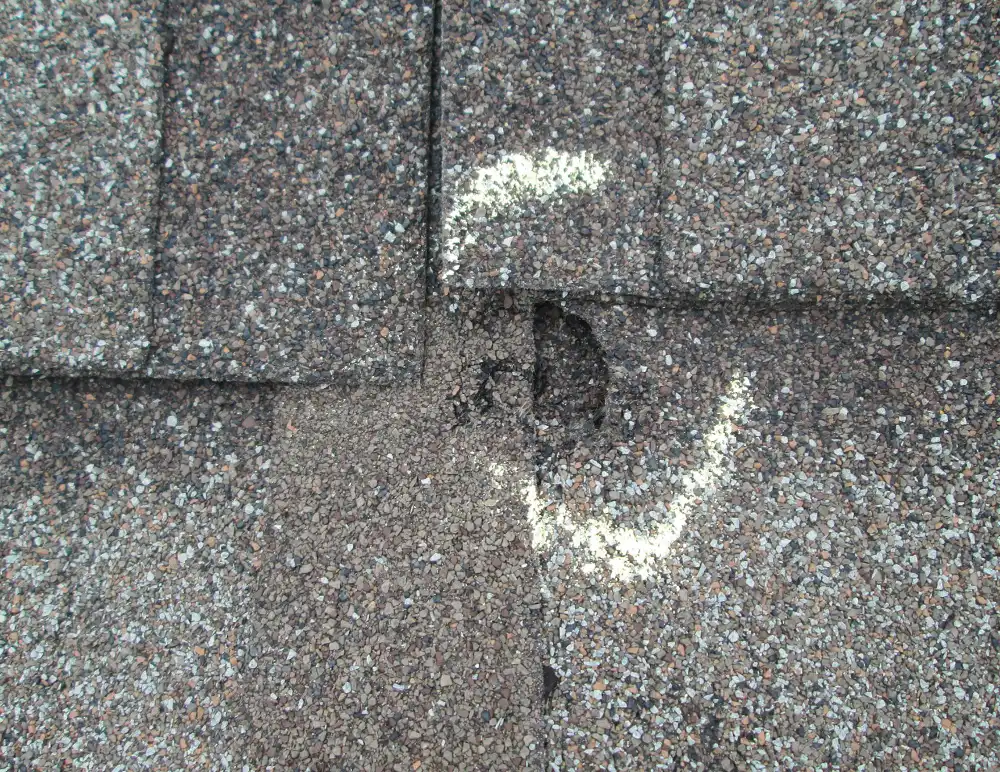
Sign #3: You See Dark Spots or Irregular Areas on Shingles
One common hail indicator is visible shingle changes.
Look for:
- Circular marks
- Dark spots
- Random patterns
- Uneven appearance
- Missing granules
Hail impacts sometimes expose lower layers of roofing materials.
These areas may age differently than surrounding shingles.
From the ground, this can appear subtle.
That’s why visual checks only tell part of the story.
Sign #4: Your Roof Suddenly Looks Different
Homeowners often overlook this one.
You see your house every day.
If something suddenly feels different after a storm, trust that instinct.
Changes may include:
- Uneven roof appearance
- New discoloration
- Visible inconsistencies
- Changed texture
Even without obvious damage, unusual changes deserve attention.
Sign #5: Water Spots Appear Indoors
Leaks don’t always happen immediately.
Water intrusion may show up later.
Watch for:
- Ceiling stains
- Paint bubbling
- Damp drywall
- Musty smells
- Attic moisture
Interior symptoms don’t always mean roofing issues—but roofing should be considered.
Internal Link Opportunity:
The Most Expensive Home Repairs Start Small
Sign #6: Your Neighbors Are Finding Damage
Storm paths can vary.
But if multiple homes nearby are discovering roof concerns, it may be worth paying attention.
This doesn’t guarantee your roof is affected.
It simply increases the likelihood.
Sign #7: Your Roof Is Already Older
Age matters.
Older roofing materials often become more vulnerable.
A newer roof may tolerate conditions differently than one already nearing replacement.
Ask:
- How old is my roof?
- Has it been repaired before?
- Has it experienced previous storms?
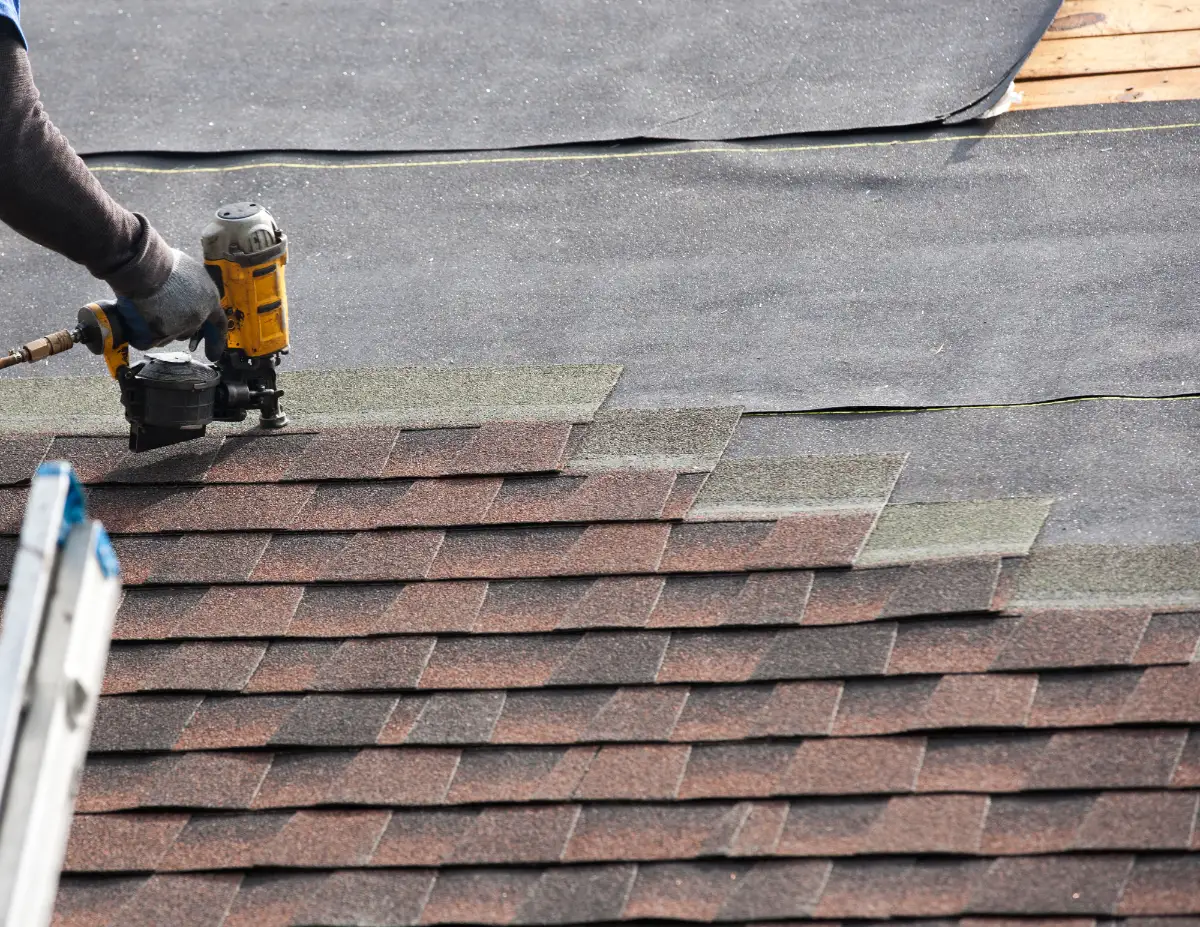
Common Signs That Aren’t Always Hail Damage
Not everything is storm-related.
Homeowners sometimes mistake:
- Normal granule loss
- Manufacturer variation
- Foot traffic
- Aging
- Heat exposure
This is why professional evaluation matters.
How Long Can Hail Damage Take to Show Up?
Sometimes immediately.
Sometimes months.
Potential delayed effects include:
- Accelerated aging
- Granule loss
- Moisture exposure
- Shingle deterioration
Waiting until visible leaks appear may reduce available options.
Should You Inspect Your Roof Yourself?
Ground-level observation is reasonable.
Climbing onto roofs carries risk.
Instead:
Check:
- Gutters
- Yard debris
- Visible roof conditions
- Interior ceilings
Avoid walking roofing materials unnecessarily.
What Happens During a Roof Inspection?
A professional evaluation may include:
- Roof surface assessment
- Flashing inspection
- Vent review
- Gutter evaluation
- Attic observations
- General condition review
The goal isn’t creating problems.
It’s understanding what already exists.
Repair or Replace?
Not all hail damage means replacement.
Factors include:
Repair may make sense:
- Isolated concerns
- Newer roofs
- Limited affected areas
Replacement may make sense:
- Widespread impact
- Advanced age
- Reduced lifespan
- Multiple concerns combined
Every situation is different.
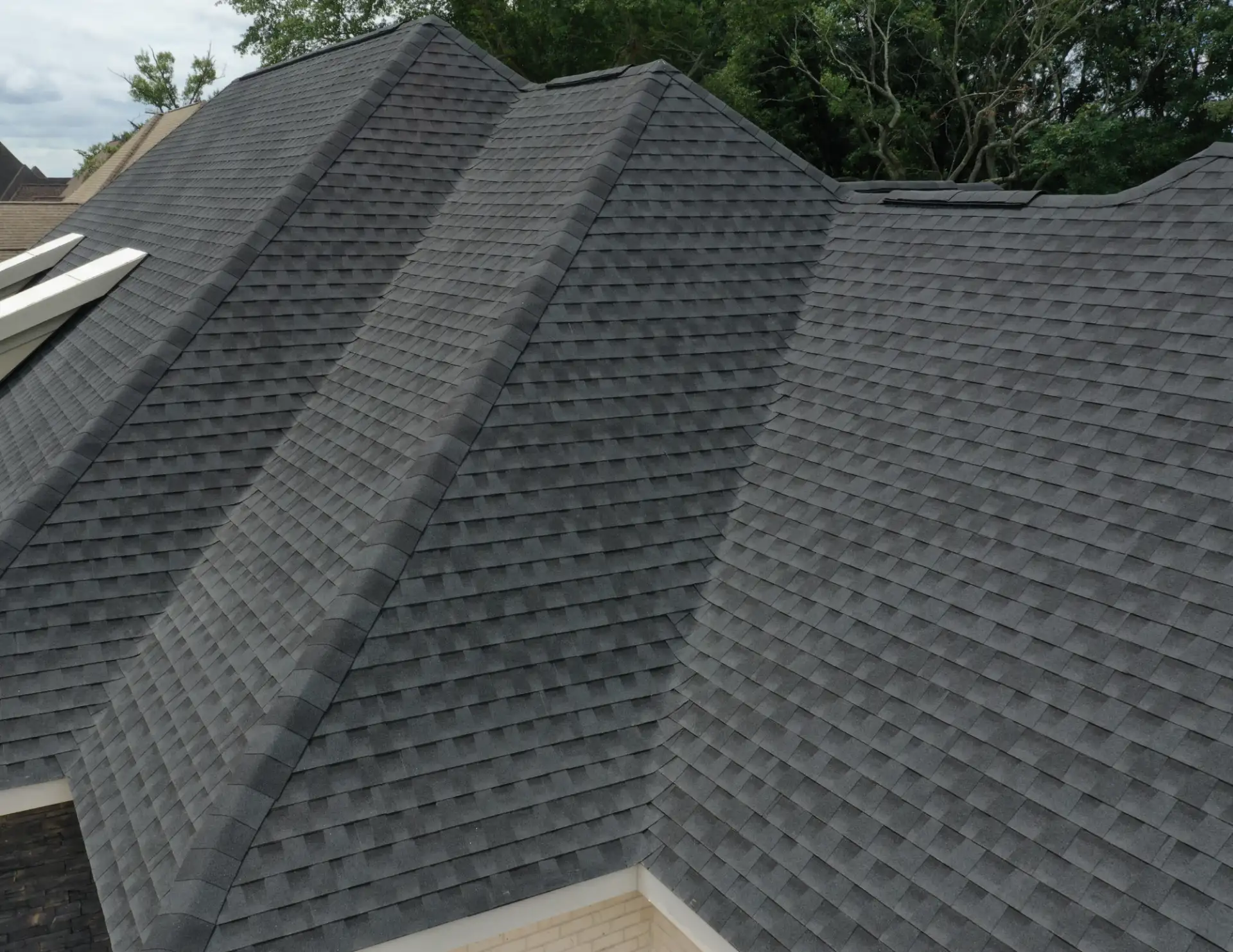
How to Protect Your Roof Long-Term
Helpful habits include:
- Annual inspections
- Keeping gutters clean
- Monitoring attic conditions
- Addressing repairs promptly
- Watching after major storms
Roof maintenance doesn’t prevent weather.
But it can reduce surprises.
Internal Link Opportunity:
How Colorado Weather Is Really Affecting Your Roof
Questions Homeowners Should Ask After a Storm
- Did anything change visually?
- Are neighbors seeing issues?
- Is the roof older?
- Did gutters collect unusual debris?
- Is there interior moisture?
Asking these questions early creates more options.
Final Thoughts
Most roof problems don’t announce themselves.
That’s especially true with hail.
Just because your roof isn’t leaking today doesn’t necessarily mean it escaped damage.
And just because hail fell doesn’t automatically mean replacement is needed.
The key is understanding the difference.
Pay attention after storms.
Look for subtle signs.
Stay proactive.
Because when it comes to roofing, small concerns are often easiest to solve before they become bigger ones.
At HOMEfix, we believe informed homeowners make better decisions—and protecting your roof is one of the best ways to protect everything underneath it.