How Colorado's Dry Climate Affects Your Home
Colorado is famous for its sunshine, mountains, and beautiful weather. But if you've lived in Colorado Springs for any length of time, you've probably also noticed something else:
It's really, really dry.
Colorado's dry climate can feel great compared with humid parts of the country, but low humidity and high elevation can have a significant effect on your home.
Dry air can contribute to cracking wood, shrinking materials, static electricity, dry indoor air, and changes in how certain building materials perform. At the same time, Colorado's intense sunshine, temperature swings, wind, snow, and occasional heavy storms create additional challenges for your home's exterior.
That means maintaining a home in Colorado Springs isn't exactly the same as maintaining a home somewhere with a humid, mild climate.
From your roof and siding to your drywall, windows, insulation, plumbing, and interior finishes, Colorado's climate can influence how quickly materials age and how comfortable your home feels.
The good news is that understanding these effects can help you catch problems early and make smarter decisions about home maintenance and improvements.
Here's what Colorado Springs homeowners should know about how Colorado's dry climate affects their homes—and what you can do about it.
Why Is Colorado So Dry?
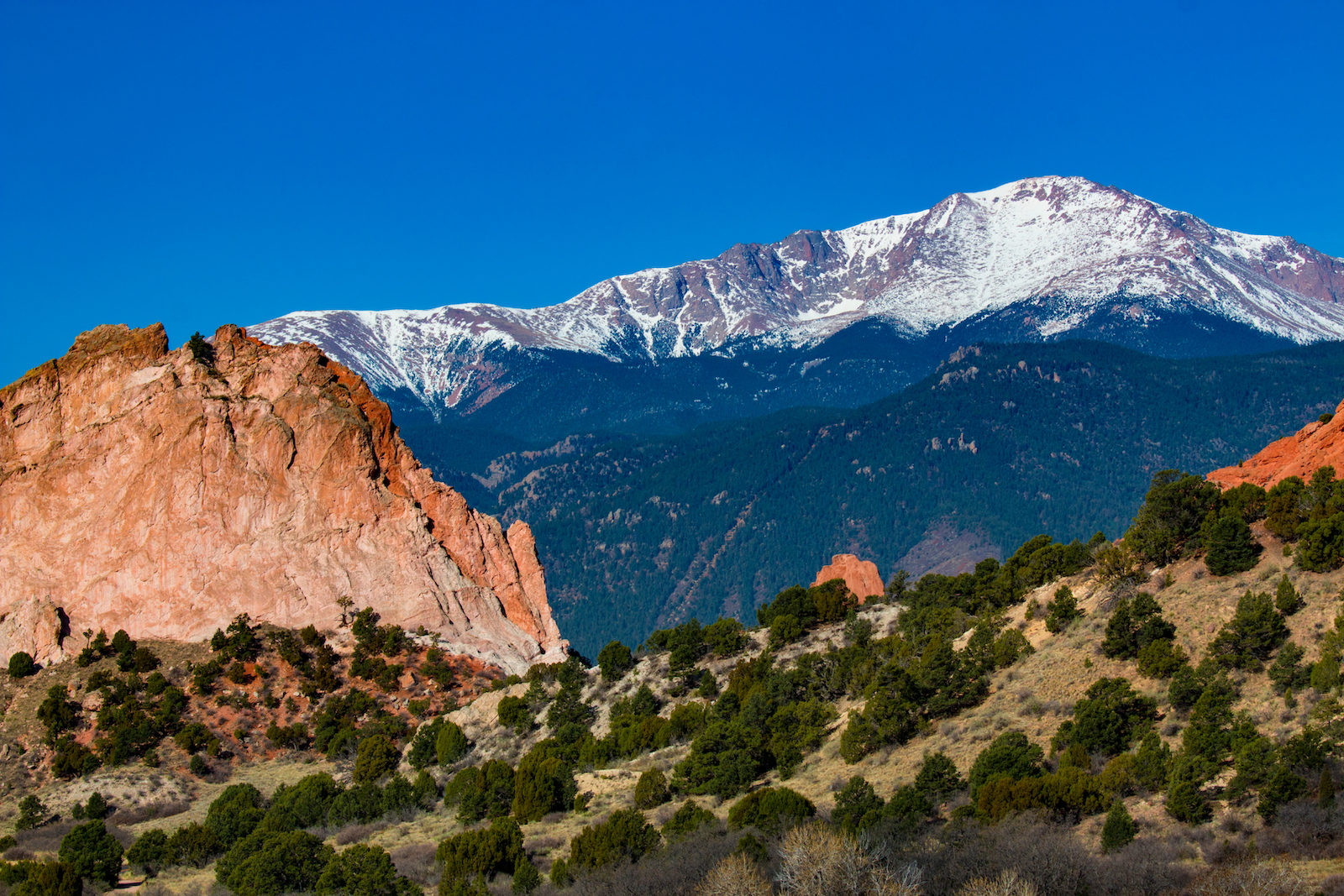
Colorado's climate is influenced by its high elevation, geography, and distance from major sources of moisture.
Colorado Springs sits at an elevation of roughly 6,000 feet, and the air generally holds less moisture than air at lower elevations.
The result is a climate characterized by:
- Low humidity
- Intense sunshine
- Large temperature swings
- Dry winters
- Dry summers
- High evaporation
- Frequent wind
- Seasonal snow and storms
Your home has to adapt to all of these conditions.
And while dry weather may mean fewer problems associated with excessive humidity, it creates its own set of challenges.
1. Dry Air Can Cause Wood to Shrink and Crack
One of the most noticeable effects of Colorado's dry climate is what happens to wood.
Wood is a natural material that responds to changes in moisture.
When the surrounding air becomes very dry, wood can lose moisture and shrink.
You may notice this in:
- Hardwood floors
- Cabinets
- Doors
- Trim
- Baseboards
- Furniture
- Wood stairs
Small gaps between boards aren't necessarily a sign that something is seriously wrong. Seasonal movement is normal for many wood products.
However, significant cracking, warping, or movement deserves attention.

2. Your Hardwood Floors Can Be Affected by Dry Conditions
Wood flooring is particularly sensitive to changes in humidity.
During dry periods, hardwood can lose moisture and contract.
That can result in:
- Small gaps between boards
- Cracks
- Cupping
- Splitting
- Increased squeaking
This doesn't mean hardwood flooring is a bad choice for Colorado homes.
It simply means homeowners should understand that natural wood moves as environmental conditions change.
Maintaining relatively consistent indoor humidity can help minimize extreme movement.
3. Cabinetry Can Move With the Climate
Your kitchen and bathroom cabinets can also respond to Colorado's dry conditions.
Wood and wood-based products can expand and contract depending on environmental conditions.
You may notice:
- Small gaps
- Slight changes around doors
- Cabinet doors that need adjustment
- Cracks in finishes
- Changes in alignment
This is one reason proper material selection and installation matter during a remodeling project.
Cabinetry should be selected with the environment and intended use in mind.
4. Drywall Cracks Are Common—but Not Always Serious
If you've noticed small cracks in your drywall, Colorado's dry climate may be contributing.
Dry air can cause materials to shrink slightly, while seasonal temperature changes can cause additional movement.
Common areas for minor drywall cracks include:
- Corners
- Ceiling joints
- Around doors
- Around windows
- Along drywall seams
Small cosmetic cracks are often relatively minor.
However, larger or rapidly changing cracks should not automatically be blamed on dry air.
Significant cracking can potentially indicate movement, moisture problems, or structural concerns.
If you're unsure, have the issue evaluated before simply patching it.
5. Your Interior Paint Can Show the Effects of Dry Conditions
Dry conditions and intense sunlight can both affect interior finishes.
Over time, you may notice:
- Fading
- Cracking
- Peeling
- Dry-looking surfaces
- Small cracks around trim
Rooms with significant natural light may experience more noticeable fading.
Choosing the right paint and properly preparing the surface can help extend the life of your interior finishes.
If you're repainting because of cracking or peeling, however, make sure you're addressing the reason the paint failed rather than simply covering it.
6. Exterior Paint Takes a Serious Beating in Colorado
Your home's exterior has an even harder job.
Colorado Springs homes are exposed to:
- Intense UV rays
- Dry air
- Wind
- Snow
- Rain
- Hail
- Temperature fluctuations
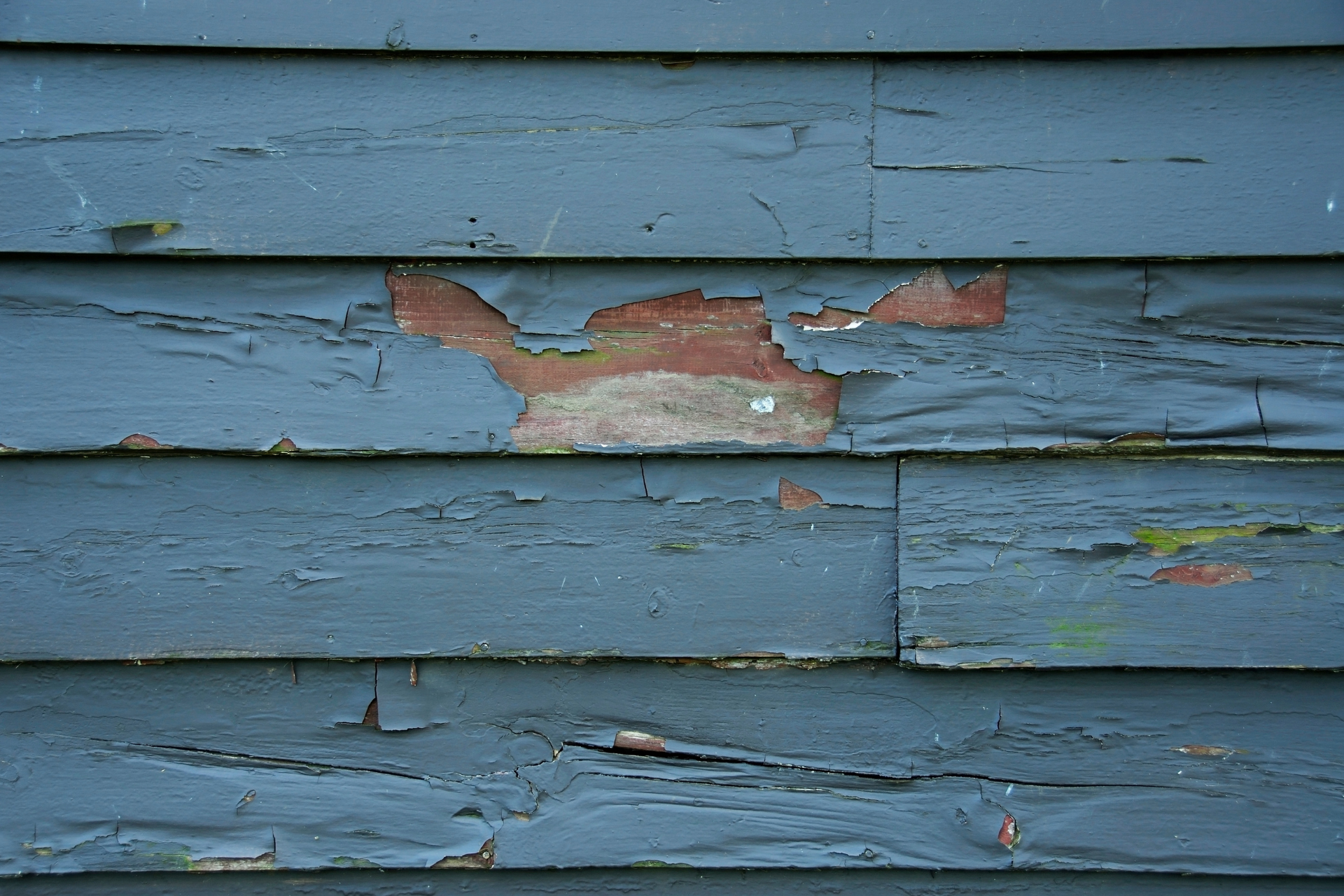
The combination of intense sunlight and dry conditions can accelerate the deterioration of exterior coatings.
You may notice:
- Fading
- Chalking
- Peeling
- Cracking
- Brittle caulk
- Exposed wood
Exterior paint isn't just decorative.
It provides an important protective layer between your home's exterior materials and the elements.
7. UV Exposure Can Fade Your Home's Exterior
Colorado's high elevation means your home receives intense sunlight.
Over time, UV exposure can cause exterior finishes to fade.
This can affect:
- Paint
- Siding
- Decks
- Doors
- Trim
- Outdoor furniture
South- and west-facing surfaces may experience particularly strong exposure.
If one side of your home looks significantly more faded than another, sunlight may be part of the reason.
8. Caulk Can Dry Out and Crack
Caulk is one of the unsung heroes of your home's exterior.
It's used around:
- Windows
- Doors
- Trim
- Siding
- Exterior penetrations
- Other joints
Caulk helps seal gaps and prevent water and air infiltration.
But Colorado's dry conditions, intense UV exposure, and temperature swings can cause caulk to deteriorate over time.
Once caulk cracks or separates, moisture can find its way behind the exterior surface.
That's why inspecting and maintaining exterior caulking is an important part of home maintenance.
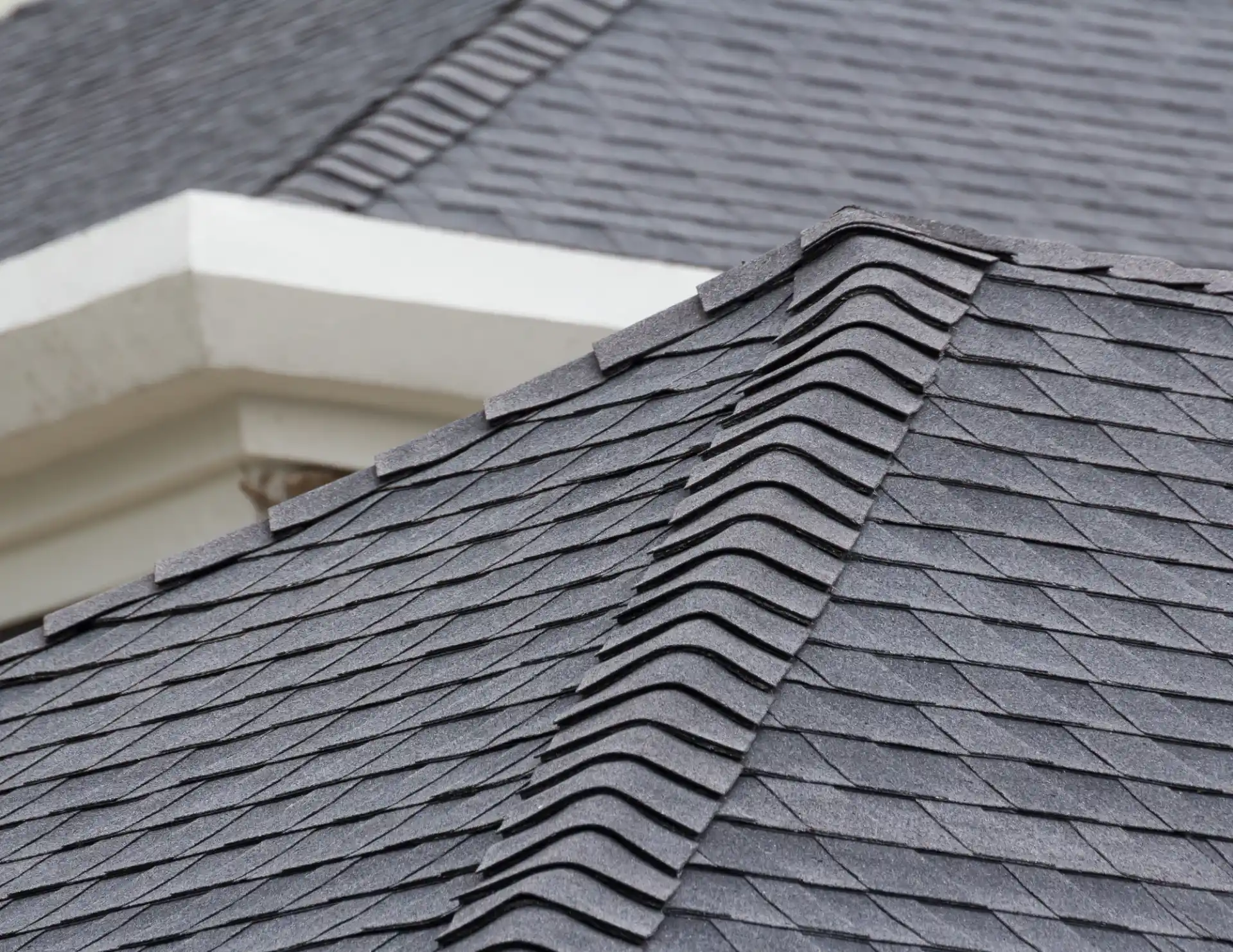
9. Your Roof Has to Handle More Than Dry Air
Colorado's dry climate is only one part of the equation for your roof.
Colorado Springs roofs are also exposed to:
- Hail
- Snow
- Wind
- Ice
- UV radiation
- Temperature fluctuations
UV exposure can gradually degrade roofing materials, while severe storms can cause sudden damage.
After a major hailstorm, it's worth having your roof inspected—even if you don't immediately see a problem from the ground.
Small roofing damage can eventually become a water intrusion problem.
10. Temperature Swings Can Stress Building Materials
Colorado can go from a cold morning to a warm afternoon surprisingly quickly.
Those temperature changes cause materials to expand and contract.
Over time, repeated movement can contribute to wear in:
- Roofing materials
- Siding
- Windows
- Doors
- Caulk
- Paint
- Wood
- Drywall
This is one reason proper installation and regular maintenance are particularly important in Colorado homes.
11. Your Home Can Still Have Moisture Problems in a Dry Climate
"Colorado is dry" doesn't mean moisture isn't a concern.
In fact, water intrusion can be particularly damaging because homeowners may not expect it.
Moisture can enter through:
- Roof leaks
- Damaged flashing
- Cracked caulk
- Failed window seals
- Plumbing leaks
- Foundation issues
- Damaged siding
Once water gets into an enclosed space, it can cause significant damage.
That's why it's important to distinguish between low outdoor humidity and water intrusion.
Your home can have very dry air and still experience serious moisture damage.
12. Dry Air Can Make Your Home Feel Less Comfortable
Indoor comfort isn't just about temperature.
Humidity plays a role, too.
Very dry indoor air can contribute to:
- Dry skin
- Dry eyes
- Static electricity
- Dry throat
- Increased discomfort during winter
It can also make a home feel colder.
That's one reason a humidifier can sometimes improve winter comfort even when your thermostat is already set to a comfortable temperature.
13. Your HVAC System Has to Work With Colorado's Climate
Your heating and cooling system has an important job in Colorado Springs.
Winter can be very cold, while summer afternoons can be surprisingly hot.
Your HVAC system has to respond to both.
If your home has poor insulation or air sealing, your HVAC system may need to work harder to maintain a consistent temperature.
That can contribute to:
- Higher energy bills
- Longer HVAC run times
- Uneven temperatures
- Hot upstairs rooms
- Cold rooms in winter
This is why improving the home's building envelope can be just as important as maintaining the HVAC equipment itself.
14. Insulation Becomes Especially Important
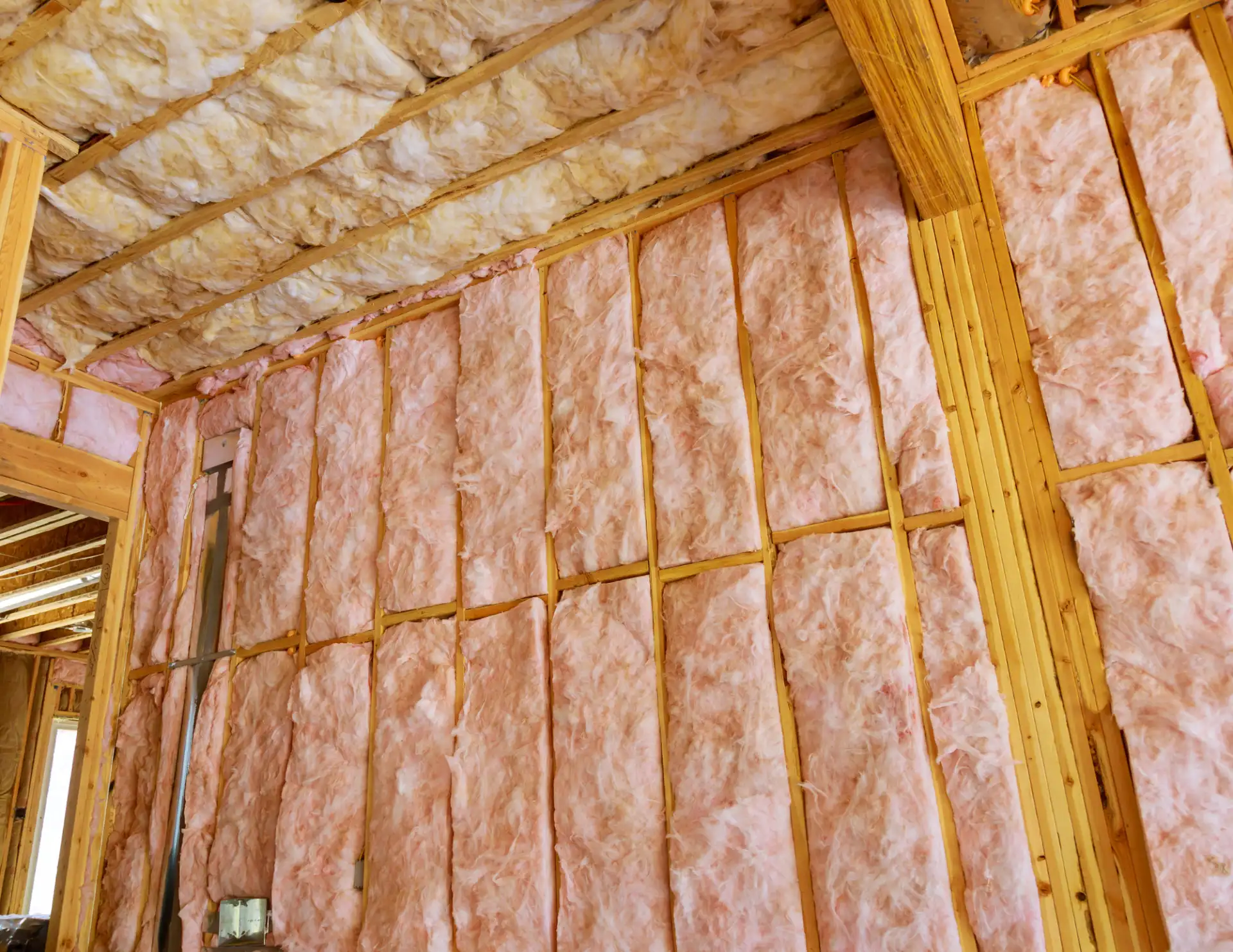
Insulation helps slow heat transfer between your home's interior and exterior.
That's important year-round.
During winter, good insulation helps keep heated air inside.
During summer, it helps slow the movement of outdoor heat into the home.
Attic insulation deserves particular attention because your attic can become extremely hot in summer and very cold in winter.
Signs you may need more insulation include:
- Hot upstairs rooms
- Cold ceilings
- Uneven temperatures
- High heating and cooling bills
- Drafty areas
- Older insulation that appears thin or uneven
Air sealing should also be considered alongside insulation.
15. Windows Matter in Colorado's Climate
Your windows are constantly exposed to Colorado's sun and temperature swings.
Older windows can contribute to:
- Heat gain
- Heat loss
- Drafts
- UV exposure
- Uneven room temperatures
If a room gets extremely hot every afternoon, look at the windows.
Large west-facing windows can allow significant afternoon heat into a room.
Modern replacement windows can improve insulation, reduce drafts, and help control solar heat gain.
However, window replacement isn't always the first answer.
A professional evaluation can help determine whether windows, insulation, air sealing, or another issue is causing the problem.
16. Exterior Doors Can Let Conditioned Air Escape
Doors are another part of your home's thermal envelope.
Over time, weatherstripping can wear out and gaps can develop around frames.
You may notice:
- Cold air around the door
- Hot air entering during summer
- Drafts
- Light visible around the frame
- Difficulty closing the door tightly
Replacing weatherstripping or adjusting the door may solve a minor problem.
If the door itself is old or poorly insulated, replacement may make more sense.
17. Your Plumbing Can Be Affected by Dry Winter Conditions
Low humidity itself doesn't necessarily damage plumbing.
The bigger concern is cold temperatures.
Colorado Springs winters can create conditions that put exposed pipes at risk.
Areas to pay attention to include:
- Garages
- Crawl spaces
- Exterior walls
- Outdoor faucets
- Unheated spaces
Proper insulation and winterization can help reduce the risk of frozen pipes.
If you have plumbing in an area exposed to freezing temperatures, it's worth making sure it is adequately protected.
18. Dry Climate Doesn't Mean You Can Ignore Your Gutters
Gutters still matter in Colorado.
Snow, ice, rain, and storms can all introduce water to your roof system.
Gutters help direct that water away from the home's foundation and exterior walls.
Keep them clear of:
- Leaves
- Dirt
- Roofing debris
- Pine needles
- Other buildup
Also look for loose or damaged sections.
A gutter that isn't directing water properly can contribute to problems around your home's exterior.
19. Your Garage Can Become Extremely Hot
Colorado's intense sunlight can make an enclosed garage surprisingly hot during summer.
If your garage is attached to the house, heat can transfer into adjacent rooms.
This can be particularly noticeable in bedrooms or living spaces located above the garage.
Potential improvements include:
- Garage insulation
- Garage door insulation
- Air sealing
- Improved ventilation
- Weatherstripping
A garage improvement project can sometimes make the adjacent living space more comfortable as well.

20. Dry Conditions Make Preventative Maintenance More Important
Colorado's climate can be hard on homes.
That's why preventative maintenance is often more valuable than waiting for something to fail.
A seasonal inspection can help you identify:
- Cracked caulk
- Peeling paint
- Roof damage
- Damaged siding
- Drafty windows
- Door gaps
- Drywall cracks
- Plumbing concerns
- Insulation problems
The earlier you catch a small issue, the easier it may be to address.
What Should Colorado Springs Homeowners Check Each Year?
A simple seasonal home inspection can go a long way.
Spring
After winter, check for:
- Roof damage
- Damaged gutters
- Exterior cracks
- Peeling paint
- Failed caulk
- Damaged siding
- Plumbing leaks
Spring is also a good time to inspect your home after any major snow or hail events.
Summer
During summer, pay attention to:
- Hot upstairs rooms
- HVAC performance
- Attic temperatures
- Exterior paint fading
- Window performance
- Garage temperatures
- Attic insulation
If one room is consistently hotter than the rest, summer is an excellent time to investigate the cause.
Fall
Before winter arrives, inspect:
- Exterior doors
- Weatherstripping
- Windows
- Plumbing
- Roof
- Gutters
- Insulation
- Caulking
Addressing small problems before freezing temperatures arrive can help prevent bigger issues.
Winter
During winter, watch for:
- Frozen pipes
- Drafts
- Ice buildup
- Roof leaks
- Condensation
- Indoor dryness
Pay particular attention to plumbing in garages, crawl spaces, and exterior walls.
How to Protect Your Home From Colorado's Dry Climate
You don't need to completely change your home to deal with Colorado's climate.
Instead, focus on a few fundamentals.
Maintain Consistent Indoor Humidity
Avoid extremely dry indoor conditions during winter.
Keep Your Home Properly Insulated
Pay particular attention to the attic and other areas separating conditioned and unconditioned spaces.
Seal Air Leaks
Check windows, doors, attic hatches, plumbing penetrations, and other openings.
Maintain Exterior Paint
Repaint before surfaces deteriorate to the point where underlying materials are exposed.
Inspect Caulk
Replace cracked or failing exterior caulk.
Monitor Your Roof
Inspect after major storms and watch for signs of aging.
Maintain Windows and Doors
Replace worn weatherstripping and address failing seals.
Protect Plumbing
Insulate or winterize plumbing exposed to freezing conditions.
When Should You Call a Professional?
Some maintenance tasks are homeowner-friendly.
Others are better handled by professionals.
Call a professional when you encounter:
- Significant roof damage
- Electrical problems
- Persistent plumbing leaks
- Major drywall cracks
- Structural concerns
- Extensive exterior deterioration
- Insulation problems
- Window failures
- Major water intrusion
It's particularly important to have problems evaluated when you're unsure whether you're looking at normal seasonal movement or something more serious.
How HOMEfix Helps Colorado Springs Homeowners
Maintaining a Colorado Springs home can feel like a never-ending list of things to check.
Roof.
Windows.
Paint.
Insulation.
Plumbing.
Drywall.
Doors.
And then, of course, there's the project you've actually been wanting to do.
That's where HOMEfix can help.
Our team provides a wide range of home improvement services, including:
- Remodeling
- Roofing
- Insulation
- Windows
- Entry doors
- Painting
- Drywall
- Electrical
- Plumbing
- Garage improvements
- Handyman services
Instead of coordinating several contractors for different problems, HOMEfix provides one team, every service.
That can be particularly valuable when one home issue turns out to involve multiple systems.
For example, a hot upstairs room could involve insulation, windows, air sealing, or HVAC-related issues.
A bathroom remodel may involve plumbing, electrical, drywall, painting, and new finishes.
Exterior deterioration could involve roofing, siding, windows, doors, and paint.
Having one team that can look at the bigger picture makes it easier to determine what actually needs to be done.
Frequently Asked Questions
Is Colorado's dry climate bad for houses?
Colorado's dry climate isn't necessarily bad for homes, but it creates different maintenance challenges. Low humidity, intense UV exposure, temperature swings, wind, snow, and storms can all affect building materials.
Why is my drywall cracking in Colorado?
Small drywall cracks can result from normal seasonal movement, dry conditions, settling, or temperature changes. Larger, rapidly growing, or unusual cracks should be professionally evaluated.
Does Colorado's dry climate damage wood?
Dry conditions can cause wood to lose moisture and shrink. This may contribute to gaps, cracks, squeaks, or changes in wood flooring, cabinetry, trim, and doors.
How does Colorado weather affect exterior paint?
Strong UV exposure, dry conditions, wind, snow, rain, hail, and temperature changes can cause exterior paint to fade, chalk, crack, and peel over time.
Does dry air cause plumbing problems?
Dry air itself isn't usually the primary concern for plumbing. Cold temperatures are a bigger risk, particularly for plumbing located in garages, crawl spaces, exterior walls, or other unheated areas.
Does Colorado's climate affect home insulation?
Yes. Colorado's large seasonal temperature swings make insulation particularly important. Proper insulation helps slow heat transfer and can improve comfort and energy efficiency throughout the year.
Why is my house so dry in the winter?
Cold outdoor air generally contains less moisture, and heating that air indoors can make relative humidity drop further. This can create very dry indoor conditions during Colorado winters.
Do I need to replace my windows because of Colorado's climate?
Not necessarily. If your windows are drafty, damaged, inefficient, or contributing to significant heat gain or loss, replacement may be worth considering. However, insulation, air sealing, and other factors should also be evaluated.
Colorado Living Requires Colorado Home Maintenance
One of the best things about living in Colorado Springs is the climate.
We get incredible sunshine, beautiful seasons, and plenty of days that make you want to spend as much time outside as possible.
But that same climate can be tough on your home.
Dry air can affect wood and interior finishes. Strong UV exposure can fade paint and deteriorate exterior materials. Temperature swings can stress caulk, siding, roofing, windows, and doors. Winter temperatures can put exposed plumbing at risk.
The solution isn't to worry about every crack or gap.
It's to understand how your home responds to the environment and stay ahead of the problems that matter.
Keep your home properly insulated.
Seal air leaks.
Maintain your exterior paint.
Inspect your roof.
Watch your windows and doors.
Protect your plumbing.
And when something doesn't look right, get it evaluated before a small problem becomes a major repair.
At HOMEfix, we help Colorado Springs homeowners do exactly that—from routine repairs and maintenance to major remodeling and home improvement projects.
Because Colorado homes have their own unique challenges.
And your home deserves a team that understands them.
HOMEfix — One team. Every service.