Power outages are one of those things homeowners rarely think about—until the lights go out.
One minute you're watching TV, working from home, cooking dinner, or charging devices. The next, everything stops.
For some homeowners, a temporary outage is little more than an inconvenience. For others, it can mean spoiled food, frozen pipes, lost work, damaged electronics, or an uncomfortable home for hours—or even days.
That's why more homeowners in Colorado Springs are investing in whole home generators.
These systems provide automatic backup power when utility service fails, allowing your home to continue operating even when the surrounding neighborhood is dark.
But are they worth the investment?
How do they work?
What size do you need?
How much do they cost?
And how do you know if a whole home generator is the right fit for your property?
Here's everything homeowners should know before installing a standby generator.
What Is a Whole Home Generator?
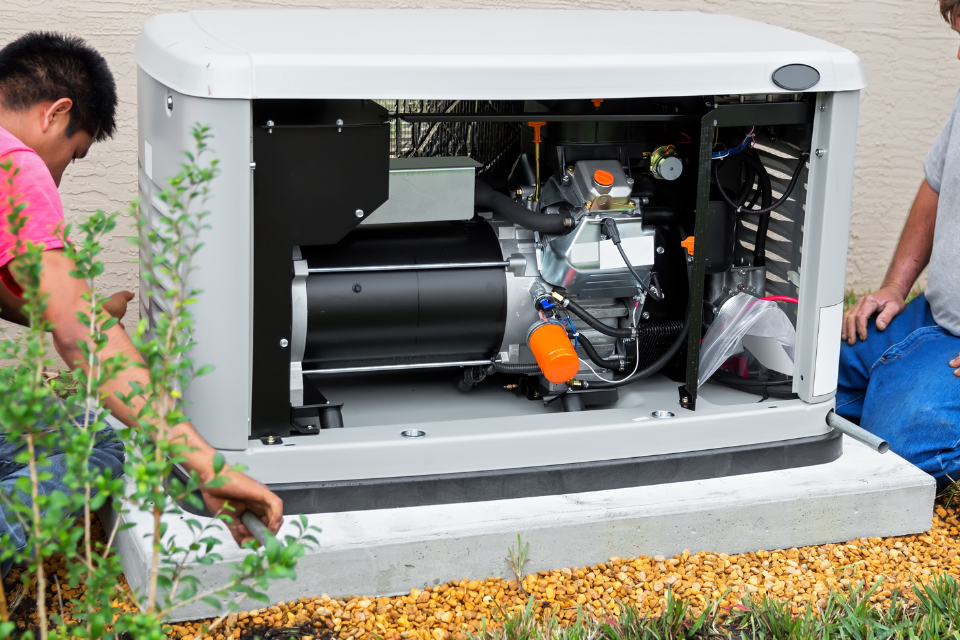
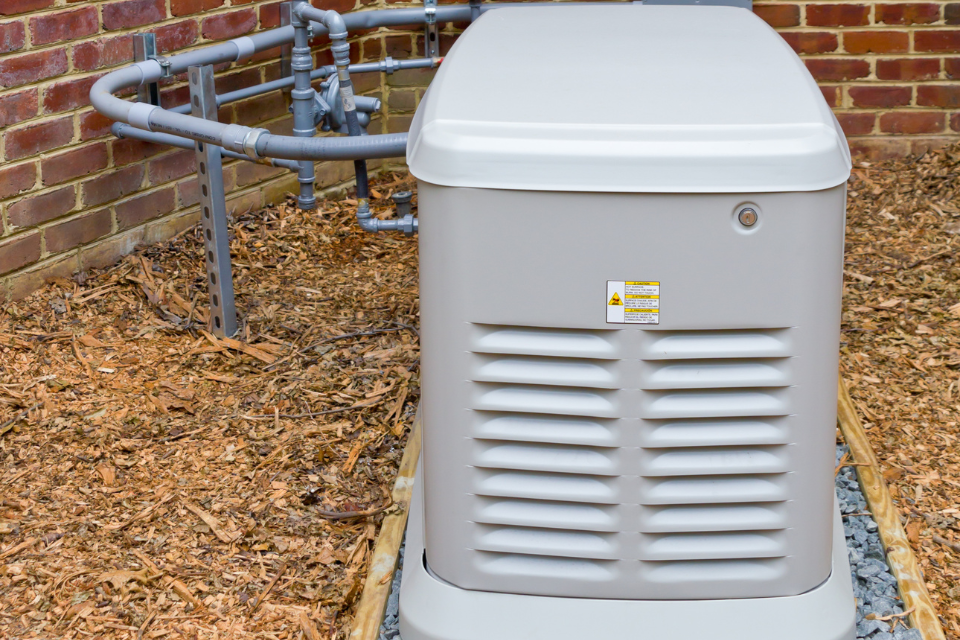
A whole home generator—sometimes called a standby generator—is a permanently installed backup power system that automatically supplies electricity to your home during an outage.
Unlike portable generators that require manual setup, fueling, extension cords, and constant monitoring, whole home generators operate automatically.
When utility power fails:
- The system detects the outage.
- The generator starts automatically.
- An automatic transfer switch redirects power to your home's electrical panel.
- Essential systems continue operating.
Most homeowners experience only a brief interruption before power is restored by the generator.
The process happens without needing to leave the couch, start equipment manually, or run extension cords throughout the house.
Why Are Whole Home Generators Becoming More Popular?
The way we use our homes has changed dramatically over the last decade.
Today's homes rely on electricity for nearly everything:
- Heating systems
- Air conditioning
- Refrigerators and freezers
- Internet service
- Home offices
- Medical equipment
- Security systems
- Smart home technology
- Water heaters
- Well pumps
As dependence on electrical systems increases, outages become more disruptive.
For many homeowners, losing power now affects comfort, productivity, safety, and convenience all at once.
A standby generator provides peace of mind by keeping critical systems operational when utility service fails.
How Does a Whole Home Generator Work?
While the technology sounds complicated, the basic process is relatively straightforward.
Three primary components work together:
Generator Unit
The generator itself produces electricity.
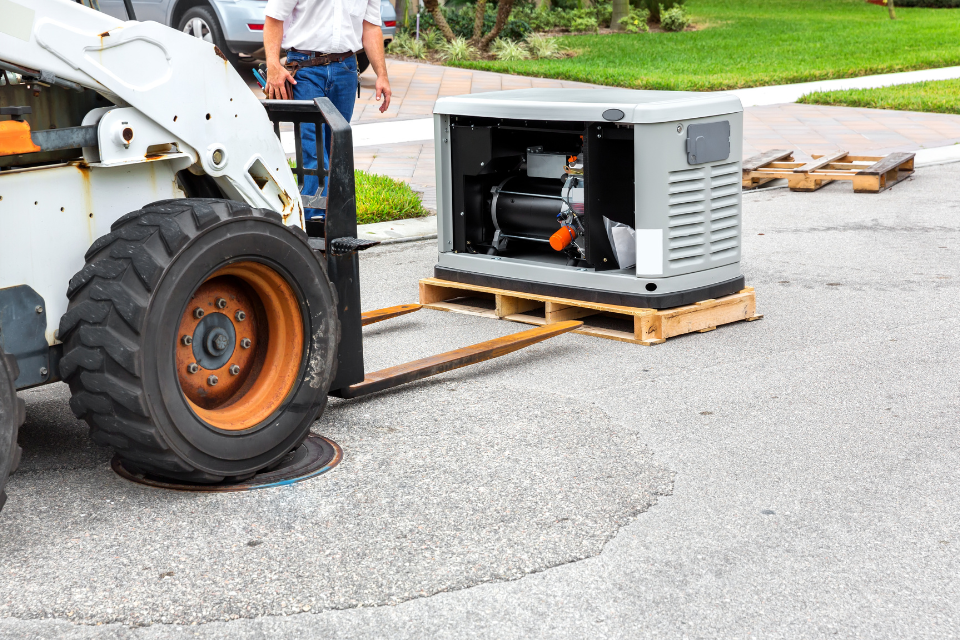
Most residential systems are installed outside the home on a concrete pad, similar to an outdoor air conditioning unit.
The enclosure protects internal components from weather while allowing proper ventilation.
Automatic Transfer Switch
The transfer switch is what makes standby generators automatic.
This device constantly monitors utility power.
When an outage occurs, the switch disconnects the home from the utility grid and safely connects it to generator power.
When utility service returns, the transfer switch reverses the process automatically.
This prevents dangerous backfeeding and ensures safe operation.
Fuel Source
Most whole home generators use either:
- Natural gas
- Propane
These fuel sources allow generators to run continuously without requiring homeowners to refill gasoline tanks.
Natural gas is particularly popular because it connects directly to existing utility service.
Whole Home Generator vs. Portable Generator
Many homeowners initially consider purchasing a portable generator.
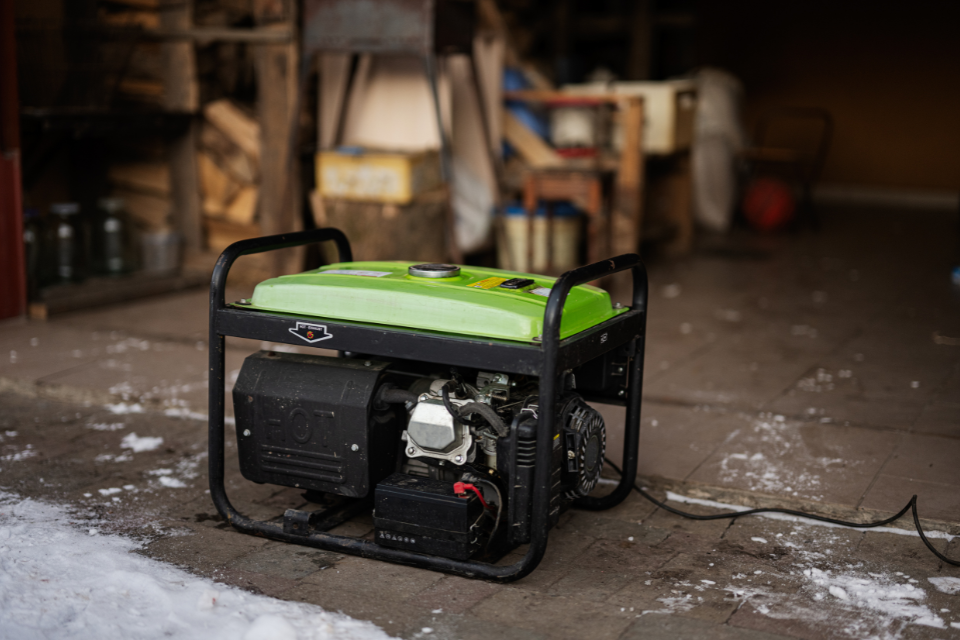
While portable units can provide temporary backup power, there are significant differences between the two systems.
Portable Generators
Advantages:
- Lower initial cost
- Mobile
- Useful for occasional emergencies
Limitations:
- Manual setup required
- Fuel storage needed
- Limited power capacity
- Extension cords often necessary
- Exposure to weather
- Regular monitoring required
Whole Home Generators
Advantages:
- Fully automatic operation
- Powers entire home or selected circuits
- Runs for extended periods
- No extension cords
- Increased convenience
- Greater reliability
Limitations:
- Higher installation cost
- Professional installation required
For homeowners seeking seamless backup power, whole home generators provide a dramatically different experience.

What Can a Whole Home Generator Power?
This depends primarily on system size.
Some generators are designed to support essential circuits only.
Others can power nearly every electrical system in the home simultaneously.
Common systems include:
- Refrigerators
- Freezers
- HVAC equipment
- Furnaces
- Water heaters
- Sump pumps
- Lighting
- Security systems
- Medical equipment
- Garage doors
- Kitchen appliances
- Internet and communication equipment
Larger systems may support entire homes with little noticeable difference from utility power.
Do You Need to Power the Entire House?
Not necessarily.
Many homeowners choose a partial-home approach.
Instead of powering every circuit, the generator prioritizes critical systems such as:
- Heating and cooling
- Refrigeration
- Internet
- Lighting
- Medical devices
- Water systems
This approach can reduce installation costs while still protecting the most important functions of the home.
The best setup depends on lifestyle, household needs, and budget.
Benefits of a Whole Home Generator
There are several reasons homeowners choose standby generators beyond simple convenience.
Protection During Winter Storms
Colorado weather can be unpredictable.
Heavy snow, ice accumulation, and wind events can sometimes impact electrical infrastructure.
During winter outages, maintaining heat becomes a major concern.
A generator helps ensure critical heating systems continue operating, reducing risks associated with freezing temperatures.
Preventing Frozen Pipes
One of the most expensive consequences of winter outages is frozen plumbing.
When temperatures drop and heating systems shut down, pipes can freeze and eventually burst.
Water damage from burst pipes often leads to:
- Drywall replacement
- Flooring repairs
- Cabinet damage
- Mold remediation
Preventing pipe freezing alone may justify generator installation for some homeowners.
→ Read: The Most Expensive Home Repairs Start Small
Keeping Food and Medication Safe
Extended outages can spoil hundreds of dollars worth of refrigerated and frozen food.
Some households also depend on refrigeration for medications.
Backup power helps protect these critical items during outages.
Working From Home Without Interruption
Remote work has become increasingly common.
Power outages can disrupt:
- Meetings
- Internet connectivity
- Productivity
- Business operations
For homeowners who work remotely, standby power provides continuity and peace of mind.
Increased Home Comfort
Power outages affect more than lighting.
They often eliminate:
- Air conditioning
- Heating
- Entertainment systems
- Appliances
- Device charging
A generator allows normal household routines to continue during outages.
Security System Protection
Many modern homes rely heavily on technology.
Outages may impact:
- Cameras
- Smart locks
- Monitoring systems
- Wi-Fi networks
Backup power helps maintain security infrastructure during emergencies.
Potential Home Value Benefits
Whole home generators are increasingly viewed as premium home upgrades.
While resale value varies by market conditions, many buyers appreciate:
- Added reliability
- Emergency preparedness
- Convenience
- Protection against outages
In some situations, generator systems may help differentiate a home from competing listings.
Choosing the Right Generator Size
One of the most important decisions involves proper sizing.
An undersized generator may struggle to meet demand.
An oversized generator may cost more than necessary.
Professional load calculations evaluate:
- Square footage
- Electrical usage
- HVAC requirements
- Appliance demands
- Water heating systems
- Future expansion plans
The goal is balancing performance and cost.
Common Generator Sizes
Residential generators commonly range between:
10–14 kW
Suitable for:
- Essential circuits
- Smaller homes
- Basic backup needs
18–24 kW
Popular for:
- Medium-sized homes
- HVAC systems
- Multiple appliances
26–38+ kW
Often selected for:
- Larger homes
- Whole-home coverage
- Significant electrical demands
Proper sizing should always be determined through professional evaluation rather than guesswork.
Natural Gas vs. Propane Generators
Most residential standby generators use one of these fuel sources.
Natural Gas
Advantages:
- Continuous utility supply
- No onsite fuel storage
- Lower maintenance requirements
- Convenient operation
Potential limitations:
- Utility interruptions are possible during extreme events
Propane
Advantages:
- Independent fuel storage
- Reliable backup supply
- Long fuel shelf life
Potential limitations:
- Tank refills required
- Limited fuel capacity
Both options can perform extremely well when properly installed.
How Much Does a Whole Home Generator Cost?
Several factors influence pricing:
- Generator size
- Electrical upgrades
- Fuel source
- Site preparation
- Transfer switch installation
- Permit requirements
- Local code compliance
Costs vary significantly depending on project scope.
The total investment includes both equipment and professional installation.
Because every property differs, personalized estimates provide the most accurate information.
Why Professional Installation Matters
Whole home generators connect directly to critical electrical infrastructure.
Installation requires expertise involving:
- Electrical systems
- Fuel connections
- Transfer switches
- Load calculations
- Local permitting
- Code compliance
Improper installation can create serious safety concerns.
Professional installation ensures safe, reliable performance for years to come.
Generator Maintenance Requirements
Like any mechanical system, generators require routine maintenance.
Fortunately, modern systems are designed to simplify upkeep.
Common maintenance tasks include:
- Oil changes
- Filter replacement
- Battery inspection
- Fuel system checks
- Software updates
- Operational testing
Many units perform automatic self-tests regularly to verify readiness.
Routine maintenance helps maximize reliability and lifespan.
How Long Do Whole Home Generators Last?
Lifespan depends on:
- Maintenance practices
- Usage frequency
- Installation quality
- Environmental conditions
Many residential generators provide dependable service for 20 years or longer when properly maintained.
Regular inspections and preventative service play a major role in longevity.
Common Myths About Whole Home Generators
Myth #1: They're Only for Large Homes
Generators can be sized for many different property types and electrical needs.
Myth #2: They Run Constantly
Standby generators only operate during outages and periodic self-testing cycles.
Myth #3: They're Too Complicated
Modern systems are highly automated and designed for simple homeowner operation.
Myth #4: Outages Don't Last Long Enough to Matter
Even short outages can disrupt comfort, productivity, refrigeration, and home systems.
Myth #5: Portable Generators Provide the Same Experience
Portable units can help during emergencies, but they don't offer the automation, capacity, or convenience of standby systems.
Is a Whole Home Generator Worth It?
For many homeowners, the answer comes down to risk tolerance and lifestyle.
A whole home generator may be especially valuable if:
- You work from home
- You rely on medical equipment
- You have young children
- You experience frequent outages
- You want uninterrupted comfort
- You travel frequently
- You own a larger home
- You want additional peace of mind
The less tolerant your household is of power interruptions, the more valuable a standby generator becomes.
Questions to Ask Before Installing a Generator
Before moving forward, consider:
How often do outages occur?
Which systems are most important to keep running?
Do you want whole-home coverage or essential circuits only?
What fuel source is available?
How long do you plan to stay in the home?
Are future electrical upgrades planned?
Answering these questions helps determine the most practical solution.
Final Thoughts
Power outages are unpredictable.
Whether caused by severe weather, utility issues, equipment failures, or unexpected emergencies, losing power affects nearly every aspect of modern life.
A whole home generator provides more than backup electricity.
It provides comfort.
Convenience.
Protection.
And confidence that your home's most important systems will continue operating when you need them most.
For homeowners in Colorado Springs, where weather conditions can change quickly and household reliance on electrical systems continues to grow, a standby generator can be one of the most practical investments in long-term home resilience.
The key is choosing the right system, sizing it correctly, and having it professionally installed so it performs exactly as intended when the lights go out.