Do Older Homes in Colorado Springs Need Electrical Upgrades Before Remodeling?
If you own a home built in the 70s, 80s, or 90s in Colorado Springs and you’re planning a remodel, this question should come up early:
Do we need to upgrade the electrical before we start?
The short answer?
Sometimes yes. Sometimes absolutely yes.
And ignoring it can derail your project halfway through construction.
Let’s walk through what actually matters.
Why Electrical Comes Up During Remodeling
Remodeling today isn’t just new cabinets and paint.
Modern homes demand more power than they did 30–40 years ago:
- Larger refrigerators
- Double ovens
- Induction cooktops
- Tankless water heaters
- EV chargers
- Heated floors
- Home offices
- Smart home systems
Older electrical systems weren’t designed for that load.
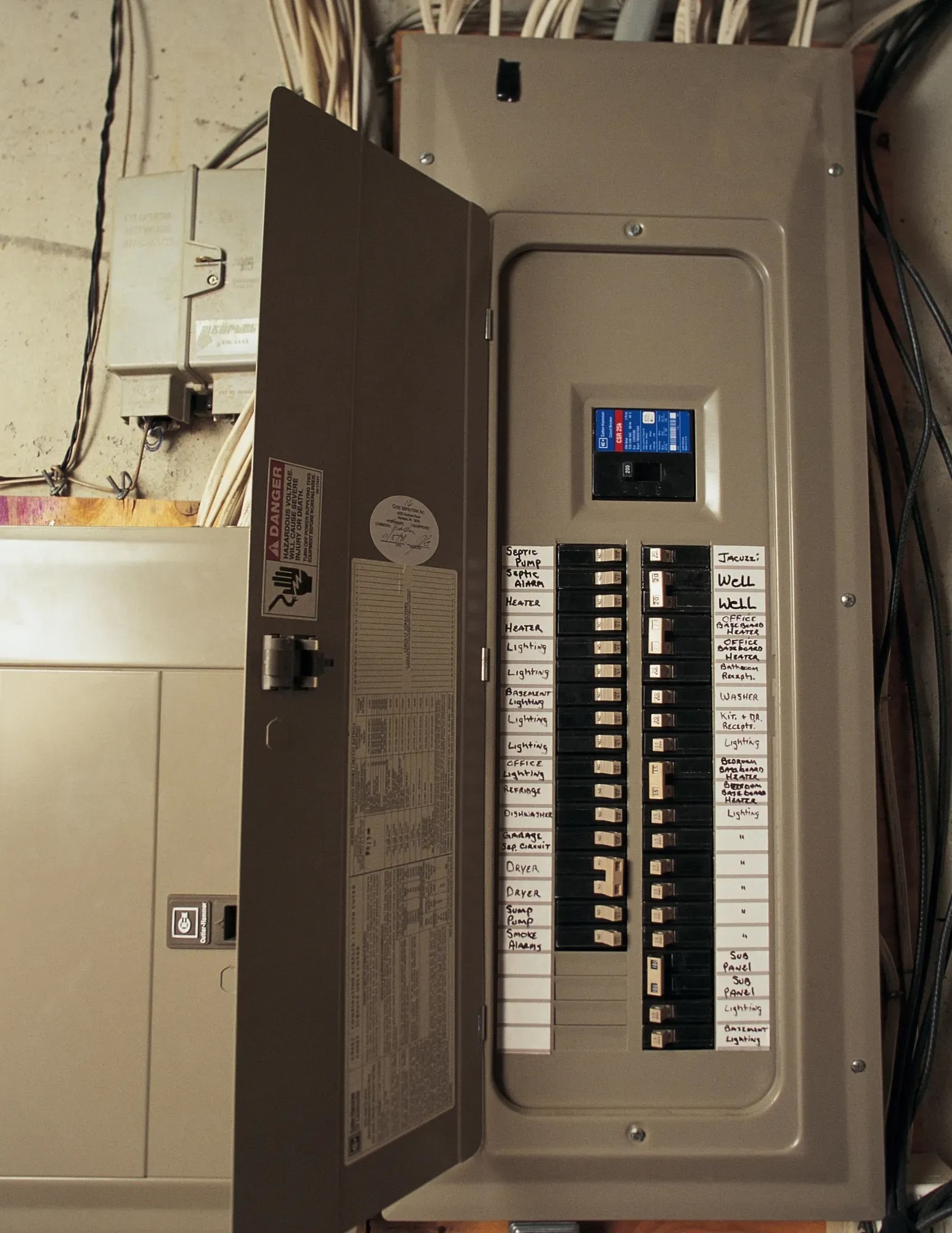
When you remodel — especially kitchens, bathrooms, or basements — your electrical system gets stress-tested.
That’s when limitations show up.
The Age of Colorado Springs Housing Stock
A significant portion of homes in Colorado Springs were built between 1970 and 1995. Many of them have:
- 100-amp panels
- Limited kitchen circuits
- No dedicated appliance lines
- Minimal exterior outlets
- Outdated breaker boxes
That doesn’t mean they’re unsafe. But it does mean they may not support modern upgrades without modification.
Signs You Likely Need an Electrical Upgrade
If you’re remodeling, here’s what we look for:
1. 100-Amp Service
Most modern remodels benefit from 200-amp service. If you're adding:
- An EV charger
- A hot tub
- A finished basement
- High-end kitchen appliances
A 100-amp panel can become overloaded quickly.
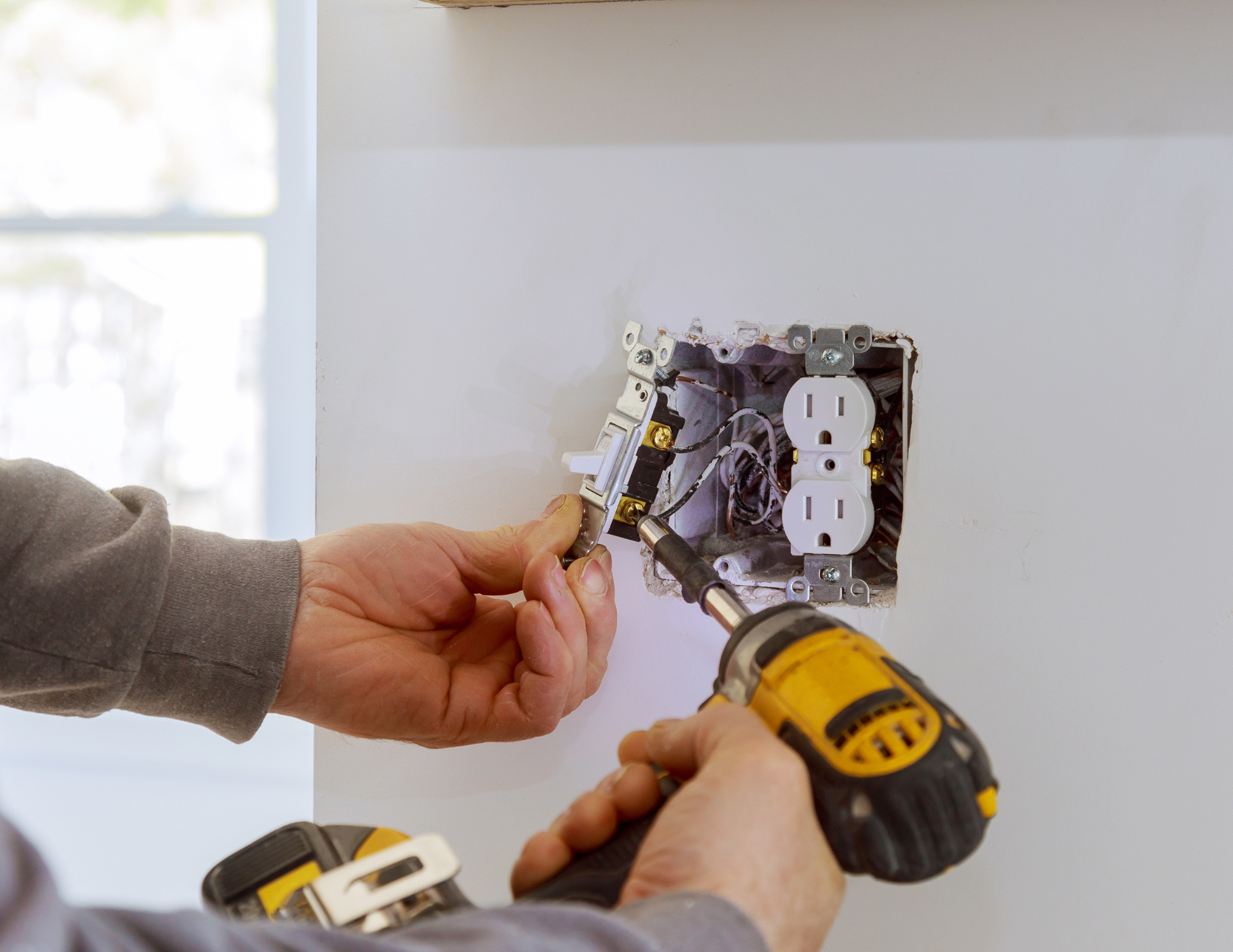
2. Full or Overcrowded Panel
If there’s no space for new breakers, you can’t add new circuits. Remodeling almost always requires new circuits.
3. Aluminum Branch Wiring
Some older homes used aluminum wiring. It’s not automatically dangerous, but it often requires remediation when updating.
4. Lack of GFCI / AFCI Protection
Current code requires updated safety protections in kitchens, bathrooms, basements, and bedrooms.
If walls are opened during remodeling, upgrades may be required to meet code.
Why It’s Cheaper to Upgrade During a Remodel
Here’s the practical side.
When walls are already open:
- Running new wire is easier
- Labor is more efficient
- Drywall patching is already planned
- Inspections are already happening
Upgrading electrical after a remodel is finished?
That means reopening walls you just paid to close.
Doing it during construction is almost always more cost-effective.
When You Might Not Need an Upgrade
Not every older home requires major work.
You may not need an upgrade if:
- You already have 200-amp service
- The panel has space
- Wiring is copper and in good condition
- You’re not adding major appliances
A qualified electrician should evaluate the system before finalizing remodeling plans.
Colorado Springs–Specific Considerations
There are local realities here:
- Many homes at elevation require higher HVAC loads
- Cold winters increase electric heating demand in some properties
- EV adoption is increasing locally
- Older neighborhoods may have service limitations from the utility
If you're planning long-term ownership, upgrading now may prevent headaches later.
The Bigger Picture: Remodeling Is About Infrastructure Too
Remodeling isn’t just cosmetic.
When you invest in your home, you’re investing in:
- Safety
- Capacity
- Longevity
- Resale value
Buyers notice updated panels. Inspectors flag outdated ones.
Electrical isn’t flashy — but it’s foundational.
Final Thoughts
Do older homes in Colorado Springs need electrical upgrades before remodeling?
Not always.
But if you're:
- Expanding your layout
- Upgrading appliances
- Finishing a basement
- Adding comfort features
It’s one of the first systems worth evaluating.
Because it’s far easier — and cheaper — to do it right while the walls are open.