If your heating and cooling bills seem to climb every year, you may be wondering whether replacing your windows is worth the investment.
It's one of the most common questions homeowners ask:
"Can new windows really lower my energy bills?"
The answer is yes—but perhaps not in the way most people expect.
New windows aren't a magic solution that instantly cuts your utility bill in half. However, if your current windows are old, drafty, single-pane, or no longer sealing properly, replacing them can significantly improve your home's energy efficiency, comfort, and overall performance.
For homeowners in Colorado Springs, where homes experience everything from freezing winter nights to hot, sunny summer afternoons, quality windows can make an even bigger difference. They help keep conditioned air inside, reduce unwanted heat transfer, and lessen the strain on your heating and cooling system.
Let's take a closer look at how windows affect your home's energy use, the signs it's time for replacement, and whether new windows are the right investment for your home.
How Windows Affect Your Energy Bills
Many homeowners think of insulation when they think about energy efficiency—but windows are just as important.
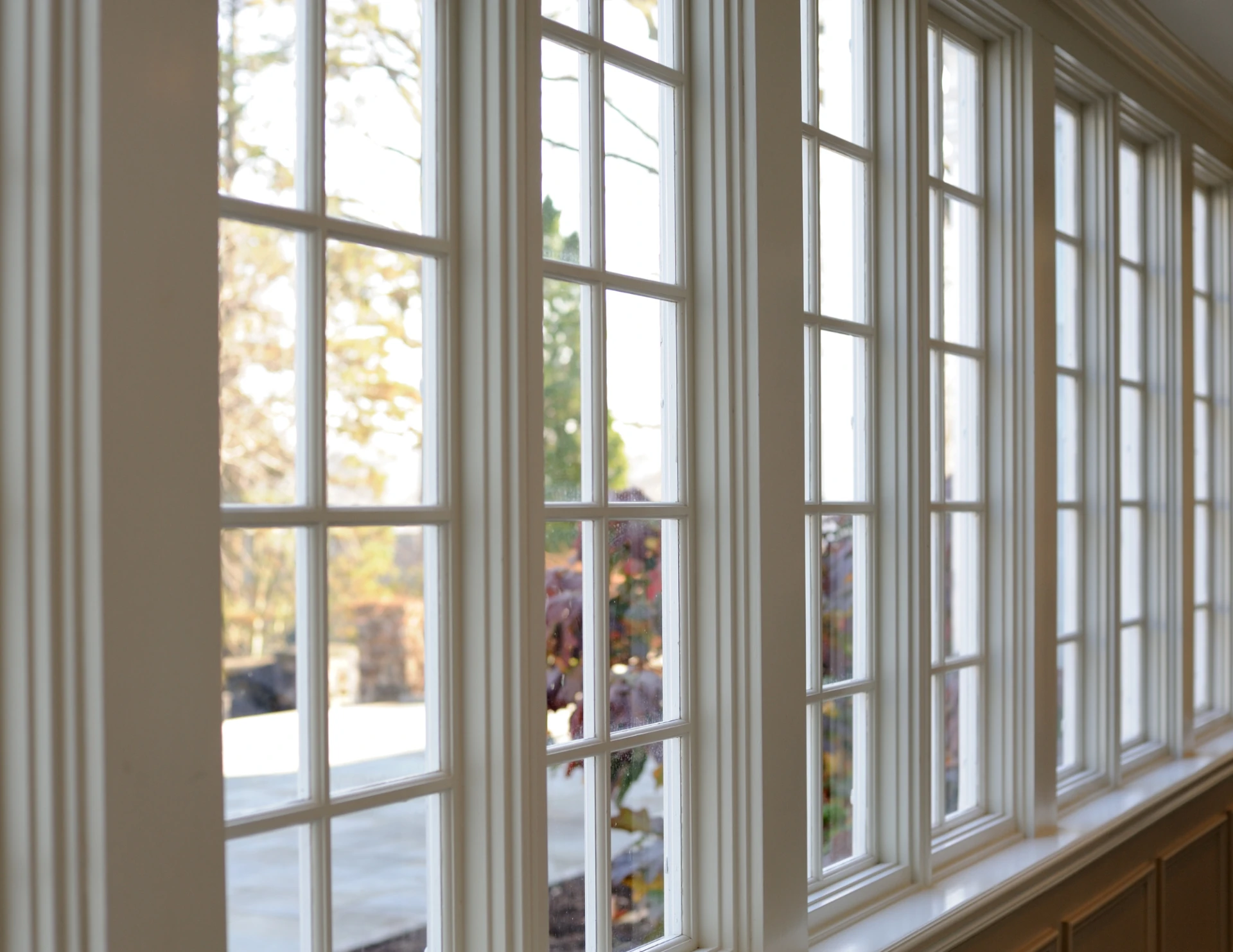
Every window is an opening in your home's exterior envelope. If that opening isn't properly insulated or sealed, it's one of the easiest places for heat to move in and out of your home.
During the summer:
- Hot outdoor air tries to enter your home.
- The sun heats the glass, warming nearby rooms.
- Your air conditioner works harder to remove that heat.
During the winter:
- Indoor heat escapes through inefficient windows.
- Cold air enters through drafts and leaks.
- Your furnace has to run longer to maintain comfortable temperatures.
Even if your HVAC system is working perfectly, inefficient windows force it to do more work than necessary.
What Makes Older Windows Less Efficient?
Not all windows are created equal.
If your home still has its original windows—especially if it was built 20, 30, or even 40 years ago—they may lack many of the energy-saving features found in modern replacement windows.
Common issues include:
- Single-pane glass
- Worn weatherstripping
- Failed seals
- Air leaks
- Warped frames
- Poor insulation
- Outdated materials
These problems allow conditioned air to escape while letting outdoor temperatures influence your home's interior.
Signs Your Windows May Be Costing You Money
You don't always need a professional inspection to recognize inefficient windows.
Some common warning signs include:
Drafts Around the Window
If you can feel moving air near a closed window, conditioned air is likely escaping.
Rooms That Are Always Hot or Cold
One room stays warm in the summer while another feels chilly during winter.
Poor-performing windows often contribute to these temperature differences.
Condensation Between Glass Panes
Moisture trapped inside double-pane glass usually indicates a failed seal.
Once the insulating gas escapes, the window becomes less energy efficient.
Windows That Are Difficult to Open
Older windows can warp over time, making them difficult to operate and preventing them from sealing properly.
Rising Utility Bills
If your heating and cooling costs continue increasing despite regular HVAC maintenance, your windows could be part of the problem.
How New Windows Improve Energy Efficiency
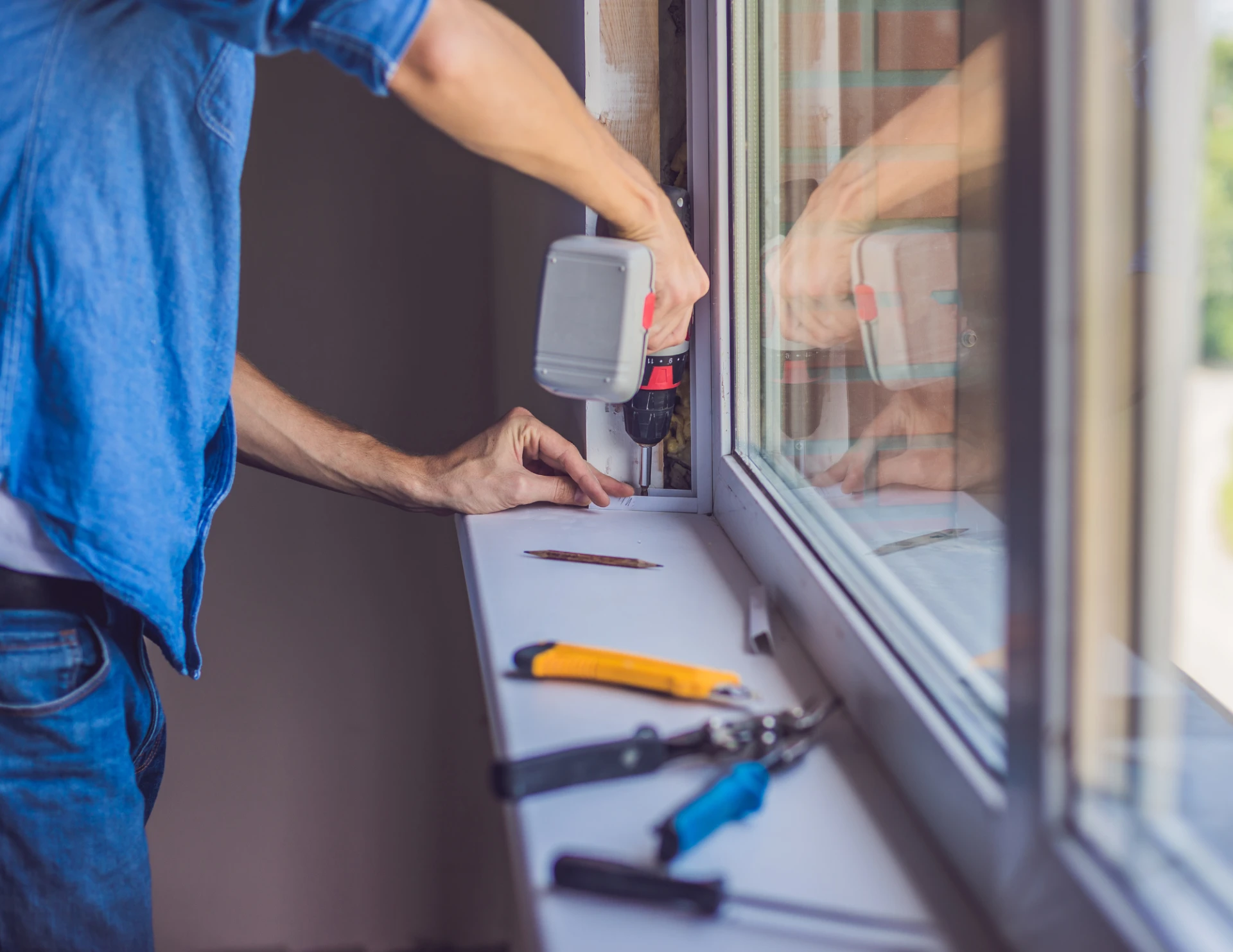
Modern replacement windows are designed to reduce unwanted heat transfer.
Several features work together to improve efficiency.
Double- or Triple-Pane Glass
Instead of a single layer of glass, modern windows use multiple panes separated by insulating air or gas-filled spaces.
These additional layers slow the movement of heat between the inside and outside of your home.
Low-E Glass Coatings
Many energy-efficient windows include a microscopic Low-E (low emissivity) coating.
This nearly invisible coating helps:
- Reflect unwanted summer heat
- Retain indoor heat during winter
- Reduce UV damage
- Improve indoor comfort
Because it reflects radiant heat rather than absorbing it, Low-E glass helps your home maintain a more consistent indoor temperature.
Argon Gas Between Panes
Many replacement windows are filled with argon gas instead of ordinary air.
Argon is denser than air, making it a better insulator and slowing heat transfer through the window.
Better Window Frames
Today's vinyl, fiberglass, and composite window frames provide much better insulation than many older aluminum frames.
Modern materials also resist warping, cracking, and moisture damage.
Improved Weather Seals
New windows are manufactured with tighter seals that reduce air leakage around the frame.
Even small improvements in air sealing can make a noticeable difference over time.
How Much Can New Windows Save?
This is the question every homeowner wants answered.
The truth is that energy savings vary from home to home.
Factors that influence savings include:
- Age of your existing windows
- Number of windows replaced
- Size of your home
- Local climate
- HVAC efficiency
- Attic insulation
- Air sealing
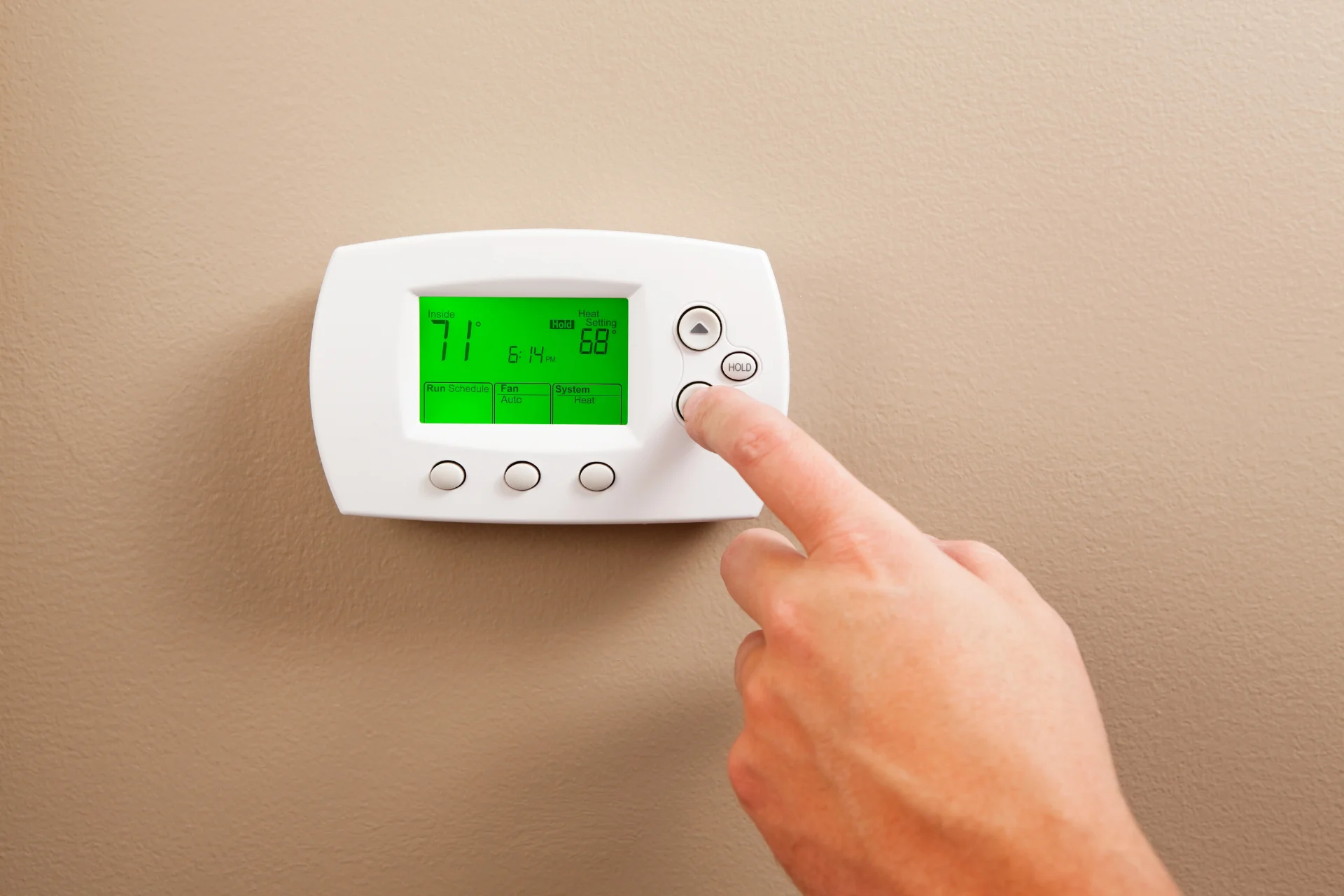
- Thermostat settings
Homes with very old, drafty windows often see the biggest improvements.
If your current windows are already relatively efficient, the energy savings may be more modest—but you'll still enjoy improvements in comfort, appearance, and home value.
It's Not Just About Utility Bills
Many homeowners replace windows because they're uncomfortable—not just because of energy costs.
Some of the biggest benefits aren't measured on your monthly bill.
More Consistent Temperatures
Cold spots near windows often disappear after replacement.
Rooms become more comfortable throughout the year.
Less Strain on Your HVAC System
When conditioned air stays inside the home longer, your furnace and air conditioner don't have to cycle as often.
Over time, reducing unnecessary wear may help extend the lifespan of your HVAC equipment.
Reduced Outside Noise
Modern insulated windows do an excellent job reducing noise from:
- Traffic
- Neighbors
- Lawn equipment
- Construction
- Wind
This creates a quieter indoor environment.
Improved UV Protection
Sunlight doesn't just heat your home.
Ultraviolet rays can also fade:
- Hardwood floors
- Furniture
- Rugs
- Curtains
- Artwork
Many modern windows block a significant amount of harmful UV radiation.
Why Windows Matter in Colorado Springs
Colorado Springs presents unique challenges for homeowners.
Our homes experience:
- Over 300 days of sunshine annually
- High elevation
- Intense UV exposure
- Large day-to-night temperature swings
- Snowy winters
- Warm summers
These conditions place extra demands on your home's windows.
South- and west-facing windows often receive intense afternoon sunlight during the summer, increasing indoor temperatures.
During winter, cold overnight temperatures make efficient windows even more valuable.
Replacing aging windows helps your home respond more effectively to Colorado's changing seasons.
Will New Windows Fix Every High Energy Bill?
Not necessarily.
Many homeowners assume windows are the only problem when energy bills rise.
In reality, several systems work together.
Your home's energy performance also depends on:
- Attic insulation
- Air sealing
- HVAC efficiency
- Roof ventilation
- Ductwork
- Doors
- Thermostat settings
If one part of the system isn't performing well, replacing windows alone may not solve every comfort issue.
That's why many contractors recommend evaluating the entire home before making major energy-efficiency investments.
Should You Replace Every Window at Once?
Not always.
Some homeowners choose to replace windows in phases.
This approach can make sense when:
- Budget is a concern
- Only certain windows are failing
- One side of the home receives intense sunlight
- Remodeling is already planned
However, replacing all windows at once often provides the most consistent appearance and performance.
Can New Windows Increase Home Value?
Yes.
Window replacement is consistently viewed as a desirable upgrade by homebuyers.
Benefits include:
- Improved curb appeal
- Better energy efficiency
- Modern appearance
- Lower maintenance
- Better comfort
- Increased buyer confidence
While replacement windows rarely return 100% of their installation cost immediately, they remain one of the more valuable long-term home improvements.
When Is the Best Time to Replace Windows?
Many homeowners assume window replacement should only happen during spring or summer.
In reality, windows can often be installed throughout much of the year.
Fall is especially popular because homeowners want improved efficiency before winter arrives.
Summer installations can also prepare the home for lower cooling costs during future seasons.
Are Replacement Windows Worth It?
If your current windows are:
- Drafty
- Difficult to open
- Fogged between panes
- Single-pane
- Damaged
- Noisy
- Poorly insulated
the answer is often yes.
Beyond energy savings, replacement windows improve daily comfort in ways homeowners notice immediately.
Many people are surprised that rooms become:
- Quieter
- More comfortable
- Easier to heat
- Easier to cool
- Brighter
- More enjoyable year-round
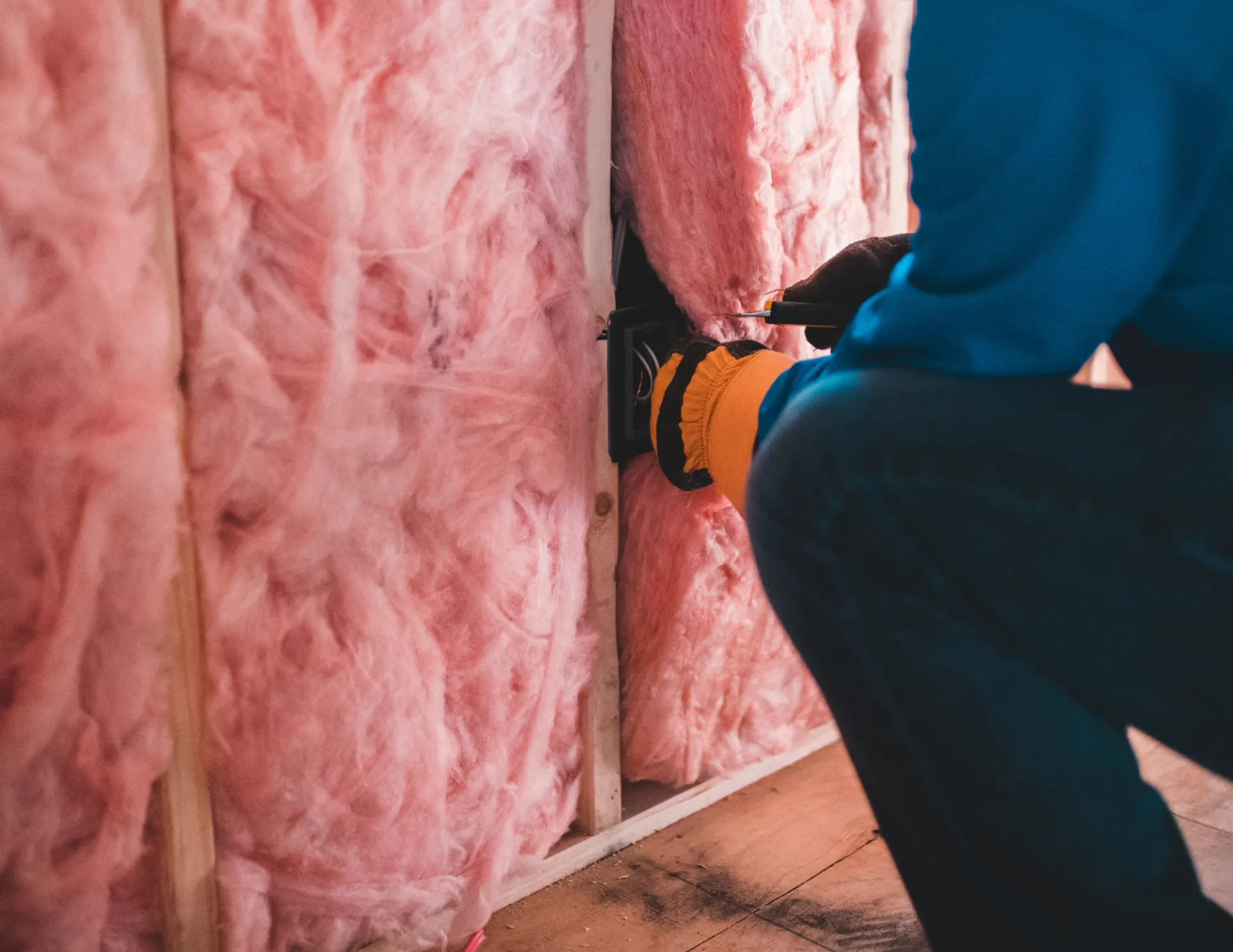
Other Ways to Improve Energy Efficiency
If replacing your windows isn't part of your immediate plans, there are still several ways to improve your home's performance.
Consider:
- Adding attic insulation
- Sealing air leaks
- Scheduling an HVAC tune-up
- Installing a programmable thermostat
- Replacing worn weatherstripping
- Using insulated curtains
- Closing blinds during peak afternoon sun
- Improving roof ventilation
Many homeowners achieve the greatest savings by combining several smaller improvements.
How HOMEfix Helps Colorado Springs Homeowners Improve Home Efficiency
Your windows are one of the most important parts of your home's comfort and energy performance.
Whether you're dealing with drafty rooms, rising utility bills, excessive summer heat, or aging windows that have simply reached the end of their lifespan, replacing your windows can be a smart investment in both your home and your quality of life.
At HOMEfix, we help Colorado Springs homeowners evaluate their home's overall performance—not just one component at a time.
From replacement windows and entry doors to attic insulation, roofing, HVAC, electrical services, and complete remodeling, our team takes a whole-home approach to comfort and efficiency.
Because we provide one team, every service, you don't have to coordinate multiple contractors to improve your home's energy performance.
Whether you're replacing a few windows or planning a larger renovation, we're here to help you make informed decisions that add comfort, efficiency, and long-term value.
Frequently Asked Questions
Do new windows really reduce energy bills?
Yes. Energy-efficient windows help reduce heat transfer, minimize air leaks, and improve insulation. The amount you save depends on your existing windows, your home's condition, and how much energy is currently being lost.
How do I know if my windows need replacing?
Common signs include drafts, condensation between panes, windows that are difficult to open, rising energy bills, fading furniture from UV exposure, and rooms that are consistently hotter or colder than the rest of the house.
Are double-pane windows worth it?
For most homeowners, yes. Double-pane windows provide better insulation than single-pane windows and help improve comfort, reduce outside noise, and lower heating and cooling demands.
Should I replace my windows or add more insulation first?
It depends on your home. If your attic insulation is inadequate or you have significant air leaks, addressing those issues may provide substantial benefits. A whole-home evaluation can help determine which improvements will have the greatest impact.