A home remodel is exciting — new spaces, better function, and upgrades that finally make your home work the way it should. But for many homeowners, one big question comes up early:
Can I stay in my home during a remodel, or do I need to move out?
The short answer: sometimes yes, sometimes no — and it depends on the type of remodel, your home’s layout, and how the project is managed.
In Colorado Springs, where many homes were built between the 1970s and early 2000s, remodels often involve updating aging systems while homeowners still live and work in the house. With the right planning and the right contractor, staying put is often possible — but it’s not always the best choice.
Here’s how to decide what’s realistic, what to expect, and how to minimize stress if you do stay home during a remodel.
The Short Answer: It Depends on the Scope
Whether you can stay in your home during a remodel depends on four main factors:
- What rooms are being remodeled
- How invasive the work is
- How long the project will take
- How the contractor manages trades, dust, and scheduling
A cosmetic update is very different from a full gut remodel. Replacing cabinets is not the same as relocating plumbing. Painting and flooring are not the same as electrical or structural changes.
Let’s break it down.

Remodels Where Staying Home Is Usually Possible
Many homeowners in Colorado Springs stay in their homes during remodeling — especially when work is contained to specific areas.
Bathroom Remodels (Sometimes)
You can often stay home during a bathroom remodel if you have another functional bathroom in the house.
What to expect:
- One bathroom is out of commission for several weeks
- Daily noise from demolition, tile cutting, and plumbing
- Limited access to water at certain times
- Dust containment barriers in hallways
If it’s your only bathroom, staying home becomes much more challenging. Temporary solutions can be arranged, but they aren’t ideal long-term.
Best-case scenario: Guest bath remodel while the primary bath remains usable.

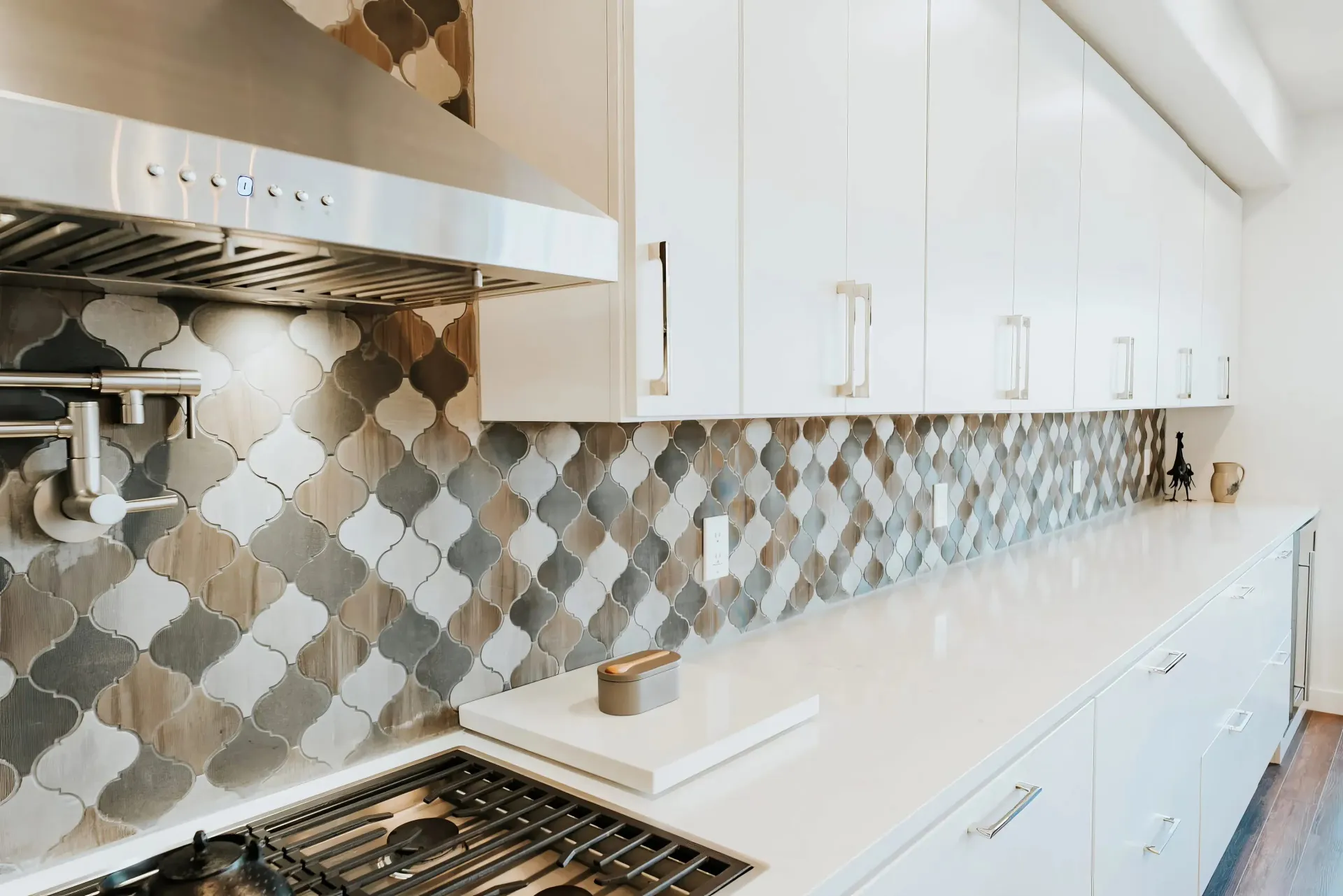
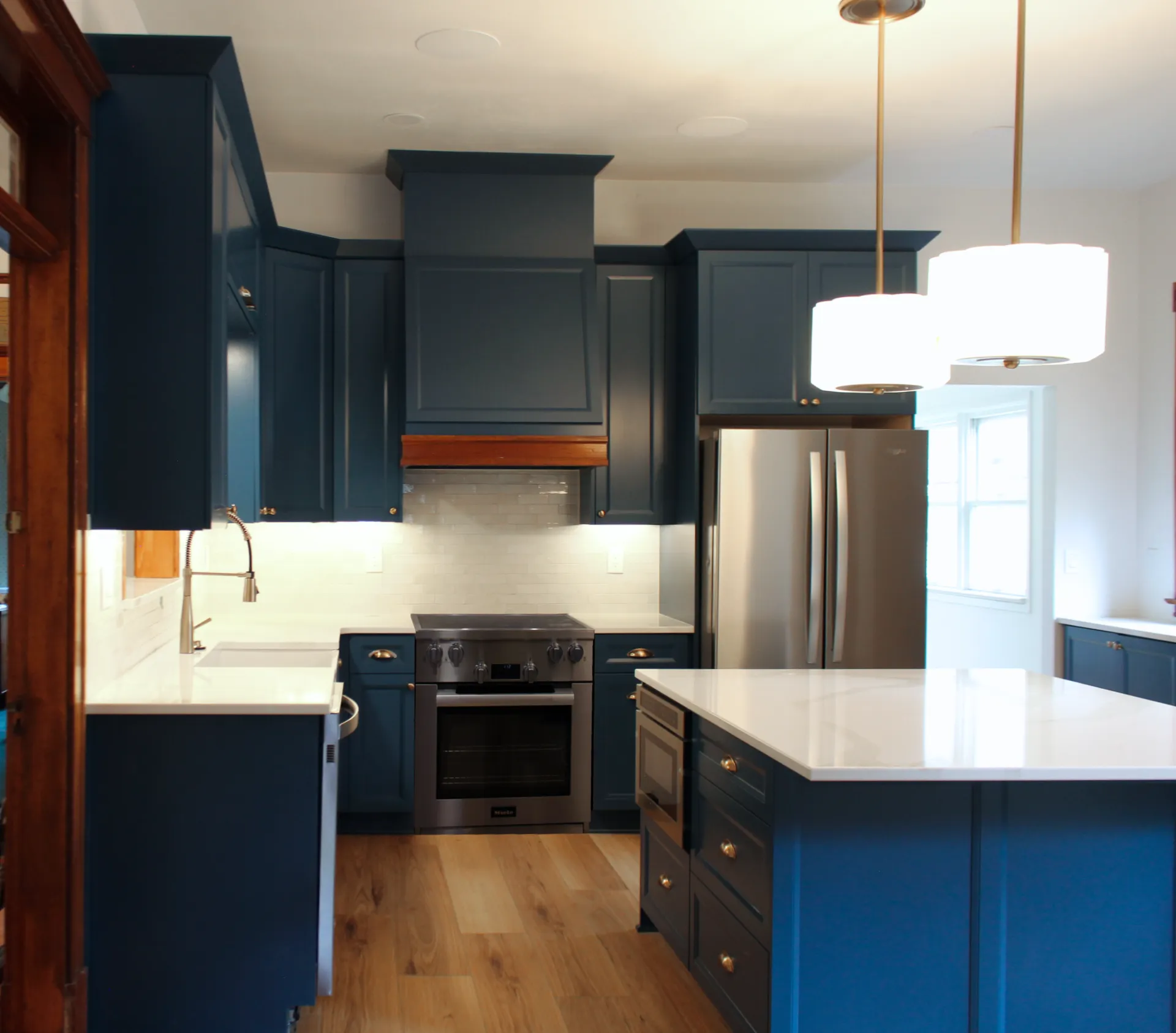
Kitchen Remodels (With Planning)
Kitchen remodels are more disruptive, but many homeowners still stay home.
You may be able to stay if:
- You set up a temporary kitchen (microwave, fridge, coffee maker)
- The remodel is phased (not a full gut all at once)
- The contractor provides clear timelines for appliance downtime
Expect:
- Limited cooking for several weeks
- Daily foot traffic from trades
- Noise during working hours
- Dust control measures throughout the house
In older Colorado Springs homes, kitchens often involve electrical or plumbing updates, which may temporarily shut off utilities.
Basement Remodels
Basement remodels are one of the easiest projects to live through, especially if the basement has a separate entrance.
Noise and dust are typically isolated, and daily routines upstairs remain mostly unaffected.
Exterior-Only Projects
If the remodel is limited to:
- Windows
- Doors
- Siding
- Roofing
- Exterior paint
- Gutters
You can almost always stay in your home with minimal disruption.
Remodels Where Staying Home Is Often Not Recommended
Some projects make living in the home unsafe, impractical, or extremely stressful.
Full Home Remodels
If multiple rooms are under construction at once — especially kitchens, bathrooms, and living areas — staying home is rarely comfortable.
Challenges include:
- Continuous noise
- Widespread dust
- Limited access to essential spaces
- Safety concerns
- Lack of privacy
Major Plumbing or Electrical Work
If your remodel includes:
- Relocating plumbing lines
- Electrical panel upgrades
- Whole-house rewiring
- Water or power shutoffs for extended periods
Staying home may not be practical, especially in winter months when heating systems depend on power.

Structural Changes
Removing walls, modifying load-bearing structures, or reframing areas often involves:
- Open ceilings or walls
- Exposed wiring and framing
- Temporary loss of HVAC efficiency
- Increased safety risks
In these cases, short-term relocation is often the smarter option.
Safety, Dust, and Air Quality: What Really Matters
Living through a remodel isn’t just about inconvenience — it’s about health and safety.
Dust Control
Professional remodelers use:
- Plastic barriers
- Zip walls
- Floor protection
- HEPA filtration
Still, fine dust travels. If anyone in your household has:
- Asthma
- Allergies
- Respiratory sensitivities
- Autoimmune conditions
Staying elsewhere may be the healthier choice.
Noise Levels
Expect:
- Demolition noise
- Sawing and drilling
- Tile cutting
- Compressor sounds
This can be especially challenging if you:
- Work from home
- Have young children
- Have pets sensitive to noise

Pets and Kids
Construction zones aren’t kid- or pet-friendly. Open doors, exposed materials, and loud tools can create safety risks.
Many families choose partial relocation — staying with family or booking short-term housing during the most disruptive phases.
Timeline Matters More Than You Think
One of the biggest factors in whether staying home works is how well the project is scheduled.
A remodel that drags on feels much harder to live through than one with:
- A clear start date
- A defined timeline
- Trades scheduled efficiently
- A project manager coordinating everything
Disorganization adds stress — not square footage.
How the Right Contractor Makes Staying Home Easier
This is where many remodel experiences go wrong.
When homeowners hire multiple trades separately, they often deal with:
- Missed schedules
- Long gaps between work
- Poor communication
- Extended disruption
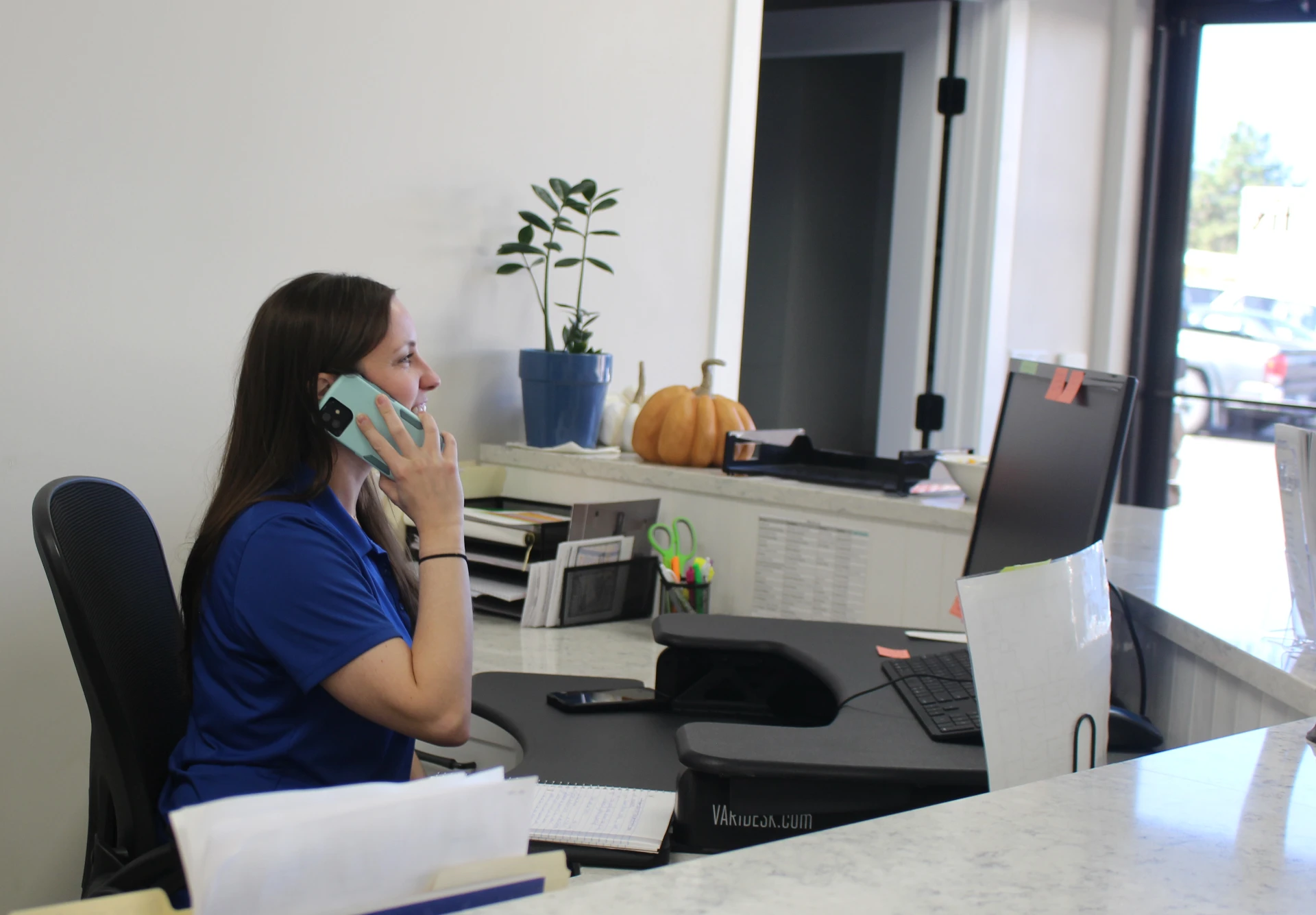
A full-service remodeling company with in-house trades and project management can dramatically reduce chaos.
That means:
- Fewer people coming and going
- Predictable work hours
- Clear expectations
- Faster completion
In Colorado Springs, this is especially important during winter, when weather delays can impact timelines.
Questions to Ask Before Deciding to Stay Home
Before committing to staying in your home during a remodel, ask your contractor:
- How long will this phase of work take?
- Will water or power be shut off? For how long?
- Which rooms will be inaccessible?
- How will dust be controlled?
- What are the loudest phases of the project?
- Will there be a dedicated project manager?
- What happens if the timeline shifts?
Clear answers upfront prevent frustration later.
Temporary Living Options to Consider
If staying home isn’t realistic for the full remodel, consider partial solutions:
- Short-term rentals
- Staying with family or friends
- Phased remodels where you leave only during key stages
- Scheduling the most disruptive work while you’re traveling
Many homeowners choose to relocate only during demolition and utility work, then return once systems are restored.
The Bottom Line: Should You Stay or Go?
You can stay in your home during many remodels — but that doesn’t always mean you should.
Staying home works best when:
- The remodel is limited in scope
- You have alternative bathrooms or living spaces
- The contractor manages everything in-house
- Timelines and communication are clear
Relocating is often better when:
- Multiple rooms are under construction
- Utilities will be offline
- Health, safety, or stress levels are a concern
A good remodel should improve your life — not turn it upside down.
Final Thoughts
A well-planned remodel doesn’t have to be overwhelming. With realistic expectations, smart scheduling, and a team that handles the details, many Colorado Springs homeowners successfully stay in their homes during renovation projects.
The key is knowing what you’re walking into — and working with professionals who respect your time, your space, and your comfort.
If you’re planning a remodel and aren’t sure what’s realistic for your home, start with a conversation. The right plan makes all the difference.