Can You Add More Electrical Outlets Without Rewiring?
If you've ever found yourself searching for an extension cord, unplugging one device to charge another, or relying on a power strip behind your entertainment center, you've probably wondered:
"Can I add more outlets without rewiring my whole house?"
The short answer is yes—in many cases, you can.
Adding electrical outlets is one of the most common home improvement projects homeowners request, and it doesn't always require a complete electrical overhaul. In many homes, a licensed electrician can install additional outlets by extending an existing circuit, provided your electrical system has the capacity to safely support the added load.
However, every home is different. The age of your house, the condition of your electrical system, the location of the new outlet, and how much electricity that circuit already uses all play an important role in determining the best solution.
For homeowners in Colorado Springs, where many neighborhoods feature homes built across several decades, electrical systems can vary significantly. Some homes were designed long before today's technology-heavy lifestyles, making outlet shortages a common issue.
Let's explore when adding outlets is simple, when rewiring may be necessary, and how to make sure your home's electrical system is safe and ready for modern living.
Why Modern Homes Need More Outlets
When many homes were built, families simply didn't use as many electrical devices as they do today.
A typical household now powers:
- Smartphones
- Tablets
- Laptops
- Smart TVs
- Gaming systems
- Streaming devices
- Wi-Fi equipment
- Home office setups
- Kitchen appliances
- Coffee makers
- Air fryers
- Robot vacuums
- Security systems
- Smart home devices
- Electric vehicle chargers
Even though today's appliances are often more energy efficient, we're plugging in more devices than ever before.
If your home was built 20, 30, or even 50 years ago, there's a good chance it wasn't designed with this level of electrical demand in mind.
Can You Really Add an Outlet Without Rewiring?
In many situations, yes.
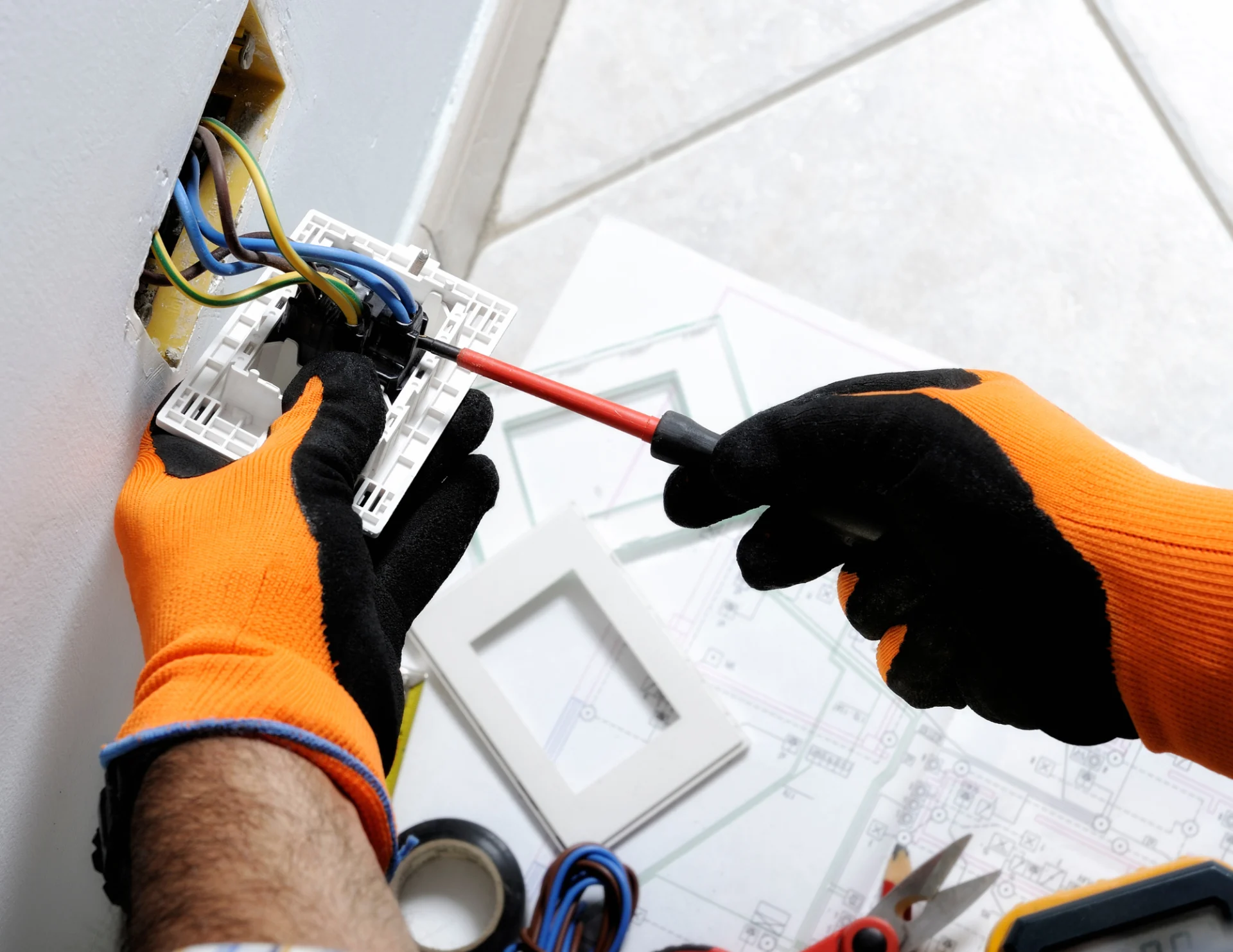
If an existing electrical circuit has enough available capacity, an electrician can often extend wiring from a nearby outlet to install another one.
This process typically involves:
- Evaluating the existing circuit
- Confirming available electrical capacity
- Running new wiring between outlets
- Installing a properly grounded electrical box
- Testing the completed installation
The rest of your home's wiring stays exactly where it is.
For many homeowners, this is the simplest and most affordable way to improve convenience.
When Adding an Outlet Is Usually Straightforward
Adding an outlet is often relatively simple when:
- The new outlet is close to an existing one
- The circuit isn't overloaded
- Modern wiring already exists
- There's easy wall access
- The electrical panel has adequate capacity
Examples include:
Living Rooms
Adding outlets behind televisions or entertainment centers.
Bedrooms
Installing outlets beside the bed for charging devices.
Home Offices
Adding outlets for computers, printers, monitors, and other equipment.
Garages
Installing additional outlets for tools or workbenches.
Basements
Adding outlets during a basement finishing project.
When Rewiring May Be Necessary
Although many outlet installations don't require extensive electrical work, there are situations where rewiring becomes the safer and more practical solution.
Your Home Has Older Wiring
Older homes may contain outdated wiring that no longer meets today's electrical standards.
Examples include aging wiring systems that may lack modern grounding or have deteriorated insulation.
In these situations, simply adding another outlet may not address the larger safety concern.
The Existing Circuit Is Already Full
Every electrical circuit has a maximum amount of electricity it can safely handle.
If that circuit already powers several rooms or multiple high-demand appliances, adding another outlet may overload it.
Instead, your electrician may recommend running a new dedicated circuit.
You're Remodeling
If walls are already open during a remodel, it's often the ideal time to upgrade wiring.
Kitchen remodels, bathroom renovations, basement finishes, and additions provide excellent opportunities to improve your home's electrical system while access is easy.
Planning ahead now can save time and money later.
You're Installing High-Powered Equipment
Some equipment requires dedicated circuits, including:
- Electric vehicle chargers
- Hot tubs
- Large air compressors
- Workshop equipment
- Major kitchen appliances
In these situations, adding another standard outlet isn't enough.
A dedicated circuit provides the safest solution.
Signs Your Home Needs More Outlets
Many homeowners don't realize they're compensating for an insufficient number of outlets.
Common signs include:
- Extension cords in every room
- Multiple power strips
- Daisy-chained surge protectors
- Frequently unplugging devices
- Furniture blocking outlet access
- Chargers scattered throughout the home
While these workarounds may seem harmless, they can become inconvenient and, in some cases, create safety concerns.
Where Homeowners Commonly Add Outlets
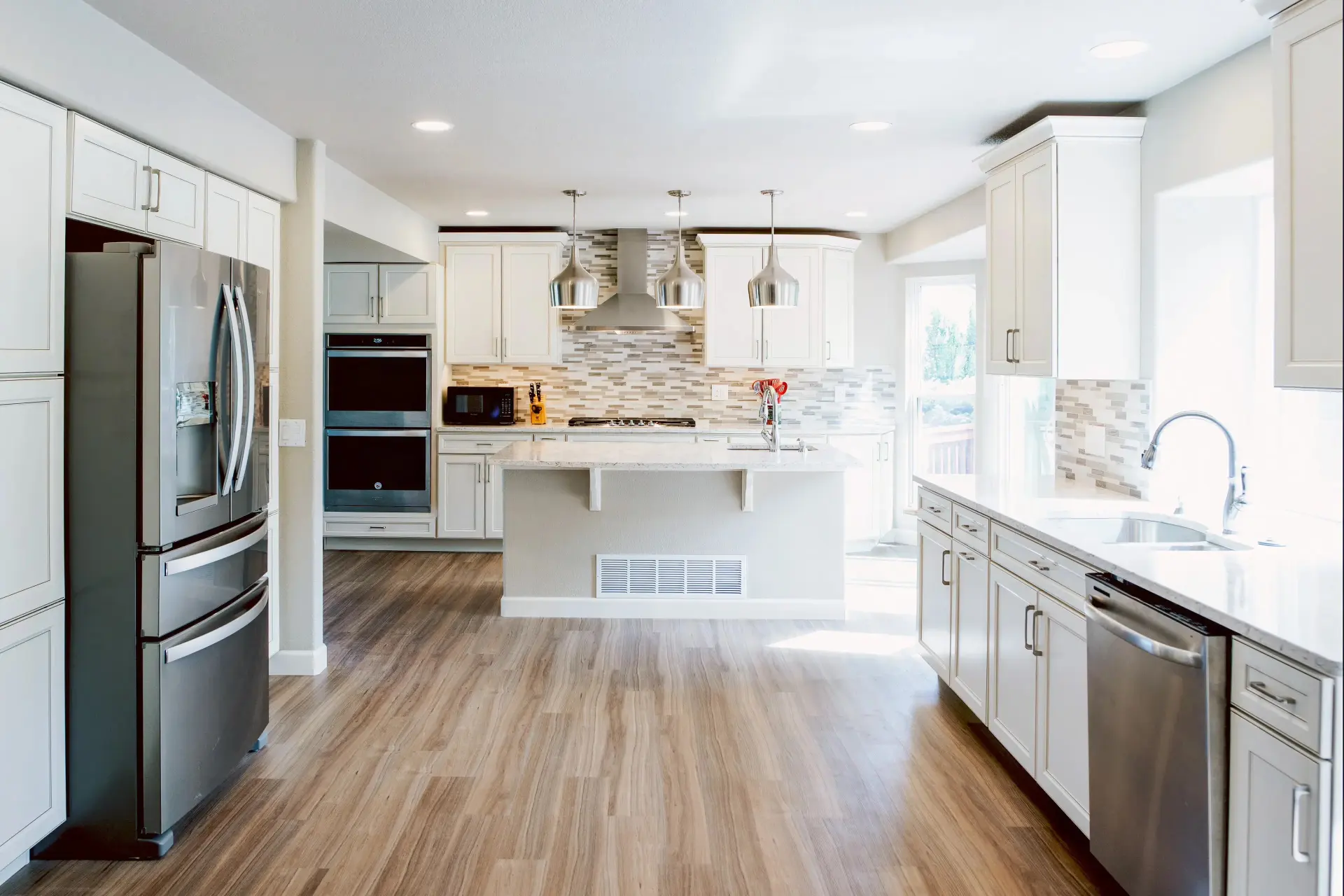
Kitchen
Today's kitchens use far more countertop appliances than in previous decades.
Popular additions include outlets for:
- Coffee stations
- Air fryers
- Mixers
- Charging drawers
- Kitchen islands
Home Office
Remote work has increased demand for conveniently located outlets.
Many home offices benefit from additional outlets for:
- Multiple monitors
- Printers
- Standing desks
- Chargers
- Internet equipment
Garage
Garages have evolved into workshops, gyms, and hobby spaces.
Additional outlets support:
- Power tools
- Battery chargers
- Garage refrigerators
- Workbenches
- Lighting
Living Room
Entertainment centers often require far more outlets than originally installed.
Hidden outlets behind mounted TVs can improve both convenience and appearance.
Bedrooms
Nightstands frequently need outlets for:
- Phone chargers
- Lamps
- Alarm clocks
- CPAP machines
- Smart speakers
Is It Safe to Use Extension Cords Instead?
Extension cords are intended for temporary use.
They aren't designed to replace permanent electrical wiring.
Over time, relying on extension cords throughout your home can create:
- Tripping hazards
- Clutter
- Overloaded circuits
- Damaged cords
- Fire risks if misused
If you're consistently using extension cords in the same location, it's often a sign that another outlet would better meet your needs.
Should You Add USB Outlets?
Many homeowners now choose outlets that include built-in USB charging ports.
These outlets allow you to charge phones, tablets, and other devices without using bulky charging adapters.
Benefits include:
- Cleaner appearance
- Fewer charging blocks
- More available plug space
- Convenient bedside charging
They're especially popular in:
- Kitchens
- Bedrooms
- Home offices
- Living rooms
What About Smart Outlets?
Smart outlets continue growing in popularity.
Depending on the model, they may allow you to:
- Schedule devices
- Monitor energy usage
- Control outlets remotely
- Integrate with smart home systems
- Improve convenience
These upgrades are often installed during remodeling projects or electrical improvements.
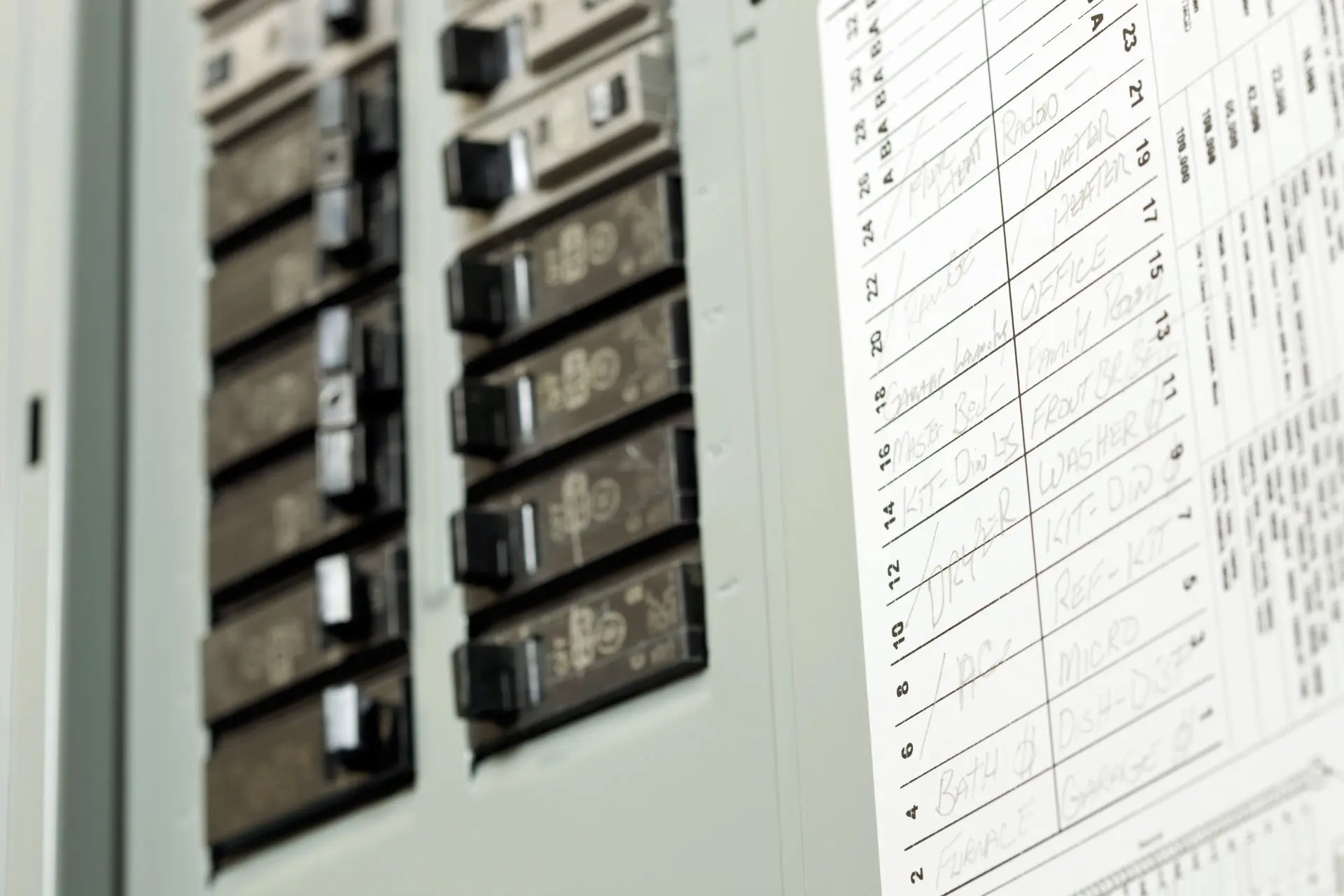
Could Your Electrical Panel Be the Real Issue?
Sometimes the lack of outlets isn't the biggest concern.
Older homes may have electrical panels that weren't designed for today's electrical demands.
Signs your panel may need evaluation include:
- Frequently tripped breakers
- Flickering lights
- Limited available circuits
- Planned home additions
- Electric vehicle installation
- Major remodeling
An electrical panel upgrade can improve safety while allowing future expansion.
Why Homeowners Add Outlets During Remodeling
One of the best times to add outlets is during a remodeling project.
Whether you're renovating a kitchen, basement, bathroom, or entire home, walls are often already open.
This allows electricians to:
- Add outlets exactly where needed
- Improve lighting layouts
- Upgrade switches
- Install USB outlets
- Add dedicated appliance circuits
- Prepare for future technology
Planning electrical improvements during remodeling often results in a cleaner, more functional finished space.
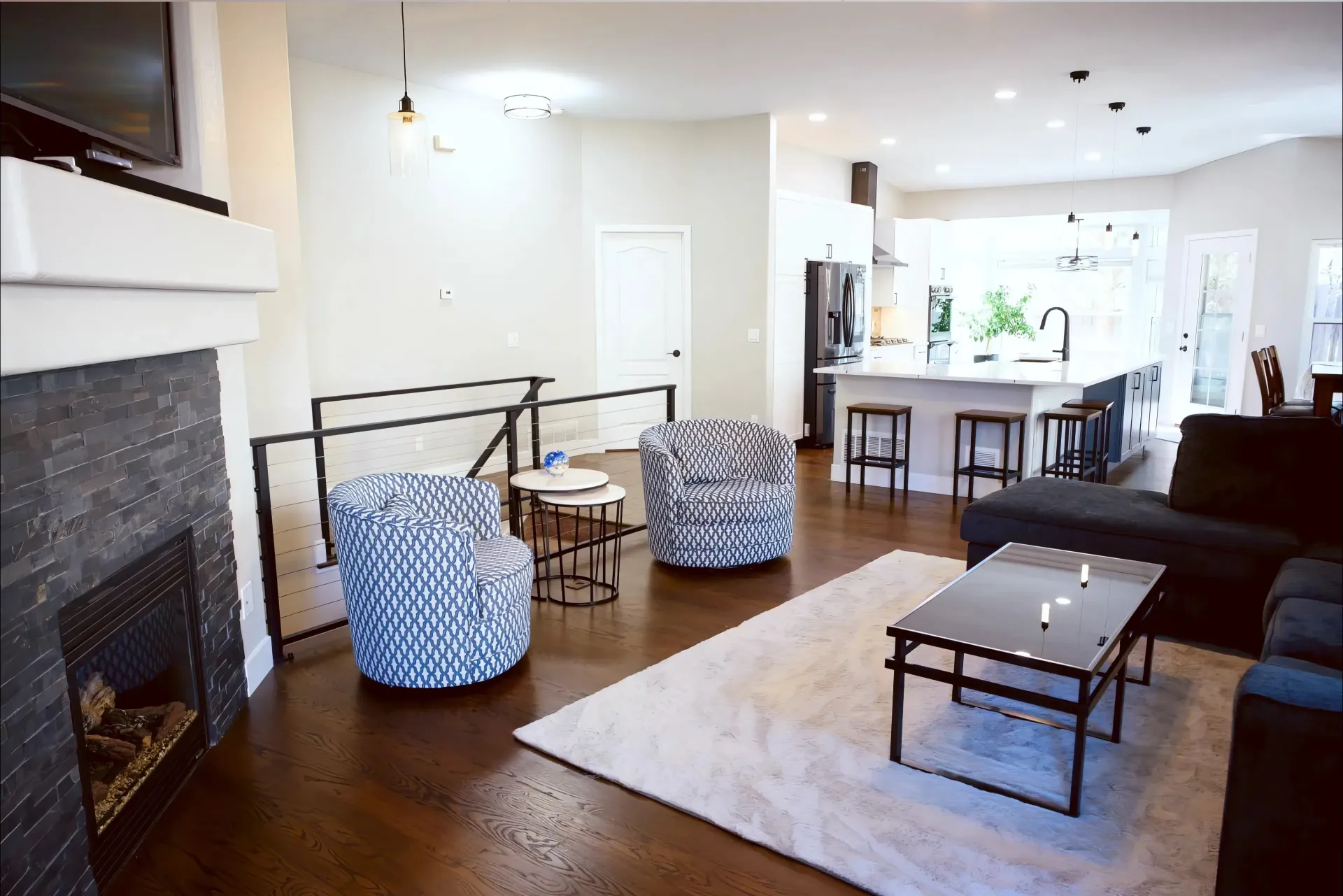
Benefits of Adding More Outlets
Installing additional outlets isn't just about convenience.
It can also improve:
Safety
Reducing dependence on extension cords and overloaded power strips helps create a safer home.
Functionality
Furniture placement becomes easier when outlets are located where you actually use electronics.
Home Value
Modern buyers appreciate homes designed for today's technology.
Well-placed outlets contribute to a more updated, move-in-ready feel.
Everyday Convenience
Sometimes the biggest improvement is simply making daily routines easier.
Charging devices, using appliances, and arranging furniture become much more flexible.
How Much Does It Cost to Add an Outlet?
The cost depends on several factors, including:
- Distance from existing wiring
- Wall accessibility
- Outlet type
- Existing electrical capacity
- Whether a new circuit is required
- Permit requirements
Because every home is different, a professional evaluation provides the most accurate estimate.
Can You Install an Outlet Yourself?
While some homeowners enjoy DIY projects, electrical work requires careful attention to safety and local electrical codes.
Improper installation can lead to:
- Shock hazards
- Fire risks
- Code violations
- Damaged equipment
- Insurance complications
Working with a licensed electrician helps ensure outlets are installed safely and correctly.
How HOMEfix Helps Colorado Springs Homeowners Modernize Their Electrical Systems
Your home's electrical system should support the way you live today—not the way homes were designed decades ago.
Whether you need additional outlets for a home office, garage workshop, remodeled kitchen, finished basement, or growing family, adding outlets can improve convenience, safety, and functionality without necessarily rewiring your entire home.
At HOMEfix, our licensed electricians help Colorado Springs homeowners evaluate their electrical systems, install new outlets, upgrade panels, improve lighting, and prepare homes for modern technology.
Because we offer one team, every service, electrical improvements can easily be coordinated with remodeling, garage upgrades, basement finishes, or other home improvement projects.
Whether you're adding a few outlets or planning a larger renovation, we're here to help you create a safer, more functional home built for today's lifestyle.
Frequently Asked Questions
Can an electrician add an outlet without rewiring the entire house?
Yes. In many homes, a new outlet can be added by extending an existing circuit, provided the circuit has enough available capacity and meets current electrical requirements.
How do I know if my electrical system can handle another outlet?
A licensed electrician can evaluate your electrical panel, existing circuits, and overall system to determine whether adding an outlet is appropriate or if a new dedicated circuit is needed.
Is it better to add outlets or use power strips?
Permanent outlets are generally the better long-term solution. While power strips can be useful for temporary needs, relying on them throughout your home often indicates that additional outlets would improve both convenience and safety.
Should I add outlets during a remodel?
Absolutely. Remodeling is one of the best opportunities to add outlets, improve lighting, install USB charging outlets, and upgrade your electrical system while walls are already open.