Tankless water heaters sound like a dream: endless hot water, lower energy bills, and a sleek, space-saving design. But if you live somewhere with real winters—like Colorado Springs—you’ve probably heard mixed opinions.
So let’s get straight to it: Are tankless water heaters actually worth it in cold climates, or are they more hype than help?
The short answer? Yes—if your home is properly set up and you choose the right system.
The longer answer is worth reading before you spend the money.
How Tankless Water Heaters Actually Work
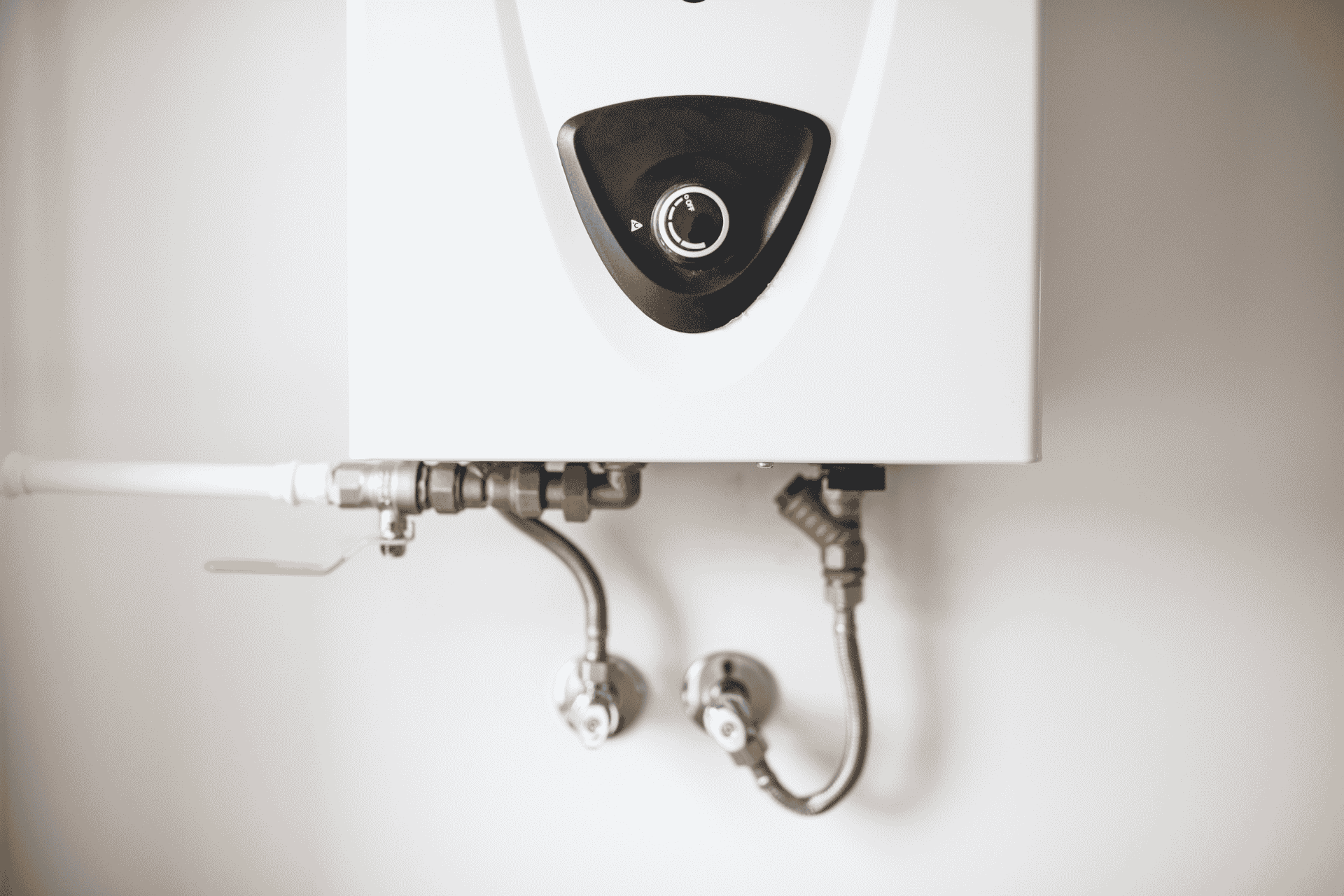
Unlike traditional tank water heaters that store 40–80 gallons of hot water, tankless systems heat water on demand. When you turn on a faucet, cold water flows through a heat exchanger and is instantly heated by either gas burners or electric elements.
That means:
- No waiting for a tank to refill
- No running out of hot water mid-shower
- No standby energy loss from keeping water hot all day
Sounds perfect—but cold climates introduce a few extra variables.
Why Cold Climates Change the Equation
In places like Colorado Springs, incoming groundwater temperatures can dip as low as 35–40°F in winter. That matters because:
- The colder the incoming water, the harder the heater has to work
- More energy is required to raise water to usable temperatures
- Undersized systems will struggle—or fail—to keep up
This is where many homeowners run into trouble: the system wasn’t designed for cold conditions.
The Biggest Mistake Homeowners Make
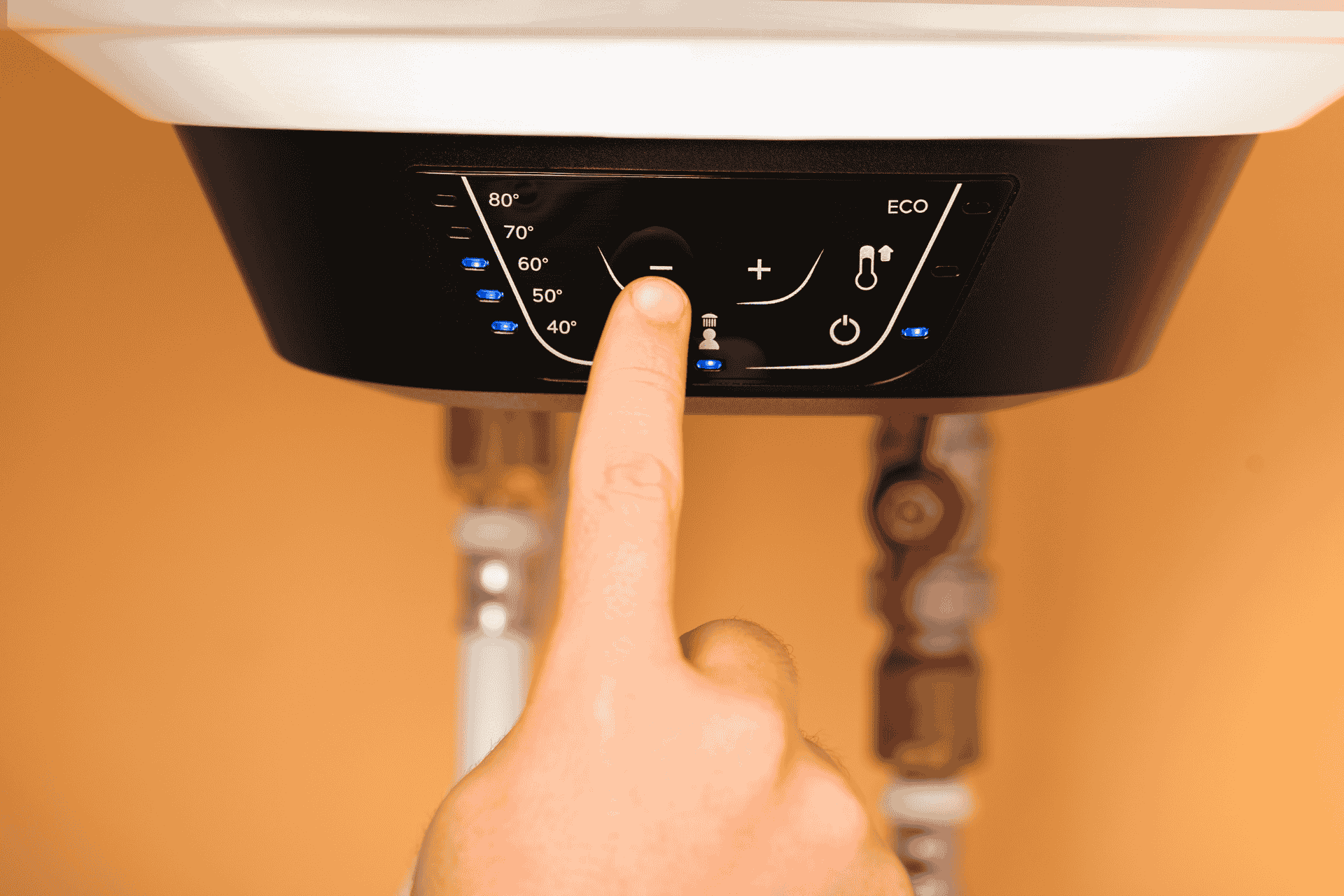
The #1 issue we see with tankless water heaters in cold climates is undersizing.
Tankless units are rated by:
- Flow rate (gallons per minute)
- Temperature rise capability
If a system is sized for warmer regions and installed in Colorado, you may experience:
- Lukewarm water during peak use
- Temperature fluctuations
- Reduced performance when multiple fixtures run at once
A properly sized unit, however, can perform extremely well—even in freezing conditions.
Gas vs. Electric Tankless in Cold Weather
Gas Tankless Water Heaters (Best for Cold Climates)
Pros:
- Higher output
- Better temperature rise
- Handles multiple fixtures simultaneously
- More reliable in winter
Cons:
- Higher upfront cost
- May require gas line upgrades
- Needs proper venting
👉 For most Colorado Springs homes, gas tankless is the better option.
Electric Tankless Water Heaters (Situational)
Pros:
- Lower upfront cost
- Smaller footprint
- No venting required
Cons:
- Struggles with cold incoming water
- Often requires major electrical upgrades
- Limited flow rate
Electric units can work well in small homes or point-of-use applications, but they’re often not ideal for whole-home use in cold regions.
Energy Efficiency: Do Tankless Systems Save Money?
Tankless water heaters are more efficient—but that doesn’t always mean instant savings.
Where You Save:
- No standby heat loss
- Reduced energy usage for low-demand households
- Longer lifespan (15–20 years vs. 8–12 for tanks)
Where Costs Can Increase:
- Higher installation cost
- Gas or electrical upgrades
- Maintenance requirements (annual flushing)
In Colorado Springs, homes with moderate-to-high hot water usage tend to see the best return on investment.
Maintenance Matters More in Cold Climates
Hard water is common in Colorado, and mineral buildup can reduce efficiency—especially in tankless systems.
To keep performance high:
- Annual descaling is essential
- Water softeners can extend system life
- Skipping maintenance shortens lifespan and voids warranties
This isn’t a “set it and forget it” appliance—but it is a long-lasting one when cared for properly.
When Tankless Is Worth It (Even in Winter)
Tankless water heaters make sense if:
- You want consistent hot water for long showers
- Your home already has natural gas
- You plan to stay in your home long-term
- You want higher efficiency and a smaller footprint
- The system is sized for Colorado’s groundwater temps
When a Traditional Tank Might Be Better
A tank water heater may still be the smarter choice if:
- You’re on a tight upfront budget
- Your electrical or gas infrastructure can’t support tankless
- Your home has very low hot water demand
- You’re planning to move soon
Sometimes “newer” isn’t automatically “better”—it has to be the right fit.
The Bottom Line
Tankless water heaters can absolutely work in cold climates—when they’re designed and installed correctly.
In Colorado Springs, the difference between loving or hating your tankless system usually comes down to:
- Proper sizing
- Fuel type
- Professional installation
- Ongoing maintenance
Get those right, and tankless can be one of the most comfortable and efficient upgrades you make.
Get them wrong, and you’ll be wondering why your “endless hot water” keeps running cold.