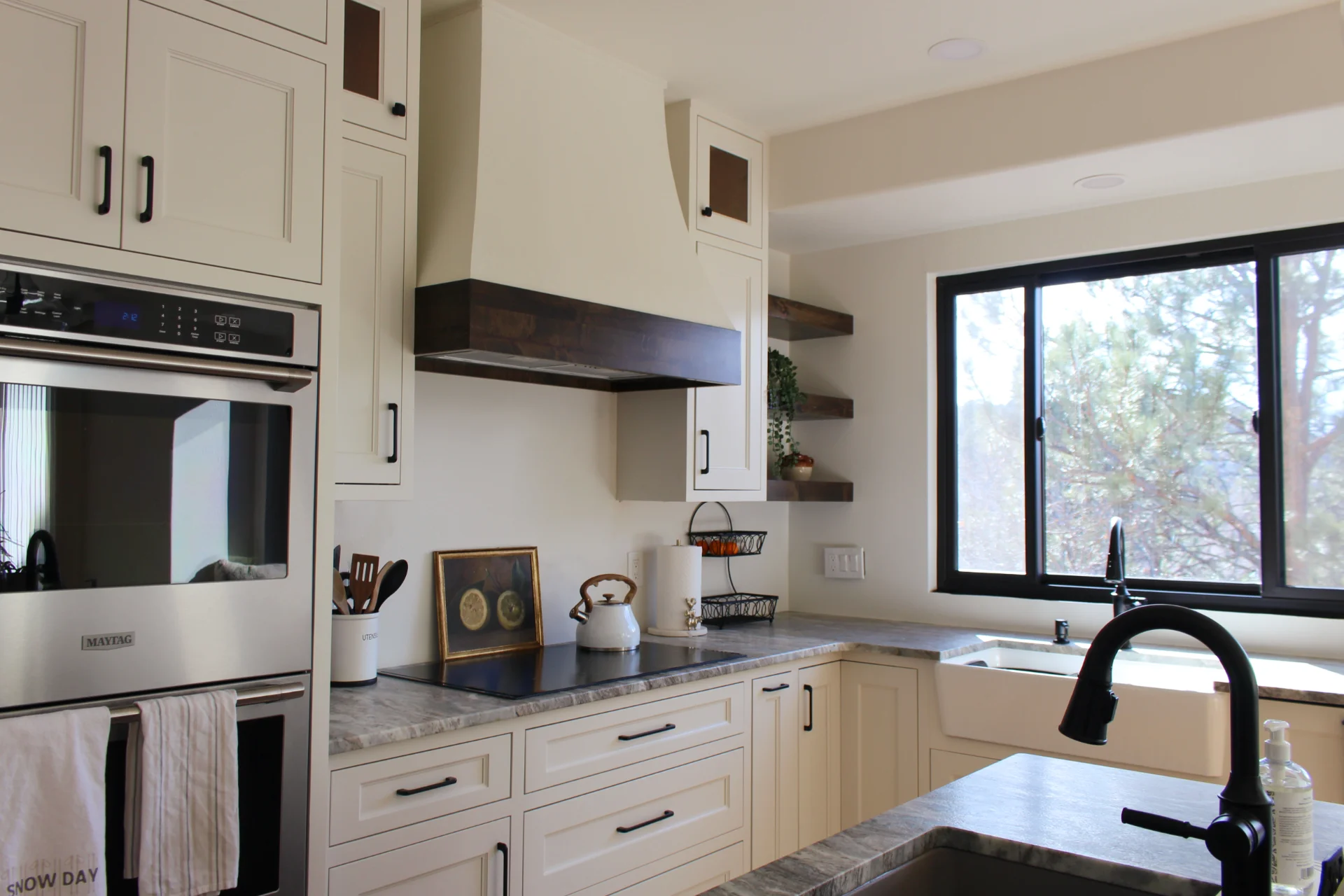
If you’re planning a kitchen remodel, it’s easy to get pulled in every direction.
Better cabinets. Nicer countertops. A new layout. High-end appliances.
Every upgrade sounds like the right decision—until the budget starts to stretch.
And that’s usually when people start making the wrong trade-offs.
Because the real question isn’t:
“What can I upgrade?”
It’s:
“What’s actually worth it?”
Some upgrades make your kitchen look better.
Others make it work better—every single day.
And if you have to choose, function wins every time.
Start With Function, Not Finishes
Before you think about colors, materials, or trends, take a step back and look at how your kitchen actually performs.
- Do you have enough storage—or are things constantly overflowing?
- Is there usable counter space where you need it?
- Does the layout slow you down or create bottlenecks?
If any of those feel off, that’s where your budget should go first.
Because no amount of high-end finishes will fix a kitchen that doesn’t function well.
→ Read: The Remodel Decisions You’ll Thank Yourself For in 10 Years
The 4 Kitchen Upgrades That Are Actually Worth It
These are the upgrades that consistently deliver the most value—both in daily use and long-term durability.
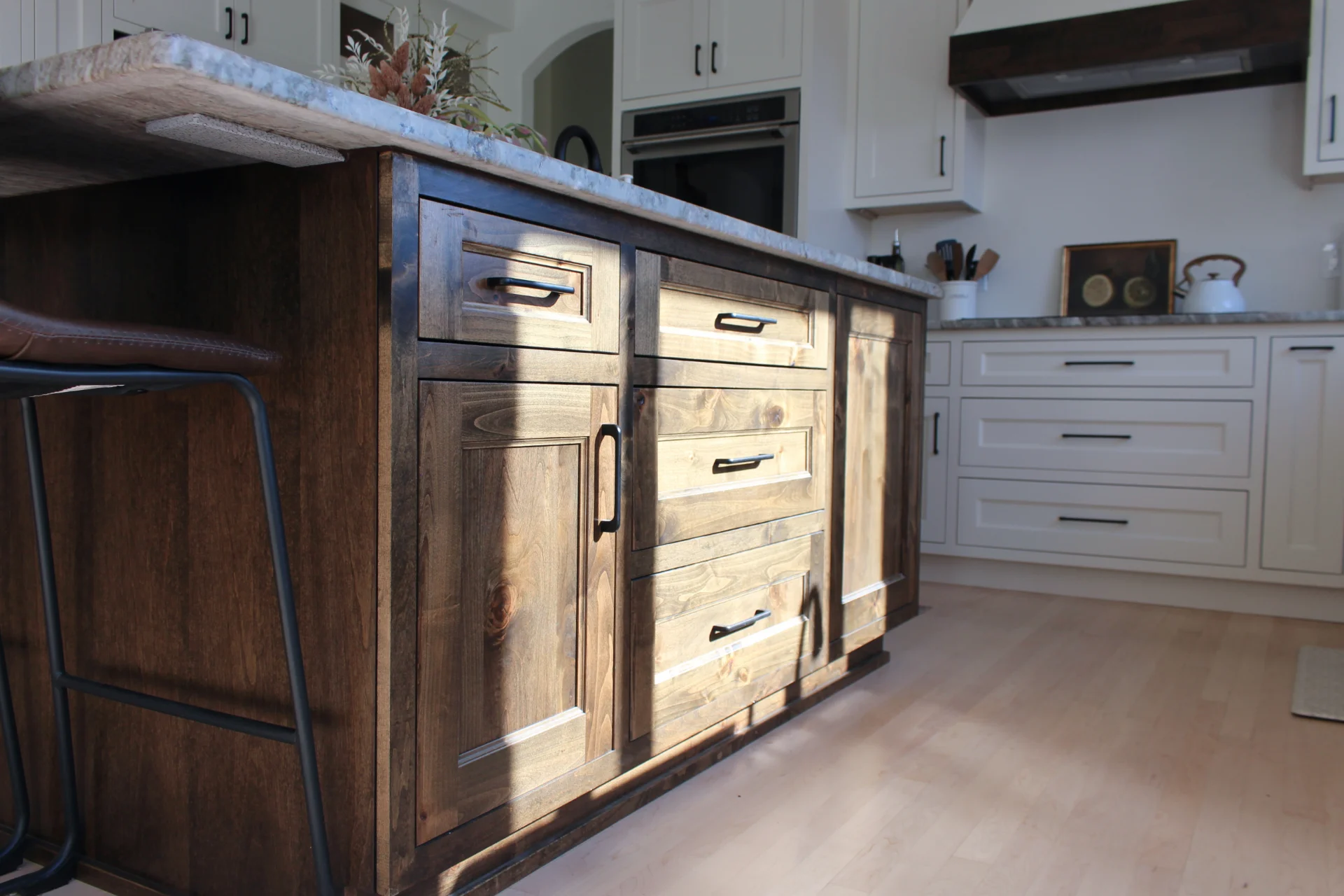
1. Cabinetry (Especially Custom or Semi-Custom)
Cabinets aren’t just a visual feature—they’re the foundation of your kitchen.
And this is one of the areas where quality makes a noticeable difference.
Better cabinetry gives you:
- Smarter storage (think pull-outs, vertical dividers, custom sizing)
- Stronger materials that hold up over time
- A more cohesive, built-in look
Stock cabinets can work in some situations—but if your layout is even slightly unique, custom or semi-custom options tend to maximize the space far better.
If you’re deciding where to invest, this is usually the place.
→ Read: Should You Replace or Reface Your Cabinets?
2. Layout Improvements
This is the upgrade people hesitate on—and often regret skipping.
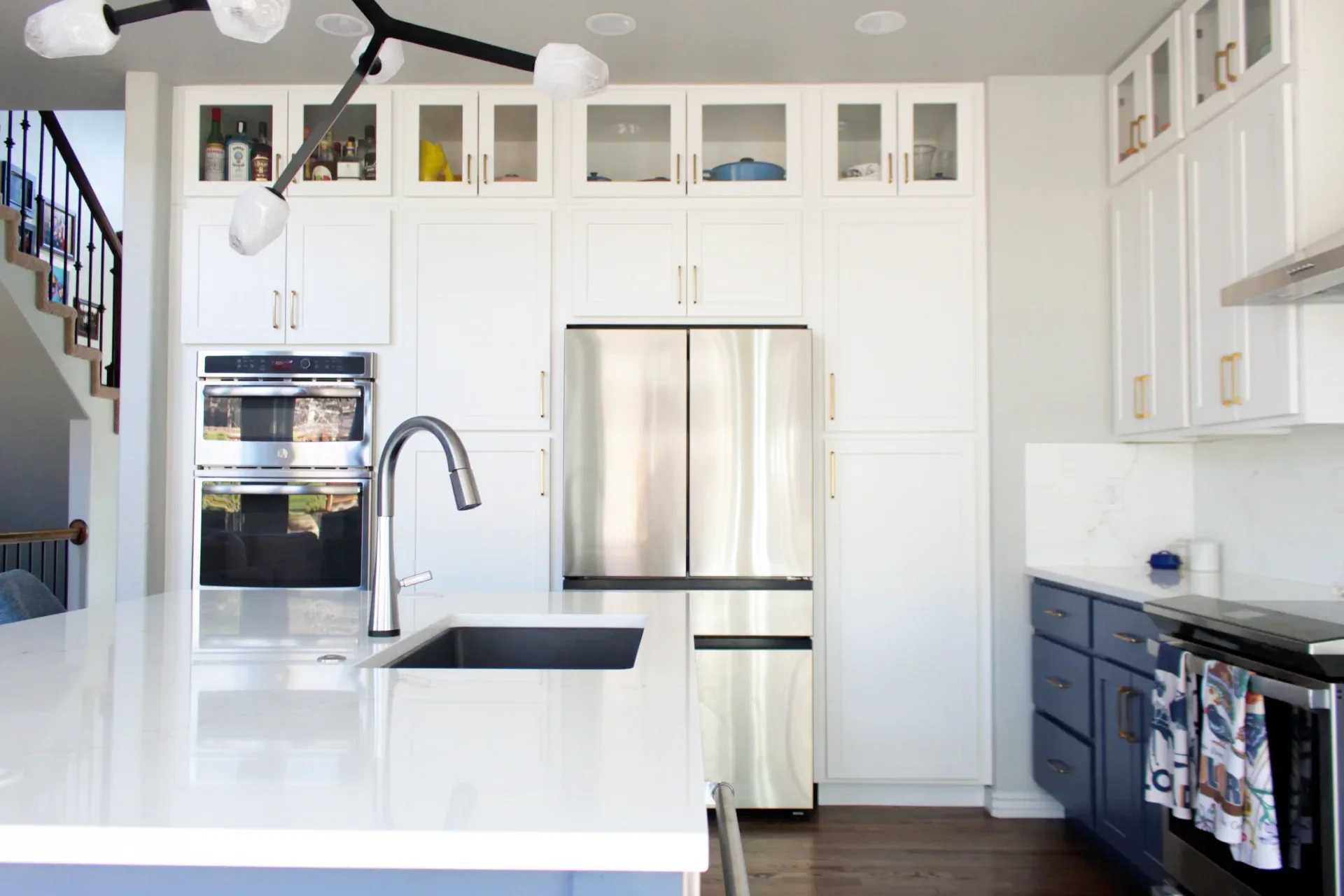
Changing your layout might mean:
- Opening up a wall
- Repositioning appliances
- Creating better flow between work zones
Yes, it can increase upfront cost.
But it’s also what turns a kitchen from “updated” into actually enjoyable to use.
If your current layout feels tight, awkward, or inefficient, no finish upgrade will fix that.
This is where the real transformation happens.
3. Quality Countertops
Your countertops do more work than anything else in your kitchen.
They’re used constantly.
They take heat, spills, impact, and wear.
That’s why material choice matters.
Mid-to-high quality options like quartz or natural stone:
- Hold up better over time
- Require less maintenance
- Keep their appearance longer
Cheaper materials might save money upfront—but they tend to show wear faster and need replacing sooner.
This is a classic case of short-term savings vs. long-term value.

4. Lighting (The Most Underrated Upgrade)
Lighting is one of the most overlooked—and most impactful—parts of a kitchen remodel.
A well-designed lighting plan includes:
- Ambient lighting (overall brightness)
- Task lighting (under cabinets, prep areas)
- Accent lighting (visual depth and warmth)
Good lighting doesn’t just make your kitchen look better—it makes it easier and more enjoyable to use.
And once you have it done right, it’s hard to imagine going back.
→ Read: 5 Ideas for Upgrading Your Home's Lighting
Upgrades That Can Be Worth It (Depending on Your Priorities)
Not every upgrade is essential—but some are worth it in the right context.
High-End Appliances
If you cook often, invest here. If you don’t, the impact is mostly aesthetic.
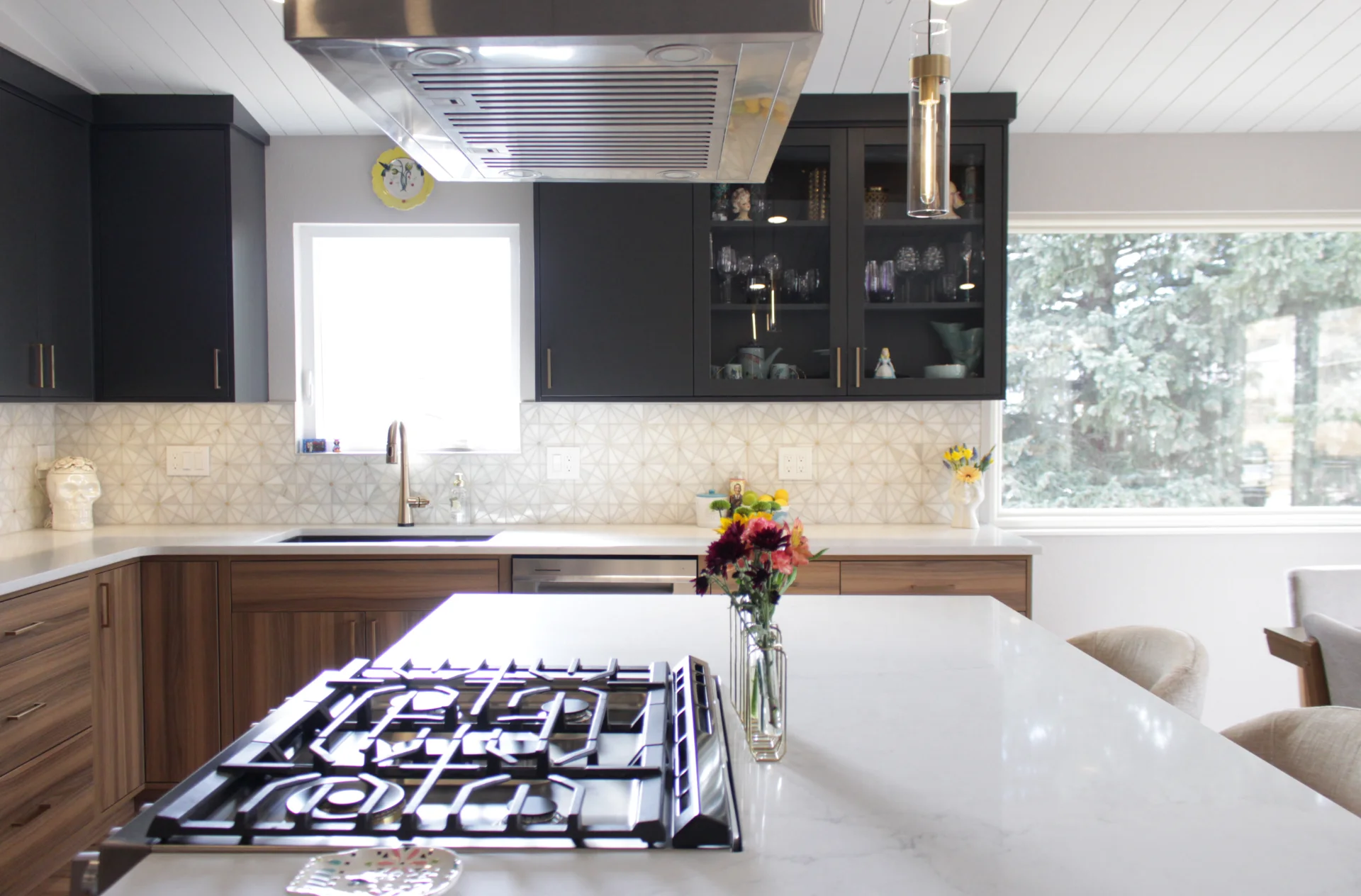
Statement Backsplashes
Great for personality—but they don’t improve functionality.
Smart Features
Convenient and modern, but not necessary for most households.
Where Homeowners Tend to Overspend
This is where budgets start to drift:
- Chasing trends that won’t age well
- Trying to upgrade everything at once
- Prioritizing appearance over usability
The result? A kitchen that looks great—but still doesn’t work the way it should.
→ Read: How to Choose Finishes You Won't Regret in 5 Years
A Better Way to Approach Your Remodel
Instead of spreading your budget thin across every possible upgrade, focus on:
- Fixing how the space functions
- Investing in high-use, high-impact elements
- Making intentional trade-offs where needed
That’s how you end up with a kitchen that not only looks good—but holds up and works well long-term.
The Bottom Line
The best kitchen upgrades aren’t always the flashiest.
They’re the ones you notice every single day—because they make your life easier.
And those are almost always tied to function, not just finishes.